
Vietnam Watermelon Exporter offers high-quality watermelons with Brix levels of 10-12%, ideal for satisfying international market demands, especially in China.
Vietnam's watermelon exports are primarily directed towards neighboring countries, with China being the largest market. This focus on regional trade highlights the importance of watermelon in Vietnam's agricultural landscape. Watermelon cultivation in Vietnam goes beyond meeting domestic consumption; it is a crucial component of the nation's agricultural exports. The country's favorable climate and fertile soil provide ideal conditions for growing high-quality watermelons, which are highly sought after in Asian markets.
Watermelon holds a significant place in Vietnamese agriculture. As a major cash crop, it contributes greatly to the livelihoods of farmers and the rural economy. Watermelons are extensively cultivated in regions like the Mekong Delta and the Central Highlands, where the combination of abundant sunshine and fertile soil yields fruit that is both sweet and juicy. This agricultural success underscores Vietnam's role as a leading watermelon exporter in the region, leveraging its natural advantages to meet the growing demand in international markets.
Varieties of Vietnamese Watermelon
Vietnam is renowned for its diverse range of watermelon varieties, with 'Hoang Hau' and 'An Tiem' standing out as the most popular among them. These varieties are not only favored locally but also play a significant role in the international market, making Vietnam a notable Vietnam Watermelon Exporter.
- 'Hoang Hau': Known for its vibrant red flesh and high sweetness level, the 'Hoang Hau' watermelon is a favorite among consumers who prefer a juicy and refreshing fruit. Its thin rind makes it easy to slice, while its round shape and uniform size meet the criteria for export quality standards. This variety is particularly popular due to its consistent taste and texture, which appeal to both domestic and international markets.
- 'An Tiem': This variety is distinguished by its elongated shape and deep green skin with light green stripes. The 'An Tiem' watermelon is less sweet than 'Hoang Hau', making it ideal for those who enjoy a milder taste. Its firm flesh and minimal seed count are additional advantages, contributing to its preference among consumers seeking a convenient and less messy eating experience.
The popularity of these varieties can be attributed to several factors. The 'Hoang Hau' watermelon is preferred for its sweetness and aesthetic appeal, making it a top choice for both fresh consumption and decorative purposes. On the other hand, the 'An Tiem' variety's durability and ease of handling during transport make it a reliable option for long-distance export. Both varieties reflect the adaptability and quality of Vietnamese agricultural products, reinforcing the country's reputation as a leading exporter in the global market.
Size and Weight
The size and weight of watermelons exported by Vietnam Watermelon Exporter are crucial factors that influence their marketability and competitiveness on the international stage. The watermelons typically range in size from 1.5 to 5 kilograms. This range is indicative of the diversity and adaptability of watermelon varieties grown in Vietnam, catering to different consumer preferences and market demands.
Several factors influence the size of Vietnamese watermelons, most notably the variety and the growing conditions. Popular varieties such as 'Hoang Hau' and 'An Tiem' each have unique characteristics that contribute to their size. For instance, 'Hoang Hau' is known for its robust growth, often resulting in larger fruits, while 'An Tiem' might produce smaller but sweeter watermelons. Additionally, optimal growing conditions, such as soil quality, climate, and cultivation practices, play a pivotal role in achieving the desired size and weight.
When compared to international standards, Vietnamese watermelons hold their own in terms of size. Globally, watermelons can vary widely in size, but the 1.5 to 5 kg range is competitive, particularly in markets where medium-sized fruits are preferred for their convenience and ease of handling. This alignment with international preferences highlights the strategic advantage Vietnamese exporters have in tailoring their produce to meet global demands.
"Vietnamese watermelons, with their optimal size range, are well-positioned to meet the demands of international markets, offering both variety and quality."
Sweetness and Brix Level
When assessing fruit quality, the sweetness of watermelons is often measured using the Brix scale. This scale quantifies the sugar content in an aqueous solution, where one degree Brix equals one gram of sucrose per 100 grams of solution. For watermelons, the Brix level is a crucial indicator of sweetness, a key attribute that directly influences consumer satisfaction and marketability.
Vietnamese watermelons typically register a Brix level ranging from 10% to 12%. This range signifies a high sugar content, which translates into a sweeter taste profile that is highly desirable in the market. The implications of this sweetness are significant, as it not only enhances the flavor but also boosts the fruit's appeal to both local and international consumers.
High sugar content in watermelons is particularly advantageous for exporters. It enhances the fruit's marketability by meeting the taste preferences of consumers across different regions. For instance, in markets like China, where sweet fruits are highly favored, Vietnamese watermelons with a Brix level of 10-12% are likely to be preferred over those with lower sugar content. This preference can lead to increased demand and potentially higher prices, benefiting the Vietnam Watermelon Exporter.
Quality Standards for Export
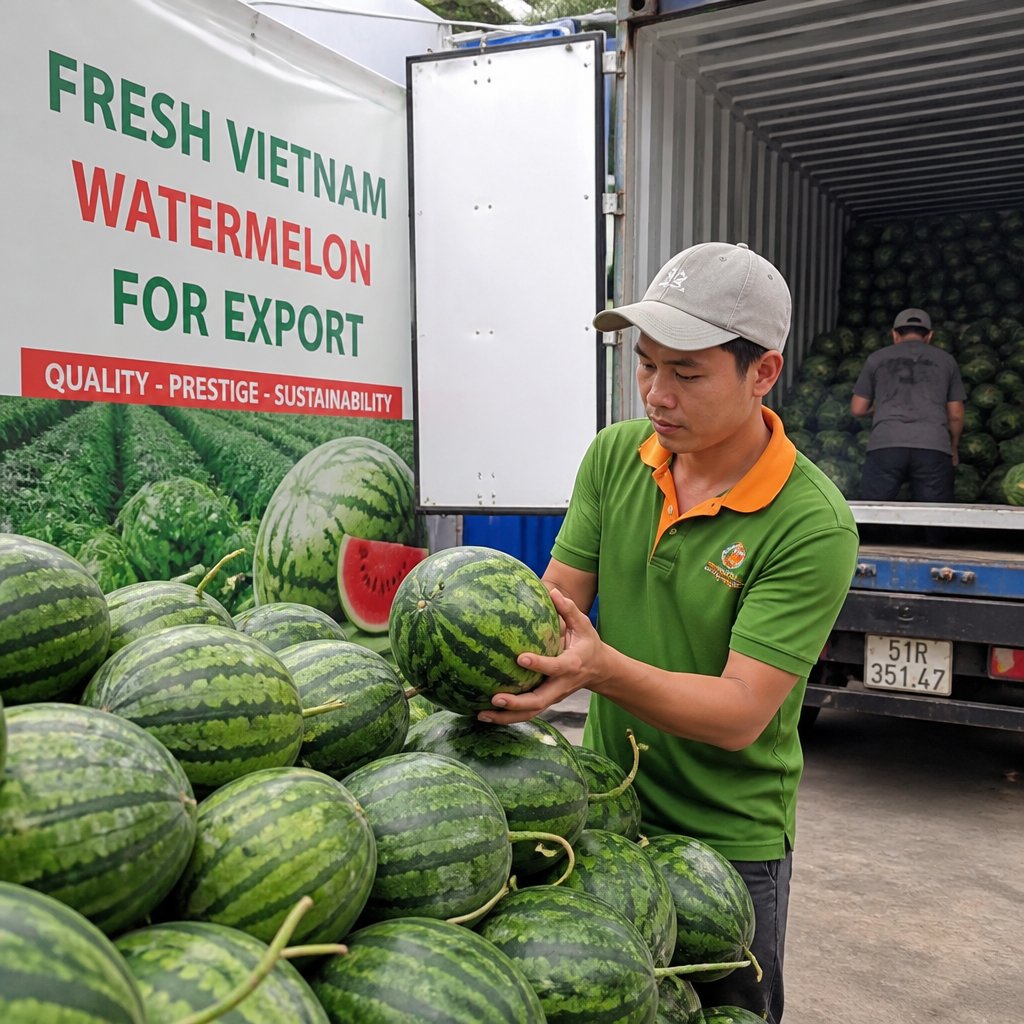
Maintaining high quality standards is essential for any Vietnam Watermelon Exporter aiming to thrive in the international market. The export of Vietnamese watermelons requires adherence to specific quality requirements, including uniformity in size, shape, and color. These criteria are vital as they directly affect the marketability and consumer appeal of the produce.
- ✅ Uniform Size and Shape: Export-quality watermelons must exhibit consistent dimensions, which not only enhance their visual appeal but also facilitate efficient packing and transportation. A uniform size range typically falls between 1.5 to 5 kg, aligning with international preferences.
- ✅ Consistent Color: The color of the watermelon is a key indicator of ripeness and quality. Export standards require a vibrant, consistent color without any discoloration, ensuring that the fruit meets consumer expectations.
Beyond aesthetic qualities, it is imperative that watermelons are free from blemishes and diseases. Any signs of external damage or internal decay can severely affect the fruit's shelf life and safety, thereby reducing its market value. Exporters must ensure that their produce is meticulously inspected to prevent these issues.
The inspection and certification processes play a pivotal role in maintaining these quality standards. Watermelons destined for export undergo rigorous checks to certify that they meet both domestic and international quality regulations. This includes phytosanitary inspections to detect and eliminate any potential diseases or pests that could compromise the fruit's quality.
"The meticulous inspection and certification of Vietnamese watermelons ensure they meet the highest international standards, safeguarding their reputation in the global market."
By adhering to these stringent quality standards, Vietnamese watermelon exporters not only protect their brand reputation but also enhance the competitiveness of their produce in the global marketplace.
Packaging Methods
In the competitive landscape of the global fruit export market, the Vietnam Watermelon Exporter employs meticulous packaging methods to ensure the safe transit of their prized produce. The primary packaging materials used are sturdy cardboard boxes and crates, both selected for their durability and ability to withstand the rigors of international shipping. These materials are not only robust but also lightweight, which helps in maintaining the overall shipment weight within optimal limits.
The main purpose of these packaging choices is to prevent damage during transit. Watermelons, being delicate and prone to bruising, require secure packaging to arrive at their destinations in pristine condition. The use of sturdy materials minimizes the risk of crushing and abrasion, which can occur during handling and transportation. This is particularly crucial for long-haul shipments to primary markets such as China and other Asian and Middle Eastern countries.
Another critical aspect of packaging is the design considerations. Packaging is not merely about protection; it also plays a role in branding and marketing. The design must be functional, allowing for easy stacking and handling, while also being visually appealing to attract buyers in competitive markets. Additionally, the design must comply with international packaging standards and regulations, ensuring seamless customs clearance and reducing the risk of delays.
Overall, the packaging methods adopted by the Vietnam Watermelon Exporter are a testament to their commitment to quality and customer satisfaction, ensuring that their watermelons reach global markets in the best possible condition.
Logistics of Export
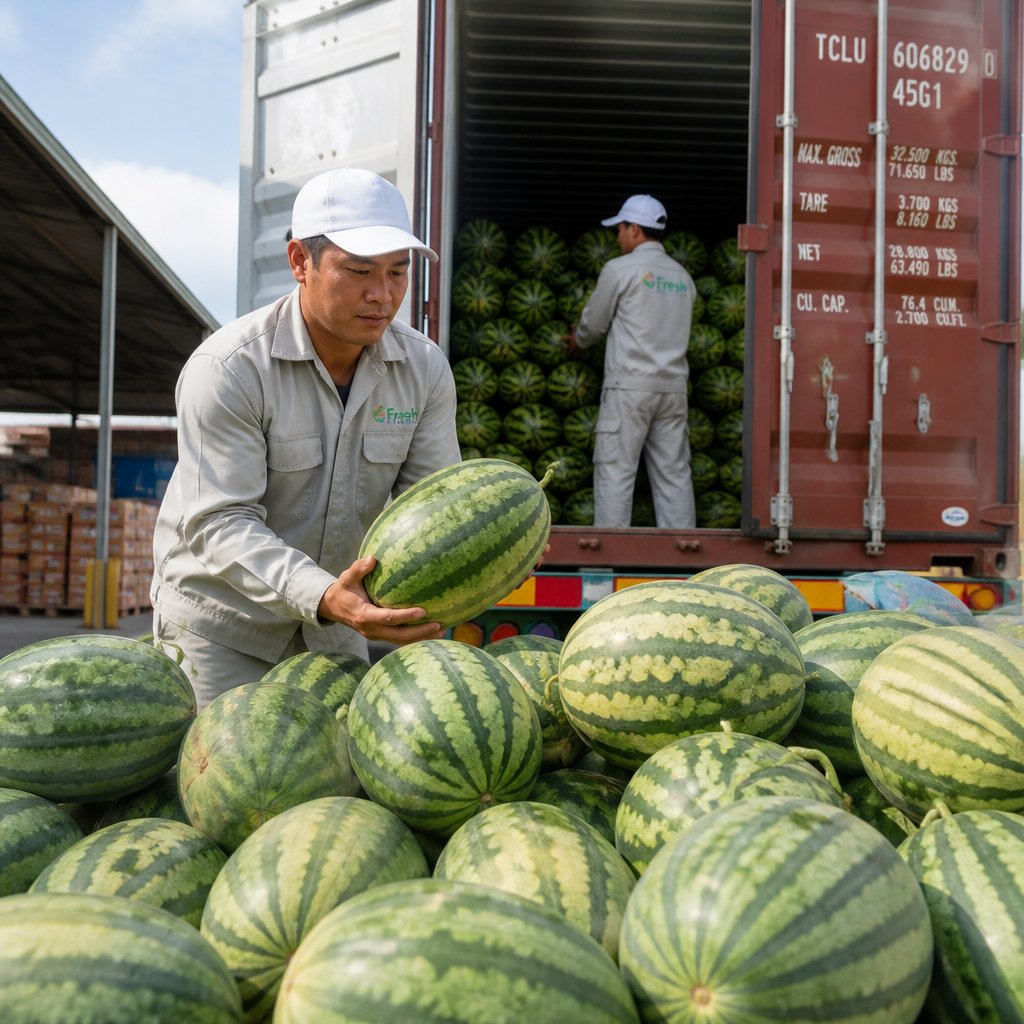
The logistics of exporting Vietnamese watermelons involves several critical components that ensure the fruit reaches international markets in optimal condition. The choice of transportation methods is crucial, with options ranging from sea freight to air freight, depending on the destination and urgency. Sea freight is often preferred for its cost-effectiveness, especially for bulk shipments to major markets like China. However, air freight is utilized for quicker delivery, especially to more distant or niche markets, where maintaining the freshness of the fruit is paramount.
Equally important are the storage requirements necessary to maintain the freshness of the watermelons during transit. This includes maintaining a controlled temperature environment, typically between 10-15°C, to prevent the fruit from ripening too quickly or spoiling. Proper ventilation is also essential to avoid the build-up of ethylene gas, which can accelerate ripening.
Another vital aspect is navigating customs clearance procedures. Exporters must ensure compliance with the import regulations of the destination country, which often involves thorough documentation and adherence to phytosanitary standards. Efficient customs clearance not only prevents delays but also reduces the risk of spoilage during prolonged storage.
To further enhance the efficiency of the export process, exporters implement strategies to minimize transit time. This can include choosing optimal shipping routes, coordinating closely with logistics partners, and utilizing technology for real-time tracking of shipments. By reducing transit time, exporters can ensure that the watermelons arrive as fresh as possible, maintaining their quality and appeal in competitive markets.
Bulk Export Destinations
Vietnam has established itself as a significant player in the global watermelon market, with its primary export destination being China. This is largely due to the geographical proximity and the high demand for fresh produce in China. The vast consumption of watermelons in China makes it an ideal market for Vietnam Watermelon Exporter, allowing for a steady and substantial flow of exports.
Beyond China, Vietnamese watermelons have found their way into other Asian and Middle Eastern countries. These regions have similar climatic conditions and consumer preferences, which align well with the characteristics of Vietnamese watermelons. The expansion into these markets demonstrates the adaptability and appeal of Vietnamese watermelons across diverse consumer bases.
In terms of export volumes and trends, there has been a noticeable increase in the quantity of watermelons exported from Vietnam over recent years. The surge can be attributed to improvements in cultivation techniques and export processes, which have enhanced the quality and shelf-life of the fruit. This trend is expected to continue as Vietnam strengthens its position in existing markets and explores new ones.
"The primary market for Vietnamese watermelons remains China, but diversification into Asian and Middle Eastern countries is gaining momentum."
Challenges and Opportunities in the Export Market
The Vietnamese watermelon export market is both promising and challenging, shaped by a dynamic competitive landscape and evolving regulatory requirements. As a Vietnam Watermelon Exporter, understanding these factors is crucial for capitalizing on the opportunities while navigating the hurdles.
Competitive Landscape
The global watermelon export market is highly competitive, with countries like China, Spain, and the United States leading in production and export. Vietnam faces competition from these established exporters who have advanced logistics and established customer bases. However, Vietnam's strategic location in Southeast Asia offers a logistical advantage for exporting to neighboring Asian countries, reducing transit time and costs.
Regulatory Challenges
Exporters must comply with stringent international regulations, which can vary significantly between countries. For instance, the European Union and the United States have rigorous standards for pesticide residues and quality certifications. Ensuring compliance requires Vietnamese exporters to invest in quality control and certification processes, adding complexity and cost to the export operations.
Potential for Market Expansion
Despite these challenges, there is significant potential for market expansion. The rising demand for fresh produce in Middle Eastern and Asian markets presents an opportunity for growth. Additionally, as consumers become more health-conscious, the demand for nutritious and naturally sweet products like Vietnamese watermelon is expected to rise. Leveraging these trends can help expand market reach and increase export volumes.
Innovations in Cultivation and Export Processes
Innovation plays a critical role in overcoming export challenges. Advances in cultivation techniques, such as the use of sustainable farming practices and improved seed varieties, can enhance yield and quality. Moreover, innovations in packaging and logistics, such as temperature-controlled transport, can ensure the freshness and quality of watermelons upon arrival in distant markets.
In summary, although the Vietnamese watermelon export market faces significant challenges, it is also abundant with opportunities. By strategically navigating the competitive landscape, adhering to regulatory requirements, and embracing innovation, Vietnam can bolster its position as a leading exporter of fresh watermelons.
Conclusion
The journey of Vietnamese watermelon from local farms to international markets encapsulates a story of agricultural prowess and strategic export practices. With popular varieties like 'Hoang Hau' and 'An Tiem', Vietnam's watermelons are renowned for their sweet taste and ideal size, typically ranging from 1.5 to 5 kg, meeting international standards. The Brix level of 10-12% highlights their appealing sweetness, making them highly marketable globally.
Quality standards are rigorously maintained to ensure uniformity in size, shape, and color, free from blemishes, which is crucial for export success. Effective packaging and logistics play a vital role in preserving freshness during transit to primary markets such as China and other Asian and Middle Eastern countries.
Looking ahead, the future of Vietnamese watermelon in the global market appears promising. Despite challenges such as regulatory hurdles and a competitive landscape, there are significant opportunities for market expansion. Innovations in cultivation and export processes could further strengthen Vietnam's position as a leading watermelon exporter.
"Vietnam's strategic focus on quality and innovation is set to propel its watermelon industry to new heights in the global market."







