Vietnam Water Chestnut Exporter offers fresh and processed water chestnuts renowned for their crisp texture and quality, meeting international standards for culinary excellence.
Water chestnuts have carved out a unique niche as a beloved aquatic vegetable, celebrated for their crisp texture and subtle sweetness. Widely recognized in Asian cuisine, these tubers are not just a culinary staple but also a versatile ingredient that enhances a myriad of dishes. From stir-fries to salads, water chestnuts add a refreshing crunch that is hard to replicate, making them indispensable in kitchens across Asia.
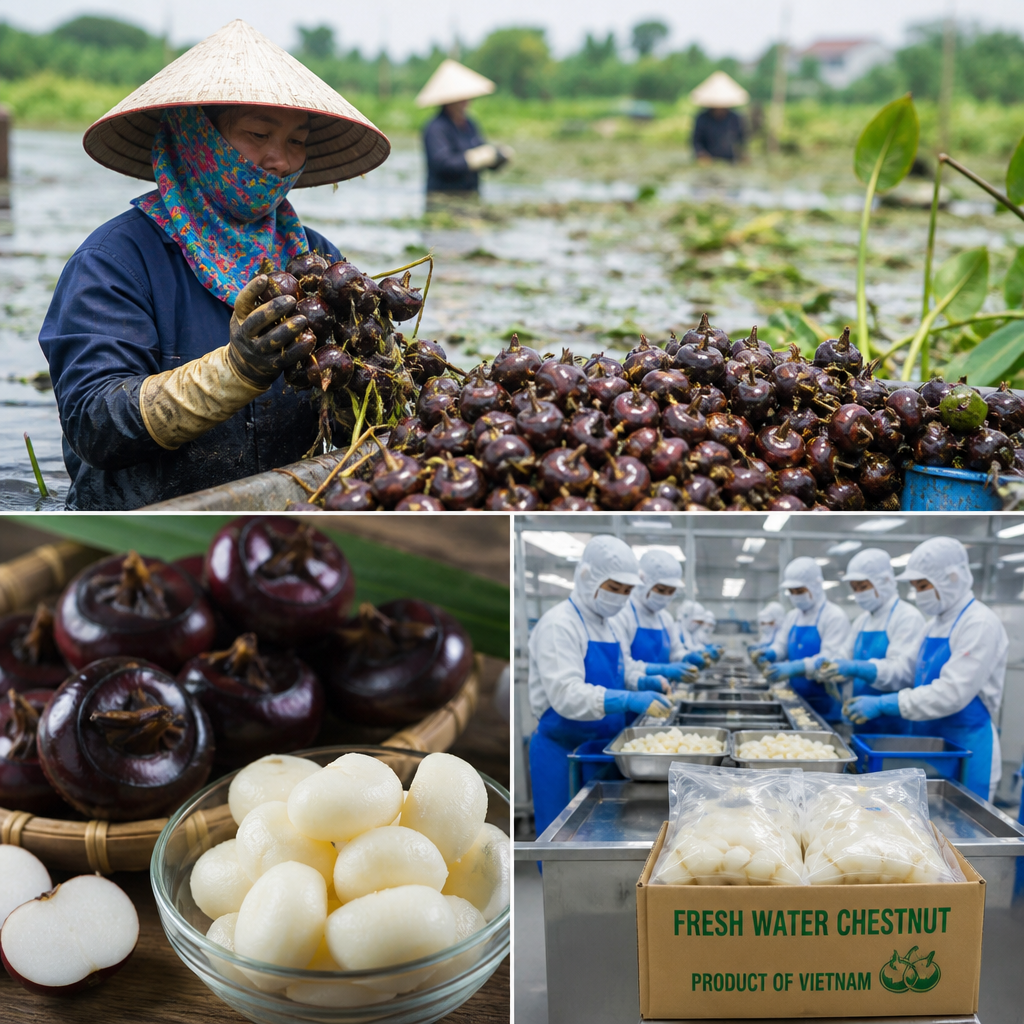
The allure of water chestnuts extends beyond their taste and texture. They are consumed both fresh and processed, offering flexibility for a range of culinary applications. Fresh water chestnuts are often peeled and eaten raw, providing a juicy bite that complements various flavors. On the other hand, processed water chestnuts, usually canned or frozen, offer convenience without compromising on the essential crispness that they are known for. This dual nature of consumption not only broadens their appeal but also boosts their demand in international markets.
Understanding Water Chestnut Specifications
When discussing the export of water chestnuts from Vietnam, understanding the specific standards related to size, weight, and quality is crucial. These specifications not only ensure the consistency of the product but also meet the expectations of international markets.
Size and Weight Standards: Water chestnuts intended for export must adhere to certain size and weight criteria to maintain uniformity and quality. Typically, the diameter of a water chestnut should range between 25 to 40 millimeters, and the weight should fall between 15 to 25 grams per piece. This standardization helps in maintaining consistency across shipments, which is vital for international buyers who rely on predictable product specifications.
Quality Benchmarks for Exports: Quality is a non-negotiable aspect of water chestnut exports. The benchmarks include factors such as texture, color, and taste. The water chestnuts should have a firm texture, a bright white color when peeled, and a sweet, nutty flavor. Any deviation from these quality markers can lead to rejection in strict markets such as the European Union or North America, where consumer expectations are high.
Vietnam's Export Criteria: Vietnam has established its own set of criteria for exporting water chestnuts, which aligns with global standards. This includes ensuring that the water chestnuts are free from pests and diseases, as well as adhering to food safety regulations. The Vietnamese government also mandates that all exported water chestnuts undergo rigorous quality checks and certifications to ensure they meet the international standards.
Vietnam's dedication to upholding high export standards for water chestnuts has established it as a dependable supplier in the global market.
By adhering to these specifications, Vietnam Water Chestnut Exporter ensures that their products are competitive and meet the demands of international consumers. These standards not only enhance the reputation of Vietnamese water chestnuts but also solidify their place in the global market.
Innovative Packaging Techniques
In the competitive landscape of exporting water chestnuts, the role of packaging cannot be overstated. As a leading Vietnam Water Chestnut Exporter, the choice of packaging materials and methods directly influences both product quality and marketability.
Packaging materials are the first line of defense in maintaining the integrity of water chestnuts during transit. High-quality, food-grade materials such as polyethylene and polypropylene are commonly used due to their durability and moisture-resistant properties. These materials are crucial in preventing spoilage and ensuring that the water chestnuts remain fresh from the point of packaging to their final destination.
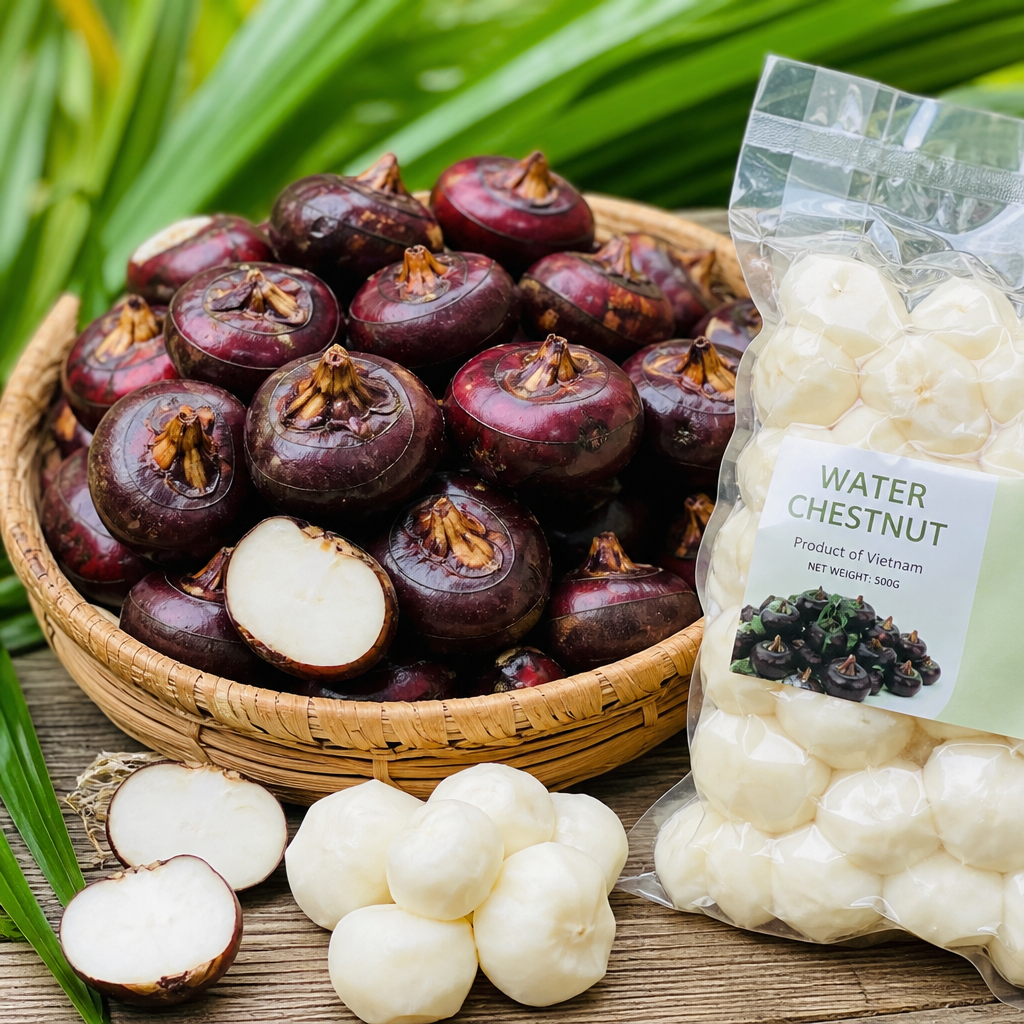
When it comes to packaging sizes and methods, flexibility and innovation are key. Exporters offer a range of packaging options to cater to different market needs. From small consumer-friendly packs to larger bulk options for commercial buyers, the packaging is designed to optimize space and reduce transportation costs. Vacuum sealing is a popular method, as it extends the shelf life by minimizing exposure to air and contaminants, thereby preserving the freshness and crunchiness of the water chestnuts.
Vacuum-sealed packaging allows water chestnuts to retain their quality for up to six months, which significantly reduces waste and enhances customer satisfaction.
The impact of these innovative packaging techniques on product quality is significant. Proper packaging not only safeguards the product during transit but also enhances its appeal on the shelves. By employing advanced packaging solutions, exporters ensure that their water chestnuts arrive in pristine condition, which is critical for maintaining the trust and loyalty of international buyers.
- ✅ Durability: High-quality materials prevent physical damage.
- ✅ Moisture Resistance: Keeps the product dry and fresh.
- ✅ Extended Shelf Life: Vacuum sealing and proper sizing reduce spoilage.
In conclusion, the strategic use of innovative packaging techniques plays a pivotal role in the success of any Vietnam Water Chestnut Exporter. By prioritizing material quality and employing cutting-edge packaging methods, exporters not only protect their product but also enhance its market competitiveness.
Maintaining Freshness: Cold-Chain Requirements
In the realm of exporting fresh produce, maintaining the integrity and quality of the product is paramount. For the Vietnam Water Chestnut Exporter, ensuring the freshness of water chestnuts throughout the supply chain is a critical component of their operations. This is where the cold-chain requirements come into play, a system designed to keep the produce at optimal conditions from farm to table.
At the heart of the cold-chain process is temperature control. Water chestnuts, like many other perishable goods, require a consistent temperature to preserve their texture, flavor, and nutritional value. The ideal temperature range for storing fresh water chestnuts is between 0°C to 4°C. This specific range helps inhibit microbial growth and enzymatic reactions that could otherwise lead to spoilage.
Equally crucial are the handling requirements that accompany cold-chain logistics. Handling involves more than just maintaining the right temperature; it encompasses the entire process of packaging, loading, and transporting the water chestnuts. Proper handling minimizes physical damage to the produce, which can occur during transit. Ensuring that water chestnuts are carefully packed and cushioned against impacts is essential to prevent bruising and maintain their marketability.
An industry expert notes that proper handling and temperature control are crucial for effective cold-chain logistics. Without these measures, water chestnut quality can quickly decline, impacting both taste and safety.
The importance of cold-chain in transportation cannot be overstated. During transit, water chestnuts are particularly vulnerable to temperature fluctuations. Advanced refrigeration units in transport vehicles are employed to maintain the necessary cool environment. This not only preserves the product but also extends its shelf life, allowing it to reach international markets in peak condition.
By adhering to stringent cold-chain requirements, the Vietnam Water Chestnut Exporter not only ensures the delivery of high-quality products but also strengthens its reputation in the global market. As consumer demand for fresh and safe produce continues to rise, the ability to maintain freshness through effective cold-chain logistics becomes a competitive advantage.
Shelf Life Considerations
When it comes to water chestnuts, understanding their shelf life is crucial for maintaining quality and ensuring customer satisfaction. The shelf life of water chestnuts can vary significantly depending on whether they are fresh or processed, as well as the storage conditions.
Fresh water chestnuts, known for their crisp texture and subtle sweetness, typically have a shorter shelf life. Under optimal conditions, they can last for approximately 7 to 10 days. To achieve this, it is essential to store them in a cool, dry place, ideally at temperatures ranging from 0°C to 5°C. This temperature range helps to slow down the natural degradation process, preserving their freshness and flavor.
In contrast, processed water chestnuts, such as those that are canned or jarred, offer a much longer shelf life. These products can last anywhere from 6 months to 2 years, depending on the method of processing and the preservatives used. The longevity of processed water chestnuts makes them a convenient option for consumers who wish to enjoy the vegetable without the urgency of immediate consumption.
To maximize the shelf life of both fresh and processed water chestnuts, adhering to optimal storage conditions is key. For fresh water chestnuts, maintaining a consistent low temperature is vital, while ensuring they are kept away from moisture to prevent spoilage. Processed water chestnuts should be stored in a cool, dry place, away from direct sunlight and heat sources, to maintain their quality over time.
The Vietnam Water Chestnut Exporter highlights the crucial role of proper storage in preserving product quality and longevity, ensuring compliance with international standards.
By understanding and implementing these shelf life considerations, producers and consumers alike can enjoy the full benefits of water chestnuts, whether fresh or processed, and ensure that they remain a staple in kitchens around the world.
Navigating Export Procedures
Successfully exporting water chestnuts from Vietnam involves a detailed understanding of the procedures, regulations, and resources available to exporters. This segment outlines the essential steps and highlights the necessary certifications and resources that can facilitate a smoother export process.
- Initial Documentation: Begin with gathering all necessary documentation such as the commercial invoice, packing list, and bill of lading. These documents are crucial for customs clearance and international shipping.
- Customs Declaration: Submit a customs declaration to the Vietnam Customs Department. This step ensures compliance with national export regulations and is essential for legal export activities.
- Quality Inspection: Water chestnuts must undergo a quality inspection to meet the export standards set by the Vietnamese government. This ensures the product's freshness and compliance with international standards.
- Obtaining Certifications: Secure necessary certifications such as phytosanitary certificates, which confirm that the water chestnuts are free from pests and diseases. This is often a requirement for entry into foreign markets.
- Logistics and Shipping: Arrange for logistics and shipping, ensuring that the cold-chain requirements are met to maintain product quality during transit.
Adhering to regulations and certifications is non-negotiable for exporters. Vietnam's Ministry of Agriculture and Rural Development (MARD) provides guidelines and support to ensure compliance. Certifications such as the GlobalGAP or HACCP can significantly enhance the marketability of the water chestnuts by assuring international buyers of their quality and safety.
The availability of industry and government resources is a significant advantage for exporters. The Vietnam Trade Promotion Agency (Vietrade) offers valuable insights and assistance in navigating international markets. Additionally, the Ministry of Industry and Trade (MOIT) provides resources on trade agreements and market access information, which can be instrumental in expanding export opportunities.
An industry expert emphasizes that navigating the intricate landscape of export procedures demands a strategic approach and access to dependable resources, highlighting the importance of utilizing available support systems.
For any Vietnam Water Chestnut Exporter, understanding and efficiently managing these export procedures is crucial for successful international trade. By following the outlined steps and utilizing the available resources, exporters can enhance their competitiveness in the global market.
Conclusion: Taking Action in the Water Chestnut Market
For businesses and stakeholders looking to make a significant impact in the water chestnut market, a proactive approach is essential. The journey begins with a thorough understanding of the market dynamics, which can be achieved by consulting comprehensive industry reports. These reports provide valuable insights into market trends, consumer preferences, and competitive analysis, offering a strategic advantage to those who utilize them effectively.
Next, exploring the websites of established export companies is crucial. These platforms often contain detailed information about product offerings, pricing, and logistical capabilities. Companies such as Vietnam Water Chestnut Exporter showcase their expertise and range of products, providing potential partners with a clear picture of what to expect in terms of quality and service.
Engaging with government trade resources is another pivotal step. Government agencies often offer support in the form of export guidelines, certifications, and even financial incentives for businesses aiming to expand their reach internationally. These resources can be particularly beneficial in understanding the regulatory landscape and ensuring compliance with international standards.
Utilizing industry reports, corporate insights, and government resources can greatly improve strategic positioning in the water chestnut market.
By integrating these approaches, businesses can not only navigate the complexities of the water chestnut market but also position themselves as leaders in this burgeoning industry. The combination of data-driven insights, strategic partnerships, and regulatory compliance forms a robust foundation for success.