Vietnam Vegetable Exporter offers high-quality, fresh produce with innovative packaging and cold chain logistics, ensuring optimal freshness for global markets.
Vietnam's vegetable industry is a dynamic and swiftly advancing sector that plays a significant role in the nation's economy. It boasts a diverse array of products, such as leafy greens, root vegetables, and a broad selection of fruits. The geographical diversity of Vietnam is instrumental in this variety, with key growing regions distributed across the country, each specializing in different types of produce. As Vietnam seeks to broaden its vegetable exports to global markets, the focus on upholding high-quality standards has become increasingly vital.
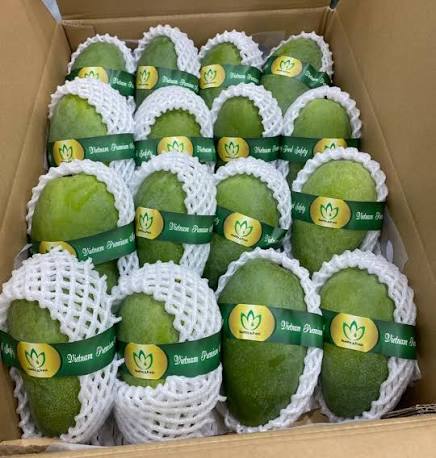
One of the notable advancements in Vietnam's vegetable industry is the development of innovative packaging solutions that help preserve the quality and freshness of produce during transportation. This is particularly important as vegetables are perishable goods that require meticulous handling to ensure they reach consumers in optimal condition. Consequently, the role of packaging cannot be overstated in maintaining the integrity of vegetables from farm to table. For example, vacuum packaging and modified atmosphere packaging are increasingly used to extend the shelf life of products.
Another significant development has been the establishment of cold chain infrastructure. This infrastructure is essential for the storage and transportation of perishable goods, ensuring that products like leafy greens and root vegetables remain fresh throughout the supply chain. The expansion of cold chain logistics across Vietnam has been transformative, enabling the country to meet the rigorous quality standards demanded by international markets. Companies like ABA Cooltrans are leading the way by providing state-of-the-art cold storage solutions and refrigerated transportation services, which are crucial for maintaining the freshness of exports.
Vietnam's vegetable industry is further distinguished by its ability to provide a stable and year-round supply of fresh produce. Due to its diverse climatic regions, the country can cultivate a wide range of vegetables throughout the year. This ensures a consistent supply chain capable of meeting global demands without seasonal disruptions. The capacity to offer a steady supply of vegetables is a notable advantage for Vietnam, establishing the country as a dependable partner for international buyers.
Reasons to Source Vegetables from Vietnam
Several compelling reasons exist for sourcing vegetables from Vietnam. Foremost among them is the country's dedication to maintaining low chemical residue standards. As global consumers grow more health-conscious, the demand for produce with minimal chemical residues increases. Vietnam's adherence to stringent agricultural practices ensures that its vegetables meet these expectations, making them a preferred choice for health-conscious markets. Additionally, the increasing use of organic farming techniques further enhances the appeal of Vietnamese produce.
Additionally, Vietnam excels in logistics, particularly with its fast farm-to-port logistics. The country has made significant investments in infrastructure improvements, allowing for rapid transportation of goods from farms to ports. This efficiency not only preserves the freshness of the vegetables but also reduces transit times, which is crucial for perishable goods. The ability to transport produce quickly and efficiently is a critical factor in maintaining the quality of exports.
Competitive export pricing is another key factor that makes Vietnam an attractive source for vegetables. The combination of low labor costs and efficient logistics systems enables Vietnamese exporters to offer their products at prices that are attractive to international buyers. This competitive pricing does not come at the expense of quality, making Vietnamese vegetables a cost-effective choice for importers. Furthermore, the impact of free trade agreements (FTAs) cannot be overlooked. These agreements have significantly reduced or eliminated tariffs on exported vegetables to various countries, enhancing the competitiveness of Vietnamese products on the global stage.
Strategic free trade agreements have further improved market access for Vietnam's vegetable exports. Agreements like the Comprehensive and Progressive Agreement for Trans-Pacific Partnership (CPTPP) and the EU-Vietnam Free Trade Agreement (EVFTA) have reduced tariffs and created new opportunities for Vietnamese vegetable exporters. These agreements not only facilitate easier access to key markets but also boost the competitiveness of Vietnamese products on the global stage.
"Vietnam's strategic location and commitment to quality make it an ideal partner for vegetable importers worldwide."
Diverse Vegetable Supply Across Regions
Vietnam's vegetable industry is characterized by its diverse regional specializations, each contributing unique produce that caters to both domestic and international markets. This geographical diversity is a key strength for any Vietnam Vegetable Exporter looking to leverage the country's agricultural potential.
In the Central Highlands, Lam Dong province stands out as a major hub for temperate vegetables. The cooler climate of this region is ideal for cultivating crops like cabbage, lettuce, and carrots, which require specific temperature conditions to thrive. This specialization not only supports local economies but also ensures a steady supply of these vegetables throughout the year, meeting both domestic demand and export requirements.
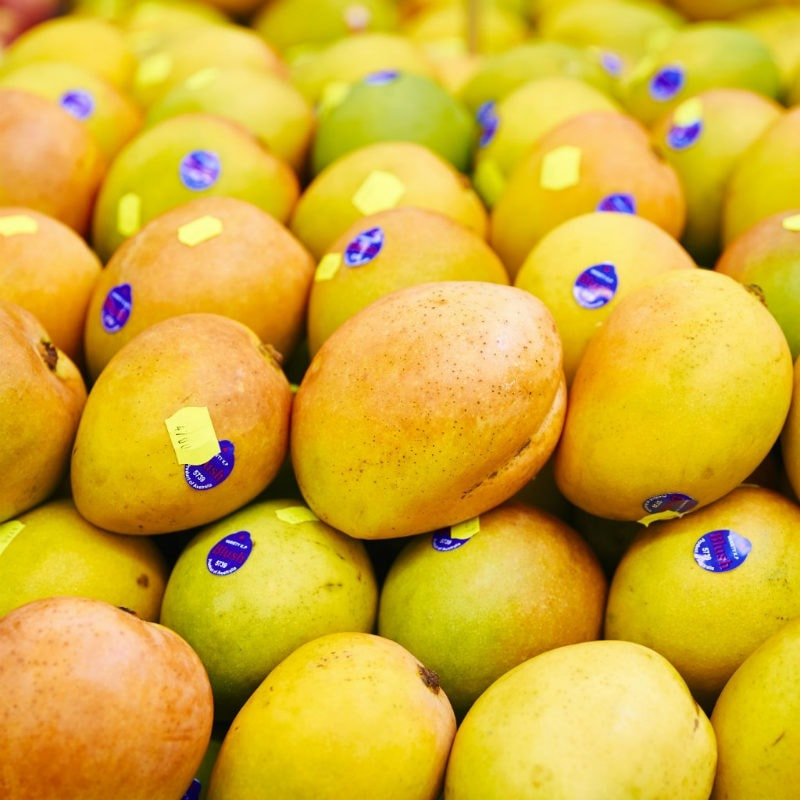
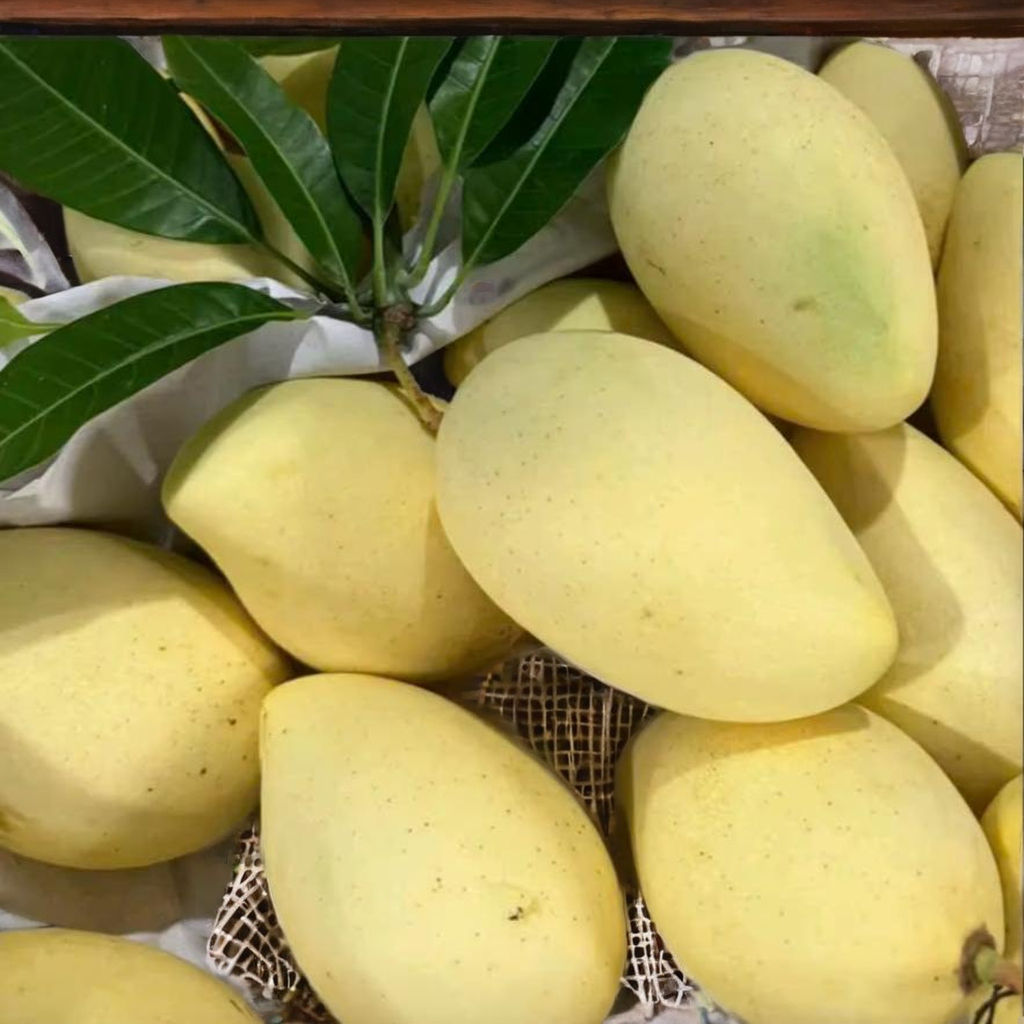
Moving to the south, Tien Giang province in the Mekong Delta is renowned for its tropical produce. The fertile soil and abundant water supply of the delta create perfect conditions for growing a wide range of fruits and vegetables such as dragon fruit, mangoes, and watermelons. This region's focus on tropical agriculture provides a distinct advantage in supplying exotic produce to international markets where such fruits are in demand.
In the north, the Red River Delta offers a varied agricultural output, benefiting from an alluvial plain that supports diverse crop cultivation. This region produces a mix of vegetables and grains, contributing significantly to Vietnam's overall agricultural output. The diversity in the Red River Delta not only bolsters food security but also enhances the country's export portfolio by offering a wide variety of products.
"The strategic geographical distribution of vegetable production across Vietnam's regions ensures a robust and diverse supply chain that can adapt to various market demands."
These regional specializations highlight the importance of understanding Vietnam's agricultural landscape for any potential importer. By tapping into the strengths of each region, exporters can provide a wide range of high-quality products, making Vietnam a compelling choice for sourcing vegetables globally.
Quality Assurance in Vietnamese Vegetable Exports
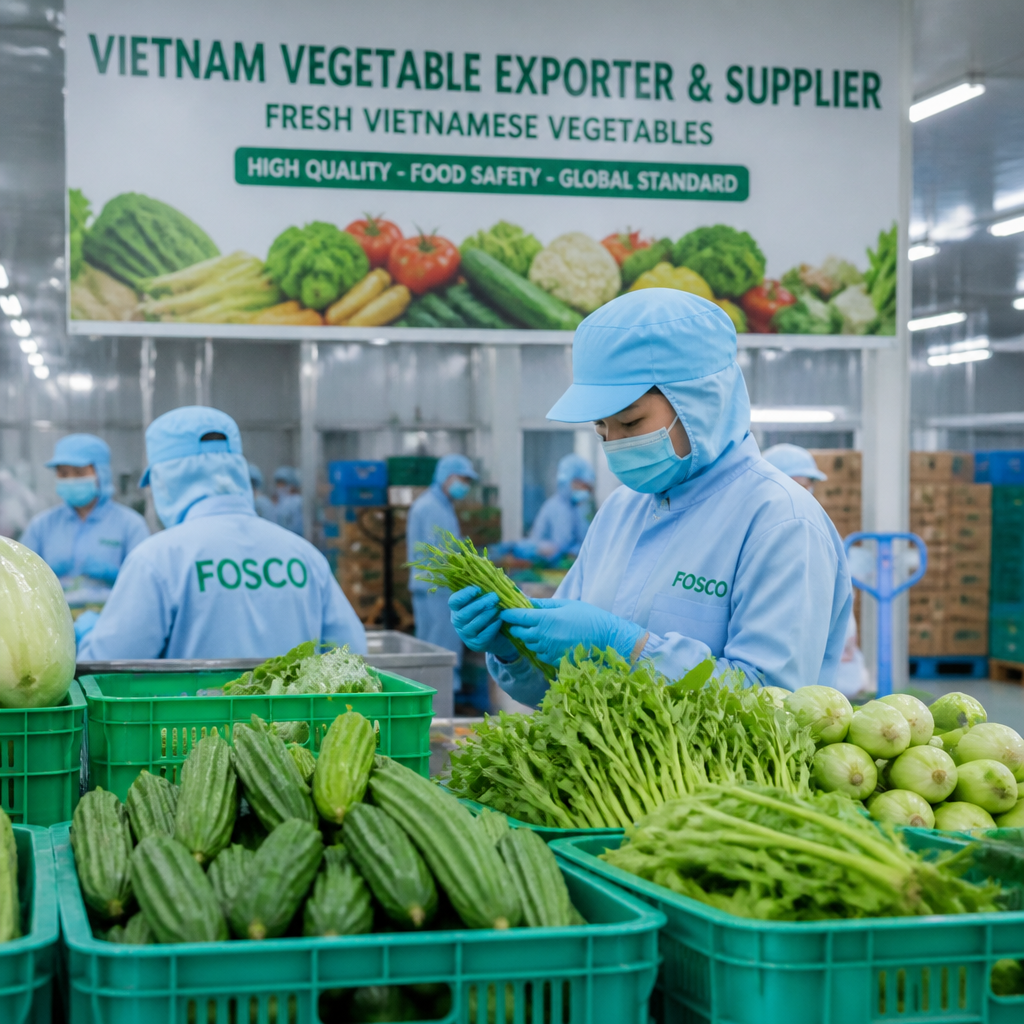
As Vietnam continues to establish itself as a leading Vietnam Vegetable Exporter, adhering to international standards becomes crucial for maintaining market competitiveness. The country's commitment to quality assurance is reflected in its adherence to globally recognized certifications such as GLOBAL GAP, HACCP, and ISO 22000:2018. These certifications are not mere formalities; they are essential benchmarks that ensure the quality, freshness, and safety of Vietnamese vegetables on the global stage.
GLOBAL GAP, for instance, is an internationally recognized set of farm standards dedicated to Good Agricultural Practices (GAP). By complying with these standards, Vietnamese vegetable exporters demonstrate their commitment to sustainable farming and food safety, which is increasingly demanded by consumers worldwide. This adherence not only builds trust with international buyers but also opens doors to new markets that require stringent quality checks.
Similarly, the implementation of HACCP (Hazard Analysis and Critical Control Points) is pivotal in identifying and managing food safety risks. This systematic preventive approach ensures that vegetables exported from Vietnam are free from hazards that could compromise consumer health. By integrating HACCP into their operations, Vietnamese exporters can assure their international clients of the high safety standards maintained throughout the supply chain.
The ISO 22000:2018 certification further underscores Vietnam's dedication to food safety management systems. This certification is a testament to the country's ability to control food safety hazards and ensure that food is safe at the time of human consumption. For international markets, this level of assurance is invaluable, as it guarantees that the products meet global safety standards.
"Certifications like GLOBAL GAP, HACCP, and ISO 22000:2018 are not just about compliance; they are about building a reputation for quality and safety that can stand up to international scrutiny."
In a highly competitive global market, these certifications are more than just badges of honor; they are critical tools that enhance the marketability of Vietnamese vegetables. They provide a competitive edge, enabling exporters to differentiate their products based on quality and safety—key priorities for consumers around the world. By prioritizing these aspects, Vietnam not only safeguards its reputation but also strengthens its position as a reliable source of fresh and safe vegetables.
Infrastructure and Logistics Enhancements
Vietnam's vegetable export industry has been undergoing significant transformations, particularly in the realm of logistics and infrastructure. A key development in this area is the expansion of cold chain logistics across the country. This expansion is pivotal for maintaining the quality and freshness of perishable goods such as seafood, fruits, and vegetables, which are integral to Vietnam's export portfolio.
The cold chain logistics system involves a series of temperature-controlled environments that are crucial for the storage and transportation of perishable items. In recent years, Vietnam has seen substantial investments in temperature-controlled storage and transport facilities. These investments are not only enhancing the capacity to handle larger volumes of produce but are also improving the efficiency and reliability of supply chains.
For instance, companies like ABA Cooltrans have been at the forefront of this logistical revolution, providing state-of-the-art cold storage solutions and refrigerated transportation services. These advancements ensure that products remain fresh from the point of harvest to their final destination, thereby reducing spoilage and increasing the shelf life of exports.
"The development of cold chain logistics is crucial for Vietnam to maintain its competitive edge in exporting perishable goods," notes a report from the Vietnam Logistics Association.
Such enhancements are particularly crucial for Vietnam Vegetable Exporters, as they allow for the successful penetration of demanding international markets where quality and freshness are non-negotiable. The ability to export high-quality produce efficiently positions Vietnam as a formidable player in the global vegetable market, meeting the growing demand for fresh produce worldwide.
Key Export Markets for Vietnamese Vegetables
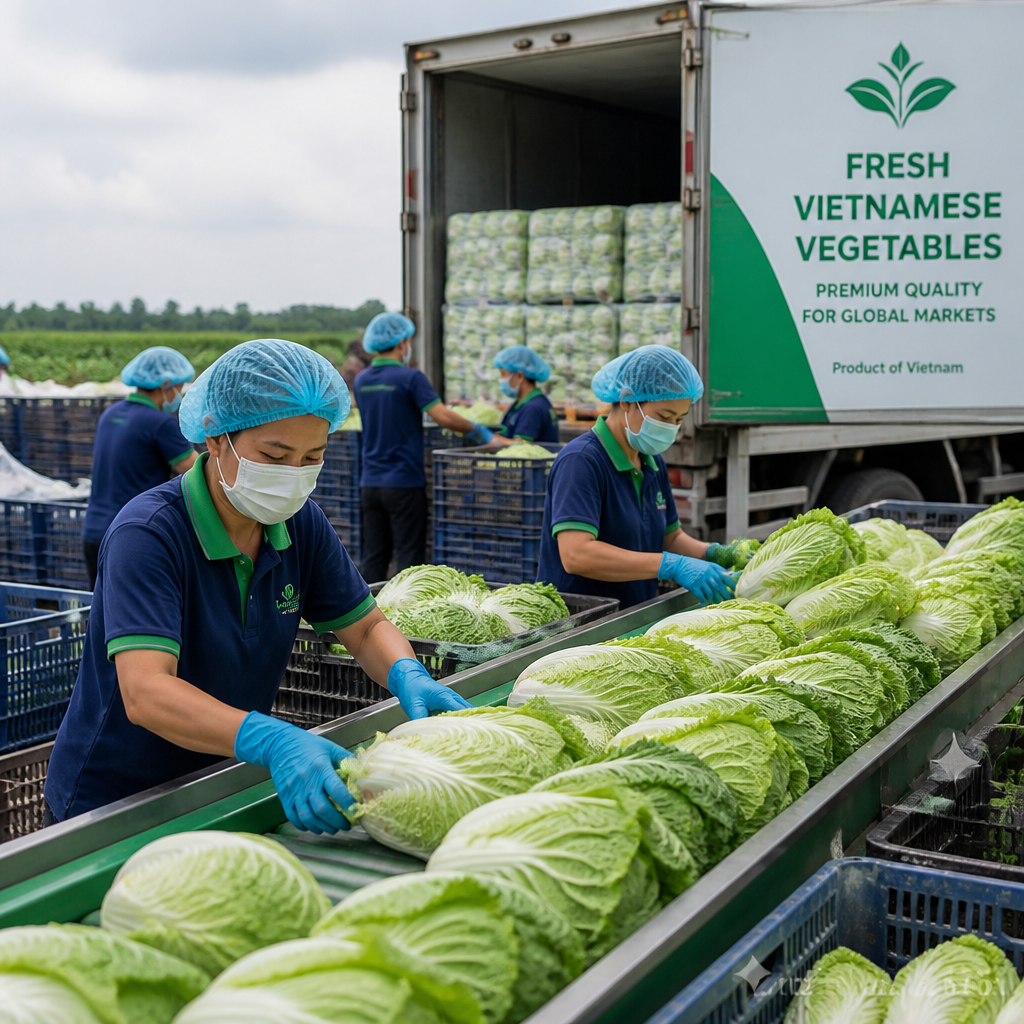
Vietnam has established itself as a significant player in the global vegetable export market, with several key countries serving as major importers of its produce. Among these, China stands out as the largest importer of Vietnamese vegetables. This is largely due to geographical proximity and strong trade relations, which facilitate efficient logistics and reduced transportation costs. The demand for Vietnamese vegetables in China continues to grow, driven by the increasing consumer preference for diverse and high-quality produce.
Beyond China, Vietnam exports a substantial volume of vegetables to the United States, South Korea, and Thailand. The U.S. market, recognized for its stringent quality standards, presents both a challenge and an opportunity for Vietnamese exporters. By meeting these high standards, Vietnamese vegetables can command premium prices, thereby enhancing the profitability of exports to this lucrative market.
South Korea and Thailand are also notable markets for Vietnamese vegetables. The cultural and culinary ties between these countries and Vietnam encourage a steady demand for familiar produce. Moreover, the strategic location of Vietnam in Southeast Asia allows for quick and cost-effective transportation to these neighboring countries.
Vietnam's capacity to penetrate these diverse markets is further strengthened by free trade agreements (FTAs). These agreements have been instrumental in reducing tariffs, thereby enhancing the competitiveness of Vietnamese vegetables in the global market. For example, the ASEAN Free Trade Area (AFTA) and the Comprehensive and Progressive Agreement for Trans-Pacific Partnership (CPTPP) offer Vietnamese exporters preferential access to key markets, reducing barriers and fostering increased trade flows.
"Free trade agreements have significantly boosted Vietnam's vegetable export potential by providing tariff reductions and enhancing market competitiveness."
Overall, the combination of strategic market selection, adherence to international quality standards, and the advantages provided by FTAs positions Vietnam as a formidable exporter in the global vegetable market. These elements not only open new opportunities for growth but also reinforce Vietnam's reputation as a reliable supplier of fresh and high-quality vegetables.
Cost Considerations for Importing Vietnamese Vegetables
When considering the importation of vegetables from Vietnam, several cost factors come into play that make this endeavor economically attractive. Among these, the most significant element is the competitive pricing enabled by Vietnam's low labor costs. The agricultural sector in Vietnam benefits from a vast labor force that is relatively inexpensive compared to other countries. This advantage allows Vietnamese vegetable exporters to offer their products at more competitive prices, making them an appealing choice for international buyers.
Moreover, efficient logistics play a crucial role in enhancing the price competitiveness of Vietnamese vegetables. The development of infrastructure, especially in logistics, has been a focus for Vietnam, facilitating faster and more cost-effective transportation of goods. This efficiency not only reduces the time vegetables spend in transit, maintaining their freshness, but also cuts down on transportation costs, further lowering the overall cost for importers.
Additionally, the impact of free trade agreements (FTAs) cannot be overlooked when discussing cost efficiency. Vietnam has entered into numerous FTAs, which have significantly reduced or eliminated tariffs on exported vegetables to various countries. For instance, agreements like the Comprehensive and Progressive Agreement for Trans-Pacific Partnership (CPTPP) and the EU-Vietnam Free Trade Agreement (EVFTA) have opened up new markets and reduced costs for importers, making Vietnamese vegetables even more competitively priced on the global stage.
"The convergence of low labor costs, efficient logistics, and strategic free trade agreements positions Vietnam as a formidable player in the global vegetable export market."
In summary, the combination of low labor costs, efficient logistics, and the strategic advantages provided by free trade agreements makes importing Vietnamese vegetables a cost-effective option for many international markets. These factors not only ensure competitive pricing but also contribute to the reliability and quality of the products delivered, solidifying Vietnam's reputation as a leading vegetable exporter.