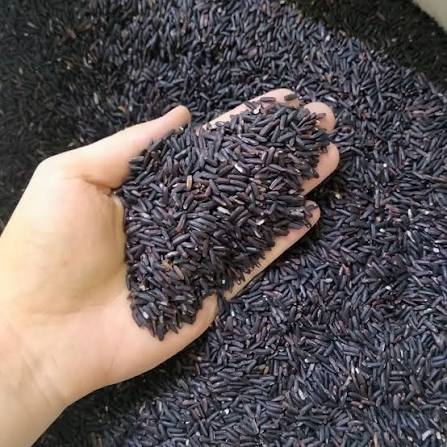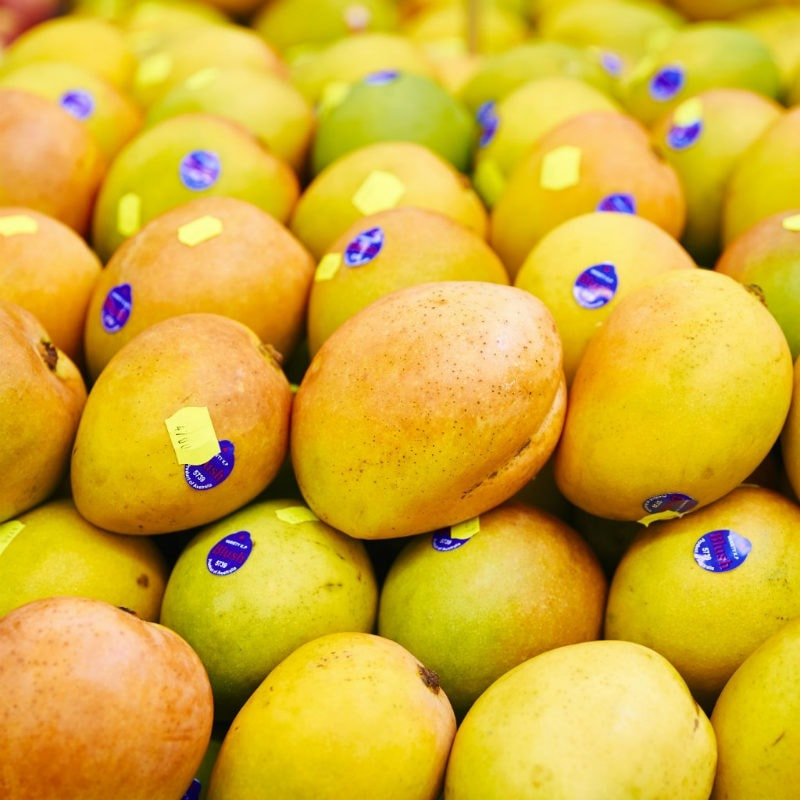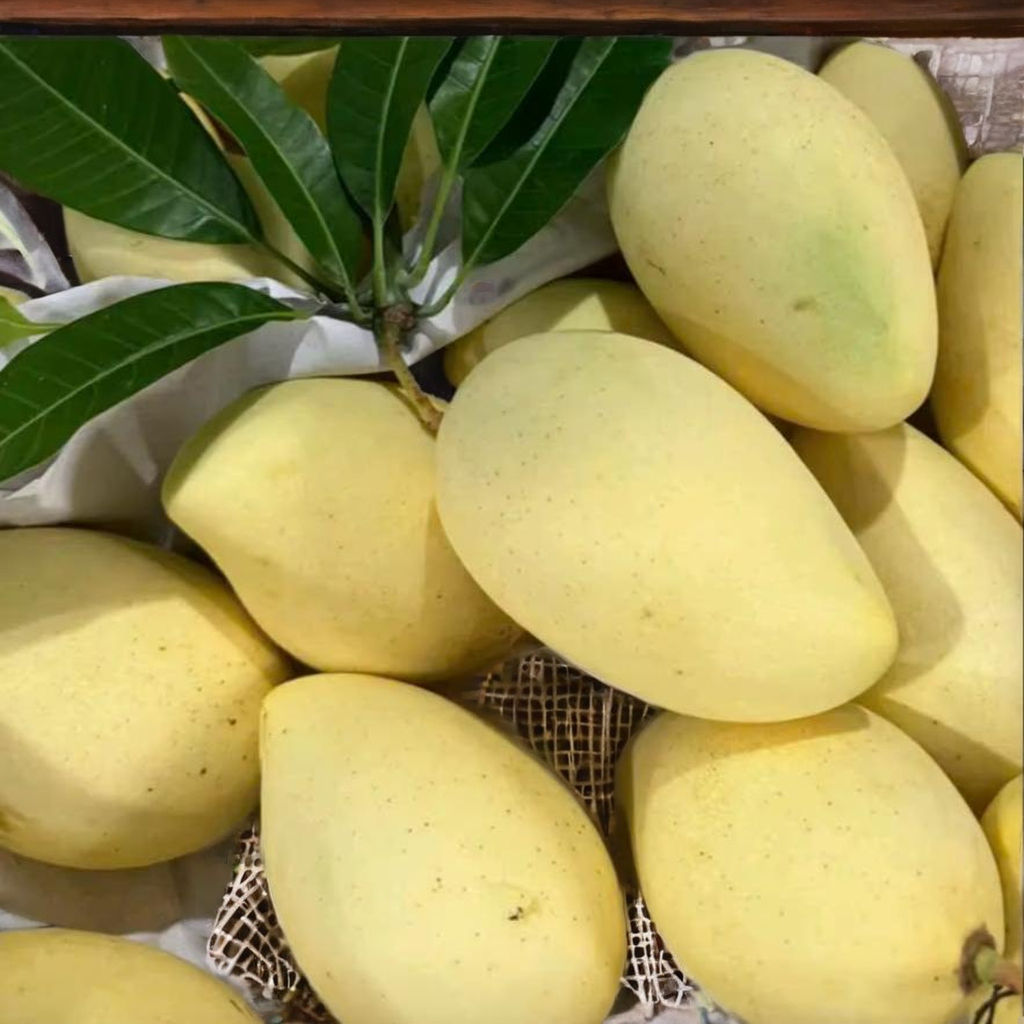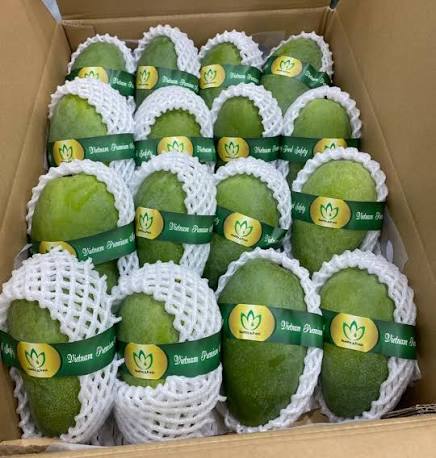
Vietnam Tamarind Exporter offers high-quality tamarind in various forms, meeting growing global demand while ensuring freshness and unique flavor for culinary and medicinal uses.
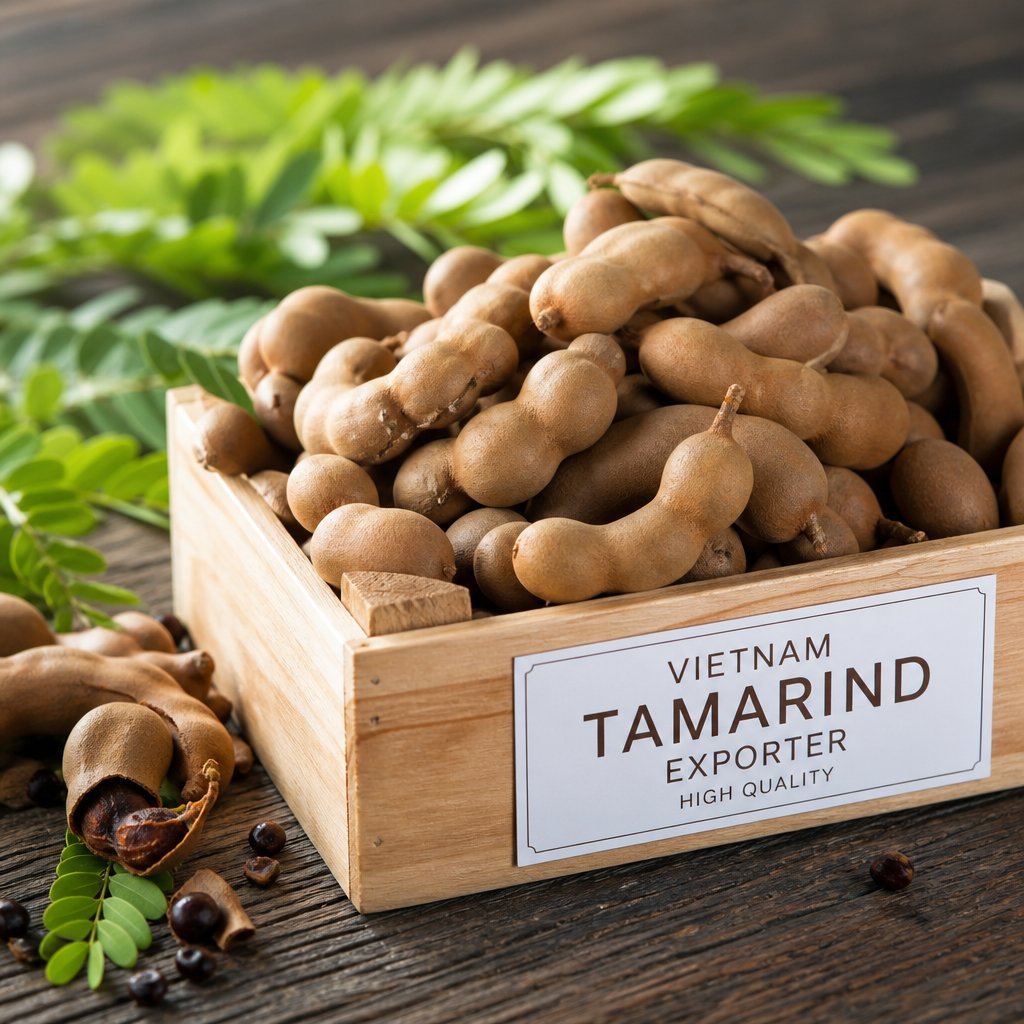
Vietnam is widely recognized for its substantial export of tamarind, which is available in several forms such as fresh, dried, tamarind pulp, and seedless tamarind. These products are often packaged in bulk and shipped to various regions, including Asia, Europe, and North America. The adaptability of tamarind in its multiple forms makes it a highly valuable commodity across different sectors. Fresh tamarind is particularly prized for its natural tanginess, while dried tamarind and tamarind pulp are favored for their longer shelf life and convenience in culinary applications. Seedless tamarind offers a hassle-free experience for consumers, particularly when preparing beverages and sauces.
The acidity of tamarind is especially esteemed in culinary circles. It serves as a natural souring agent in numerous traditional dishes, enhancing flavors and providing depth to recipes. This characteristic makes it an indispensable ingredient in a wide array of cuisines, from the tangy curries of India to the refreshing tamarind drinks popular in Latin America. Tamarind's unique flavor profile extends beyond food; its acidity is also a key component in crafting certain beverages, offering a refreshing and tangy taste that appeals to many palates.
Beyond its culinary uses, tamarind holds a significant place in traditional medicine. Its natural compounds are believed to offer various health benefits, such as aiding digestion and providing relief from certain ailments. This dual role in both food and medicine increases its demand and highlights the importance of tamarind as a versatile agricultural product. Furthermore, tamarind is rich in antioxidants, which are known to help in reducing inflammation and protecting against chronic diseases, adding to its appeal in the health-conscious market.
The diverse forms and uses of tamarind underscore its significance as a global commodity. Vietnam not only meets the culinary needs of various international markets but also taps into the growing interest in natural and traditional remedies. This multifaceted appeal of tamarind ensures its continued relevance and demand across different regions and sectors.
Challenges in the Current Tamarind Market
The tamarind market is currently facing several significant challenges that threaten its growth and sustainability. Among these, issues related to packaging, transportation, and the availability of information on Vietnamese exporters are particularly noteworthy.
Firstly, packaging issues present a major concern. Tamarind is a product that is highly sensitive to environmental conditions, and improper packaging can severely affect its freshness and quality. This is especially problematic when tamarind is exported to distant markets, where it may be subjected to varying temperatures and humidity levels. The lack of adequate packaging solutions means that the tamarind may arrive at its destination in a less than optimal state, potentially leading to reduced consumer satisfaction and decreased sales. Advanced packaging methods, such as vacuum sealing and the use of moisture-proof materials, could significantly enhance the product's shelf life and maintain its quality during transit.
Secondly, the transportation hurdles pose a significant challenge. The logistics of transporting tamarind from Vietnam to international markets can be complex and costly. These hurdles include not only the physical transportation but also the bureaucratic processes involved in exporting goods. Delays in shipping can lead to spoilage, especially for fresh tamarind, which has a limited shelf life. Moreover, the current global supply chain disruptions, exacerbated by the COVID-19 pandemic, have further complicated these logistics, making timely delivery even more difficult. Implementing cold chain logistics could be a potential solution to maintain the freshness of tamarind during transportation.
Another critical issue is the limited information on Vietnamese exporters. Despite Vietnam being a significant producer of tamarind, there is a lack of comprehensive and accessible information about its exporters. This scarcity of information can deter potential international buyers who are looking for reliable suppliers. The absence of detailed exporter profiles, including their capabilities, certifications, and past performance, makes it challenging for buyers to make informed decisions. This information gap can hinder the growth of Vietnam's tamarind exports by limiting the country's visibility and competitiveness in the global market.
Addressing these challenges is crucial for Vietnam to strengthen its position as a leading tamarind exporter. Improvements in packaging technology, streamlined transportation logistics, and better information dissemination about Vietnamese exporters could significantly enhance the market's prospects. These efforts are crucial for Vietnam to meet the increasing global demand for tamarind while maintaining the quality and reliability expected by international buyers.
Future Prospects for Tamarind
The future for Vietnam's tamarind industry appears promising, with several key factors pointing towards significant growth and expansion. One of the most notable prospects is the potential for bulk export. As global demand for tamarind increases, Vietnam stands to benefit as a major supplier. The ability to export tamarind in bulk quantities could significantly enhance Vietnam's position in the global market, offering competitive pricing and consistent quality that appeals to large-scale buyers.
Moreover, the market for tamarind is expanding beyond traditional boundaries, with Asia, Europe, and North America emerging as key regions of interest. In Asia, tamarind is already a staple in many cuisines, but its use is spreading as culinary trends evolve. In Europe and North America, the growing interest in exotic and natural ingredients presents a lucrative opportunity for tamarind exporters. These regions are increasingly incorporating tamarind into both traditional dishes and innovative culinary creations, driving demand further.
The increased demand in the culinary and medicinal sectors is another significant factor contributing to the positive outlook for tamarind. In the culinary world, tamarind's unique flavor profile makes it a sought-after ingredient in a variety of dishes, sauces, and beverages. Its versatility and distinctive taste are highly valued by chefs and food enthusiasts alike. In the medicinal sector, tamarind is gaining recognition for its health benefits, including its antioxidant properties and potential to aid digestion. As consumers become more health-conscious, the demand for natural and beneficial ingredients like tamarind is expected to rise. This trend offers Vietnam tamarind exporters a chance to expand into both culinary and wellness markets, further solidifying their global presence.
Overall, the future prospects for tamarind from Vietnam are bright, with the potential for substantial growth in both existing and new markets. By capitalizing on these opportunities, Vietnam can strengthen its position as a leading tamarind exporter, meeting the diverse needs of consumers worldwide.
Strategies for Improving Tamarind Export
As Vietnam seeks to strengthen its position as a leading tamarind exporter, several key strategies must be implemented to enhance the quality and competitiveness of its exports. These strategies focus on improving packaging, ensuring freshness during transportation, and building robust relationships with international markets.
- 💡 Focus on Quality Packaging: Packaging plays a crucial role in maintaining the quality and shelf life of tamarind products. By investing in advanced packaging technologies, such as vacuum sealing and moisture-proof materials, exporters can significantly reduce spoilage and extend the freshness of the product. This not only helps in preserving the natural taste and nutritional value of tamarind but also enhances its appeal in international markets. Companies like Vietnam Tamarind Exporter can leverage these technologies to differentiate their products and meet global quality standards.
- 💡 Ensuring Freshness During Transportation: The transportation phase is critical in maintaining the freshness of tamarind. Implementing cold chain logistics can be a game-changer, as it helps in controlling the temperature and humidity levels during transit. This is particularly important for fresh tamarind, which is highly perishable. By adopting refrigerated containers and real-time tracking systems, exporters can ensure that their products reach international markets in optimal condition, thereby reducing losses and enhancing customer satisfaction.
- 💡 Building Relationships with International Markets: Establishing strong relationships with buyers and distributors in international markets is essential for expanding Vietnam's tamarind export footprint. This involves participating in international trade fairs, understanding market needs, and adapting products accordingly. For instance, tailoring packaging sizes and product forms to suit different market preferences can significantly boost acceptance. Additionally, forging partnerships with reputable distributors can facilitate smoother market entry and increase brand recognition.
"Investing in quality packaging and logistics not only enhances product appeal but also opens doors to new markets," says an industry expert from the Vietnam Chamber of Commerce and Industry.
By focusing on these strategic areas, Vietnam can not only overcome existing challenges but also position itself as a competitive player in the global tamarind market. These efforts are crucial as the country looks to tap into the growing demand for tamarind in culinary and medicinal sectors across Asia, Europe, and North America.
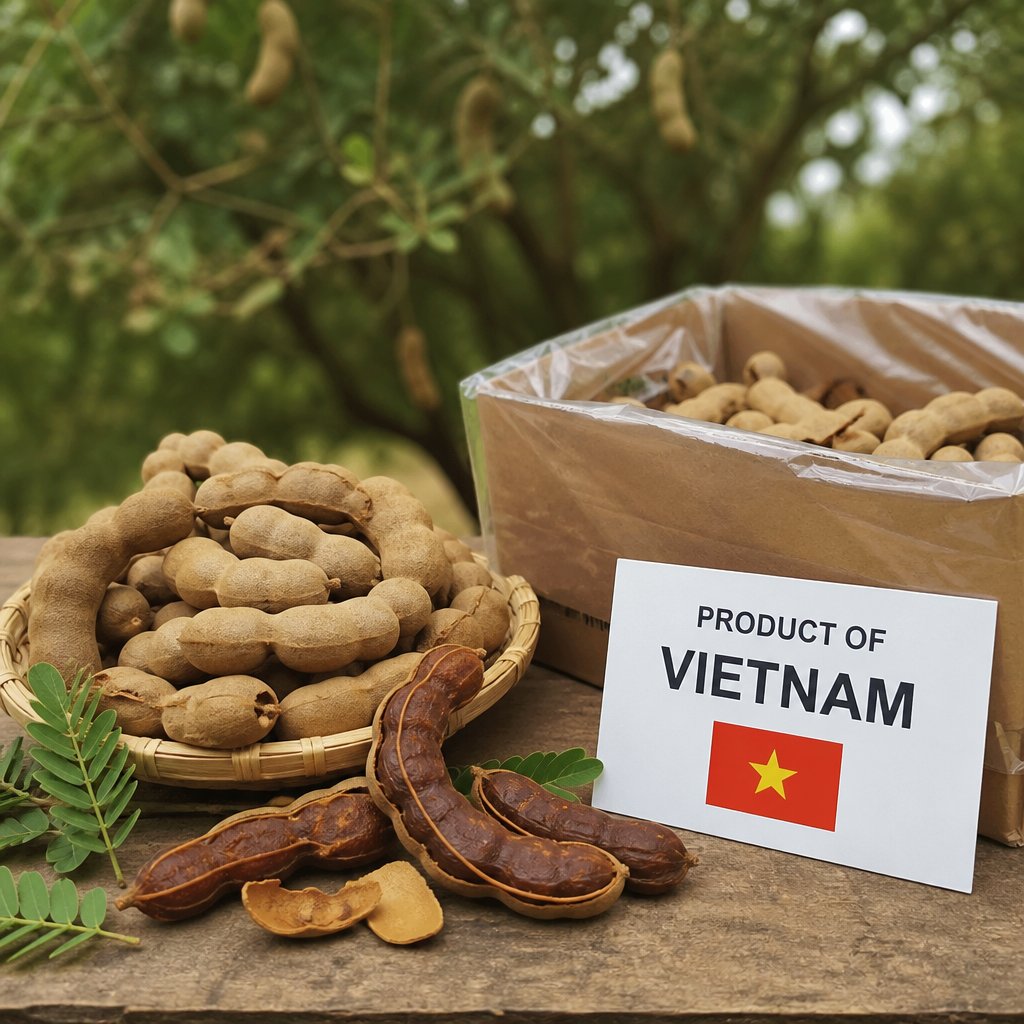
Strengthening Vietnam's Position in the Tamarind Market
As Vietnam continues to establish itself as a prominent player in the global tamarind market, several strategic initiatives are being implemented to bolster its competitive edge. Key among these are enhancing supply chain efficiency, government support for exporters, and promoting the unique qualities of Vietnamese tamarind. These efforts are crucial in transitioning Vietnam from a promising contender to a leading force in the tamarind industry.
One of the primary strategies involves enhancing supply chain efficiency. By streamlining processes from harvesting to distribution, Vietnam Tamarind Exporter aims to reduce costs and improve the speed at which products reach international markets. This includes investing in modern logistics technologies and training for workers to minimize delays and ensure the freshness of the tamarind. Such improvements not only reduce waste but also enhance the overall quality of the product delivered to consumers.
Another pivotal factor is government support for exporters. The Vietnamese government has recognized the potential of tamarind as a valuable export and has introduced various incentives to support exporters. These include tax breaks, subsidies for modernizing agricultural practices, and funding for research into more efficient farming techniques. Such support not only alleviates financial burdens on producers but also encourages innovation and sustainability in tamarind cultivation.
Furthermore, there is a concerted effort to promote the unique qualities of Vietnamese tamarind. Unlike tamarind from other regions, Vietnamese tamarind is noted for its distinctive flavor profile, which is both tangy and sweet, making it highly versatile in culinary applications. Marketing campaigns are being launched to highlight these unique characteristics, targeting chefs and food manufacturers across Asia, Europe, and North America. By establishing a strong brand identity, Vietnam can differentiate its tamarind from competitors and command higher market prices.
"Vietnam's tamarind industry is poised for significant growth, driven by strategic enhancements in supply chain efficiency and robust government support," said a spokesperson from the Ministry of Agriculture and Rural Development.
Vietnam's proactive measures in enhancing supply chain efficiency, leveraging government support, and promoting the distinctive qualities of its tamarind are setting the stage for a stronger presence in the global market. These efforts promise to increase the country's export revenues and position Vietnam as a leader in the tamarind industry, meeting the growing demand across various sectors worldwide.