Vietnam SVR Rubber Exporter offers high-quality Standard Vietnamese Rubber, essential for industries like automotive and construction, ensuring competitive pricing and compliance with international standards.
The audience interested in SVR rubber is diverse, encompassing a range of professionals and businesses with varying needs and priorities. At the forefront are professionals within the rubber industry itself. These individuals, often with specialized knowledge and experience, are crucial players in the production, quality control, and innovation of rubber products. Their insights and expertise drive advancements in SVR rubber, ensuring it meets the stringent demands of both domestic and international markets.
Equally important are the target buyers and suppliers of industrial rubber. These stakeholders are pivotal in the supply chain, facilitating the exchange of raw materials and finished products. Buyers, often representing manufacturing companies, seek reliable suppliers who can provide consistent quality at competitive prices. Suppliers, on the other hand, are tasked with maintaining high standards of production and delivery to satisfy their clients’ requirements. This dynamic interaction underscores the importance of Vietnam SVR Rubber Exporters in bridging the gap between supply and demand.
Additionally, SVR rubber is crucial for businesses engaged in manufacturing and export. Industries such as automotive, construction, and consumer goods depend significantly on high-quality rubber for their products. Sourcing SVR rubber that meets international standards is essential for these companies, as it affects product performance and market competitiveness. Therefore, understanding the audience interested in SVR rubber involves not only identifying key players but also recognizing the broader economic impact on industries that rely on this vital material.
Recognizing the Needs and Challenges in Rubber Procurement
The procurement of rubber, especially in the form of Standard Vietnamese Rubber (SVR), is a complex process that demands strict adherence to quality standards. The rubber industry is highly dependent on quality benchmarks to ensure that products meet the necessary performance and safety requirements. This is particularly crucial in sectors such as automotive and industrial manufacturing, where the reliability of rubber components can significantly impact overall product quality and safety.
One of the primary challenges in sourcing rubber is finding reliable suppliers who consistently meet these quality standards. The market is rife with variability, and not all suppliers adhere to the same levels of quality control. For instance, SVR rubber must comply with stringent international standards such as ISO 9001, which outlines the criteria for a quality management system. Compliance ensures that products are consistently high-quality and safe for use in various applications.
"The importance of compliance with international standards cannot be overstated, as it is a key factor in maintaining product integrity and customer trust."
Another significant challenge is ensuring that suppliers are not only compliant but also capable of delivering large quantities of rubber without compromising on quality. This is critical for businesses that rely on a steady supply of raw materials to maintain their production schedules. The ability to source rubber that meets international standards such as ASTM D2000, which specifies the classification of rubber materials, is essential for maintaining competitive advantage in the global market.
Ultimately, compliance with international standards in rubber procurement is crucial to meet end-user demands for high-quality products. The competitive nature of the rubber industry amplifies this need, as even minor quality discrepancies can result in substantial financial and reputational damage.
Technical Specifications and Quality Standards of SVR Rubber
In the realm of industrial rubber, Vietnam stands as a prominent exporter, particularly noted for its Standard Vietnamese Rubber (SVR) grades. These grades are crucial not only for their quality but also for their adaptability in various applications across the globe. The primary grades of SVR rubber include SVR 3L, SVR 10, and SVR 20, each possessing unique technical specifications and quality benchmarks that cater to different industrial needs.
SVR 3L is recognized for its high purity and light color, making it ideal for producing high-quality rubber products such as medical supplies and consumer goods. Its technical specifications include a dirt content of less than 0.03% and a nitrogen content below 0.06%, ensuring minimal impurities and superior elasticity.
On the other hand, SVR 10 and SVR 20 are more suited for manufacturing tires and other heavy-duty products due to their robust properties. SVR 10 has a dirt content of less than 0.05% and an ash content of less than 0.75%, offering a balance between cost-effectiveness and quality. SVR 20, while similar, allows for slightly higher dirt content, up to 0.10%, making it a cost-efficient choice for bulk production without compromising on essential quality standards.
"Vietnamese rubber exporters play a pivotal role in the global market, supplying over 1.5 million tons of rubber annually, which constitutes a significant portion of the world's natural rubber supply."
This significant contribution underscores the importance of Vietnamese rubber exporters in maintaining global supply chains. Their ability to adhere to international quality standards while offering competitive pricing makes them a preferred choice for many international buyers. The rigorous quality benchmarks set for SVR grades ensure that the rubber produced meets the demands of various industries, from automotive to consumer goods.
In conclusion, the technical specifications and quality standards of SVR rubber underscore the meticulous production processes and highlight Vietnam's strategic role as a leading exporter in the global rubber market. This ensures that businesses worldwide can depend on consistent quality and performance from Vietnamese SVR rubber suppliers.
Packaging and Transportation of SVR Rubber
The packaging and transportation of SVR rubber are crucial components in ensuring the material reaches its destination in optimal condition. Given the global demand for high-quality rubber, Vietnam SVR Rubber Exporters have refined these processes to meet international standards and customer expectations.
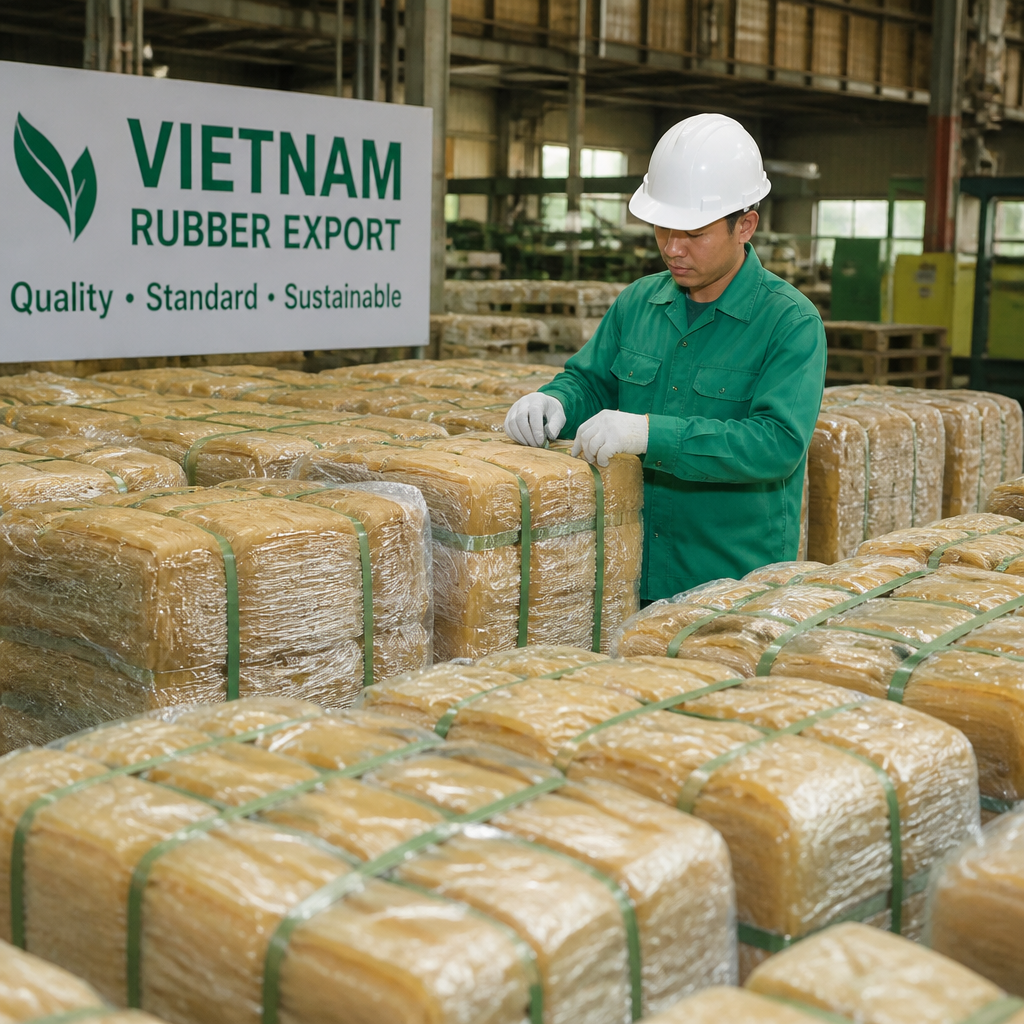
SVR rubber is typically packaged in bales wrapped in polyethylene. This packaging method is essential for protecting the rubber from environmental factors such as moisture and contamination during transit. Polyethylene wrapping not only provides a durable barrier but also facilitates easier handling and stacking, which is vital for maintaining the integrity of the rubber during storage and transportation.
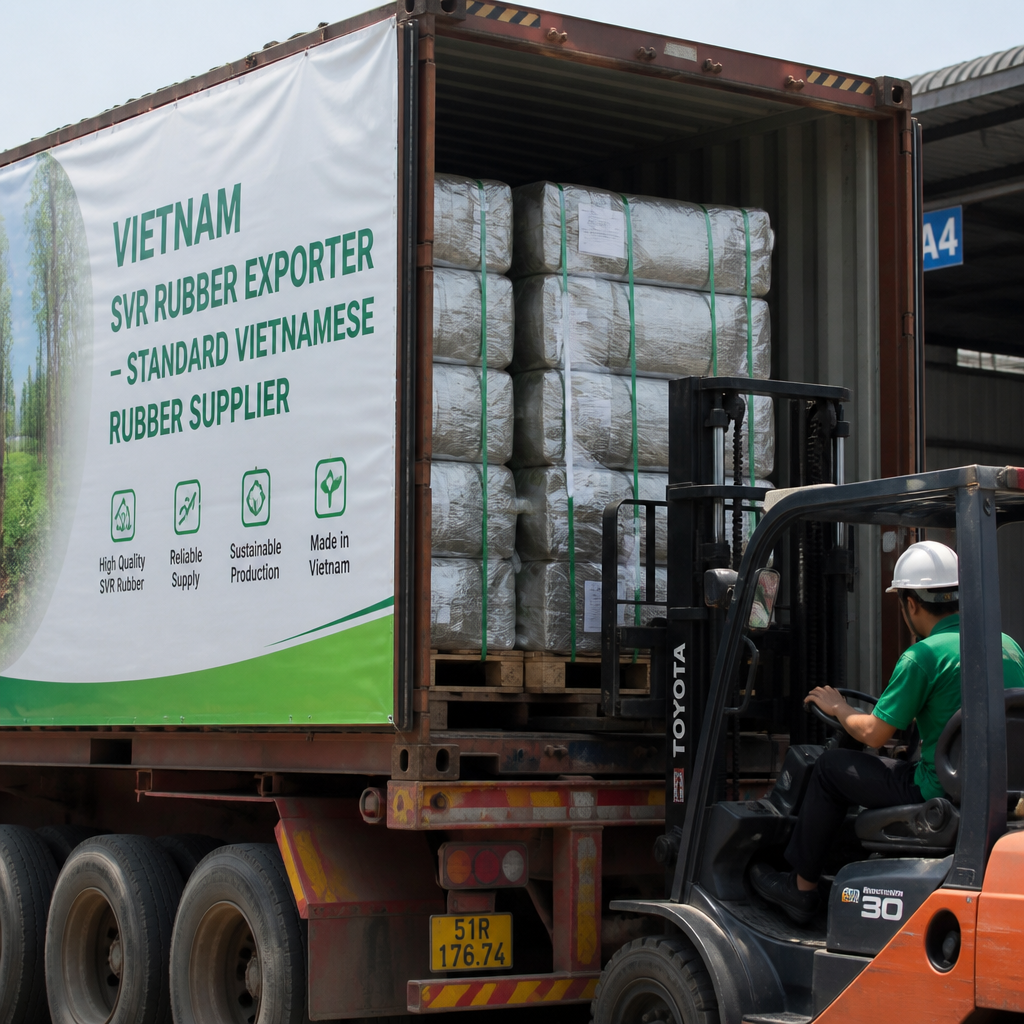
Once packaged, the efficient loading of these bales into containers is a key logistical step. By maximizing space within shipping containers, exporters can reduce transportation costs and minimize the carbon footprint of each shipment. This efficiency is achieved through strategic stacking and the use of modern loading equipment, ensuring that every container is filled to its optimal capacity without compromising the safety of the cargo.
Furthermore, Vietnam SVR Rubber Exporters employ several optimization strategies for international transport. These strategies include:
- 💡 Route Optimization: Selecting the most efficient shipping routes to minimize transit time and reduce costs.
- ⚡ Advanced Tracking Systems: Implementing technology to monitor the location and condition of shipments in real-time, providing transparency and reducing the risk of delays or losses.
- ✅ Collaboration with Reliable Freight Partners: Partnering with reputable logistics companies that have a proven track record in handling rubber products ensures that transportation is both efficient and secure.
These packaging and transportation practices not only enhance the reliability of SVR rubber shipments but also contribute to the global competitiveness of Vietnamese exporters. By continuously refining these processes, Vietnam SVR Rubber Exporters are better positioned to meet the demands of international markets, ensuring that their products arrive on time and in pristine condition.
Criteria for Selecting SVR Rubber Suppliers
When selecting a Vietnam SVR Rubber Exporter, buyers need to consider several critical factors to ensure they are partnering with a reliable supplier. These factors significantly influence purchasing decisions and can impact the quality and reliability of the rubber products received.
- ✅ Compliance: One of the foremost considerations is whether the supplier complies with international standards and regulations. This compliance ensures that the rubber products meet the necessary safety and quality benchmarks required in global markets. Industry standards such as ISO 9001 for quality management and ISO 14001 for environmental management are crucial certifications that suppliers should possess.
- 💲 Pricing: Competitive pricing is another vital factor. Buyers often compare prices among different suppliers to ensure they are getting the best value for their investment. However, it is essential to balance cost with quality, as lower prices may sometimes reflect compromises in product standards.
- 🔄 Reliability: The reliability of the supplier is paramount. This includes their ability to deliver products on time and their consistency in maintaining product quality. A supplier's track record can provide insights into their reliability. For instance, companies with a long history of successful partnerships and positive feedback from clients are typically more trustworthy.
The reputation and track record of a supplier play a critical role in the decision-making process. A supplier with a strong reputation is more likely to be trusted by buyers, as it indicates their commitment to quality and customer satisfaction. Historical performance data and customer reviews are valuable resources for assessing a supplier's reputation.
"A supplier's reputation is not just built on compliance and pricing, but on a consistent track record of delivering quality and reliability."
Furthermore, industry standards and certifications serve as benchmarks for evaluating potential suppliers. Certifications such as the ISO 9001 and ISO 14001 demonstrate a supplier's adherence to quality and environmental management practices, respectively. These certifications are not just formalities but are indicative of a supplier's commitment to maintaining high standards.
In conclusion, when selecting a Vietnam SVR Rubber Exporter, it is crucial to thoroughly evaluate these criteria to ensure a successful and beneficial partnership. By prioritizing compliance, pricing, reliability, and reputation, buyers can make informed decisions that align with their business needs and industry standards.
Stimulating Interest in SVR Rubber for Industrial Applications
Standard Vietnamese Rubber (SVR) has emerged as a vital component in various industrial applications, thanks to its versatile properties and high quality. The potential applications of SVR rubber span across multiple industries, making it a sought-after material for manufacturers and exporters alike. From automotive parts to consumer goods, SVR rubber is proving to be indispensable.
One of the primary advantages of using high-quality SVR rubber is its exceptional durability and resilience. These characteristics are crucial for industries such as automotive and aerospace, where materials must withstand extreme conditions. For instance, SVR rubber grades like SVR 3L, SVR 10, and SVR 20 are known for their high tensile strength and resistance to wear and tear, making them ideal for manufacturing tires, seals, and gaskets.
"With its superior elasticity and resistance to abrasion, SVR rubber is a preferred choice for manufacturers aiming to enhance product longevity and performance."
Moreover, SVR rubber's adherence to international quality standards ensures that it meets the stringent requirements of global markets. This reliability is a significant draw for industries seeking consistent and high-performing materials. The ability of Vietnamese rubber exporters to deliver SVR rubber that complies with these standards has positioned Vietnam as a key player in the global rubber market.
Case studies further illustrate the successful application of SVR rubber in industrial settings. For example, a major automotive manufacturer reported a significant reduction in production costs and an increase in product lifespan after switching to SVR rubber for their tire production. Similarly, a leading consumer goods company found that using SVR rubber in their products not only improved performance but also boosted customer satisfaction due to the enhanced quality.
These examples highlight the transformative impact of SVR rubber in industrial applications. As more industries realize the advantages of using high-quality SVR rubber in their manufacturing processes, demand for this versatile material is expected to increase. Vietnam SVR Rubber Exporters are well-prepared to meet this demand, providing a reliable supply of premium rubber that continues to attract interest across various sectors.
Guiding the Next Steps for Engaging with SVR Rubber Suppliers
For businesses looking to engage with Vietnam SVR Rubber Exporters, understanding the right approach is crucial. To effectively navigate the landscape of Vietnamese rubber suppliers, it is essential to consider several strategic steps that can facilitate successful partnerships.
- 💡 Approaching Vietnamese Rubber Suppliers: Initiating contact with Vietnamese suppliers involves understanding their business culture and communication style. Building relationships through initial meetings and discussions can set the foundation for trust and collaboration. It's beneficial to visit trade fairs and exhibitions in Vietnam, such as the Vietnam Rubber Association's annual events, to directly interact with suppliers and gain insights into their operations and offerings.
- 📚 Resources for Further Information: To deepen your understanding of the SVR rubber industry, accessing comprehensive industry reports can be invaluable. Reports from organizations like the International Rubber Study Group (IRSG) provide detailed data and analysis on market trends and forecasts. Additionally, establishing direct contact with industry experts and consultants can offer personalized guidance tailored to your specific business needs.
- 🚀 Steps to Ensure Alignment with Industry Requirements: Aligning your procurement processes with industry standards is critical. This involves verifying that suppliers comply with international quality certifications such as ISO 9001 and ISO 14001. Regular audits and assessments of supplier facilities can ensure adherence to environmental and quality management standards. Furthermore, maintaining open lines of communication with suppliers helps in addressing any compliance issues promptly and effectively.
"Engaging with Vietnam SVR Rubber Exporters requires not only understanding their market dynamics but also ensuring that your business practices align with global industry standards."
By following these steps, businesses can establish strong partnerships with Vietnamese rubber suppliers, ensuring a steady supply of quality SVR rubber that meets the demands of international markets.