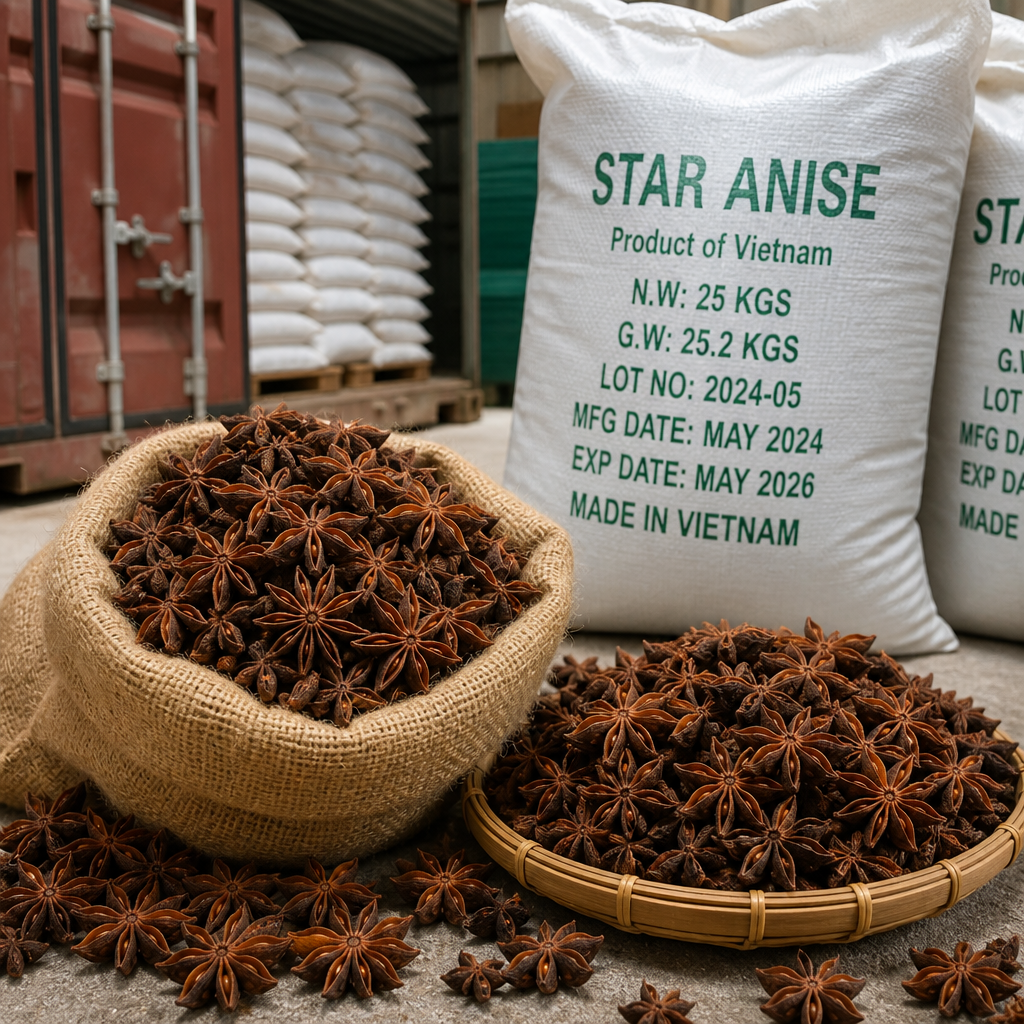
Discover the premium quality of Vietnam Star Anise Exporter, renowned for its unique flavor and aroma, vital in culinary traditions worldwide.
Vietnam's star anise is more than just a spice; it is a cultural emblem rooted deeply in the culinary traditions of the country. Originating from the lush regions of northern Vietnam and southern China, this aromatic spice thrives particularly in the provinces of Lang Son and Bac Kan. These areas are renowned for their optimal climate and soil conditions, which contribute to the superior quality of the star anise produced here.
The significance of star anise in Vietnamese culinary culture cannot be overstated. It is a staple ingredient in the famous pho broth, lending its distinctive licorice-like flavor to this beloved national dish. The spice's unique taste and aroma also enhance a variety of traditional recipes, making it indispensable in Vietnamese kitchens. This cultural importance, coupled with the spice's origin and quality, underscores Vietnam's standing as a prominent star anise exporter on the global stage.
Why Vietnam Star Anise Matters
Vietnam star anise holds a pivotal role in both culinary and global markets. Its unique flavor profile makes it an indispensable ingredient in a wide array of dishes and beverages, ranging from traditional Vietnamese pho to international cuisines that require a touch of exotic spice. This versatility has cemented its place in kitchens worldwide, contributing significantly to its high demand.
On the global stage, Vietnam stands out as a leading exporter, commanding a substantial 18.79% of the global market share. This dominance is a testament to the quality and appeal of Vietnamese star anise, which is sought after by chefs and food manufacturers across continents. The high demand is driven not only by its culinary uses but also by its applications in herbal medicine and aromatherapy, further broadening its market reach.
"Vietnam's star anise transcends its role as a mere spice, becoming an essential component that elevates the flavors of global cuisines, highlighting Vietnam's pivotal role in the spice trade."
Determinants of Star Anise Pricing
Pricing for star anise, a key agricultural product from Vietnam, is influenced by several critical factors. One of the most significant is the seasonal harvesting periods, with Spring and Autumn being the primary seasons. Spring harvests are often more sought after due to their superior quality, which naturally commands higher prices in the market.
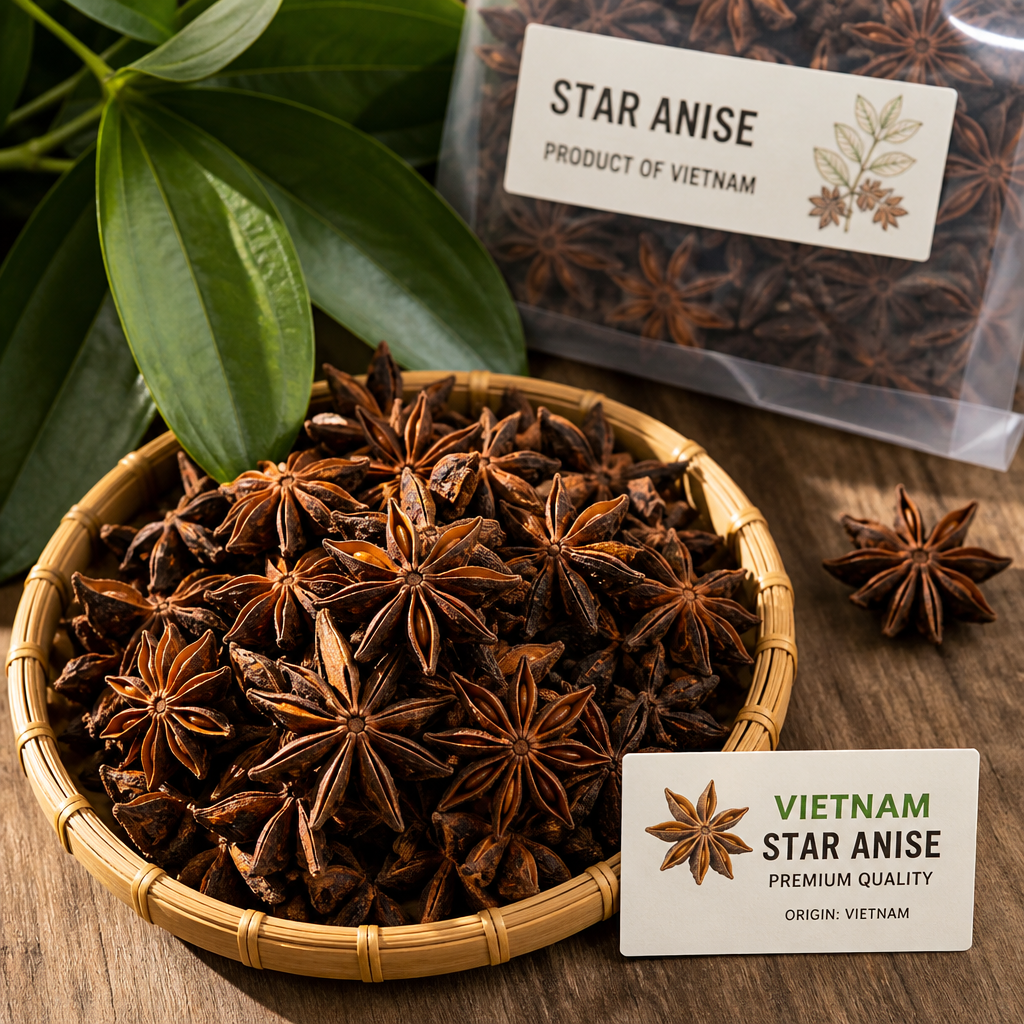
Another determinant is the quality grades of the star anise. The highest quality is attributed to whole star anise, which is meticulously selected to ensure that each piece is intact and free from impurities. This level of quality not only enhances the flavor and aroma but also boosts the pricing significantly.
The size of the star anise also plays a crucial role in pricing. Typically, star anise that measures 2 cm and up is considered more valuable. Larger sizes are preferred for their aesthetic appeal and ease of use in culinary applications, making them more expensive than smaller counterparts.
These factors collectively shape the pricing dynamics for star anise, positioning Vietnam as a leading exporter in the global market. Understanding these determinants is essential for stakeholders, from farmers to exporters, in navigating the competitive landscape.
The Priciest Star Anise Varieties
When it comes to star anise, not all varieties are created equal, particularly in terms of pricing. The most expensive form is the whole star anise, prized for its complete and aesthetically pleasing shape. This variety commands the highest prices due to its superior quality and the meticulous care required during harvesting and processing.
One of the key factors influencing the price of whole star anise is the timing of the harvest. The spring harvest is known to yield a better quality product, resulting in higher market prices. This is because the climate conditions during spring are optimal for the growth of star anise, leading to a more robust flavor and aroma.
Moreover, the quality of whole star anise is often judged by its intact petal shape and the absence of impurities. These characteristics are crucial for maintaining the spice's premium status. The intact petals not only enhance the visual appeal but also ensure that the essential oils, which contribute to the spice's distinctive flavor, are preserved.
"Spring-harvested whole star anise is considered the pinnacle of quality in the spice market, commanding top prices for its unmatched purity and excellence."
For Vietnam Star Anise Exporters, focusing on these high-quality varieties provides a competitive edge in the global market, appealing to discerning chefs and consumers who seek the best for their culinary creations.
Price Evolution in Recent Years
From 2019 to 2021, the price of star anise experienced a significant increase, reflecting changes in both supply and demand dynamics. During this period, the market saw a notable rise in prices due to two main factors: limited supply and escalating demand. These factors impacted both fresh and dried forms of star anise, indicating a comprehensive effect across different product types.
The limited supply can be attributed to various challenges in production, such as climatic conditions affecting harvest yields. On the other hand, the rising demand was driven by the spice's essential role in culinary applications worldwide, particularly in Vietnamese cuisine. As a result, the Vietnam Star Anise Exporter sector had to navigate these pressures, influencing the pricing strategies adopted by suppliers.
"The price increase from 2019 to 2021 highlights the complex interplay between limited supply and rising global demand, affecting both fresh and dried star anise."
This period serves as a critical phase in understanding the economic forces at play in the star anise market, providing insights into future pricing trends and market behavior.
Vietnam Star Anise in 2025: An Outlook
As we look towards 2025, several trends and market shifts are anticipated to shape the landscape for Vietnam Star Anise exporters. The global demand for star anise is expected to rise, driven by its increasing popularity in both culinary and pharmaceutical industries. This surge in demand could lead to a significant impact on both pricing and production strategies for Vietnamese suppliers.
One of the key factors influencing the market will be the emphasis on quality and certification. Consumers are becoming more discerning, seeking products that are not only high in quality but also certified for safety and sustainability. This trend underscores the importance for Vietnamese exporters to adhere to stringent quality standards and obtain relevant certifications to maintain their competitive edge.
Moreover, the potential impact of global demand cannot be overstated. As countries around the world continue to recognize the unique flavor and health benefits of star anise, Vietnamese exporters are likely to experience increased pressure to meet international standards and fulfill larger orders. This scenario presents both opportunities and challenges, requiring strategic adjustments in production and marketing approaches.
"By 2025, prioritizing quality and certification will be crucial for Vietnam Star Anise exporters to leverage global demand," industry experts predict.
Domestic Pricing Dynamics
The pricing dynamics of Vietnam Star Anise are shaped by a delicate balance between local consumption and export demands. Domestically, the price of star anise is often lower compared to its export price. This is primarily because local markets are more sensitive to price fluctuations and purchasing power, whereas export markets can absorb higher costs due to the premium placed on Vietnamese star anise's quality.
Regional production areas also play a significant role in determining domestic prices. Key regions such as Lang Son and Bac Kan, known for their high-quality star anise, often see variations in pricing based on the yield and quality of the harvest. These areas benefit from ideal growing conditions, which can lead to superior products that fetch higher prices both locally and internationally.
Moreover, domestic market trends significantly impact pricing. For instance, an increase in the use of star anise in Vietnamese culinary culture can drive up local demand, consequently influencing prices. The spice's popularity in traditional dishes and beverages means that any trend towards heightened consumption can result in noticeable price shifts.
In summary, the interplay between local consumption, regional production influences, and domestic market trends creates a dynamic pricing environment for Vietnam Star Anise. These factors ensure that while the spice remains a staple in Vietnamese kitchens, its pricing is continually adjusted to reflect both local and global market conditions.
Star Anise in International Trade
Vietnam has firmly established itself as a leading exporter of star anise, commanding significant attention in the international spice trade. This remarkable figure underscores the country's pivotal role in satisfying the global demand for this aromatic spice.
One of the key factors contributing to Vietnam's dominance in the star anise market is its competitive pricing. Thanks to its robust production volume, Vietnam can offer star anise at prices that are attractive to international buyers. This competitive edge not only bolsters Vietnam's position in the market but also opens up opportunities for the country to expand its reach further.
By leveraging its production capabilities and maintaining a strategic pricing model, Vietnam has managed to secure a substantial share of the global star anise market. As a result, Vietnam is not only a major player but also a trendsetter in the international spice trade, setting standards for quality and pricing that other countries strive to meet.
Comparative Global Pricing
Vietnamese star anise is highly regarded for its superior quality, often considered the best in the world. This reputation is largely due to the unique climatic and soil conditions in regions like Lang Son and Bac Kan, which contribute to the spice’s distinct aroma and flavor. When comparing Vietnamese star anise to those produced in other countries, such as China and India, Vietnam's product often stands out not only in quality but also in pricing strategies.
Vietnam's competitive edge in the global market is partly attributed to its strategic pricing. While the base quality of star anise from other countries may be lower, they often compete on price. However, Vietnam has managed to maintain a balance between quality and affordability, making it a preferred choice for international buyers. This pricing strategy is essential in maintaining Vietnam's lead in the global market, where it holds approximately 18.79% of the market share.
For instance, while Chinese star anise might be available at a lower cost, the premium quality of Vietnamese star anise justifies its slightly higher price. This premium is not just a reflection of quality but also of the careful harvesting and processing methods employed, ensuring that the spice meets international standards. Such strategic pricing allows Vietnam to cater to both high-end markets and more cost-sensitive segments, broadening its appeal globally.
Is Vietnam’s Star Anise Luxurious?
Vietnam’s star anise is often perceived as a luxurious spice, primarily due to its exceptional quality and the price it commands in the international market. The balance between quality and price is a key factor in this perception. Vietnamese star anise, especially from regions like Lang Son and Bac Kan, is renowned for its superior aroma and flavor, which justify its premium pricing compared to other spices.
In the realm of international culinary markets, Vietnamese star anise has made a significant impact. Its unique taste profile has found favor in high-end cuisines, particularly in Europe and North America, where chefs seek out premium spices to elevate their dishes. This demand in gourmet cooking circles further enhances its luxurious status.
Moreover, the consumer demand for premium spices is on the rise globally. With an increasing number of consumers willing to pay more for quality ingredients, Vietnamese star anise fits perfectly into this trend. The spice’s role in both traditional and modern culinary applications underscores its value and desirability among discerning buyers. As a result, Vietnam’s position as a leading Vietnam Star Anise Exporter is bolstered by this growing appreciation for high-quality spices.
Forecasting Price Trends for 2025
As we look ahead to 2025, the landscape for Vietnam Star Anise pricing is poised for notable changes. Analysts predict a significant increase in prices, driven by a combination of rising global demand and constrained supply. The anticipated price hike underscores the growing appreciation for high-quality spices in international markets.
However, these predictions come with potential challenges. Climate change poses a serious threat, potentially affecting the yield and quality of star anise crops. Unpredictable weather patterns could disrupt the delicate balance of supply, leading to further price volatility. Additionally, ongoing supply chain issues, exacerbated by global events, may complicate the logistics of exporting star anise, adding pressure to pricing structures.
Despite these challenges, opportunities abound, particularly in emerging markets. Countries with burgeoning middle classes and increasing culinary curiosity present untapped potential for Vietnam's star anise. By strategically targeting these markets, Vietnam Star Anise Exporters can diversify their customer base and bolster their market position, potentially offsetting domestic and traditional market pressures.
Domestic Price Predictions
As Vietnam continues to solidify its position as a leading Vietnam Star Anise Exporter, several factors will shape the domestic price trends of this esteemed spice. A key element influencing local pricing is the balance between domestic demand and production. With star anise being an integral component of Vietnamese culinary culture, any shifts in local consumption patterns can significantly impact prices. For instance, an increase in domestic demand during festive seasons often leads to a temporary spike in prices.
Production levels, particularly in the primary regions of Lang Son and Bac Kan, also play a crucial role. These areas are known for their high-quality yields, and any changes in production capacity due to climate conditions or agricultural practices can lead to price fluctuations. A good harvest season typically results in stable or even reduced prices, while a poor yield can drive prices up due to scarcity.
Looking ahead, there is potential for price stabilization. As the industry matures and adopts more advanced agricultural techniques, production consistency is expected to improve. Moreover, government initiatives aimed at supporting sustainable farming practices could further stabilize prices by ensuring a steady supply of high-quality star anise. This stability is vital for maintaining Vietnam's competitive edge in the global market, ensuring that both domestic consumers and international buyers continue to view Vietnamese star anise as a premium product.
Global Trade Price Forecasts
The global market for star anise is largely influenced by international demand, which is a key determinant in shaping trade prices. As a leading Vietnam Star Anise Exporter, Vietnam's position in the market is closely tied to these fluctuations. With Vietnam commanding approximately 18.79% of the global market share, shifts in international consumer preferences can significantly impact pricing strategies.
Global events, such as geopolitical tensions or economic downturns, can lead to fluctuations in star anise prices. For example, disruptions in supply chains due to political unrest or natural disasters could constrict supply, driving prices upward. Conversely, a global economic slowdown might reduce demand, leading to potential price drops. These fluctuations underscore the importance of adaptability for exporters.
To navigate these challenges, exporters are adopting various strategies. Diversifying export markets is one approach, reducing reliance on any single region. Additionally, investing in quality enhancements and certifications can bolster competitiveness, as premium quality star anise is often less susceptible to price volatility. By staying agile and responsive to market changes, exporters can better position themselves to capitalize on emerging opportunities while mitigating risks associated with global trade dynamics.
K-Agriculture: Premier Supplier
K-Agriculture has established itself as a premier supplier in the Vietnam star anise exporter industry, recognized for its unwavering reputation for quality and reliability. This reputation is not merely built on words but is supported by a consistent track record of delivering high-quality star anise that meets international standards. The company's commitment to excellence ensures that their products are trusted by clients worldwide, making them a preferred choice in the market.
Additionally, K-Agriculture boasts a wide distribution network that spans across various continents, enabling them to efficiently reach a global clientele. This extensive network not only enhances their market reach but also ensures timely delivery, which is critical in maintaining the freshness and quality of star anise.
Moreover, the company's dedication to sustainable practices sets them apart in the industry. By prioritizing environmentally friendly methods and ethical sourcing, K-Agriculture not only contributes to the sustainability of natural resources but also appeals to the growing segment of eco-conscious consumers. This commitment aligns with global trends towards sustainability, further solidifying their position as a leader in the market.
Common Inquiries about Star Anise
As an integral part of Vietnamese cuisine and a staple in global spice markets, star anise often prompts a variety of questions from consumers. Here, we address some of the most common inquiries to provide clarity on this aromatic spice.
- 💡 What are the quality indicators of star anise?
Quality is primarily determined by the shape and integrity of the star anise. Whole star anise with intact petals and a deep, reddish-brown color is considered premium. The spring harvest is particularly noted for producing higher quality star anise. - 💡 How is star anise typically used in cooking?
Star anise is a versatile spice used in both sweet and savory dishes. In Vietnamese cuisine, it is a key ingredient in pho broth, imparting a sweet, licorice-like flavor. Globally, it is utilized in spice blends for baking, beverages, and even in some liquors. - 💡 Where can I purchase authentic Vietnamese star anise?
For those looking to buy high-quality star anise, sourcing from reputable suppliers like K-Agriculture is recommended. They are known for their commitment to quality and sustainable practices, ensuring that consumers receive authentic Vietnamese star anise.
These insights not only enhance your understanding of Vietnam's star anise but also guide you in making informed purchasing decisions. As a leading Vietnam Star Anise Exporter, Vietnam continues to set the standard in quality and reliability in the global spice market.