Vietnam Soybean Meal Exporter provides high-protein soybean meal essential for animal feed, enhancing livestock health and efficiency in the agricultural sector.
Soybean meal plays a pivotal role in global agriculture, primarily due to its status as a key protein source. High in protein, it is indispensable in the formulation of animal feed, contributing significantly to livestock nutrition. This characteristic has made soybean meal a cornerstone in the animal feed industry, where the demand continues to rise. As the world's population grows and the demand for meat and dairy increases, the need for efficient and effective animal feed solutions becomes ever more critical.
Beyond its role in animal nutrition, soybean meal is a crucial part of the global food supply chain. Its high protein content aids in producing healthier livestock, ensuring a steady supply of meat and dairy products to satisfy global consumption demands. This interconnectedness underscores the strategic importance of soybean meal in maintaining worldwide food security. Vietnam, as a significant exporter of soybean meal, contributes substantially to this global network, meeting the increasing demands of the animal feed industry.
Nutritional Composition and Benefits
In the realm of animal nutrition, soybean meal stands out due to its exceptional high protein content. Typically, soybean meal contains around 44% to 48% protein, making it one of the richest plant-based protein sources available for livestock. This high protein level is crucial as it provides the essential amino acids required for growth and development in animals, particularly in poultry, cattle, and swine. The presence of these amino acids supports muscle development and overall health, ensuring that livestock can achieve their full growth potential.
Another critical aspect of soybean meal's nutritional profile is its moisture levels. Generally, soybean meal maintains a moisture content of about 12%. This specific moisture level is significant as it helps in preserving the meal's quality during storage and transportation. A stable moisture content prevents the growth of mold and bacteria, which can compromise the nutritional value and safety of the feed. Thus, maintaining appropriate moisture levels is key to ensuring that the feed remains fresh and beneficial for livestock consumption.
The nutritional advantages of soybean meal extend beyond just high protein content. It is also a source of energy and contains vital minerals and vitamins necessary for livestock health. These nutrients contribute to improved feed efficiency, meaning animals can convert feed into body mass more effectively. This efficiency not only supports healthier and faster-growing livestock but also leads to cost savings for farmers by reducing the amount of feed required to achieve desired growth outcomes.
"Soybean meal's comprehensive nutritional profile makes it an indispensable component in animal feed, providing the essential nutrients for optimal livestock health and productivity."
Diverse Applications in Animal Feed
Soybean meal, a staple in the animal feed industry, plays a pivotal role in nourishing various types of livestock, including poultry, cattle, and swine. As a Vietnam Soybean Meal Exporter, understanding its diverse applications is crucial for optimizing the health and growth of these animals.
- 🐔 Poultry Feeds: Soybean meal is integral to poultry diets due to its high protein content, which supports rapid growth and efficient feed conversion. Poultry producers rely on this protein source to meet the nutritional needs of chickens, ensuring they reach market weight promptly.
- 🐄 Cattle Feeds: In cattle diets, soybean meal serves as a vital protein supplement. It enhances milk production in dairy cows and promotes muscle development in beef cattle, contributing to overall herd health and productivity.
- 🐖 Swine Feeds: For swine, soybean meal is a key ingredient that aids in achieving optimal growth rates. Its digestibility and amino acid profile make it an excellent choice for pig diets, supporting both the growth and reproductive performance of sows and boars.
When compared to other protein sources like fish meal or corn gluten meal, soybean meal often stands out due to its balanced amino acid profile and cost-effectiveness. Fish meal, while high in protein, is generally more expensive and less sustainable. Corn gluten meal, on the other hand, lacks some essential amino acids that soybean meal provides, making the latter a more comprehensive choice for animal nutrition.
The benefits of incorporating soybean meal into animal feeds extend beyond basic nutrition. Studies have shown that livestock fed with diets high in soybean meal experience enhanced growth rates and improved health outcomes. For instance, poultry fed with soybean meal-enriched diets exhibit stronger immune responses, reducing the need for antibiotics. Similarly, cattle and swine show improved feed efficiency and weight gain, which are critical for maximizing production efficiency and profitability.
"Incorporating soybean meal in animal feeds not only boosts growth but also enhances the overall health of livestock, making it an indispensable component in modern agriculture."
With the rising demand for high-quality animal protein, soybean meal continues to be essential for efficient and sustainable livestock production. Its varied applications in different animal feeds underscore its versatility and significance in the global agricultural landscape.
Options for Packaging and Bulk Ordering
When considering the logistics of soybean meal distribution, the Vietnam Soybean Meal Exporter offers a variety of packaging options tailored to meet diverse operational needs. These options are crucial for maintaining the quality and integrity of the product during transport and storage. Clients can choose from packaging sizes ranging from 50 kg bags to bulk containers, depending on their requirements. This flexibility ensures that both small-scale and large-scale buyers can find a solution that fits their specific demands.
The processes involved in bulk ordering are designed to be efficient and streamlined, catering to the needs of large-scale operations. Bulk orders typically involve several key steps:
- Initial Consultation: Understanding client needs and determining the most suitable packaging and shipping methods.
- Order Customization: Tailoring the order to include specific packaging sizes and quantities.
- Quality Assurance: Ensuring that each batch meets the high standards set by the exporter before dispatch.
- Logistics Coordination: Organizing transport routes and schedules to ensure timely delivery.
For large-scale operations, opting for bulk orders can be significantly cost-effective. The economies of scale achieved through bulk purchasing reduce the per-unit cost of soybean meal, making it a financially savvy choice for businesses aiming to optimize their supply chain. Additionally, the reduced frequency of shipments in bulk orders translates to lower transportation costs, further enhancing the economic benefits.
"By offering flexible packaging solutions and efficient bulk ordering processes, the Vietnam Soybean Meal Exporter not only caters to a wide range of customer needs but also provides a cost-effective solution for large-scale operations."
Ultimately, the Vietnam Soybean Meal Exporter's diverse packaging options and efficient bulk ordering processes are tailored to meet the diverse needs of the global animal feed industry, enabling businesses to operate both efficiently and economically.
Ensuring Quality Through Rigorous Control Measures
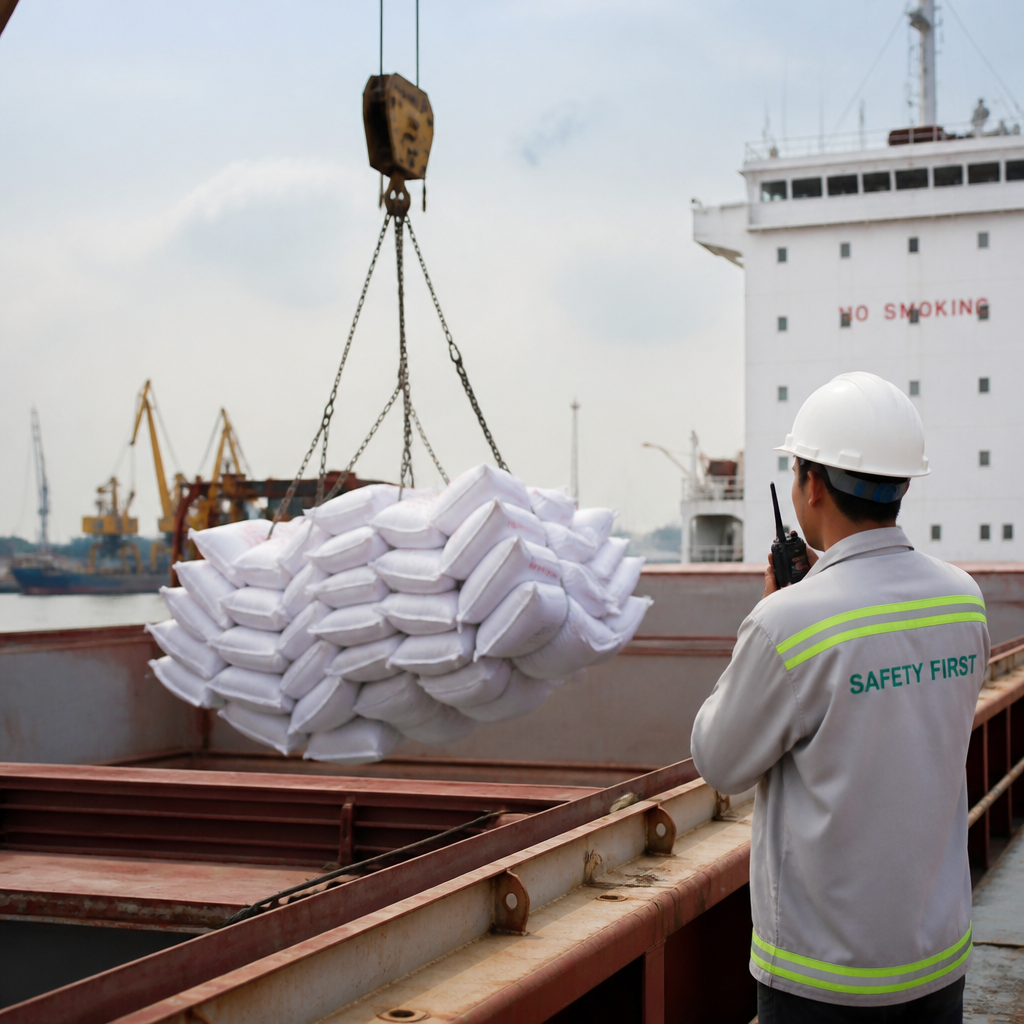
In the competitive landscape of the soybean meal industry, maintaining high-quality standards is imperative for Vietnam Soybean Meal Exporter to remain a trusted supplier. This commitment to excellence is reflected in the comprehensive quality control protocols implemented throughout the production process. These protocols are designed to ensure that every batch of soybean meal meets stringent quality criteria, safeguarding both the nutritional value and safety of the product.
Quality control in soybean meal production involves a series of meticulous procedures. From the initial selection of raw soybeans to the final packaging, each stage is closely monitored. Advanced testing methods, such as near-infrared spectroscopy (NIR), are employed to analyze protein content and moisture levels, ensuring consistency across all shipments. This rigorous approach not only enhances product reliability but also minimizes the risk of contamination, which is crucial for maintaining the health of livestock.
Adherence to international standards and certifications further underscores the reliability of the soybean meal supplied by Vietnam Soybean Meal Exporter. The company aligns its production processes with globally recognized certifications such as ISO 22000 for food safety management and GMP+ for feed safety assurance. These certifications are not merely badges of honor; they represent a commitment to quality that resonates with feed producers worldwide.
"Achieving ISO 22000 and GMP+ certifications demonstrates our dedication to delivering safe and high-quality soybean meal," stated a representative from Vietnam Soybean Meal Exporter.
The impact of these quality control measures on product reliability is profound. By consistently delivering soybean meal that meets high standards, Vietnam Soybean Meal Exporter not only builds trust with its clients but also supports the overall health and productivity of livestock. This reliability is a key factor that distinguishes the company in the global market, making it a preferred choice for feed producers seeking consistent and high-quality protein sources.
Efficient Shipping Procedures for Global Distribution
The logistics involved in shipping soybean meal are a crucial component of ensuring that this essential product reaches global markets efficiently. As a key player in the animal feed industry, Vietnam Soybean Meal Exporter must navigate a complex network of shipping routes and methods to meet the growing demand worldwide.
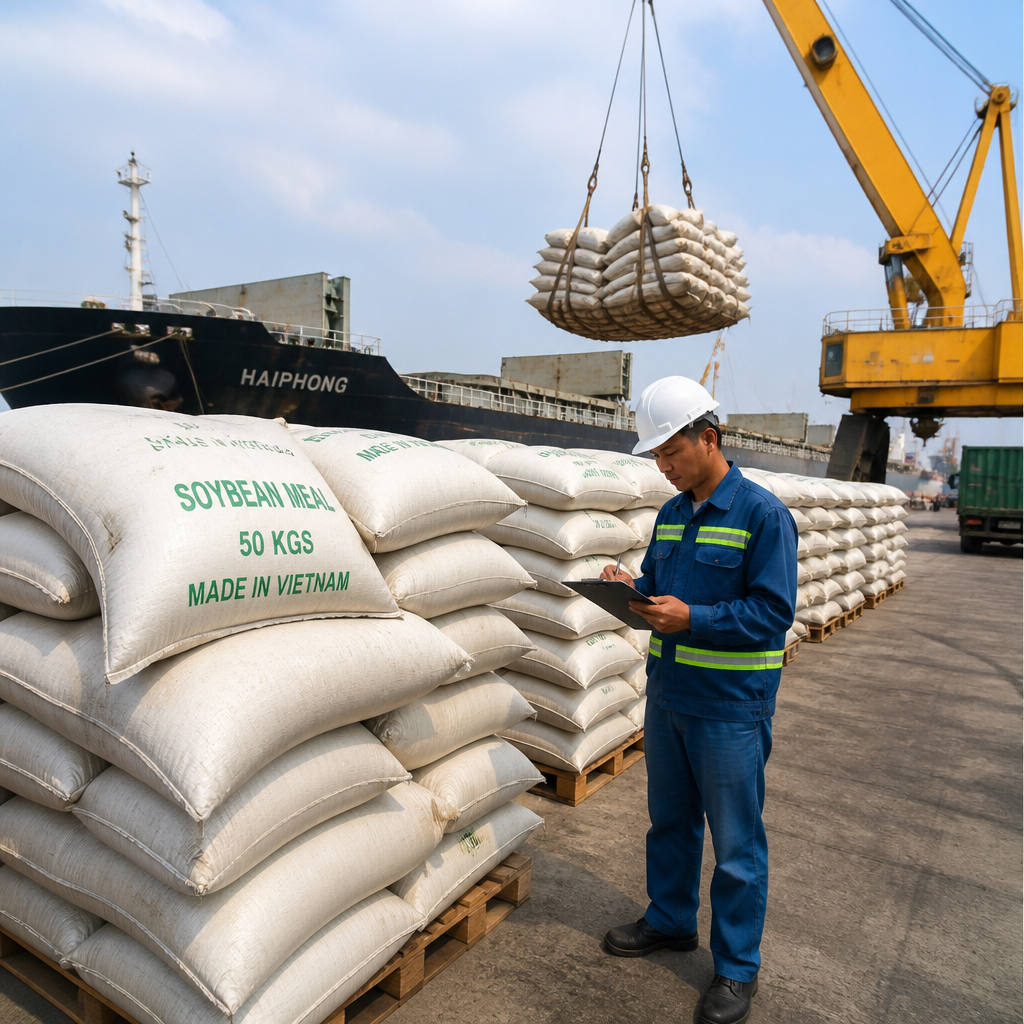
One of the primary shipping routes for soybean meal from Vietnam involves maritime transport to major ports in Asia, Europe, and North America. The use of large cargo ships allows for the bulk transport of soybean meal, which is essential for maintaining cost-effectiveness and meeting international demand. Additionally, the integration of advanced tracking systems ensures that shipments are monitored in real-time, reducing the risk of delays and enhancing the reliability of deliveries.
However, international trade in soybean meal is not without its challenges. One significant issue is the fluctuating costs of shipping, influenced by fuel prices and geopolitical tensions that can affect trade routes. To address these challenges, companies like Vietnam Soybean Meal Exporter are investing in strategic partnerships with logistics providers to secure stable shipping rates and reliable routes. These partnerships also facilitate the adaptation to sudden changes in trade policies or environmental regulations, which can impact shipping schedules.
Moreover, the complexity of customs regulations across different countries presents another hurdle. To navigate these regulatory landscapes, exporters often employ specialized customs brokers who are adept at managing documentation and compliance requirements, ensuring smooth transitions across borders.
"By optimizing shipping logistics and forming strategic alliances, Vietnam Soybean Meal Exporter not only enhances its distribution efficiency but also strengthens its position in the global market."
In essence, Vietnam Soybean Meal Exporter's efficient shipping procedures, which include strategic route planning, advanced tracking technologies, and strong partnerships with logistics and customs experts, are vital for overcoming the challenges of international trade. These efforts ensure that soybean meal remains a dependable and accessible resource for the global animal feed industry.
Why Soybean Meal is a Smart Choice for Feed Producers
As feed producers navigate the complexities of the agricultural market, choosing the right components for animal feed becomes crucial. Soybean meal stands out as a strategic choice, offering a range of economic and sustainability benefits that are hard to overlook.
- 💡 Economic Benefits: Soybean meal is renowned for its cost-effectiveness. Compared to other protein sources, it provides a high protein content at a lower price point, making it a financially sound option for feed producers. This affordability is particularly beneficial in large-scale operations where cost savings can lead to significant financial advantages.
- 🌍 Long-term Sustainability: Sustainability is a growing concern in agriculture, and soybean meal offers a viable solution. Its production requires less land and water compared to other protein sources, reducing the environmental footprint. Moreover, soybean meal is often a by-product of soybean oil production, which means utilizing it contributes to a more sustainable agricultural cycle by minimizing waste.
- 📈 Successful Implementations: Numerous case studies highlight the successful implementation of soybean meal in animal feed. For instance, a study conducted in 2020 demonstrated that farms incorporating soybean meal into their feed saw a 15% increase in livestock growth rates. This tangible improvement not only underscores the nutritional benefits of soybean meal but also its potential to enhance overall farm productivity.
"The integration of soybean meal into our feed has revolutionized our production efficiency," said a leading Vietnam Soybean Meal Exporter. "Not only have we reduced costs, but we've also seen a marked improvement in animal health and growth."
Overall, soybean meal is more than just a cost-effective option; it is a sustainable and proven choice for feed producers looking to optimize their operations. Its economic benefits, environmental advantages, and successful track record make it a compelling choice for the animal feed industry.
Get Started with Soybean Meal for Your Feed Needs
Embarking on a new venture in the soybean meal industry can be a promising opportunity, especially with the rising demand for this essential protein source. However, the first step to success is sourcing reliable suppliers. To ensure you partner with trustworthy entities, it is crucial to conduct thorough research. Look for suppliers with a strong track record, positive customer reviews, and relevant certifications that attest to their quality standards.
Once you have identified potential suppliers, the next step is to initiate a business partnership. This process often involves several key steps:
- 💼 Initial Contact: Reach out to your shortlisted suppliers to express your interest and gather more detailed information about their offerings.
- 📄 Request for Proposal (RFP): Send out an RFP to understand their pricing, delivery schedules, and terms of service.
- 🔍 Evaluation: Assess the proposals based on criteria such as cost-effectiveness, delivery timelines, and quality assurances.
- 🤝 Negotiation: Engage in negotiations to finalize terms that are beneficial for both parties.
- ✍️ Contract Signing: Draft and sign a contract that clearly outlines all agreed terms and conditions.
To navigate this process more smoothly, consider contacting industry experts for guidance. Professionals with extensive experience in the soybean meal market can provide valuable insights and advice. They can help you understand market trends, assess supplier reliability, and even assist in contract negotiations.
"Leveraging the expertise of industry veterans can significantly enhance your decision-making process, ensuring a more secure and profitable business partnership."
By following these steps and utilizing expert guidance, you can confidently establish a solid foundation for your soybean meal supply chain. This strategic approach not only minimizes risks but also maximizes the potential for a successful entry into the market.