Vietnam Soybean Exporter offers high-quality soybeans that meet stringent international standards, catering to the rising global demand in food and industrial sectors.
The global demand for soybeans has been experiencing a remarkable surge, largely due to their wide-ranging applications in both the food and industrial sectors. In the culinary world, soybeans serve as a crucial protein source, prominently featured in products like tofu, soy milk, and soy sauce, which are integral to many diets worldwide. The industrial sector also heavily relies on soybeans for the production of biodiesel, soy ink, and even certain types of plastics. This extensive range of uses underscores the critical role soybeans play across various economic sectors, emphasizing the necessity of addressing the ever-growing demand.
However, the increasing demand brings along the challenge of maintaining stringent quality standards. The international market imposes rigorous quality specifications on soybean products, which exporters must adhere to. These standards ensure that soybeans are free from contaminants and meet specific nutritional and safety benchmarks. Non-compliance with these specifications can lead to severe consequences, such as shipment rejections and a loss of credibility in the global market. Therefore, maintaining high-quality standards is not merely a regulatory requirement but a competitive necessity for any Vietnamese soybean exporter aiming to establish a robust presence on the international stage.
Quality concerns are particularly pronounced in regions with strict import standards, such as the European Union and North America. These markets demand soybeans that are not only high in protein content but also free from genetically modified organisms (GMOs) and pesticide residues. Consequently, Vietnamese exporters must navigate these complex requirements to capitalize on the lucrative opportunities presented by the burgeoning global demand for soybeans.
The Challenge with Soybean Product Demand
The increasing global demand for soybeans is not without its challenges. As soybeans become more integral to various industries, maintaining the quality and consistency of these products becomes paramount. The food sector, for instance, relies heavily on soybeans for their nutritional value, particularly as a protein source in plant-based diets. This has been fueled by the rising popularity of plant-based diets, which are seen as healthier and more sustainable options. In the industrial sector, the demand for soybeans is driven by their use in producing biodiesel and other eco-friendly products. This dual demand from both the food and industrial sectors places an enormous amount of pressure on soybean producers to maintain high standards of quality and safety.
Additionally, the quality standards for soybean products are becoming increasingly stringent. International markets, particularly in regions like the European Union and North America, require soybeans to meet high standards of quality and safety. This includes being free from contaminants and meeting specific nutritional benchmarks. For Vietnamese exporters, this means that maintaining high-quality standards is not just a regulatory requirement but a competitive necessity. Failure to comply with these standards can result in shipment rejections, financial losses, and damage to the exporter’s reputation.
Consequences of Unmet Soybean Specifications
The consequences of not adhering to soybean specifications can be significant and far-reaching. One of the most immediate impacts is on the supply chains, both in food and industrial domains. Soybeans are a critical component in the production of various products, from tofu and soy milk to biodiesel and animal feed. Any disruption in their quality can lead to a ripple effect, causing delays and shortages that affect multiple industries.
Moreover, the potential financial losses for exporters are considerable. When shipments are rejected due to non-compliance with quality standards, exporters not only lose the immediate revenue from that batch but also face increased costs associated with returns, reprocessing, or even disposal of subpar products. This financial strain can be particularly challenging for smaller exporters who may not have the same financial resilience as larger players in the market.
Furthermore, unmet specifications can strain international trade relations. Countries importing soybeans rely on consistent quality to maintain their own production standards. When expectations are not met, it can lead to a loss of trust and potentially result in long-term damage to trade relationships. For Vietnam, a country striving to establish itself as a reliable soybean exporter, maintaining high standards is crucial to sustaining and growing its market share in the international arena.
"The failure to meet soybean specifications not only affects immediate trade but also jeopardizes the reputation of Vietnamese exporters in the global market."
In summary, the consequences of not adhering to soybean specifications are profound, affecting supply chains, financial stability, and international relations. Addressing these issues is essential for Vietnam to strengthen its position as a leading soybean exporter.
Exploring Solutions for Meeting Quality Standards
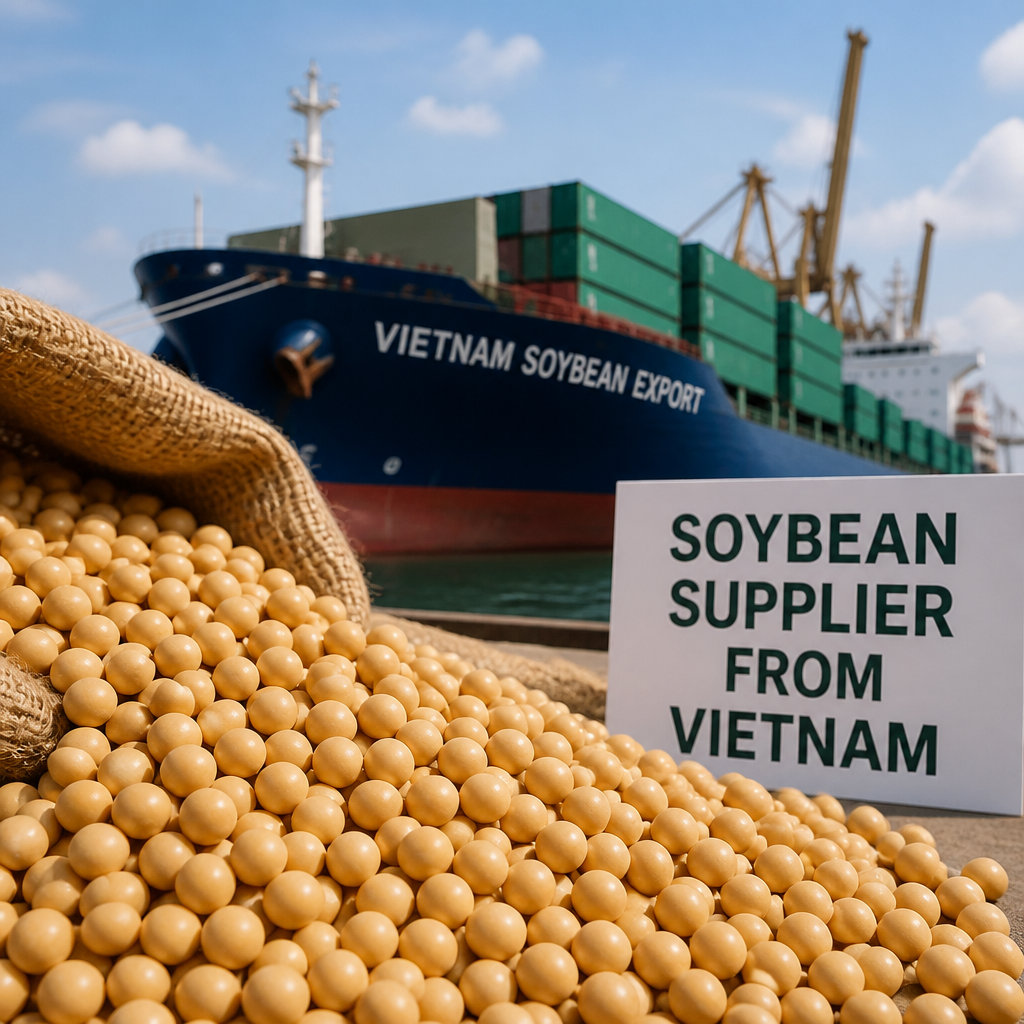
In the competitive landscape of soybean exports, maintaining strict adherence to quality specifications is paramount for Vietnam Soybean Exporters. Quality standards not only ensure the safety and efficacy of soybean products but also significantly impact the trust and satisfaction of international buyers. Adhering to these standards can prevent disruptions in the supply chain, safeguard against financial losses, and foster robust trade relationships.
One pivotal aspect of maintaining product quality is the role of packaging options. Effective packaging is essential to protect soybeans from environmental factors such as moisture, contamination, and physical damage during transit. For instance, vacuum-sealed bags and airtight containers are popular packaging solutions that help preserve the integrity of soybeans, ensuring they reach their destination in optimal condition. By investing in high-quality packaging, exporters can minimize spoilage and maintain the nutritional value of soybeans, which is crucial for both food and industrial applications.
Another critical factor in meeting quality standards is understanding and managing Minimum Order Quantities (MOQ). MOQs are established to ensure that production and packaging processes are economically viable and efficient. For Vietnam Soybean Exporters, setting appropriate MOQs can help balance production costs with market demand, allowing for flexibility in fulfilling both small and large orders without compromising on quality. This strategic approach enables exporters to cater to a broader range of clients, from small-scale businesses to large industrial buyers.
"Adhering to quality specifications and optimizing packaging and MOQ strategies are essential for maintaining the competitive edge of Vietnam Soybean Exporters in the global market."
By focusing on these key areas, Vietnam Soybean Exporters can not only meet but exceed international quality standards, positioning themselves as reliable and preferred suppliers in the global soybean market.
Benefits of Adhering to Export Procedures
For Vietnam Soybean Exporters, adhering to export procedures offers a multitude of benefits that can significantly enhance their position in the global market. One of the primary advantages is the streamlined export processes, which lead to more efficient trade operations. By following prescribed procedures, exporters can ensure that their shipments are processed quickly and without unnecessary delays, thus reducing lead times and improving customer satisfaction. This efficiency is crucial in a competitive market where time is of the essence.
Furthermore, adherence to export procedures enhances a company's reputation and reliability on the international stage. When exporters consistently meet regulatory requirements, they build trust with global partners and clients, which can lead to more stable and long-term business relationships. A strong reputation for compliance not only attracts new customers but also retains existing ones, as it signals a commitment to quality and reliability.
"Efficient export processes and a solid reputation are key to thriving in the global soybean market," says an industry expert.
Several case studies illustrate the success of soybean exporters who have prioritized adherence to export procedures. For instance, a prominent Vietnamese exporter saw a significant increase in their market share after implementing a rigorous compliance program. This program not only streamlined their operations but also improved their standing with international buyers, leading to increased demand for their products.
Another example is a mid-sized soybean exporter who, by investing in export compliance training for their staff, managed to reduce shipment errors by 30% and cut costs associated with delays and penalties. These improvements not only bolstered their financial performance but also positioned them as a reliable supplier in the eyes of their clients.
In conclusion, for Vietnam Soybean Exporters, adhering to export procedures is not just about compliance; it's a strategic move that can lead to greater operational efficiency, enhanced market reputation, and ultimately, business growth. By focusing on these aspects, exporters can secure a competitive edge in the ever-evolving global soybean market.
Comprehensive Guide to Exporting Soybeans
Exporting soybeans from Vietnam involves a meticulous understanding of various buyer requirements, a well-structured export procedure, and the acquisition of key documents and certifications. This guide aims to provide a comprehensive overview of these elements, ensuring that Vietnamese soybean exporters can navigate the complexities of international trade efficiently.
Detailed Overview of Buyer Requirements
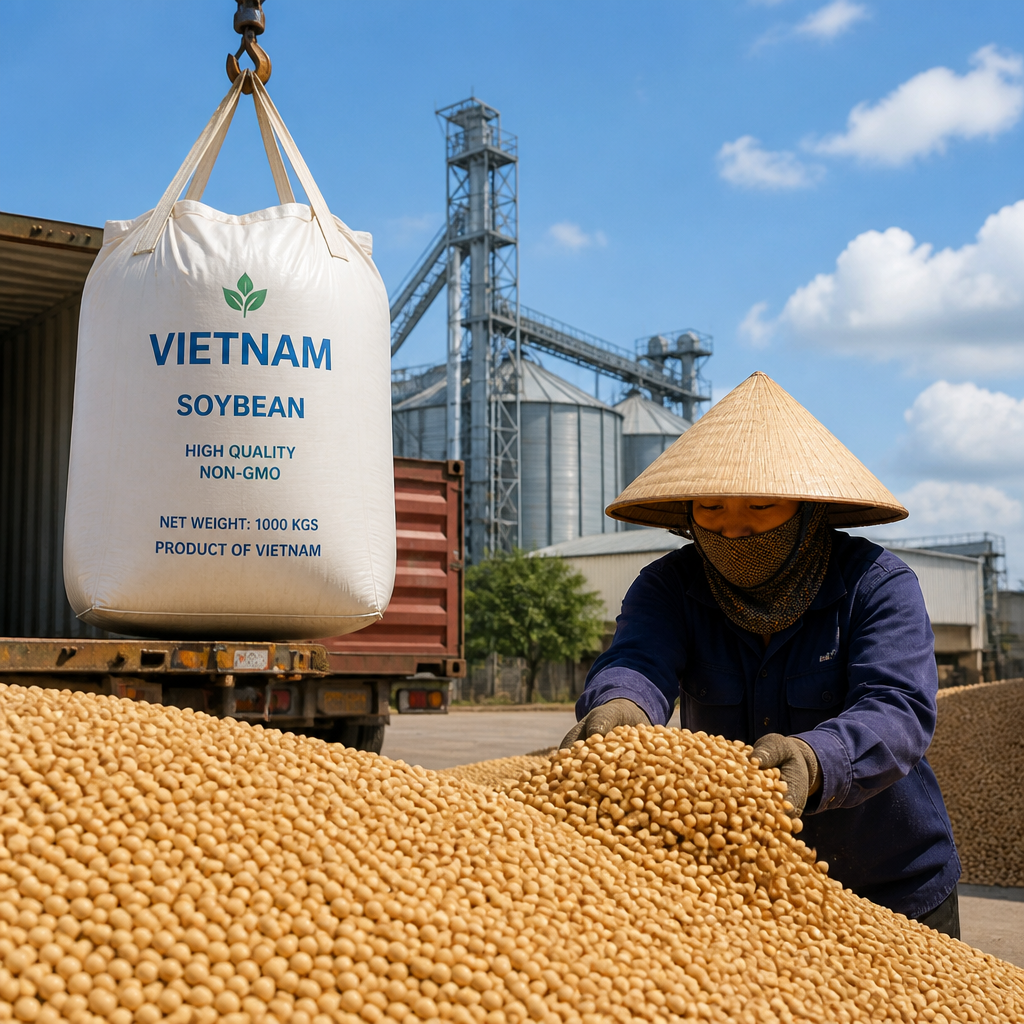
Understanding buyer requirements is crucial in the soybean export business. Buyers often have specific demands regarding the quality, packaging, and delivery timelines of soybean products. For instance, buyers in the European Union may require soybeans to meet stringent quality standards related to genetically modified organisms (GMOs) and pesticide residues. Additionally, some buyers might prefer non-GMO soybeans, which can attract a premium price in certain markets.
Moreover, packaging plays a significant role in meeting buyer expectations. Exporters must ensure that soybeans are packaged in a manner that maintains their quality during transit. This could involve using moisture-resistant bags or bulk containers that prevent contamination and spoilage.
Step-by-Step Export Procedures
- Market Research: Identify potential markets and buyers by analyzing trade data and market trends.
- Product Compliance: Ensure that the soybeans meet the quality and safety standards of the target market.
- Documentation Preparation: Gather all necessary documents, including invoices, packing lists, and certificates of origin.
- Customs Clearance: Submit the required documents to customs authorities and comply with export regulations.
- Logistics and Shipping: Arrange for the transportation of soybeans to the buyer’s location, choosing between sea, air, or land transportation based on cost and urgency.
- Post-Shipment Procedures: Follow up on the shipment to ensure timely delivery and address any issues that arise during transit.
Key Documents and Certifications Needed
- 🌐 Certificate of Origin: This document certifies that the soybeans are produced in Vietnam, which may be required to qualify for preferential trade agreements.
- 📄 Phytosanitary Certificate: Issued by the Vietnamese Ministry of Agriculture, this certificate ensures that the soybeans are free from pests and diseases.
- 📝 Commercial Invoice: A detailed invoice that lists the quantity, quality, and price of the soybeans being exported.
- 📦 Packing List: Provides detailed information about the shipment, including the type of packaging used and the number of units.
- 🔍 Quality Certificate: May be required by some buyers to verify that the soybeans meet specific quality standards.
"Vietnam Soybean Exporter must adhere to these comprehensive procedures and documentation requirements to ensure a seamless export process and maintain a competitive edge in the global market."
By following this comprehensive guide, Vietnamese soybean exporters can enhance their operational efficiency, ensure compliance with international standards, and build a strong reputation in the global soybean market.
Encouragement for Vietnamese Soybean Exporters
The Vietnamese soybean export industry stands on the brink of significant growth, driven by emerging market opportunities and the continuous evolution of product applications. For Vietnamese exporters, this is an opportune moment to capitalize on the increasing global demand for soybeans, which is expected to continue its upward trajectory. This potential is not just a promise of increased sales but also a chance to establish Vietnam as a key player in the global soybean market.
One of the primary avenues for growth lies in the diverse applications of soybeans. From food products to industrial uses, soybeans are incredibly versatile. Innovating in product applications can lead to the development of new markets and the expansion of existing ones. For example, the rise of plant-based diets worldwide has spurred demand for soy-based alternatives, such as tofu and soy milk. Additionally, soybeans are used in non-food sectors, including biofuels and biodegradable plastics, offering Vietnamese exporters a broad spectrum of opportunities to explore and innovate.
Nevertheless, to fully harness these opportunities, Vietnamese soybean exporters must adhere to international standards. This is not merely a regulatory requirement but a strategic move to enhance credibility and competitiveness. Meeting these standards ensures product quality and safety, which are critical in maintaining and expanding market share in international markets. It also helps in building trust with global buyers, thereby strengthening trade relationships and opening doors to more lucrative deals.
"Adhering to international standards is not just about compliance; it's about building a reputation for quality and reliability," says an industry expert.
In conclusion, the future of Vietnam's soybean exports looks promising, but it requires a proactive approach from exporters. By seizing market growth opportunities, innovating in product applications, and committing to international standards, Vietnamese soybean exporters can transform potential into tangible success. This strategic alignment will not only boost their market presence but also contribute significantly to Vietnam's economy, marking a new era of prosperity for the industry.