Vietnam Shallot Exporter offers crucial insights into the quality and characteristics of Vietnamese shallots, helping global buyers make informed purchasing decisions.
Understanding the characteristics of shallots, whether fresh or dried, presents significant challenges for stakeholders in the global market. A primary issue is the lack of specific data on Vietnamese shallot exporters. This absence of detailed information makes it difficult for international buyers to assess the quality and reliability of suppliers from Vietnam, a country known for its agricultural exports. Without this data, buyers face uncertainty in areas such as the consistency of supply and adherence to international standards.
The information gap extends beyond just the exporters to the shallots themselves. A noticeable lack of comprehensive data on the differences between fresh and dried shallots exists. This gap is crucial because each type has distinct uses and storage requirements, significantly affecting purchasing decisions. For instance, fresh shallots might be preferred for immediate culinary use, while dried shallots could be more suitable for long-term storage and bulk purchases. Without clear data, buyers are left guessing about which type best suits their needs.
Furthermore, considerable uncertainty exists regarding the size, color, and moisture content of shallots. These factors are critical as they influence the flavor, shelf life, and overall quality of the product. A shallot's size and color can vary widely, affecting its market appeal and pricing. Moisture content, on the other hand, directly impacts the shelf life and storage conditions required, which are crucial considerations for both retailers and consumers. The lack of standardized information on these characteristics hinders the ability to make informed purchasing decisions, potentially leading to issues in supply chain management and quality control.
Implications of Lack of Shallot Information
The absence of comprehensive information regarding Vietnamese shallots, particularly from exporters, poses significant challenges that ripple through various aspects of the industry. A primary issue is the difficulty in making informed purchasing decisions. Buyers, whether they are individual consumers or large-scale distributors, rely heavily on detailed data to choose the right product that meets their specific needs. Without clear information on characteristics such as size, color, and moisture content, purchasers are left to make decisions based on assumptions, which can lead to dissatisfaction and financial loss.
Additionally, the impact on supply chain management cannot be understated. Efficient supply chain operations depend on precise data to forecast demand, manage inventory, and coordinate logistics. When information is lacking, it becomes challenging for companies to plan effectively, potentially leading to overstocking or stockouts. This inefficiency not only increases operational costs but also affects the reliability of shallot supply to the market, which can disrupt business operations for companies relying on these products.
Another critical consequence is the potential quality issues without proper data. Quality assurance heavily relies on thorough and accurate data. Without it, exporters and suppliers might inadvertently distribute shallots that do not meet quality standards, leading to customer complaints and damage to brand reputation. For instance, if the moisture content of shallots is not adequately monitored, it could result in spoilage during transit, affecting both the shelf life and the safety of the product.
In summary, the lack of detailed shallot information creates a cascade of challenges that hinder purchasing decisions, disrupt supply chain management, and compromise product quality. Addressing these issues requires a concerted effort to gather and disseminate accurate data, ensuring that all stakeholders in the shallot industry can operate efficiently and confidently.
Importance of Detailed Shallot Information
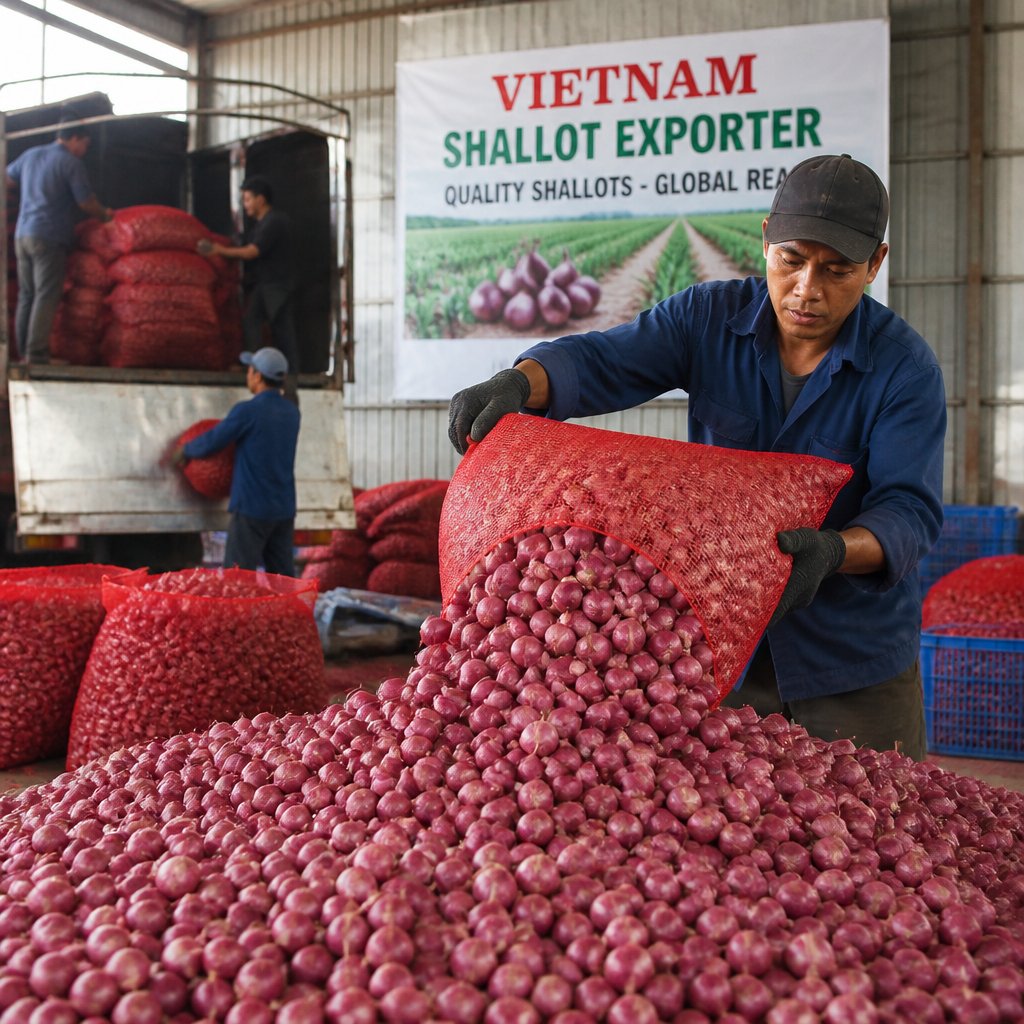
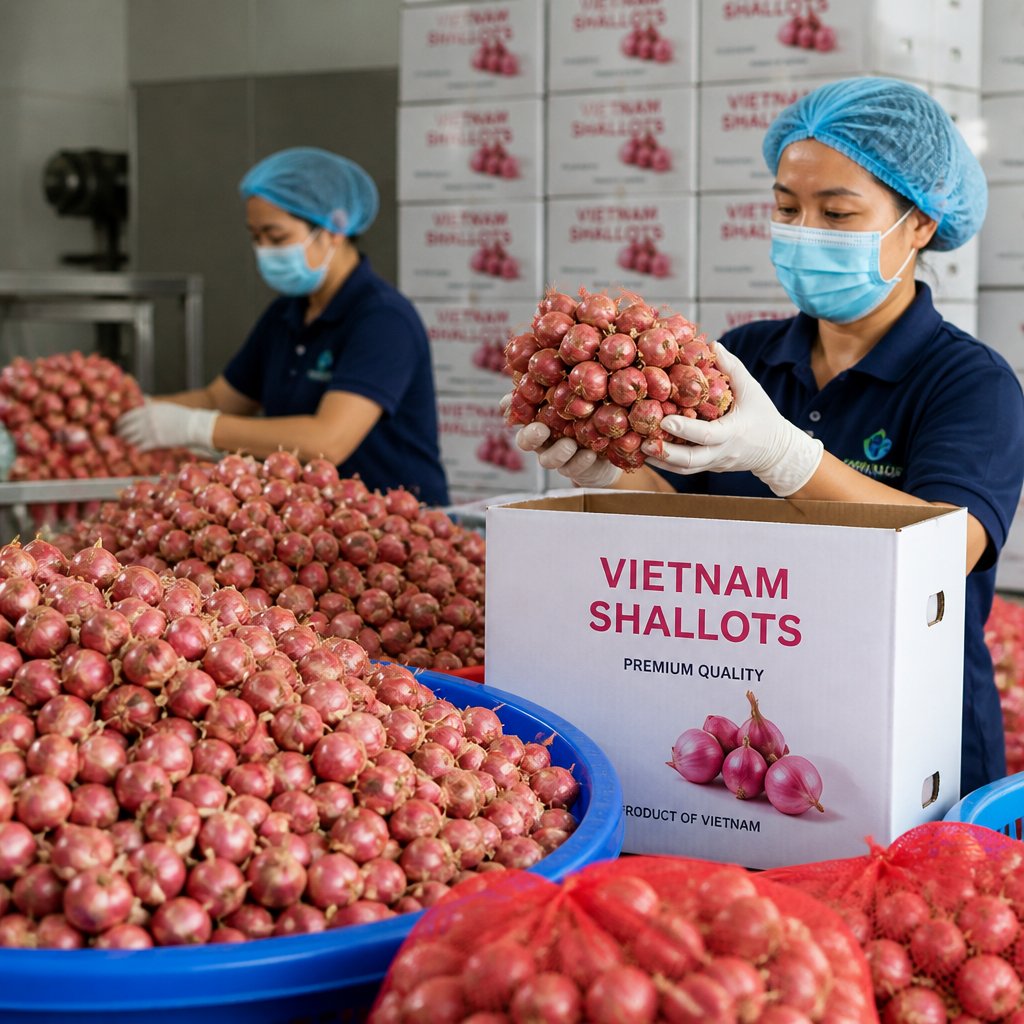
In the competitive landscape of the global shallot market, possessing detailed and accurate information is not just beneficial but essential for success. One of the critical aspects is the need for precise data on packaging and processing. Without this, exporters and buyers alike face significant challenges in maintaining quality and ensuring that the shallots reach their destinations in optimal condition. For instance, the type of packaging used can greatly influence the product's durability during transit, affecting both the shelf life and the end-consumer experience.
Understanding the shelf life and moisture levels of shallots is equally crucial. These factors are directly linked to the quality and usability of the product. Shallots with high moisture content may spoil faster, leading to potential losses for both exporters and importers. Accurate data on these attributes facilitates better inventory management and reduces waste, which is particularly important in markets where the demand for high-quality produce is rising.
The availability of bulk supply plays a pivotal role in market dynamics. When exporters can provide reliable information about bulk quantities, it enables buyers to plan their purchasing strategies more effectively. This is especially important for large-scale operations where consistency and reliability are key to fulfilling contracts and maintaining market reputation. A Vietnam Shallot Exporter, for example, could leverage this data to enhance their competitiveness by ensuring they meet the large volume demands of international clients consistently.
Overall, detailed shallot information not only aids in operational efficiency but also strengthens market positioning. By addressing these key areas, stakeholders in the shallot supply chain can make informed decisions that promote growth and sustainability.
Research Solutions for Shallot Data Acquisition
In the quest to bridge the information gap surrounding Vietnamese shallots, particularly for global buyers, leveraging specialized research solutions is paramount. This section delves into three critical approaches: utilizing specialized databases, collaborating with local exporters, and consulting industry reports and market analyses.
Initially, specialized databases are invaluable resources that provide comprehensive information on shallot varieties, including their size, color, and moisture content. Platforms like the Food and Agriculture Organization (FAO) and the United Nations Comtrade Database offer detailed trade statistics and agricultural data that can be instrumental for Vietnam Shallot Exporters. Accessing these databases allows exporters to understand market trends, import-export statistics, and other vital metrics that inform strategic decisions.
Additionally, collaborating with local exporters offers direct insights that are often not captured in global databases. Engaging with local expertise provides firsthand knowledge about the nuances of shallot cultivation and distribution in Vietnam. This collaboration can include direct interviews, surveys, and partnerships with local producers and suppliers who have intimate knowledge of the product's lifecycle from farm to market. Such interactions not only furnish detailed qualitative data but also foster relationships that can be advantageous for business negotiations and supply chain management.
Finally, consulting industry reports and market analyses serves as a crucial step in understanding the broader market dynamics. Reports from reputable sources such as the Vietnam Trade Promotion Agency (VIETRADE) and international market research firms provide insights into consumer preferences, competitive analysis, and future trends in the shallot industry. These reports often include data on packaging, processing, and bulk supply availability, which are critical for making informed decisions about market entry and expansion strategies.
"Access to detailed market analyses and reliable databases is not just beneficial but essential for any Vietnam Shallot Exporter aiming to thrive in the global market."
By integrating these research solutions, Vietnam Shallot Exporters can significantly enhance their understanding of the market, thereby improving their ability to meet global demand confidently and precisely.
Leveraging Technology for Better Shallot Data
In the dynamic world of agriculture, staying ahead in the market requires a keen understanding of data and trends. For the Vietnam Shallot Exporter, leveraging technology is not just an option but a necessity to enhance the quality and availability of shallot data. By implementing advanced technological solutions, exporters can address the challenges of data scarcity and improve decision-making processes.
A primary strategy involves the implementation of data analytics to meticulously track shallot metrics. This approach enables exporters to gather detailed insights into various factors such as yield rates, quality parameters, and market demand fluctuations. By analyzing these metrics, exporters can optimize their operations, reduce waste, and ensure a consistent supply of high-quality shallots to meet global demands.
Additionally, the use of digital platforms for real-time information sharing is revolutionizing how data is accessed and utilized. These platforms facilitate the instantaneous exchange of information between different stakeholders, from farmers to distributors. Real-time data sharing ensures that all parties are updated with the latest information, allowing for more coordinated efforts in the supply chain. This level of connectivity helps in making swift adjustments to production schedules and distribution strategies, thereby minimizing potential disruptions.
Exploring AI solutions to predict shallot supply trends represents another frontier in technological advancement. By employing artificial intelligence, exporters can forecast market trends with greater accuracy. AI algorithms can analyze historical data and current market conditions to predict future supply and demand patterns. This predictive capability is crucial for planning and can significantly boost the competitiveness of Vietnamese shallot exporters in the global market.
"The integration of AI and data analytics is transforming the agricultural sector, providing insights that were previously unattainable."
In conclusion, the strategic use of technology offers a robust solution to the challenges faced by the Vietnam Shallot Exporter. By harnessing data analytics, digital platforms, and AI, exporters can not only improve their operational efficiency but also establish themselves as leaders in the global shallot market.
Case Studies: Success in Shallot Market Strategies
In the competitive world of shallot exporting, certain players have distinguished themselves through the strategic use of data. One notable example is the Vietnamese company Minh Anh Co., Ltd., which has utilized detailed data analytics to enhance their operations. By closely monitoring metrics such as moisture content and size variations, Minh Anh has not only ensured superior product quality but also optimized their supply chain to meet international demand efficiently.
The impact of data-driven decisions on shallot quality and availability cannot be overstated. For instance, Minh Anh's decision to employ advanced data tracking systems has resulted in a consistent supply of high-quality shallots, reducing variability in product characteristics. This approach has been crucial in maintaining their reputation as a reliable Vietnam Shallot Exporter among global buyers.
"Data analytics has transformed our ability to deliver quality shallots consistently," noted a Minh Anh executive, highlighting the significance of technology in their success.
Comparative analysis of markets with robust shallot information further underscores the advantages of data utilization. In markets such as the Netherlands, where detailed shallot data is readily available, the supply chain is notably more resilient. This is in stark contrast to regions lacking comprehensive data, where supply inconsistencies and quality issues are more common.
- ✅ Vietnam: Companies like Minh Anh demonstrate the benefits of data in enhancing export quality and reliability.
- ✅ Netherlands: Access to detailed shallot data supports a stable and efficient supply chain.
- ❌ Data-Deficient Regions: Often face challenges in maintaining consistent quality and availability.
These case studies illustrate the critical role of data in the shallot market, providing a clear blueprint for other exporters aiming to achieve similar success. By embracing data-driven strategies, exporters can not only improve product quality but also boost their competitive edge in the global market.
Future Prospects in the Shallot Industry
The future of the shallot industry in Vietnam holds significant promise, especially with improved access to data. As the industry evolves, the availability of comprehensive and accurate data could be a game-changer for Vietnam Shallot Exporters. By utilizing detailed insights into shallot characteristics, exporters can optimize their supply chains, boost quality control, and better meet the demands of global buyers.
Consumer preferences are also playing a crucial role in shaping the demand for shallots. There is a growing trend towards organic and sustainably sourced produce, and shallots are no exception. Consumers are increasingly looking for products that align with their health and environmental values. This shift in preferences presents an opportunity for exporters to cater to niche markets that prioritize organic and eco-friendly products, potentially commanding higher prices and fostering brand loyalty.
Innovation in shallot processing and packaging is another area ripe for exploration. As technology advances, there are numerous opportunities to improve the way shallots are processed and packaged. Innovations such as vacuum-sealing, modified atmosphere packaging, and biodegradable materials not only extend shelf life but also appeal to environmentally conscious consumers. These advancements can reduce waste and improve the overall sustainability of the shallot supply chain.
"The integration of technology in shallot processing and packaging is not just a trend but a necessity for staying competitive in the global market."
In conclusion, the future of the shallot industry in Vietnam is bright, with ample opportunities for growth and innovation. By focusing on data accessibility, adapting to consumer trends, and embracing technological advancements, Vietnam Shallot Exporters can establish themselves as leaders in the global market. This strategic approach will not only boost their competitive edge but also contribute to the long-term sustainability of the industry.