Vietnam Sesame Exporter delivers premium black and white sesame seeds renowned for their rich flavor and health benefits, meeting global demand with quality assurance.
Vietnam exports both white and black sesame seeds, with a requirement for export-grade seeds to have a purity of at least 99%. Sesame seeds, small yet potent, are derived from the Sesamum indicum plant. These seeds are celebrated for their rich history and diverse applications, spanning culinary and medicinal uses.
Sesame seeds are primarily distinguished by their color, which can be either black or white. Black sesame seeds are celebrated for their robust, earthy flavor, making them a popular choice in Asian cuisine to enhance the depth of dishes. On the other hand, white sesame seeds are valued for their ivory color and mild, sweet taste, making them a staple in baking and confectionery.
Nutritionally, sesame seeds are a powerhouse. They are an excellent source of healthy fats, protein, and essential minerals such as calcium, magnesium, and iron. These nutrients contribute to various health benefits, including improved heart health, better bone density, and enhanced metabolic function. The combination of flavor, versatility, and health benefits makes sesame seeds a sought-after ingredient in global markets.
Various Uses of Sesame Seeds
Sesame seeds are incredibly versatile and find their way into a multitude of culinary and non-culinary applications. In the culinary world, they are a staple ingredient in baking and confectionery. Bakers often sprinkle sesame seeds on top of bread and pastries to add a nutty flavor and a decorative touch. In confectionery, sesame seeds are a key ingredient in sweets like sesame snaps and halva, providing a crunchy texture and rich taste.
Beyond their use in solid foods, sesame seeds are also crucial in oil production. Sesame oil, extracted from these seeds, is highly valued for its rich, nutty flavor and is a popular choice for cooking and salad dressings. It is also a staple in many Asian cuisines, where it is used both as a cooking oil and a flavor enhancer.
Black sesame seeds, in particular, are a prominent feature in Asian culinary traditions. They are often used in dishes such as sushi, rice balls, and desserts like black sesame soup and ice cream. Their distinct flavor and color make them a sought-after ingredient in these cuisines.
Outside of the kitchen, sesame seeds have applications in non-culinary fields as well. They are used in cosmetics and pharmaceuticals due to their nourishing properties. The oil is a common ingredient in skincare products, where it is praised for its moisturizing and anti-inflammatory properties.
Unique Characteristics of White Sesame Seeds
White sesame seeds, known for their ivory color and mild, sweet flavor, are a staple in various culinary applications. Unlike their black counterparts, which have a more intense and nutty taste, white sesame seeds are often preferred in dishes where a subtle flavor profile is desired. This makes them particularly popular in baking and confectionery, where they add a delicate crunch and aesthetic appeal without overpowering other ingredients.
In the food industry, white sesame seeds are widely used for their versatility. They are a key ingredient in the production of tahini, a paste that is essential in Middle Eastern cuisine. Additionally, they are sprinkled on top of bread and pastries, enhancing both appearance and taste. The oil extracted from white sesame seeds is also highly valued for its light flavor and high smoke point, making it suitable for cooking and salad dressings.
When comparing white sesame seeds to black sesame seeds, several distinctions are notable:
- ⚡ Flavor Profile: White sesame seeds are milder and sweeter, whereas black sesame seeds are more robust and nutty.
- ⚡ Color and Aesthetic Use: The ivory hue of white sesame seeds makes them ideal for dishes where appearance is crucial, such as in sushi or as a topping on buns.
- ⚡ Culinary Applications: While both are used in various cuisines, white sesame seeds are more common in Western baking, whereas black sesame seeds are often found in Asian dishes.
For a leading Vietnam Sesame Exporter, recognizing these unique characteristics is essential to meet the diverse demands of the global market. Choosing between white and black sesame seeds can greatly influence the flavor and presentation of a dish, underscoring the importance of selecting the appropriate type for specific culinary applications.
Rising Global Demand for Sesame Seeds
The global appetite for sesame seeds is on a remarkable upward trajectory, driven by increased demand across Europe, the Middle East, and Asia. This trend is fueled by sesame seeds' versatile role in diverse cuisines and their recognized health benefits. As a result, sesame seeds have become a staple ingredient in many culinary traditions worldwide.
In Europe, the growing interest in plant-based and health-conscious diets has significantly boosted sesame seed consumption. These seeds are often used in baking and as a topping for salads and breads, providing both flavor and nutritional value. In the Middle East, sesame seeds are integral to traditional dishes like tahini and halva, reinforcing their cultural significance and driving demand.
Asia, with its rich culinary heritage, continues to be a stronghold for sesame seed consumption. Black sesame seeds, in particular, are prized for their unique flavor and are frequently used in desserts and savory dishes. The increasing popularity of Asian cuisine globally has further amplified the demand for these seeds.
Market trends indicate a promising growth potential for sesame seeds, as they are increasingly recognized for their health benefits, including being a source of essential nutrients and antioxidants. The expanding global market presents significant opportunities for Vietnam sesame exporters to capitalize on this trend and strengthen their position in the international market.
Harvesting and Processing of Sesame Seeds
The journey of sesame seeds from farm to table involves meticulous harvesting and processing techniques to ensure quality and safety. Initially, the cleaning process is crucial to remove impurities such as dust, stones, and plant debris. This step ensures that the seeds are free from contaminants and ready for further processing.
For white sesame seeds, the hulling process is a significant phase. This involves removing the outer husk to reveal the ivory-colored seed inside, which is highly sought after for its mild flavor and aesthetic appeal in culinary uses. Hulling not only enhances the appearance but also improves the digestibility and nutritional value of the seeds.
Following hulling, sesame seeds undergo sorting by size and color. Advanced machinery is used to categorize seeds, ensuring uniformity and quality in the final product. This sorting process is essential for meeting the diverse requirements of different markets and applications.
Moisture content is a critical factor in preserving the quality of sesame seeds. Various moisture reduction techniques are employed to lower the moisture levels, preventing mold growth and extending shelf life. This step is particularly important for maintaining the seeds' freshness during storage and transportation.
Finally, the seeds are packaged using food-grade materials. This ensures that the seeds remain uncontaminated and retain their quality during distribution. Proper packaging also plays a vital role in branding and labeling, making the product attractive and compliant with international export standards.
Bulk Buying of Sesame Seeds
Purchasing sesame seeds in bulk offers a range of advantages, particularly for businesses and industries that rely heavily on this versatile ingredient. One of the most significant benefits is cost-effectiveness. When buying in large quantities, buyers often receive discounts or lower prices per unit, making it a financially savvy decision. This approach not only reduces overall costs but also ensures a steady supply, minimizing the risk of supply chain disruptions.
However, bulk buying also requires careful consideration of storage and handling. Sesame seeds must be stored in a cool, dry place to maintain their quality and prevent spoilage. Proper storage facilities are essential to protect the seeds from moisture and pests, which can compromise their integrity. Businesses must invest in appropriate storage solutions to safeguard their bulk purchases.
Beyond cost savings, bulk purchasing offers additional advantages. It streamlines the supply chain, reducing the frequency of orders and shipments. This efficiency can result in lower transportation costs and a reduced carbon footprint, aligning with sustainable business practices. By securing a consistent and large supply of sesame seeds, companies can better manage their production schedules and meet market demands effectively.
Vietnam's Role in Sesame Seed Export
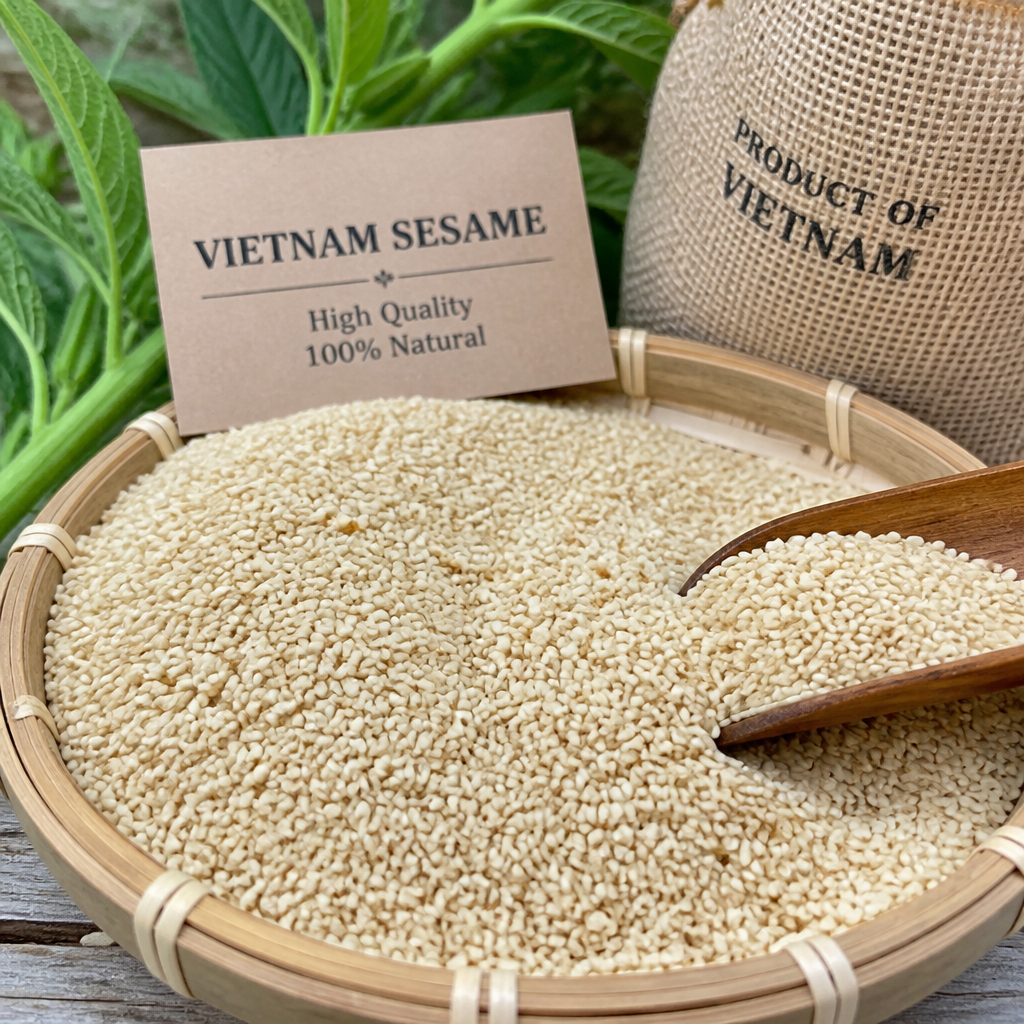
Vietnam has emerged as a significant player in the global sesame seed market, leveraging its agricultural strengths to become a major exporter. The country's favorable climate and fertile soil conditions contribute to the high quality of its sesame seeds, making them sought after internationally. Vietnam's strategic location in Southeast Asia also facilitates efficient trade routes, enhancing its export capabilities.
Ensuring the quality and safety of sesame seeds is paramount for Vietnamese exporters. Compliance with international standards is achieved through rigorous adherence to certifications such as HACCP (Hazard Analysis and Critical Control Points) and FDA (Food and Drug Administration) regulations. These certifications not only guarantee the safety of the seeds but also build trust with international buyers, enhancing Vietnam's reputation as a reliable source of premium sesame seeds.
Several Vietnamese companies are pivotal in driving the country's sesame seed export industry. These companies are equipped with advanced processing facilities and have established robust supply chains to meet the growing global demand. By maintaining high standards and fostering international partnerships, these enterprises play a crucial role in positioning Vietnam as a leading sesame seed exporter.
Quality Assurance in Bulk Export
In the realm of sesame seed export, particularly for a Vietnam Sesame Exporter, implementing stringent quality control measures is paramount. These measures ensure that the products not only meet but exceed international standards, which is essential for maintaining competitiveness in the global market.
One of the critical aspects of quality assurance is adhering to purity and moisture content requirements. Sesame seeds must be free from impurities and maintain a specific moisture level to ensure longevity and prevent spoilage during transit. Typically, the acceptable moisture content is around 6-7%. This prevents mold growth and preserves the seeds' nutritional integrity.
Moreover, obtaining Certificates of Analysis and Phytosanitary Certificates is crucial. The Certificate of Analysis provides a detailed report on the composition and quality of the sesame seeds, confirming adherence to the specified standards. Meanwhile, the Phytosanitary Certificate, issued by the relevant agricultural authorities, verifies that the seeds are free from pests and diseases, which is a mandatory requirement for many importing countries.
"Quality assurance in sesame seed export is not just about meeting standards; it's about building trust and ensuring the safety and satisfaction of consumers worldwide."
Meeting Global Standards in Exporting White Sesame Seeds
For Vietnam Sesame Exporters, adhering to international standards is crucial to maintaining a competitive edge in the global market. Compliance ensures that white sesame seeds meet the quality expectations of diverse international clients, enhancing trust and reliability. This involves aligning with standards such as the Hazard Analysis and Critical Control Points (HACCP) and obtaining necessary certifications like those from the FDA. These certifications not only validate the quality but also facilitate smoother trade operations.
Another critical aspect of exporting white sesame seeds is the meticulous preparation of customs clearance documentation. This documentation is essential for ensuring that shipments pass through international borders without delay. Proper documentation includes certificates of origin, phytosanitary certificates, and detailed invoices, which are vital for meeting the regulatory requirements of importing countries.
Equally important is the timely harvest and proper storage of sesame seeds. Harvesting at the right time ensures that the seeds retain their optimal nutritional value and flavor, which are key selling points in international markets. Proper storage, on the other hand, prevents moisture accumulation and contamination, preserving the quality of the seeds during transit. This attention to detail in harvesting and storage underscores the commitment of Vietnam Sesame Exporters to deliver premium products consistently.
Common Questions About Sesame Seeds
As a prominent Vietnam Sesame Exporter, addressing common questions about sesame seeds is crucial for transparency and customer satisfaction. Here, we delve into three key areas of concern: contaminants, processing and packaging, and export documentation.
- 💡 Contaminants Concerns: Customers often worry about potential contaminants in sesame seeds, such as pesticides and heavy metals. Vietnamese exporters adhere to strict international standards, ensuring that all sesame seeds undergo rigorous testing to meet safety requirements. This includes compliance with HACCP and FDA regulations, which are pivotal in maintaining the purity and safety of the seeds.
- 💡 Processing and Packaging FAQs: The processing of sesame seeds involves cleaning, hulling, and sorting to ensure quality. Packaging is done with food-grade materials to preserve freshness and prevent contamination. Exporters often receive inquiries about these processes, and they emphasize the use of advanced technology to maintain the highest standards of quality and hygiene.
- 💡 Export Documentation Clarifications: Exporting sesame seeds requires meticulous documentation to comply with international trade standards. This includes certificates of analysis and phytosanitary certificates, which verify the seeds' quality and safety. Additionally, customs clearance documentation is essential to facilitate smooth international transactions, ensuring that products meet destination country regulations.
By addressing these questions, Vietnamese sesame seed exporters not only enhance their credibility but also build trust with global partners, reinforcing Vietnam's position as a leading supplier in the international sesame seed market.
Ensuring Food Safety in Sesame Seed Production
In the realm of sesame seed production, maintaining food safety is paramount. To prevent contamination, Vietnam Sesame Exporter adheres to rigorous protocols. These include meticulous hygiene practices at every stage of production, from harvesting to packaging. Such measures are critical to ensuring that the sesame seeds remain free from harmful contaminants, thereby safeguarding consumer health.
Food safety certifications further bolster confidence in the quality of sesame seeds exported from Vietnam. Companies often secure certifications like HACCP (Hazard Analysis and Critical Control Points) and ISO 22000, which demonstrate their commitment to maintaining high standards of food safety. These certifications are not just formalities; they are a testament to the rigorous processes in place to manage food safety risks effectively.
Quality control is a continuous process that spans the entire supply chain. From the initial stages of seed selection to the final packaging, each step is carefully monitored to ensure compliance with international standards. This comprehensive approach to quality control helps in maintaining the integrity and purity of the sesame seeds, making them a reliable choice for global markets.
Packaging of Sesame Seeds for Export
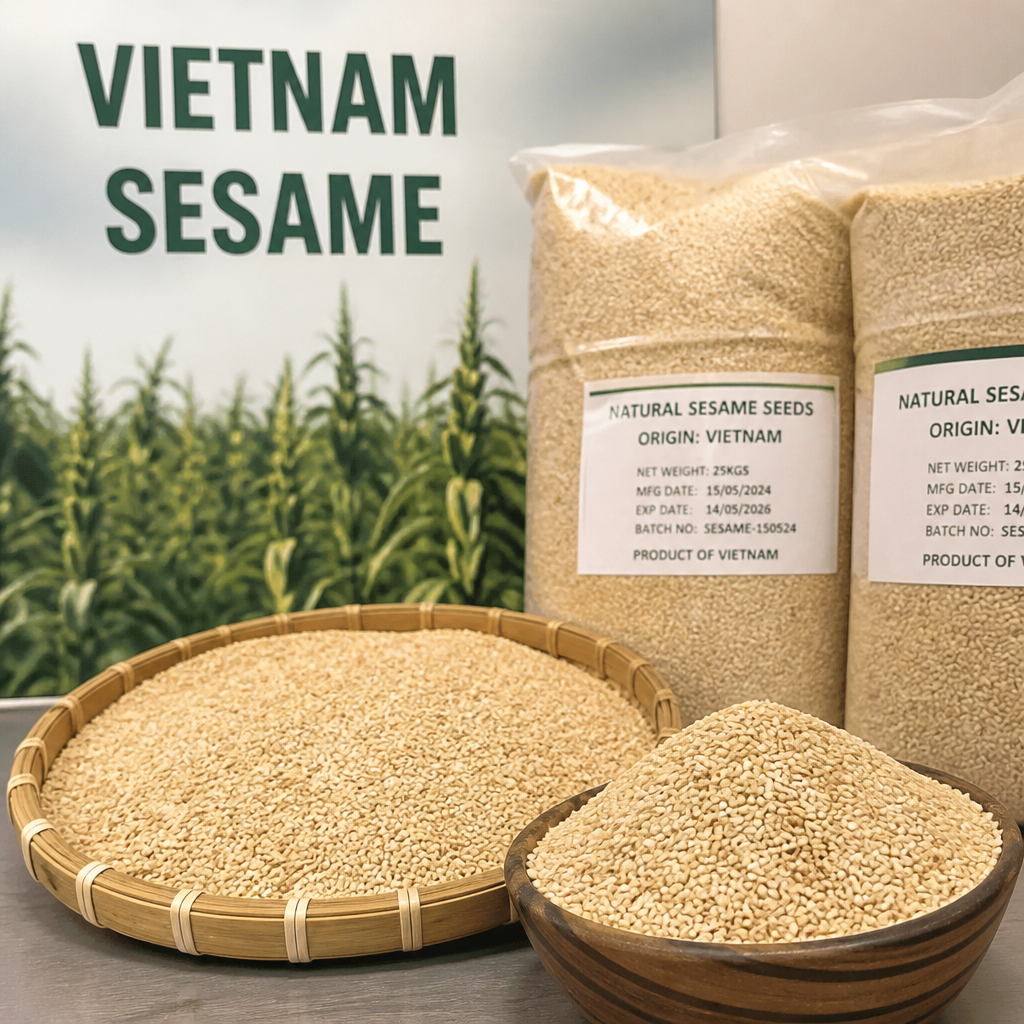
In the competitive landscape of sesame seed export, the packaging process plays a pivotal role in maintaining product quality and meeting international standards. A primary consideration is the use of food-grade materials to ensure that the sesame seeds remain safe for consumption during transit. This involves utilizing packaging materials that are non-toxic and compliant with health regulations, thereby safeguarding the seeds against contamination.
To preserve the freshness of sesame seeds, exporters employ advanced packaging techniques. These methods include vacuum sealing and the use of nitrogen flushing, both of which are designed to prevent oxidation and extend the shelf life of the seeds. By maintaining an optimal environment, these techniques help in retaining the seeds' natural flavor and nutritional value, which is crucial for maintaining customer satisfaction in export markets.
Additionally, labeling and branding are essential components in the packaging process for export markets. Labels must not only comply with regulatory requirements in terms of ingredient listing and nutritional information but also reflect the brand identity. Effective branding can differentiate products in a crowded market, enhancing the appeal of Vietnamese sesame seeds to international buyers. A well-designed label can convey quality and reliability, attributes that are highly valued in global trade.
Benefits of Direct Purchase from Exporters
Engaging directly with Vietnam Sesame Exporters offers several compelling advantages that can significantly enhance the procurement process for businesses. One of the foremost benefits is the elimination of intermediaries, which directly leads to cost savings. By purchasing sesame seeds straight from the source, businesses can avoid the additional markups typically added by middlemen, ensuring a more competitive price point.
Another key advantage is the ability to maintain direct communication with producers. This direct line of communication fosters a better understanding of the product and allows for real-time updates on the production process. It also facilitates quicker responses to any queries or issues that may arise, thereby enhancing the overall efficiency and reliability of the supply chain.
Furthermore, direct purchase allows for the customization of orders and specifications. Businesses can work closely with producers to tailor their orders to meet specific needs, whether it involves adjusting the size, color, or moisture content of the sesame seeds. This level of customization ensures that the product aligns perfectly with the buyer's requirements, which is particularly beneficial for companies with unique processing or production standards.
Building a Legacy of Integrity in the Sesame Seed Industry
In the competitive landscape of the sesame seed industry, the importance of ethical business practices cannot be overstated. Companies like Vietnam Sesame Exporter have recognized that maintaining integrity is not just a moral obligation but a strategic advantage. By adhering to ethical standards, these companies build a reputation that resonates with international buyers who prioritize transparency and fairness.
In international trade, reputation and trust are fundamental. For exporters, building a trustworthy brand is essential for attracting and retaining clients. By committing to ethical practices, transactions are conducted with honesty, fostering confidence among partners and clients globally.
Furthermore, long-term relationships with global partners are cultivated through consistent adherence to ethical guidelines. These relationships are not merely transactional but are built on mutual respect and shared values. Companies that prioritize ethical dealings are more likely to engage in sustainable partnerships, which are essential for enduring success in the global sesame seed market.
Conclusion
In summary, Vietnam's position as a prominent Vietnam Sesame Exporter is underscored by its adherence to rigorous quality standards and its commitment to ethical business practices. The Vietnamese sesame seed industry has established itself as a reliable source of high-quality seeds, meeting international standards such as HACCP and FDA certifications. This has not only fortified Vietnam's reputation but also expanded its reach in key markets across Europe, the Middle East, and Asia.
Looking to the future, the prospects for sesame seed trade appear promising. The global demand for sesame seeds continues to rise, driven by their versatile applications in culinary and non-culinary industries. This upward trend presents significant growth opportunities for exporters who can maintain quality and meet evolving market needs. As global cuisines increasingly incorporate sesame seeds, their role in international trade is expected to expand further.
Ultimately, the emphasis on quality and market trends will be crucial for sustaining this growth. Ensuring purity, optimal moisture content, and compliance with export regulations will remain pivotal. By fostering long-term relationships with global partners and prioritizing integrity, the Vietnamese sesame seed industry is well-positioned to continue its legacy of excellence in the international market.