Vietnam Rubber Wood Exporter offers high-quality, sustainable rubberwood, ideal for eco-friendly furniture manufacturing. Discover its benefits in the global market!
Vietnamese rubberwood has become a significant force in the global timber industry, largely due to its extensive application in furniture manufacturing. Known for its robustness and visual appeal, rubberwood is meticulously processed into sawn timber with precise dimensions and moisture content to meet stringent international standards. This meticulous attention to detail ensures that the wood retains its structural integrity and enhances its attractiveness in the global market. In Vietnam, rubberwood is primarily utilized in the furniture manufacturing sector, where its durability and aesthetic appeal make it a preferred choice among manufacturers and consumers alike. The wood's natural characteristics, combined with precise processing techniques, contribute to its reputation as a reliable and attractive material.
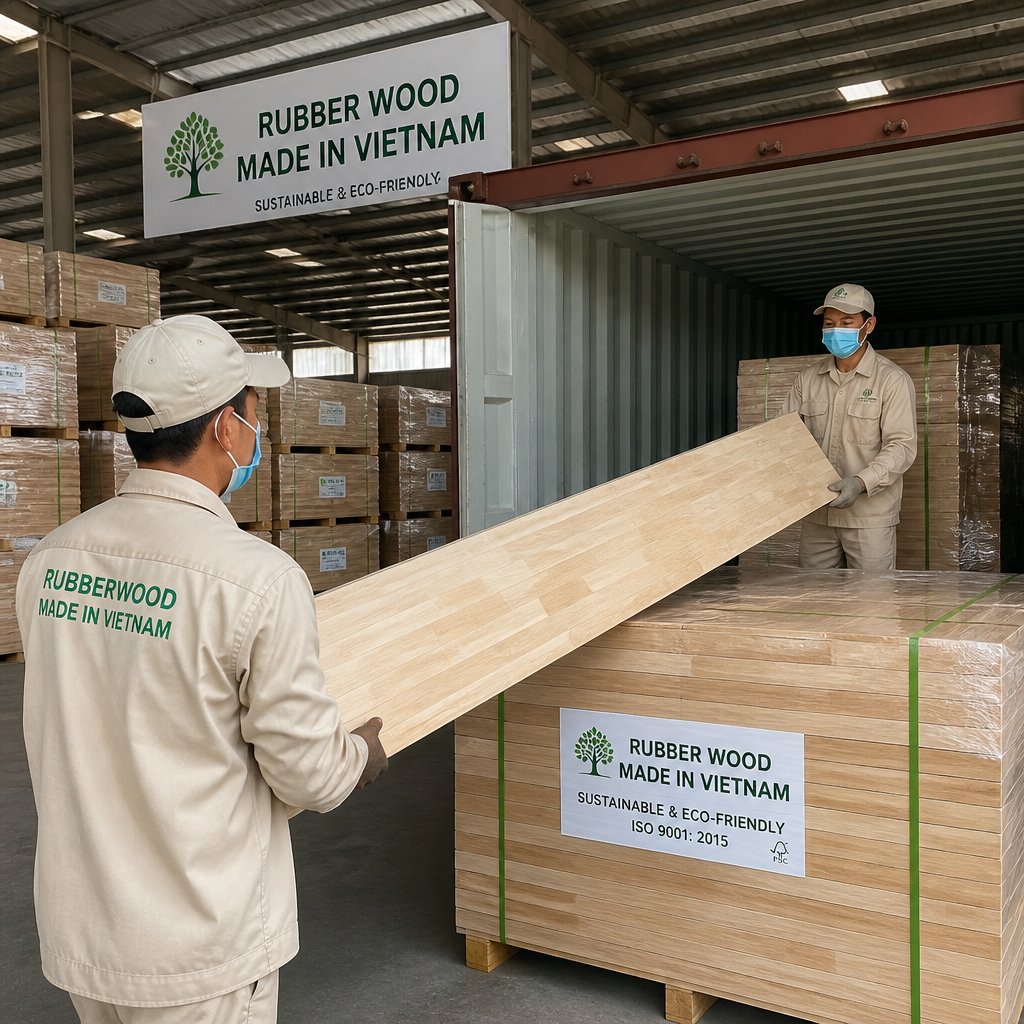
Maintaining the correct moisture content is essential for Vietnamese rubberwood to meet international standards. This processing aspect is crucial as it impacts the wood's stability and longevity. Proper moisture levels prevent warping or cracking, which are vital for maintaining the quality of finished products. Furthermore, the treatment and packaging of rubberwood are key to preserving its quality during storage and transportation. These measures are necessary to uphold the wood's high standards, ensuring it remains a competitive option for global buyers.
Potential Benefits of Improved Rubberwood Use
The Vietnamese rubberwood industry is poised to experience significant growth due to several potential benefits stemming from improved utilization practices. One of the most notable advantages is the increased demand in international markets. As global markets become more aware of the sustainability and versatility of rubberwood, there is a rising interest in products made from this material. This demand is driven by a growing preference for eco-friendly and renewable resources in furniture and construction.
Another significant advantage is the improved reputation of the Vietnamese timber industry. By implementing advanced processing techniques and adhering to international standards, Vietnam can establish itself as a leader in the sustainable timber market. This enhanced reputation not only attracts more buyers but also fortifies the country's brand as a reliable supplier of quality timber products. For example, obtaining certifications from platforms like the FSC (Forest Stewardship Council) can further boost credibility and marketability.
For exporters, the potential for higher profitability is a key incentive. With increased demand and a stronger reputation, Vietnamese exporters can command better prices for their products. Additionally, by expanding into new markets and applications, such as interior design and architectural projects, exporters can diversify their revenue streams and reduce dependency on traditional markets. The ability to cater to diverse applications, from flooring to cabinetry, opens new revenue avenues.
Moreover, the rubberwood industry plays a crucial role in sustainable and eco-friendly furniture production. As a by-product of the latex industry, rubberwood helps reduce waste and supports a circular economy. This aligns with global sustainability trends, making it an appealing choice for environmentally conscious consumers and businesses. As sustainability becomes a key purchasing factor, rubberwood's eco-friendly attributes can serve as a compelling selling point.
Overall, the improved use of rubberwood presents numerous opportunities for growth and development within the Vietnamese timber industry. By capitalizing on these potential benefits, Vietnam can enhance its position as a leading exporter of sustainable timber products.
Steps to Achieve Enhanced Utilization
To enhance Vietnam's position as a leading Vietnam Rubber Wood Exporter, implementing a series of strategic steps is crucial. These measures aim not only to meet the growing global demand but also to ensure that Vietnamese rubberwood retains its competitive edge in the international market.
-
Invest in Advanced Treatment and Processing Technologies:
Investment in cutting-edge technologies is crucial for improving the quality and efficiency of rubberwood processing. By adopting advanced machinery and techniques, Vietnam can enhance the durability and aesthetic appeal of its rubberwood products, making them more attractive to international buyers. Technologies such as CNC (Computer Numerical Control) machines can increase precision and reduce waste.
-
Ensure Compliance with Global Standards for Moisture and Dimensions:
Meeting international standards for moisture content and dimensions is vital for gaining acceptance in global markets. Consistent quality control measures and adherence to these standards will help prevent issues like warping and splitting, thus maintaining the integrity of the wood during transportation and usage. Tools like moisture meters and dimension scanners are essential for compliance.
-
Develop Strategic Packaging Solutions for Export:
Innovative packaging solutions are necessary to protect rubberwood during transit and storage. By focusing on packaging that minimizes damage and maximizes space efficiency, exporters can reduce costs and improve the overall quality of their shipments. Utilizing biodegradable packaging materials can also enhance environmental credentials.
-
Promote Sustainable Practices in Rubberwood Cultivation:
Sustainability is a key selling point in today's market. By implementing eco-friendly cultivation and harvesting practices, Vietnam can position itself as a responsible supplier committed to environmental stewardship. This approach not only enhances market appeal but also aligns with global sustainability goals. Practices such as agroforestry and sustainable land management are critical.
-
Engage in International Marketing and Partnerships:
Building strong international partnerships and marketing strategies is essential for expanding market reach. Engaging with global buyers and participating in international trade shows can open new avenues for Vietnamese rubberwood, fostering collaborations that enhance market penetration and brand reputation. Strategic alliances with global retailers can also increase visibility.
"Investing in technology and sustainability not only enhances product quality but also solidifies Vietnam's position as a leader in the global rubberwood market."
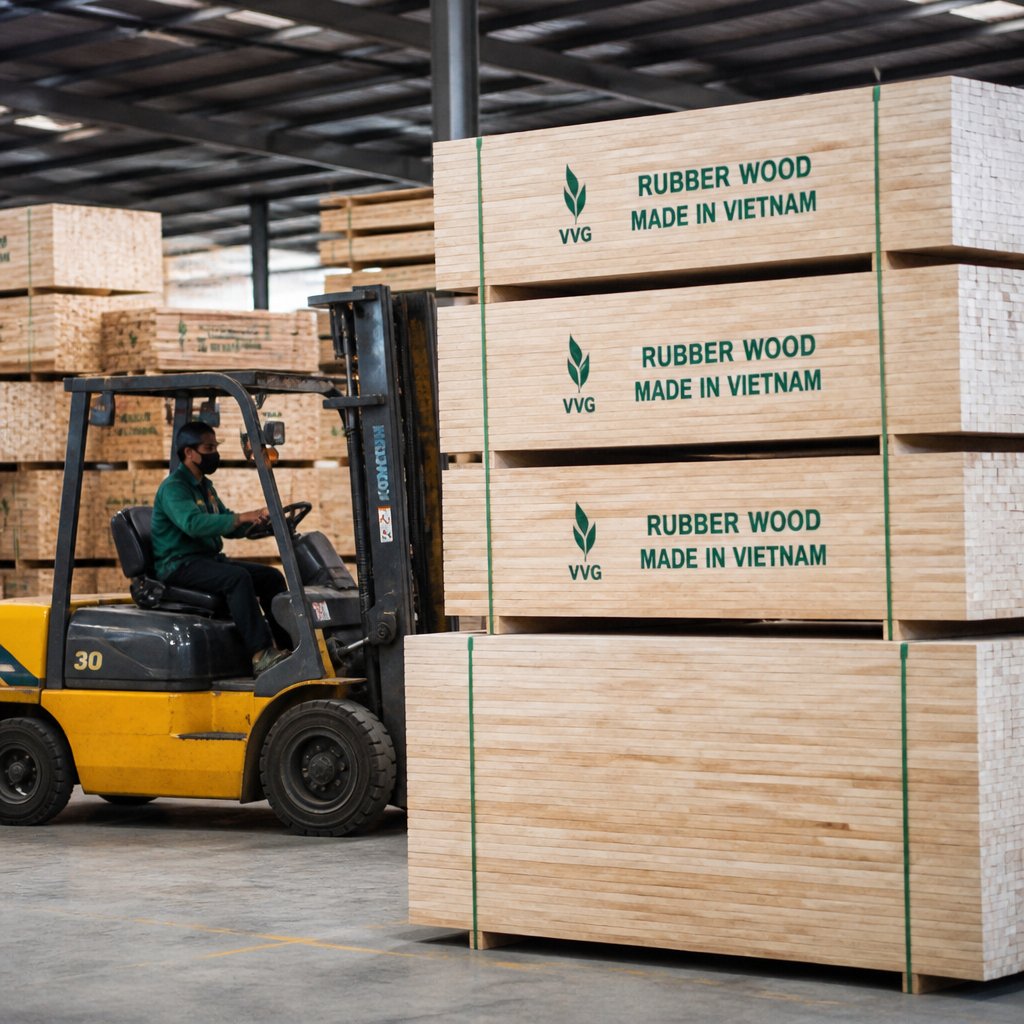
Technological Advancements in Rubberwood Processing
The Vietnamese rubberwood industry is undergoing a transformative phase, driven by significant technological advancements in processing methodologies. These innovations are crucial for maintaining the competitive edge of Vietnam as a leading Vietnam Rubber Wood Exporter.
One of the key advancements is the adoption of state-of-the-art machinery for sawn timber production. Modern machinery not only enhances precision in cutting but also increases production efficiency. This is vital as it allows for the production of timber with specific dimensions that meet international standards, thus expanding the market reach of Vietnamese rubberwood. Automated cutting and shaping machines can significantly reduce labor costs and increase output.
In addition to machinery, the implementation of advanced drying techniques plays a pivotal role in controlling moisture content. Proper moisture control is essential to prevent warping and ensure the durability of the timber, which is a critical quality parameter for international buyers. By improving drying methods, Vietnamese exporters can assure their clients of consistent quality, thereby enhancing trust and long-term business relationships. Techniques such as kiln drying and solar drying are increasingly being adopted.
Furthermore, there is a growing emphasis on eco-friendly treatment methods. As global markets increasingly prioritize sustainability, exploring environmentally friendly treatment options becomes crucial. This not only aligns with international environmental standards but also positions Vietnamese rubberwood as a sustainable choice in the global market. Non-toxic preservatives and natural finishing oils are examples of such methods.
Technology is also pivotal in quality control and assurance. By employing advanced technology for monitoring and quality checks, exporters can ensure that every batch of rubberwood adheres to the stringent quality requirements of various international markets. This capability is crucial for maintaining a consistent reputation and avoiding costly rejections or returns. Digital tracking and automated quality inspection systems are indispensable tools in this process.
"The integration of cutting-edge technology in rubberwood processing is not just an improvement; it's a necessity for staying competitive in the global market."
These technological advancements collectively contribute to a more efficient, sustainable, and competitive rubberwood industry in Vietnam. As these innovations continue to evolve, they pave the way for Vietnamese exporters to enhance their market presence and capitalize on new opportunities in the global timber industry.
Marketing Strategies for Vietnamese Rubberwood
In the competitive landscape of global timber exports, Vietnamese rubberwood stands out due to its durability and aesthetic qualities. These characteristics not only make it an attractive option for furniture manufacturing but also provide a compelling narrative for marketing strategies aimed at international markets.
To effectively position Vietnamese rubberwood, it's crucial to emphasize its role as a sustainable and eco-friendly choice. As environmental concerns become increasingly important to consumers worldwide, highlighting rubberwood's sustainability can significantly enhance its appeal. Rubberwood is harvested from trees that have completed their latex-producing cycle, making it a resource that contributes to environmental conservation rather than depletion.
Targeting specific international markets with tailored strategies is essential for maximizing the reach and impact of Vietnamese rubberwood. For instance, in Europe and North America, where there is a growing demand for eco-friendly products, marketing efforts should focus on the sustainability and environmental benefits of rubberwood. Meanwhile, in Asia, emphasizing its durability and aesthetic appeal might resonate more with consumers looking for quality and design.
- 💡 Participate in global expos and trade shows: Engaging in international expos such as the International Woodworking Fair in Atlanta or the Interzum in Germany can provide Vietnamese exporters with a platform to showcase their products to a global audience, facilitating direct interactions with potential buyers.
- 💡 Build partnerships with international furniture manufacturers: Collaborating with renowned furniture brands can boost the credibility and visibility of Vietnamese rubberwood. Partnerships can lead to co-branded products that highlight the unique qualities of rubberwood, tapping into established distribution networks and consumer bases.
In summary, by focusing on the inherent strengths of rubberwood and strategically positioning it in the global market, Vietnamese exporters can enhance their competitive edge. This approach not only promises to increase market share but also contributes to the long-term sustainability of the timber industry in Vietnam.
Challenges and Solutions in Rubberwood Export
As Vietnam continues to establish itself as a key player in the global rubberwood market, several challenges must be addressed to ensure sustainable growth and competitiveness. These challenges range from logistical hurdles to fierce international competition, each requiring targeted solutions to navigate effectively.
- 💡 Logistical Challenges in Packaging and Transportation: Vietnam Rubber Wood Exporters face significant logistical challenges, particularly in packaging and transportation. The nature of rubberwood demands careful handling to prevent damage and maintain quality during transit. Innovative packaging solutions, such as moisture-resistant materials and shock-absorbent designs, are essential to protect the wood. Additionally, optimizing transportation routes and methods can reduce costs and improve delivery times, enhancing the overall efficiency of the supply chain.
- ⚡ Overcoming Competition from Other Timber-Producing Countries: The global timber market is highly competitive, with countries like Malaysia and Indonesia also vying for dominance. Vietnam must differentiate its rubberwood through unique selling points such as sustainability and eco-friendliness. By leveraging advanced processing technologies and emphasizing the aesthetic and durable qualities of Vietnamese rubberwood, exporters can carve out a niche in the international market.
- ✅ Ensuring Consistent Quality Across Shipments: Maintaining consistent quality is crucial for building and retaining trust with international buyers. Implementing rigorous quality control measures at every stage of production—from sourcing to processing and packaging—helps ensure that each shipment meets the required standards. Utilizing technology for real-time monitoring and quality assurance can further enhance reliability and customer satisfaction.
- 🌍 Navigating International Trade Regulations and Tariffs: Exporting rubberwood involves navigating a complex web of international trade regulations and tariffs. Staying informed about the latest changes in trade policies and tariffs is essential for Vietnamese exporters to avoid unexpected costs and delays. Building a knowledgeable team or partnering with trade experts can help navigate these challenges, ensuring compliance and smooth operations across borders.
"Vietnam's ability to address these challenges will determine its success in the competitive global rubberwood market."
By tackling these challenges head-on, Vietnam Rubber Wood Exporters can enhance their position in the international market, ensuring continued growth and profitability. The implementation of strategic solutions not only addresses current obstacles but also sets the groundwork for future opportunities in the ever-evolving timber industry.