
Vietnam Rubber Sheet Exporter provides high-quality natural and synthetic rubber sheets, ideal for automotive, construction, and industrial applications, ensuring durability and performance.
Vietnamese rubber sheet exporters typically offer various types of rubber sheets, including natural, synthetic, and specialty rubber sheets. Each type of rubber sheet is designed to meet specific needs, offering unique properties that make them suitable for a wide range of applications. Natural rubber sheets are known for their excellent elasticity and tensile strength, making them ideal for applications requiring high durability. On the other hand, synthetic rubber sheets, such as neoprene and EPDM, offer superior resistance to chemicals, temperature variations, and UV exposure, which is crucial for industrial uses. Specialty rubber sheets are tailored for niche applications, providing unique properties like enhanced oil resistance or electrical insulation.
Rubber sheets come in various thicknesses and dimensions to suit different applications. Standard thicknesses range from 1mm to 50mm, with widths typically up to 2 meters. This range enables manufacturers and suppliers to meet diverse customer needs, ensuring rubber sheets fit specific applications without excess waste or modification.
Hardness is another critical factor when selecting rubber sheets, and it is measured using the Shore A scale. This scale helps determine the flexibility and rigidity of the rubber material, ranging from soft and flexible (around 30 Shore A) to hard and rigid (up to 90 Shore A). Understanding the hardness of rubber sheets allows users to choose the right material for their application, whether it be for cushioning, sealing, or structural support.
Materials Used in Rubber Sheets
Rubber sheets, a versatile material used across various industries, are crafted from different types of rubber, each offering unique properties and applications. Understanding the materials used in rubber sheets is crucial for selecting the right type for specific needs.
Firstly, natural rubber is a key material used in rubber sheets. Derived from the latex of rubber trees, natural rubber is known for its excellent elasticity, tensile strength, and resistance to wear and tear. These properties make it ideal for applications requiring high durability and flexibility, such as in the automotive and industrial sectors. Its ability to maintain performance under a wide range of temperatures further enhances its appeal, ensuring reliability in various environmental conditions.
In addition to natural rubber, synthetic rubber plays a significant role in the composition of rubber sheets. Among the various types of synthetic rubber, neoprene and EPDM (Ethylene Propylene Diene Monomer) are particularly noteworthy. Neoprene is valued for its superior resistance to oil, chemicals, and weathering, making it suitable for outdoor applications and environments exposed to harsh chemicals. On the other hand, EPDM is renowned for its excellent weather resistance, particularly against ozone and UV exposure, which makes it a preferred choice for roofing and automotive seals.
Moreover, specialty rubbers are utilized for specific applications where standard rubber types may not suffice. These rubbers are engineered to meet unique requirements such as extreme temperature resistance, enhanced chemical stability, or specific mechanical properties. For instance, silicone rubber is often used in high-temperature applications due to its ability to withstand extreme heat without degrading.
"The choice of rubber material is critical in ensuring the performance and longevity of rubber sheets in their respective applications."
Each type of rubber, whether natural, synthetic, or specialty, brings distinct advantages to rubber sheets, allowing manufacturers and end-users to select the most appropriate material based on their specific needs and industry requirements. This diversity in materials not only enhances the functionality of rubber sheets but also expands their application across various sectors.
Advantages of Rubber Sheet Variability
The flexibility and adaptability of rubber sheets are among the key factors that make them indispensable in various industries. A primary advantage lies in their customizable thickness and dimensions, which can be tailored to meet diverse needs. This customization allows manufacturers and suppliers, like the Vietnam Rubber Sheet Exporter, to provide products that precisely match the specific requirements of different applications, whether they are used in automotive, construction, or industrial sectors.
Rubber sheets are renowned for their versatility in applications. In the automotive industry, for instance, they are used in sealing and insulation, while in construction, they serve purposes such as flooring and waterproofing. Industrial applications include machinery gaskets and vibration dampening. This wide range of uses is possible because rubber sheets can be engineered to exhibit different properties, making them suitable for varied and demanding environments.
Another significant advantage is the variety in hardness that rubber sheets offer, measured in Shore A. This variety provides users with the flexibility to choose the appropriate hardness for their specific application. For example, softer rubber sheets might be preferred for applications requiring more flexibility and cushioning, whereas harder sheets could be used where durability and resistance to wear are crucial.
This variability enhances the functional performance of rubber sheets, ensuring seamless integration into existing systems and processes. Such adaptability is key to their widespread adoption and sustained demand across various industries.
Applications of Rubber Sheets
Rubber sheets are a cornerstone in various industries due to their adaptability and diverse applications. As a Vietnam Rubber Sheet Exporter, understanding these applications is key to meeting the needs of different sectors. Let's delve into specific uses across three major industries: automotive, construction, and industrial.
- 🚗 Automotive Uses: In the automotive industry, rubber sheets are indispensable for sealing and insulation. They are used in components like door seals and window gaskets, which are crucial for maintaining the integrity of the vehicle's interior environment. This not only enhances comfort but also protects against external elements and noise, contributing to a smoother driving experience.
- 🏗️ Construction Applications: In construction, rubber sheets play a vital role in flooring and waterproofing. Their durability and resistance to wear make them ideal for high-traffic areas such as commercial buildings and public spaces. Furthermore, their waterproofing capabilities are essential for protecting structures against moisture damage, ensuring longevity and reducing maintenance costs.
- ⚙️ Industrial Uses: The industrial sector leverages rubber sheets for machinery gaskets and vibration dampening. These sheets provide the necessary flexibility and resilience to withstand harsh conditions and heavy machinery operations. By effectively dampening vibrations, they help in reducing noise and minimizing wear and tear on equipment, thereby extending machinery life and improving operational efficiency.
These applications underscore the versatility of rubber sheets and their crucial role in boosting performance and cutting costs across industries. Consequently, the demand for quality rubber sheets from suppliers, such as those in Vietnam, continues to rise, highlighting their importance in modern industrial applications.
Packaging and Delivery Options
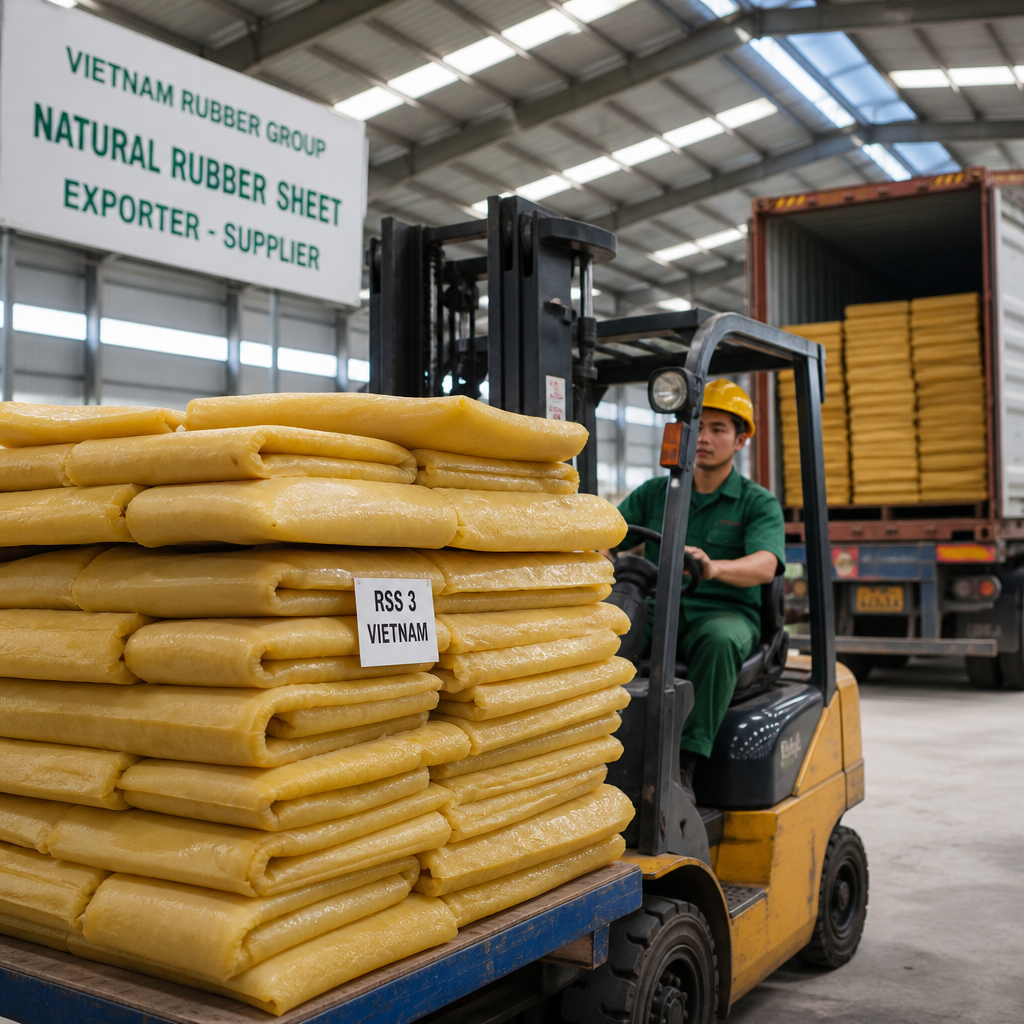
In the realm of rubber sheet exports, particularly from Vietnam, packaging and delivery options play a crucial role in ensuring product integrity and customer satisfaction. The Vietnam Rubber Sheet Exporter offers versatile packaging solutions tailored to meet diverse client needs, setting a benchmark in the industry.
Rubber sheets can be packaged either in rolls or as flat sheets, depending on the specific requirements of the client. This flexibility allows for optimal storage and transportation, catering to different logistical needs. For instance, packaging in rolls is often preferred for bulk shipments, as it maximizes space efficiency and reduces handling time. Conversely, flat sheet packaging is ideal for clients who require immediate use of the product upon delivery, such as in construction or manufacturing settings.
The importance of proper packaging cannot be overstated, especially when it comes to transporting rubber sheets over long distances. Effective packaging safeguards the product against environmental factors, such as moisture and temperature fluctuations, which could otherwise compromise the quality of the rubber. Moreover, robust packaging prevents physical damage during transit, ensuring that the product reaches the client in pristine condition.
Customization in packaging further elevates the service provided by Vietnam Rubber Sheet Exporter. Clients can specify packaging preferences for branding or logistical needs. For instance, a client might request reinforced packaging for international shipping or eco-friendly materials to meet sustainability goals. This customization not only meets client expectations but also strengthens the supplier-client relationship through personalized solutions.
"Proper packaging is not just about protection; it's about delivering quality and maintaining trust in every shipment."
By offering these tailored packaging and delivery options, Vietnam Rubber Sheet Exporter not only ensures the safe and efficient transport of their products but also underscores their commitment to customer-centric service. This adaptability in packaging solutions highlights the company's dedication to meeting the evolving needs of the global market.
Custom Production Options
One of the standout features offered by Vietnam Rubber Sheet Exporter is the ability to customize rubber sheets based on client specifications. This customization is not merely about adjusting dimensions or thickness but extends to tailoring the entire production process to meet unique application needs. This level of customization ensures that clients receive products that perfectly align with their specific requirements, enhancing the performance and efficiency of their operations.
The benefits of tailored solutions are manifold. For instance, in industries where precise sealing or insulation is crucial, such as in automotive or construction, having rubber sheets that fit exact specifications can significantly improve functionality. Custom production allows for adjustments in material composition, hardness, and even color, ensuring that the product not only meets technical requirements but also aesthetic preferences when necessary.
Examples of custom production processes include the use of specialized molds to create unique shapes or profiles that standard rubber sheets cannot provide. Additionally, clients may require specific blends of natural and synthetic rubbers to achieve desired properties like enhanced durability or resistance to extreme temperatures. These tailored production capabilities highlight the flexibility and innovation that Vietnam Rubber Sheet Exporter brings to the table, making them a preferred supplier for businesses seeking bespoke rubber solutions.
"Customization is not just an option; it's a necessity for industries seeking to optimize their product performance and operational efficiency."
In summary, offering custom production options distinguishes Vietnam Rubber Sheet Exporter in the competitive global market, enabling them to serve a wide range of industries with diverse and specific needs.
Benefits of Using Rubber Sheets
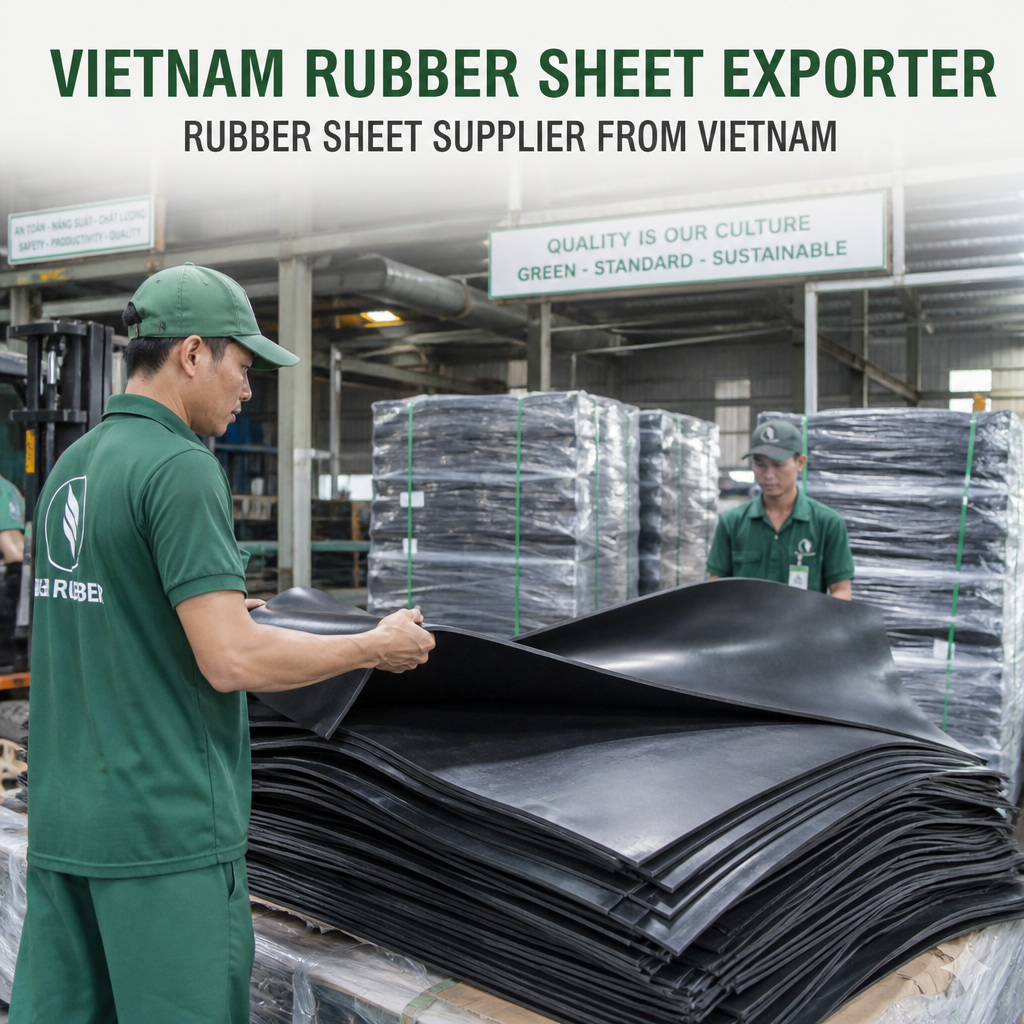
Rubber sheets provide a multitude of benefits, making them an essential component in various industrial and commercial applications. One of the most significant advantages is their durability and longevity under a wide range of conditions. Natural rubber, for instance, is renowned for its ability to withstand extreme temperatures and resist wear and tear, ensuring that products made from it last longer and require less frequent replacement. This durability is particularly beneficial in industries such as automotive and construction, where materials are constantly exposed to harsh environments.
Another key benefit is the cost-effectiveness of rubber sheets, especially in industrial applications. The initial investment in high-quality rubber sheets often translates into long-term savings, as their durability reduces the need for frequent replacements. For example, in machinery gaskets and vibration dampening, using rubber sheets can significantly cut down maintenance costs and downtime, improving overall operational efficiency.
Furthermore, the environmental benefits of using natural rubber cannot be overlooked. As a renewable resource, natural rubber is more sustainable compared to synthetic alternatives, which are often derived from petroleum-based products. The use of natural rubber sheets contributes to reducing the carbon footprint of manufacturing processes, aligning with global efforts towards more sustainable industrial practices.
"The use of natural rubber sheets not only enhances product longevity but also supports environmental sustainability by minimizing the reliance on non-renewable resources."
In conclusion, the benefits of using rubber sheets are manifold, encompassing durability, cost-effectiveness, and environmental sustainability. These attributes make rubber sheets an invaluable material for a wide array of applications, reinforcing the reputation of Vietnam as a leading rubber sheet exporter.
Conclusion: The Value of Rubber Sheets in Industry
Rubber sheets are renowned for their versatility and adaptability, making them indispensable across a wide array of industries. Their ability to be customized in terms of thickness, dimensions, and hardness allows them to meet the specific needs of various sectors, from automotive to construction and industrial applications. This adaptability ensures that they remain a preferred choice for businesses looking to optimize performance and efficiency in their operations.
Several key industries benefit significantly from the use of rubber sheets. In the automotive sector, rubber sheets are essential for sealing and insulation purposes, contributing to vehicle safety and comfort. In the construction industry, they are utilized for flooring and waterproofing, providing durability and resilience in various environmental conditions. The industrial sector also heavily relies on rubber sheets for machinery gaskets and vibration dampening, which are crucial for maintaining equipment longevity and operational efficiency.
Looking to the future, the potential for innovation in rubber sheet production is immense. Advances in material science and manufacturing technologies are paving the way for the development of more specialized and high-performance rubber sheets. For instance, the integration of nanotechnology could lead to enhanced properties such as increased strength and resistance to extreme temperatures. Additionally, the growing emphasis on sustainability is driving research into environmentally friendly alternatives, such as biodegradable rubber sheets, which could revolutionize the industry by reducing its environmental footprint.
The adaptability of rubber sheets continues to evolve, promising new solutions and applications across diverse industries, ensuring their relevance and demand in the years to come.
In conclusion, as a leading Vietnam Rubber Sheet Exporter, the ability to harness these innovations and adapt to changing market demands will be crucial for maintaining a competitive edge and delivering value to global clients.







