Vietnam Rubber Exporter stands out as a leading supplier of high-quality natural rubber, offering grades like SVR 3L, SVR 10, and SVR CV60 to meet global industrial needs.
Vietnam is recognized as a pivotal player in the global rubber industry, establishing itself as one of the leading producers and exporters of natural rubber. The country's rubber production is diverse, offering a variety of natural rubber types such as SVR 3L, SVR 10, and SVR CV60. These grades are essential in meeting the industrial needs of international markets, thus highlighting Vietnam's significant role in the global rubber supply chain. The strategic export markets for Vietnam include major economies like China, the United States, and the European Union, underscoring its influence in the industry.
The different types of natural rubber exported by Vietnam are crucial for understanding the dynamics of its rubber market. SVR 3L is renowned for its high purity and low dirt content, making it ideal for high-performance applications such as tire manufacturing and conveyor belts. SVR 10, known for its balanced properties, is widely used in industrial applications like shoe soles and automotive parts. Meanwhile, SVR CV60 is valued for its consistent viscosity, which is perfect for products requiring uniformity in processing, such as medical equipment and high-performance tires. These diverse offerings enable Vietnam to cater to specific industrial applications, thereby enhancing its competitive edge in the global market.
Vietnam's main export markets significantly influence its rubber industry. China, as the largest importer of Vietnamese rubber, plays a crucial role in shaping production trends and pricing strategies. The United States and the European Union, with their stringent quality requirements, push Vietnamese producers to maintain high standards. This diverse market presence stabilizes Vietnam's rubber industry while also providing a buffer against market fluctuations, ensuring sustained growth and profitability for Vietnamese rubber exporters.
Detailed Grades and Specifications of Rubber
Vietnam Rubber Exporter offers a diverse range of rubber grades, each with specific technical specifications and industrial applications. Among the most prominent are SVR 3L, SVR 10, and SVR CV60. These grades not only meet the stringent demands of global markets but also highlight Vietnam's capability as a leading rubber supplier.
SVR 3L
SVR 3L is known for its high purity and light color, making it highly suitable for applications where appearance is critical. Technically, it boasts a dirt content of less than 0.03% and a volatile matter content of less than 0.8%. This grade is predominantly used in the manufacturing of products such as tires and conveyor belts, where the quality of rubber is paramount.
SVR 10
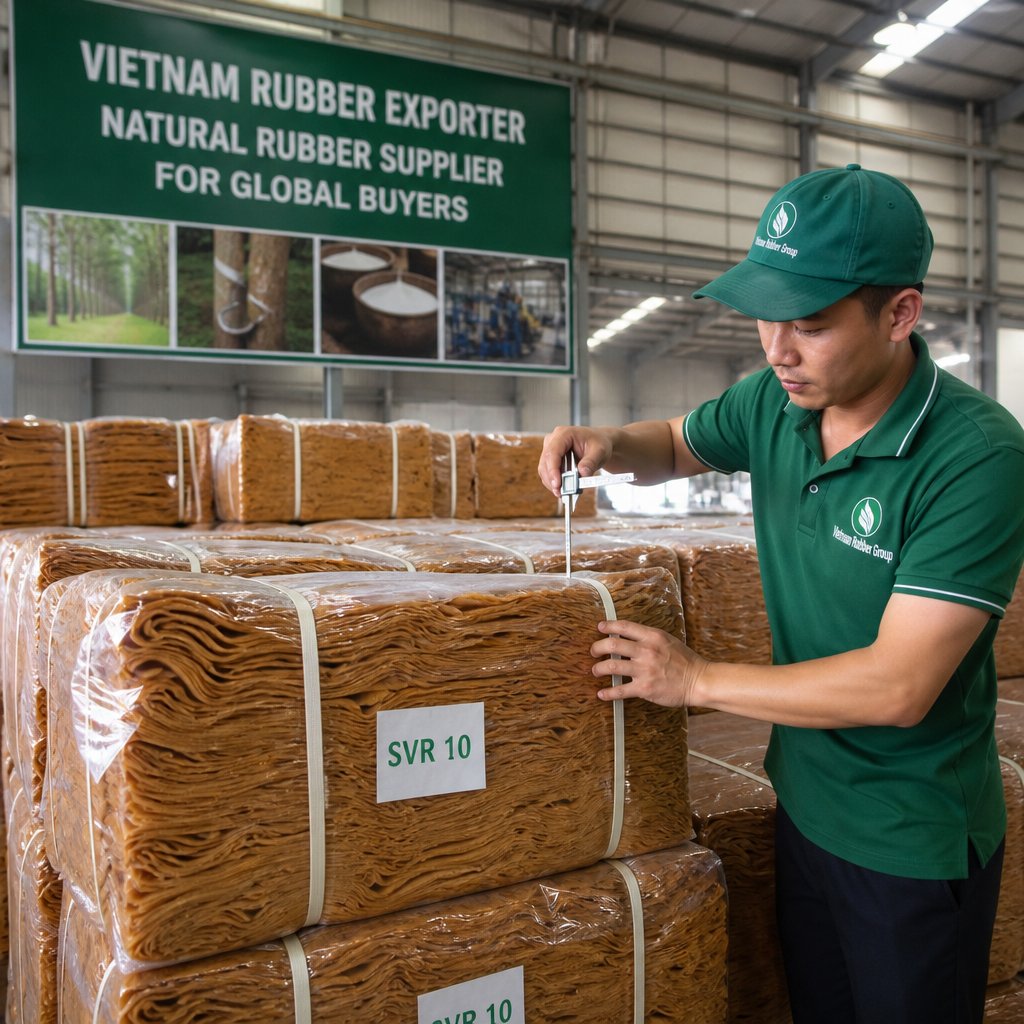
SVR 10 is characterized by its good elasticity and moderate viscosity, with a dirt content of less than 0.1% and a volatile matter content of less than 0.8%. Its robust properties make it ideal for industrial applications such as shoe soles and automotive parts. The balance between cost and performance makes SVR 10 a popular choice among manufacturers.
SVR CV60
SVR CV60 stands out due to its consistent viscosity, achieved through a controlled vulcanization process. With a dirt content of less than 0.05% and a volatile matter content of less than 0.8%, this grade is particularly favored in precision applications such as medical equipment and high-performance tires, where uniformity and reliability are crucial.
"Vietnam Rubber Exporter continues to set the standard with its range of high-quality rubber grades, meeting the diverse needs of industries worldwide."
In summary, the technical specifications and varied applications of SVR 3L, SVR 10, and SVR CV60 underscore Vietnam's strength in the global rubber market. These grades fulfill different industrial needs and enhance the country's reputation as a reliable supplier of natural rubber.
Packaging Options for Rubber Products
When it comes to exporting rubber from Vietnam, packaging plays a crucial role in ensuring the efficiency and safety of transportation. Vietnam Rubber Exporter employs two primary packaging methods: bales and pallets. Each method is tailored to meet specific logistical needs and buyer preferences, which is essential in maintaining the integrity and quality of the rubber during transit.
- ✅ Bales: One of the most common packaging methods used for rubber products is bales. This method involves compressing the rubber into dense, compact units, which significantly reduces the volume of the product. The compact nature of bales allows for more efficient use of space in shipping containers, thereby reducing transportation costs. Additionally, bales are easier to handle and stack, facilitating smoother loading and unloading processes.
- ✅ Pallets: Another widely used method is palletization. Rubber products are stacked and secured on pallets, which provide a stable base for transportation. This method is particularly advantageous when dealing with larger quantities or when the rubber needs to be moved multiple times during transit. Pallets offer enhanced protection against damage and make it easier to move products using forklifts, thereby improving handling efficiency.
The choice between bales and pallets often hinges on the specific requirements of the buyer. Some buyers may prefer bales for their cost-effectiveness, while others might opt for pallets due to their ease of handling. Vietnam Rubber Exporter demonstrates flexibility in adapting to these preferences, ensuring that the packaging method aligns with the buyer's logistical needs and market standards.
"Packaging is not just a means of containment; it is a strategic component in the supply chain that can significantly impact cost and efficiency," notes a logistics expert in the industry.
Ultimately, the packaging options provided by Vietnam Rubber Exporter are not only about meeting the immediate need for safe transportation but also about optimizing the entire supply chain process. By accommodating buyer preferences and emphasizing transport efficiency, the company ensures that its rubber products arrive at their destinations in optimal condition, ready to meet the demands of global markets.
Container Loading Processes
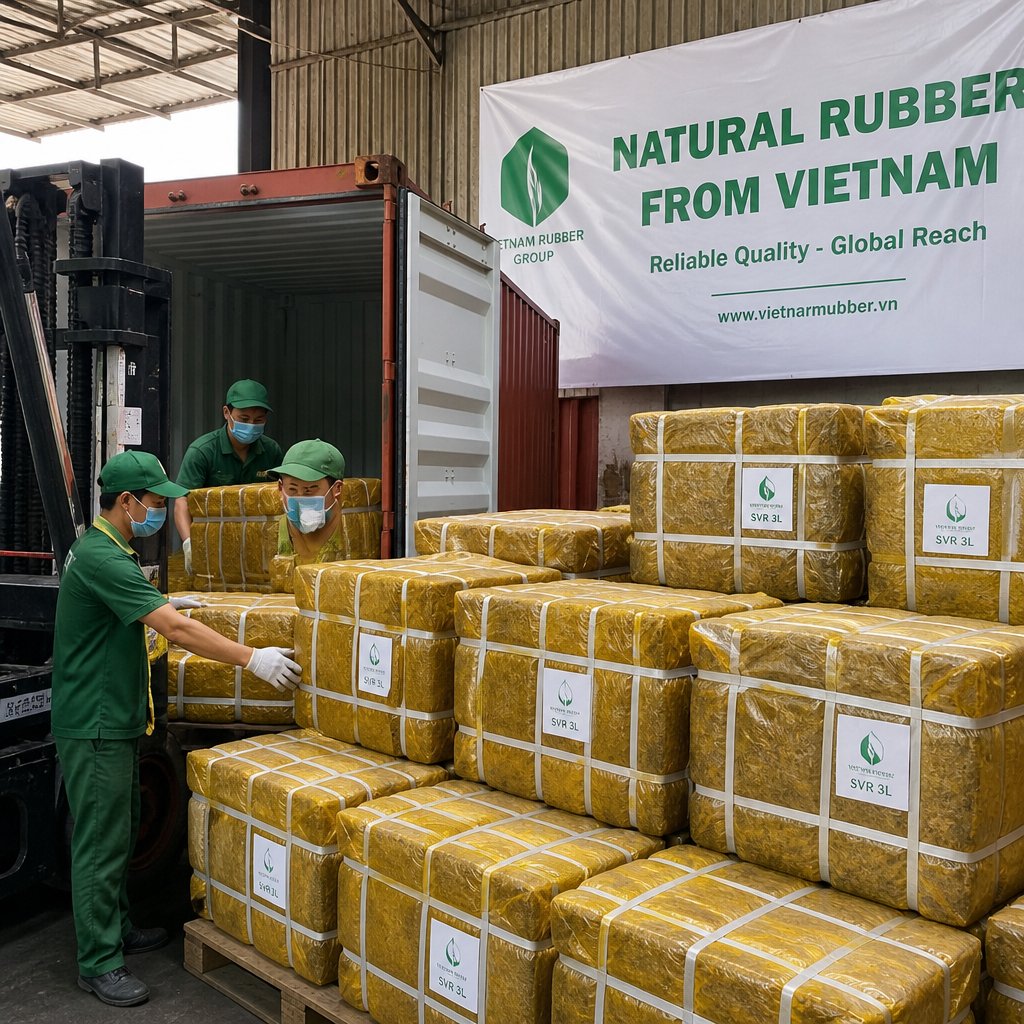
The container loading process is a crucial aspect of the logistics chain for Vietnam Rubber Exporter, impacting both the efficiency and cost-effectiveness of transporting natural rubber to global buyers. By employing advanced optimization techniques, the company ensures that each container is loaded to maximize space and minimize waste, thereby reducing shipping costs and environmental impact.
One of the key optimization techniques involves the strategic arrangement of rubber bales and pallets within the container. By utilizing specialized software, Vietnam Rubber Exporter can calculate the optimal stacking pattern that accommodates the maximum weight and volume permissible by international shipping standards. This not only ensures compliance with regulations but also leverages every inch of container space, reducing the number of shipments required.
Efficiency in transportation is further enhanced by the streamlined loading processes employed by the company. For instance, the use of mechanized equipment such as forklifts and conveyor belts speeds up the loading time, allowing for quicker turnaround and reduced labor costs. This efficiency is vital in meeting the tight schedules often demanded by international buyers who rely on timely deliveries to maintain their supply chains.
Common practices in the industry also play a significant role in shaping Vietnam Rubber Exporter's loading processes. Adhering to industry standards, the company employs meticulous quality checks at each stage of loading to prevent damage to the rubber products during transit. Furthermore, the use of moisture barriers and protective coverings ensures that the rubber maintains its quality from the point of origin to the final destination.
"By optimizing container loading, Vietnam Rubber Exporter reduces logistics costs and enhances its competitiveness in the global market," notes an industry expert.
Overall, the container loading processes adopted by Vietnam Rubber Exporter exemplify a blend of technological innovation and industry best practices. This strategic approach not only boosts the efficiency of transportation but also aligns with the company's commitment to delivering high-quality natural rubber to its international clientele, reinforcing its position as a leading supplier in the global market.
Buyer Requirements for Sourcing Rubber
When sourcing rubber from Vietnam, buyers must navigate a landscape defined by stringent international quality standards and certifications. These standards, such as ISO 9001 and ISO 14001, are not merely formalities; they are crucial benchmarks that ensure the quality and environmental management of rubber products. Compliance with such standards is pivotal for buyers who aim to maintain high-quality supply chains and meet the regulatory requirements of their respective markets.
Buyers also have specific demands that go beyond basic quality certifications. They often require tailored specifications to suit their industrial applications, whether it be for tire manufacturing, footwear, or automotive parts. For instance, some buyers may demand rubber with specific tensile strength or elasticity to enhance the performance of their final products. Meeting these precise demands is essential for suppliers like Vietnam Rubber Exporter to secure long-term contracts and foster trust with international clients.
The importance of compliance cannot be overstated. Adhering to these standards and meeting buyer-specific requirements not only facilitates smoother transactions but also enhances the reputation of suppliers on the global stage. For example, failure to comply with quality standards can lead to shipment rejections, financial losses, and damage to business relationships. Conversely, consistent compliance opens doors to new markets and opportunities, allowing Vietnamese suppliers to expand their reach and solidify their standing as reliable partners in the global rubber industry.
"Adhering to international quality standards and meeting specific buyer demands are not just options but necessities for success in the competitive global market."
Industrial Applications of Vietnam's Rubber
Vietnam's rubber industry plays a pivotal role in various industrial sectors, contributing significantly to the country's export economy. One of the primary applications of natural rubber from Vietnam is in the tire manufacturing industry. As global demand for vehicles continues to rise, the need for high-quality tires is also increasing. Vietnamese rubber, known for its durability and elasticity, is a key component in producing tires that meet international standards.
In addition to tires, Vietnam's rubber is extensively used in the footwear industry. The versatility and resilience of natural rubber make it an ideal material for producing soles and other components of shoes. With the global footwear market projected to grow steadily, the demand for rubber in this sector remains robust. This trend is particularly evident in countries with large manufacturing bases, such as China and India, where Vietnamese rubber is a preferred choice due to its quality and cost-effectiveness.
The automotive parts industry also heavily relies on natural rubber for various components, including seals, gaskets, and hoses. As the automotive industry evolves with technological advancements and a shift towards more sustainable practices, the demand for reliable and sustainable materials like natural rubber is expected to increase. Vietnam's ability to supply high-quality rubber contributes to its strategic importance in this sector.
These industrial applications not only highlight the versatility of Vietnam's rubber but also underscore its impact on the country's export economy. As a leading Vietnam Rubber Exporter, the nation benefits from the steady demand across these industries, which supports economic growth and provides employment opportunities. The consistent demand trends in tire manufacturing, footwear, and automotive parts ensure that Vietnam remains a crucial player in the global rubber market.
"Vietnam's rubber exports have bolstered the country's economy, contributing significantly to its GDP and providing a stable source of income for many local communities," according to industry experts.
Challenges and Opportunities in the Rubber Export Industry
The Vietnam Rubber Exporter faces a complex landscape marked by both challenges and opportunities that shape its future trajectory. Understanding these dynamics is crucial for stakeholders looking to navigate the global rubber market effectively.
Currently, the industry grapples with several significant challenges. One major issue is the volatility in global rubber prices, which can be influenced by factors such as fluctuations in crude oil prices and changing demand from major markets like China and the United States. This price instability poses risks to profitability and planning. Additionally, environmental concerns and stricter international regulations on rubber production and exportation create further hurdles. Compliance with these regulations often requires significant investment in sustainable practices and technologies.
Despite these challenges, there are substantial growth opportunities for Vietnam’s rubber industry. The increasing global demand for natural rubber, driven by its applications in tire manufacturing, automotive parts, and footwear, presents a promising avenue for expansion. Moreover, Vietnam's strategic position as a leading rubber producer in Southeast Asia offers a competitive advantage in catering to the burgeoning markets in the region.
"Vietnam's rubber industry is poised for growth, leveraging its robust production capabilities and strategic geographic location to meet rising global demand."
Looking ahead, the future outlook for Vietnam's rubber exports is optimistic. Efforts to enhance production efficiency and invest in sustainable practices can bolster Vietnam's position in the global market. Furthermore, diversifying export markets and strengthening trade relations with emerging economies can mitigate risks associated with market concentration. The industry's adaptability to evolving market demands and regulatory landscapes will be pivotal in sustaining its growth trajectory.
In conclusion, while the Vietnam Rubber Exporter encounters challenges, the potential for growth and expansion is significant. By addressing current issues and capitalizing on opportunities, Vietnam can continue to solidify its status as a key player in the global rubber industry.