Vietnam RSS Rubber Exporter delivers high-quality Ribbed Smoked Sheet rubber, essential for automotive and manufacturing industries, ensuring durability and performance.
RSS rubber, or Ribbed Smoked Sheet rubber, plays a pivotal role across various industries due to its versatile properties and applications. As a fundamental material in the production of tires, footwear, and numerous industrial products, its significance cannot be overstated. The automotive industry, for example, heavily relies on high-quality RSS rubber for manufacturing durable tires that ensure safety and efficiency. Similarly, the construction sector utilizes this rubber for its elasticity and strength, making it an indispensable component in products like seals and gaskets.
The benefits of high-quality RSS rubber are manifold. It offers superior durability and performance, which are critical in demanding applications. High-quality RSS rubber is known for its excellent tensile strength and resistance to wear and tear, making it ideal for products that require long-lasting materials. Moreover, this quality ensures that products maintain their integrity under various environmental conditions, from extreme temperatures to high-pressure scenarios.
Recognizing the various grades of RSS rubber is essential for informed decision-making, whether in manufacturing or procurement. Each grade, categorized by quality, texture, and color, dictates the rubber's specific applications and pricing. For example, higher grades are often reserved for premium products where performance is critical, while lower grades may be suitable for less demanding applications. This grading system enables manufacturers and suppliers, including Vietnam RSS Rubber Exporters, to effectively meet diverse industrial requirements.
Understanding RSS Rubber Grades
In the realm of rubber production and trade, the classification of Ribbed Smoked Sheet (RSS) rubber into different grades is a fundamental aspect that directly influences its application and market value. Understanding these grades is crucial for anyone involved in the industry, from producers to consumers, as it ensures informed decision-making and optimal utilization of resources.
RSS rubber is classified into several grades, typically ranging from RSS1 to RSS5. These grades are determined based on a set of stringent criteria focusing on the quality, physical, and chemical properties of the rubber. The quality of RSS rubber is evaluated by its cleanliness, texture, and consistency, while the physical properties include aspects such as the color and thickness of the sheets. Chemical properties, on the other hand, are assessed through parameters like the rubber's tensile strength and elasticity, which affect its performance and durability in various applications.
The grading of RSS rubber plays a pivotal role in determining its applications and price. Higher-grade RSS rubber, such as RSS1, is often used in industries that demand superior quality and performance, like the automotive sector, due to its higher tensile strength and lower impurity levels. Conversely, lower grades like RSS5 may be utilized in applications where such stringent quality is not as critical, allowing for cost savings.
"The grade of RSS rubber not only dictates its market price but also its suitability for specific industrial applications."
For instance, Vietnam, a notable Vietnam RSS Rubber Exporter, leverages its understanding of these grades to cater to diverse market needs, ensuring that each batch of rubber meets the specific requirements of its intended use. This strategic approach not only maximizes the value derived from the rubber but also enhances Vietnam's reputation as a reliable supplier of high-quality RSS rubber.
Quality Specifications and Characteristics
When it comes to Vietnam RSS Rubber Exporter, understanding the quality specifications and characteristics of Ribbed Smoked Sheet (RSS) rubber is essential for making informed decisions. The quality of RSS rubber is determined by a set of detailed specifications that ensure its suitability for various industrial applications. These specifications are crucial for maintaining the performance and longevity of the rubber products.
Firstly, the physical characteristics of RSS rubber play a significant role in its application. The texture of the rubber is an important quality marker, often described as smooth or slightly ribbed, which affects its processing and handling. The color of RSS rubber typically ranges from light brown to dark brown, indicating the level of purity and processing it has undergone. Additionally, the thickness of the sheets is standardized to meet specific industrial requirements, ensuring consistency in performance.
Beyond physical properties, the chemical properties of RSS rubber are critical in influencing its performance and durability. The rubber must possess the right balance of elasticity and tensile strength to withstand various environmental conditions. Chemical composition, including the presence of natural proteins and impurities, can affect the rubber's resistance to aging and degradation.
"The chemical stability of RSS rubber is pivotal for its application in industries that demand high durability and resilience."
In summary, the quality specifications and characteristics of RSS rubber are multifaceted, encompassing both physical and chemical aspects that determine its suitability for diverse industrial uses. By understanding these specifications, stakeholders can ensure that the RSS rubber they procure meets the highest standards of quality and performance.
Packaging and Its Importance
In the export of RSS rubber, packaging plays a pivotal role in ensuring the product reaches its destination in optimal condition. Standard packaging methods are essential for maintaining the quality and integrity of the rubber sheets during transit. These methods typically involve the use of wooden pallets, shrink wraps, and protective coverings to shield the rubber from environmental factors such as moisture and temperature fluctuations.
Proper packaging is not merely a logistical concern; it is crucial for preserving the quality of the RSS rubber. The packaging acts as a barrier against contamination and physical damage, which can significantly degrade the product's quality. For instance, exposure to moisture can lead to the rubber becoming sticky or developing mold, which in turn affects its usability and market value.
Leading exporters, such as those in Thailand and Malaysia, adhere to stringent packaging standards to ensure their products meet international quality expectations. These standards often include the use of high-grade materials that provide excellent protection against environmental hazards. For example, some exporters use vacuum-sealed packaging to create an airtight environment that prevents oxidation and preserves the rubber's natural properties.
"Proper packaging is as crucial as the quality of the product itself," says a representative from a top Vietnam RSS Rubber Exporter.
In conclusion, adopting high standards in packaging not only safeguards the product but also enhances the reputation of the exporter in the global market. By maintaining strict packaging protocols, exporters can ensure that their RSS rubber remains in top condition, ready to meet the demands of various industries worldwide.
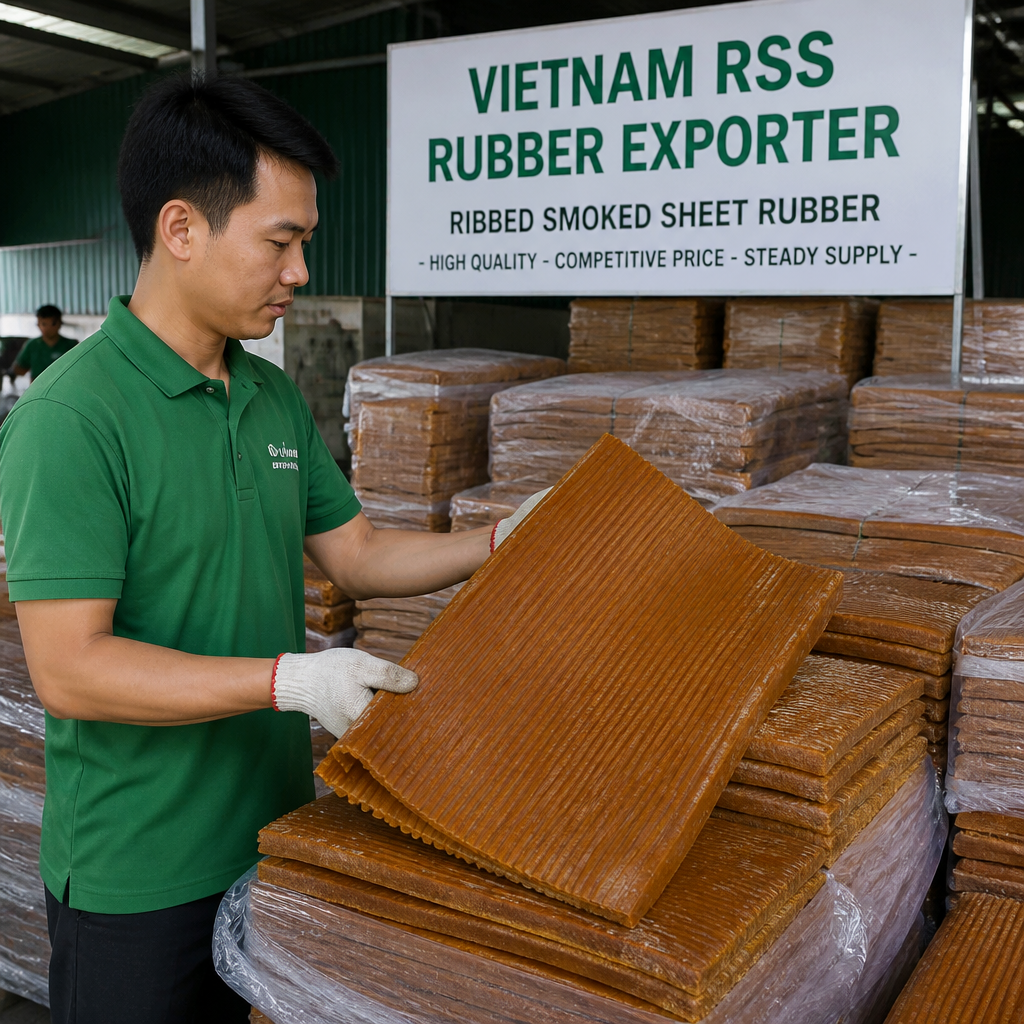
Industrial Applications of RSS Rubber
Ribbed Smoked Sheet (RSS) rubber is a cornerstone material in numerous industries, thanks to its versatility and durability. As a major Vietnam RSS Rubber Exporter, understanding the breadth of its applications can highlight its critical role in modern manufacturing and beyond.
- 🚗 Automotive Industry: In the automotive sector, RSS rubber is extensively used in the production of tires, gaskets, and various seals. The material's resilience against wear and tear and its ability to withstand extreme temperatures make it an ideal choice for these components. For instance, the durability of RSS rubber ensures that tires can endure long distances while maintaining performance, a critical factor for both consumer and commercial vehicles.
- 🏭 Manufacturing Industry: In manufacturing, RSS rubber is employed in the creation of vibration dampening mounts and conveyor belts. Its elasticity and strength are crucial for machinery that operates under heavy loads and constant movement. This application not only reduces noise and vibration but also prolongs the lifespan of machinery, leading to reduced maintenance costs and downtime.
- 📦 Consumer Goods: Beyond heavy industries, RSS rubber finds its way into everyday products such as footwear and sporting goods. Its flexibility and comfort make it a preferred material for shoe soles, while its durability is ideal for sports equipment that undergoes frequent use and impact.
The benefits of RSS rubber in these applications are manifold. Its natural resilience and high tensile strength contribute to products that are not only durable but also safe and efficient. Furthermore, the ability to recycle and reuse RSS rubber aligns with sustainable practices, making it a favorable choice in a world increasingly focused on environmental responsibility.
"The versatility of RSS rubber in various industrial applications underscores its indispensability in both traditional and emerging markets."
In summary, the widespread use of RSS rubber across multiple industries underscores its vital role in enhancing product performance and sustainability. As Vietnam continues to be a leading exporter, the demand for high-quality RSS rubber is expected to grow, driven by its proven benefits and diverse applications.
Storage Guidelines
Storing RSS (Ribbed Smoked Sheet) rubber correctly is vital for preserving its quality and prolonging its lifespan. For a leading Vietnam RSS Rubber Exporter, following recommended storage conditions is essential to maintain the rubber's beneficial properties from production through to application.
To begin with, RSS rubber should be stored in a cool, dry environment with temperatures maintained between 20°C to 25°C. This range helps prevent the rubber from becoming brittle or overly soft, which can occur if the temperature is too low or too high, respectively. Moreover, humidity levels should be kept below 70% to avoid any moisture absorption that could lead to swelling or mold growth.
The impact of storage on the quality and longevity of RSS rubber cannot be overstated. Improper storage conditions can lead to degradation, affecting the rubber's tensile strength and elasticity. Over time, exposure to heat or direct sunlight can cause the rubber to oxidize, leading to discoloration and a loss of mechanical properties. Therefore, it is advisable to store the rubber away from direct sunlight and sources of heat.
"Maintaining optimal storage conditions can significantly extend the lifespan of RSS rubber, ensuring it remains viable for various industrial applications."
Guidelines to prevent degradation and contamination are essential for preserving the quality of RSS rubber. It is recommended to store the rubber on pallets or racks to avoid direct contact with the ground, which can introduce contaminants. Additionally, the storage area should be free from chemicals or materials that could cause contamination or adverse reactions with the rubber.
- ✅ Store in a cool, dry place at 20°C to 25°C.
- ✅ Maintain humidity levels below 70%.
- ✅ Protect from direct sunlight and heat sources.
- ✅ Use pallets or racks to prevent ground contact.
- ✅ Keep away from chemicals and potential contaminants.
By following these storage guidelines, businesses can ensure that their RSS rubber maintains its quality, thereby optimizing its performance in various applications and extending its marketability as a high-quality product.
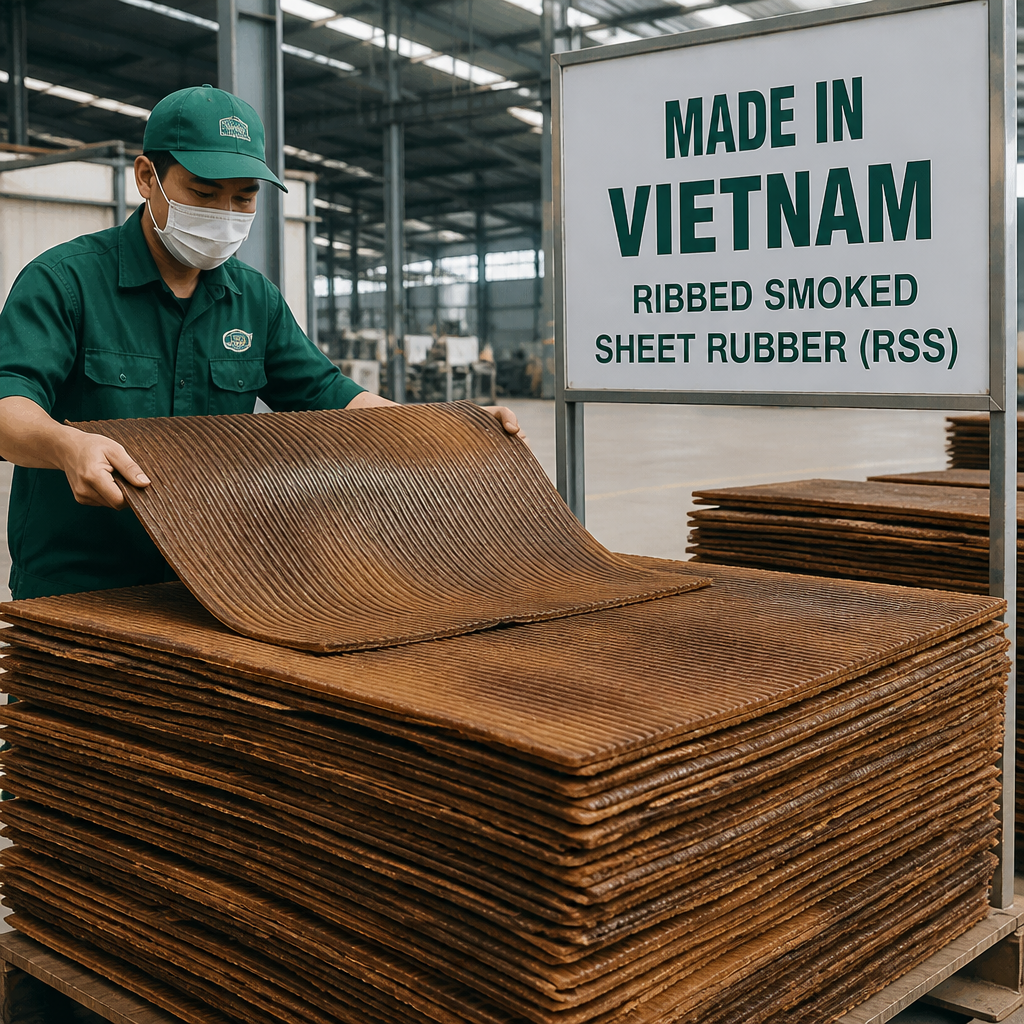
Export Procedures for RSS Rubber from Vietnam
Vietnam, as a prominent RSS rubber exporter, follows a structured export process to ensure the quality and compliance of its products in the global market. Understanding this process is crucial for stakeholders aiming to engage in the international trade of ribbed smoked sheet rubber.
- Initial Documentation: The export process begins with the preparation of essential documents, including a commercial invoice, packing list, and certificate of origin. These documents establish the legitimacy and origin of the RSS rubber, which is vital for customs clearance.
- Compliance with Regulations: Exporters must adhere to both Vietnamese and international regulations. In Vietnam, the Ministry of Industry and Trade oversees the compliance requirements, ensuring that the RSS rubber meets the necessary quality and safety standards before it is shipped abroad.
- Customs Clearance: This step involves the submission of the aforementioned documents to the customs authorities. The clearance process ensures that the export complies with all legal and regulatory requirements, preventing any potential trade barriers.
- Logistics and Shipping: Once cleared, the RSS rubber is transported to the port for shipping. Exporters often collaborate with logistics companies to manage the transportation process efficiently, ensuring timely delivery to international clients.
Compliance plays a pivotal role in the export of RSS rubber. Exporters must navigate a complex web of international trade regulations, including those set by the International Rubber Study Group (IRSG) and the International Organization for Standardization (ISO). Adherence to these standards not only ensures product quality but also enhances the credibility of Vietnamese suppliers in the global market.
However, exporting RSS rubber is not without its challenges. Fluctuating international demand, changes in trade policies, and logistical hurdles can pose significant obstacles. For instance, the COVID-19 pandemic disrupted shipping routes and increased transportation costs, impacting the timely delivery of goods.
Moreover, exporters must consider the environmental regulations in the destination countries, as sustainability is becoming a critical factor in international trade. Failure to comply with these regulations can lead to penalties and damage to the exporter’s reputation.
"Navigating the complexities of international trade requires a thorough understanding of both domestic and foreign regulations. Vietnamese exporters must remain vigilant to maintain their competitive edge in the global RSS rubber market."
In summary, although exporting RSS rubber from Vietnam requires navigating multiple steps and adhering to various regulations, comprehending these procedures is crucial for successful international trade. By tackling these challenges and complying with the necessary regulations, Vietnam solidifies its status as a top supplier of high-quality RSS rubber globally.
Push for Action in the RSS Rubber Industry
In the rapidly evolving landscape of the global rubber industry, stakeholders are urged to take decisive actions to enhance their competitive edge. One of the primary calls to action is the need to invest in high-quality RSS rubber. This investment is not merely a financial one but also involves dedicating resources to improve production processes and ensure the quality of the rubber meets international standards. By focusing on high-quality RSS rubber, stakeholders can position themselves as leaders in the market, attracting more buyers and commanding better prices.
Furthermore, adopting best practices in storage and export is crucial. Proper storage conditions are essential to maintain the integrity and longevity of RSS rubber. This includes controlling temperature and humidity levels to prevent degradation and contamination. Export practices should also be refined to ensure compliance with international regulations and to facilitate smooth trade operations. By streamlining these processes, exporters can reduce losses and enhance the reliability of their supply chains.
The potential for growth in the global market for RSS rubber is significant. With increasing demand from industries such as automotive, manufacturing, and consumer goods, there is a substantial opportunity for expansion. Vietnam, as a prominent RSS rubber exporter, is well-positioned to capitalize on this growth. The global market's appetite for high-quality rubber products is expanding, and those who can deliver consistent quality will likely see substantial benefits.
"Investing in quality and best practices today will secure our competitive advantage in the global market tomorrow."
In conclusion, the path forward for the RSS rubber industry involves strategic investments in quality, adherence to best practices in storage and export, and a keen eye on global market trends. By taking these steps, stakeholders can not only meet current market demands but also pave the way for future growth and success.