
Discover the excellence of Vietnam Robusta Coffee Exporters, renowned for high-quality beans and competitive prices, meeting global coffee demands.
Vietnam's journey with Robusta coffee began in the late 19th century when French colonists introduced coffee cultivation to the country. Initially, Arabica was the primary focus, but the shift towards Robusta occurred due to its resilience and adaptability to Vietnam's climatic conditions. By the mid-20th century, Robusta had become the dominant coffee variety in Vietnam, significantly contributing to the country's emergence as a leading coffee exporter. Today, Vietnam is recognized as one of the largest producers of Robusta coffee globally, a testament to the crop's successful integration into the nation's agricultural landscape.
Robusta coffee thrives in several key regions across Vietnam, each offering unique contributions to the coffee's quality. The Central Highlands, particularly the provinces of Dak Lak, Lam Dong, and Gia Lai, are the heart of Robusta cultivation. These areas provide the ideal environment for growing coffee, with altitudes ranging from 500 to 1,200 meters above sea level. The combination of rich basalt soil, favorable rainfall, and a distinct wet and dry season cycle creates optimal conditions for Robusta coffee production.
The climatic and soil conditions in these regions are crucial in enhancing the quality of Vietnamese Robusta coffee. The nutrient-rich basalt soil supports the robust growth of coffee plants, while the climate ensures a consistent yield. The distinct dry season allows for the natural sun-drying of coffee cherries, enhancing the beans' flavor profile. This unique combination of environmental factors contributes to both the high yield and the distinctive taste and aroma that set Vietnamese Robusta coffee apart in the global market.
Bean Grades and Screen Size
Grading Robusta coffee beans is a meticulous process crucial for determining the coffee's quality and price. As a leading Robusta coffee exporter, Vietnam offers various bean grades to meet different market needs. These grades are primarily determined by the screen size of the beans, which measures their diameter.
Screen size is an essential factor because it directly affects the roasting process and, consequently, the flavor profile of the coffee. Larger beans tend to roast more evenly, providing a consistent flavor, while smaller beans may roast unevenly, potentially leading to a varied taste. The screen size is measured in 64ths of an inch, and the beans are sifted through screens with different-sized holes to determine their grade.
| Grade | Screen Size | Description |
|---|---|---|
| Grade 1 | 18 | Large beans with minimal defects, ideal for premium coffee products. |
| Grade 2 | 16 | Medium to large beans, slightly more defects than Grade 1 but still high quality. |
| Grade 3 | 14 | Medium beans, commonly used for standard commercial coffee blends. |
| Grade 4 | 12 | Smaller beans with more defects, often used in instant coffee production. |
Understanding these classifications allows coffee buyers to make informed decisions based on their specific needs and the intended use of the coffee. For instance, a premium coffee shop might opt for Grade 1 beans to ensure top-notch quality, while a manufacturer of instant coffee might choose Grade 4 beans due to cost-effectiveness and suitability for their production process.
"Vietnam's diverse Robusta bean grades provide flexibility and choice for coffee producers and consumers alike, making it a pivotal player in the global coffee market."
Moisture Content and Defect Levels
In the coffee industry, moisture content and defect levels of beans are critical factors influencing the final product's quality. For Vietnam Robusta Coffee Exporters, maintaining standard moisture content and minimizing defects are essential for ensuring high-quality exports.
The standard moisture content range for Robusta beans is typically between 11% to 13%. This range is crucial as it ensures the beans are neither too dry nor too moist, both of which can adversely affect the flavor profile and shelf life of the coffee. Beans with moisture content outside this range may develop mold or lose their aromatic qualities, leading to a compromised coffee experience.
Common defects in Robusta beans include broken beans, insect damage, and fermentation defects. Such defects can arise from various factors such as improper harvesting techniques, inadequate processing, or poor storage conditions. These defects not only affect the appearance of the beans but also their taste, often resulting in bitter or off-flavors that are undesirable in premium coffee products.
"Moisture content and defect levels are pivotal in determining the quality and marketability of Robusta coffee," says a leading expert from a major Vietnamese coffee exporter.
The impact of moisture content and defects on coffee quality cannot be overstated. Beans that maintain the ideal moisture content and have minimal defects are more likely to produce a rich, full-bodied cup of coffee that is sought after by consumers worldwide. Conversely, deviations in these parameters can lead to a decline in flavor, aroma, and overall satisfaction, ultimately affecting the market reputation of Vietnam Robusta Coffee Exporters.
By adhering to these quality standards, Vietnamese exporters not only enhance the appeal of their coffee but also strengthen their position in the competitive global coffee market, ensuring a consistent supply of high-quality Robusta beans to international buyers.
Processing Methods of Vietnamese Robusta Coffee
As a leading Robusta coffee exporter, Vietnam employs various processing methods to prepare its coffee for the global market. Each method significantly influences the flavor profile, quality, and market appeal of the coffee beans.
There are primarily two processing methods used in Vietnam: wet processing and dry processing. Wet processing, also known as washed processing, involves removing the coffee cherry's pulp before the beans are fermented in water. This method typically results in a cleaner, brighter cup with more pronounced acidity. In contrast, dry processing, or natural processing, involves drying the entire cherry under the sun, which often leads to a fuller body and more complex flavors due to prolonged contact with the fruit.
| Aspect | Wet Processing | Dry Processing |
|---|---|---|
| Flavor Profile | Clean, bright, acidic | Full-bodied, complex |
| Fermentation | Water-based | Natural |
| Processing Time | Shorter | Longer |
| Weather Dependency | Less dependent | Highly dependent |
In Vietnam, the choice between these methods often depends on the climatic conditions and available resources in coffee-growing regions. For instance, in the Central Highlands, where the climate is more predictable, dry processing is more common. This method is favored for its lower water usage and the unique flavor profiles it can impart to the coffee. On the other hand, wet processing is preferred in areas where water resources are more abundant, and a cleaner taste is desired.
"Vietnamese coffee processing techniques are a testament to the country's adaptability and commitment to quality, ensuring that each cup of Robusta coffee is a reflection of its rich heritage."
These processing practices not only highlight Vietnam's expertise in coffee production but also underscore the country's role as a key player in the global coffee industry. By mastering both wet and dry processing, Vietnam ensures a diverse range of Robusta coffee products that cater to varied consumer preferences worldwide.
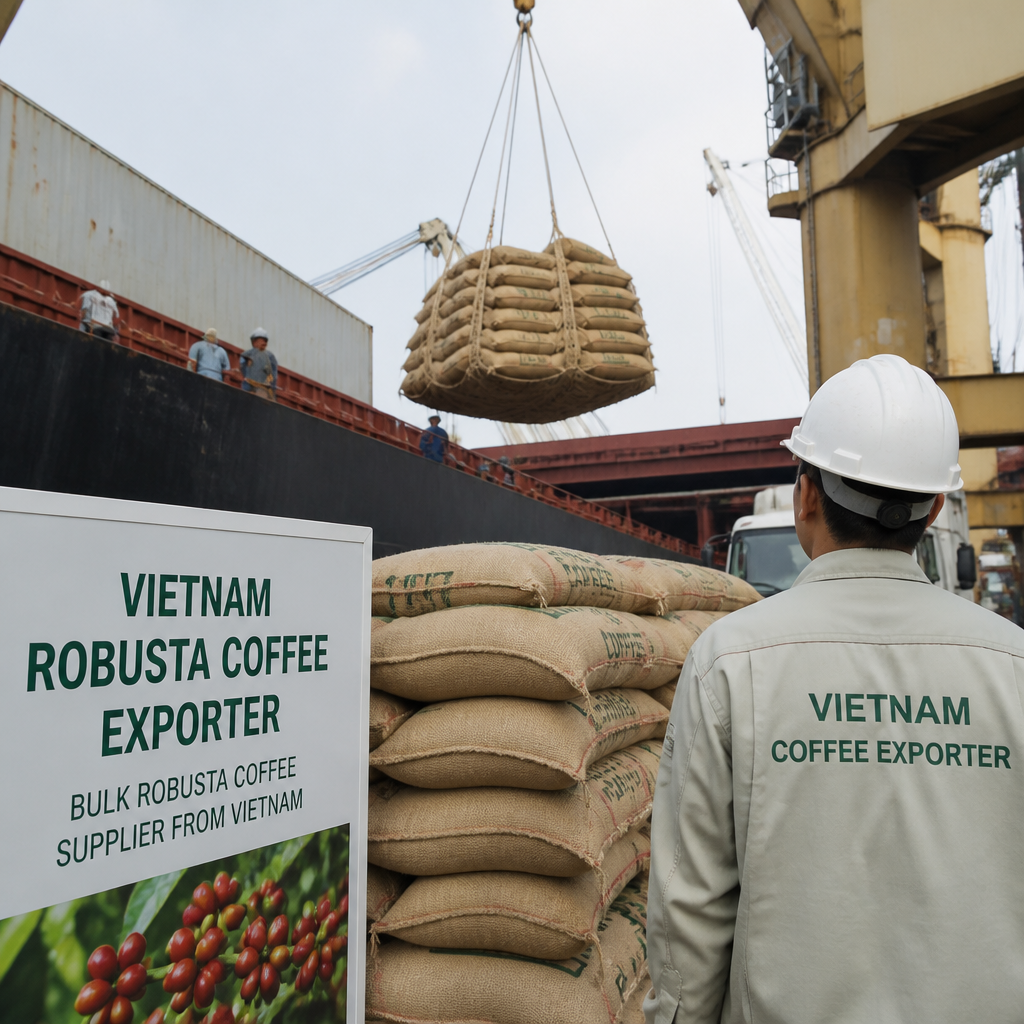
Packaging Options for Vietnamese Robusta Coffee
When it comes to exporting Vietnam Robusta Coffee, the choice of packaging is crucial not only in terms of logistics but also in maintaining the quality of the coffee. Various packaging formats are available to cater to different needs and preferences in the market.
Firstly, the importance of packaging in preserving coffee quality cannot be overstated. Proper packaging protects the beans from environmental factors such as moisture, light, and oxygen, which can significantly affect the flavor and freshness of the coffee. Without adequate protection, the beans can lose their aroma and taste, which are essential for a satisfying coffee experience.
- ✅ Vacuum-sealed bags: These are popular for their ability to remove air from the package, thus prolonging the shelf life of the coffee. By minimizing oxygen exposure, vacuum-sealed bags help maintain the coffee's rich aroma and flavor.
- ✅ Foil-lined bags with one-way valves: These bags are designed to allow the release of carbon dioxide while preventing oxygen from entering. This type of packaging is particularly beneficial for freshly roasted coffee that continues to emit gases post-roasting.
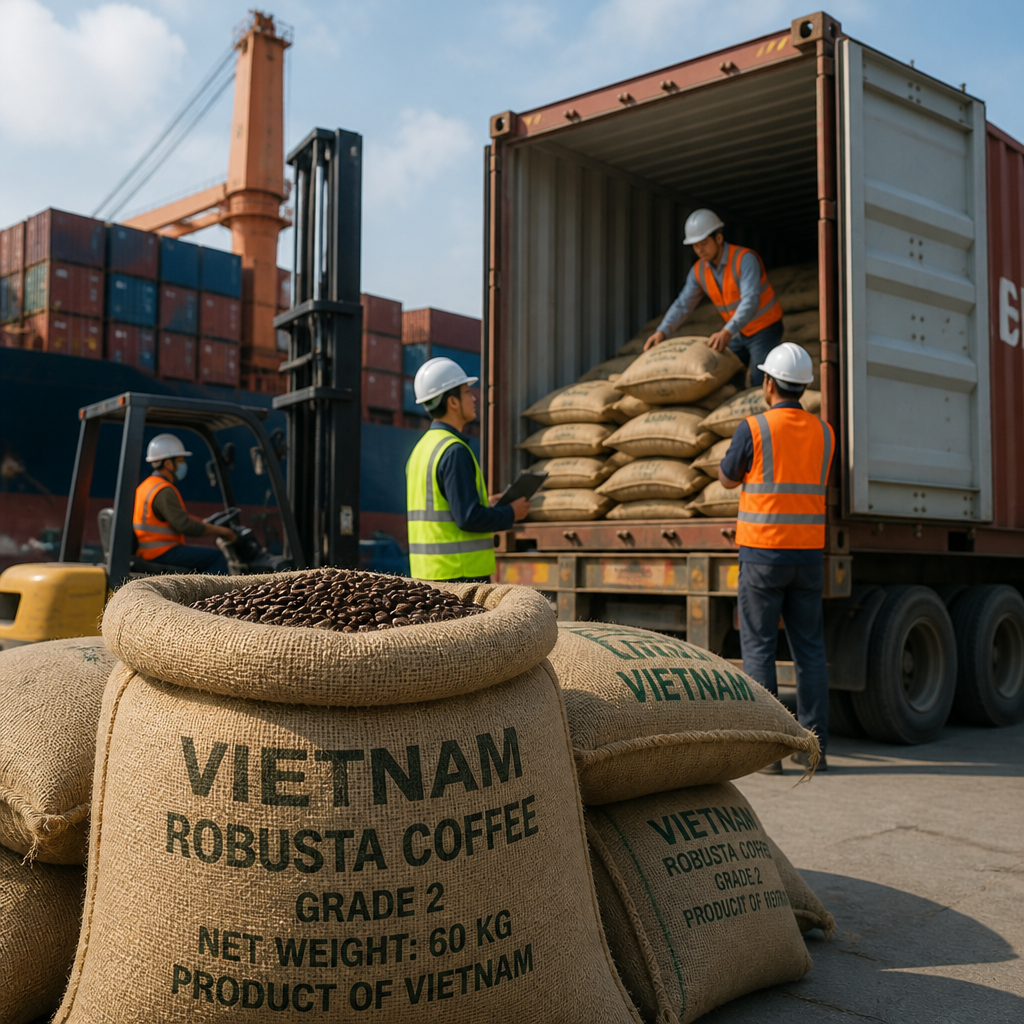
- ✅ Jute sacks: While traditional, jute sacks are still widely used, especially for bulk shipments. They are breathable and cost-effective, making them suitable for large quantities, although they offer less protection against moisture.
Each of these packaging options comes with its unique advantages, tailored to meet specific requirements of coffee preservation and transportation. For instance, while vacuum-sealed bags are ideal for retail packaging due to their ability to extend shelf life, jute sacks are preferred for bulk export due to their affordability and ease of handling.
In conclusion, the choice of packaging plays a pivotal role in ensuring that Vietnamese Robusta Coffee reaches consumers in the best possible condition, preserving its quality and enhancing customer satisfaction.
Bulk Supply Capacity of Vietnamese Robusta
Vietnam stands as a powerhouse in the global coffee market, particularly when it comes to the bulk supply of Robusta coffee. This Southeast Asian nation has developed an impressive capacity to meet large-scale demands, a feat that positions it as a critical player among global coffee exporters. The country's capacity is not just a matter of quantity but also a reflection of its strategic role in stabilizing coffee supply chains worldwide.
The significance of Vietnam's bulk supply capability is underscored by its ability to influence global coffee prices and availability. As the second-largest coffee exporter in the world, Vietnam's robust production levels ensure that the market remains well-supplied, even during periods of fluctuation in other major coffee-producing regions. This reliability is crucial for international buyers who depend on consistent supply chains to meet consumer demand.
Several major Vietnamese suppliers exemplify the country's capacity for bulk coffee supply. Companies such as Vinacafe and Trung Nguyen have developed extensive networks and infrastructures to support large-scale production and exportation. Vinacafe, for instance, has a sophisticated processing and distribution system that allows it to supply significant volumes of Robusta coffee to markets across Europe and the United States. Meanwhile, Trung Nguyen has established itself as a leader in both quality and quantity, leveraging advanced agricultural practices to maintain a steady flow of high-grade Robusta.
In summary, Vietnam's robust capacity for supplying bulk Robusta coffee is a cornerstone of its role as a leading coffee exporter. This capability not only supports the global coffee market but also showcases the country's strategic importance in ensuring the stability and growth of coffee supply chains worldwide.
Advantages of Vietnamese Robusta Coffee Features
Vietnamese Robusta coffee stands out in the global market for several compelling reasons, contributing to its growing appeal among coffee enthusiasts and industry stakeholders.
- 💡 High Caffeine Content: One of the most significant features of Vietnamese Robusta coffee is its high caffeine content, which is typically around 2.2% to 2.7%, nearly double that of Arabica beans. This makes it particularly attractive to those seeking a stronger, more invigorating cup of coffee. The high caffeine level not only enhances the boldness of the flavor but also increases its utility in energy drinks and other caffeinated products.
- 💰 Economic Benefits: Robusta coffee is generally more cost-effective to produce than Arabica, primarily due to its higher yield and greater resilience to pests and diseases. This economic advantage translates into lower prices for consumers and a higher profit margin for producers. As a result, Vietnam, as a leading Robusta coffee exporter, can offer competitive pricing, making it an attractive option for coffee retailers and manufacturers looking to optimize their supply chain costs.
- 🔄 Versatility in Coffee Products: The robustness of Vietnamese Robusta makes it highly versatile, suitable for a wide range of coffee products. It is a preferred choice for instant coffee production due to its strong flavor profile, which holds up well during processing. Additionally, its full-bodied taste is ideal for espresso blends, adding depth and richness that coffee drinkers appreciate. This versatility enhances its marketability, allowing exporters to tap into diverse segments of the coffee market.
These distinctive features not only highlight the strengths of Vietnamese Robusta coffee but also underscore its strategic importance in the global coffee industry, making it a staple for both everyday consumers and large-scale enterprises.
Benefits to Consumers and Industry
The Vietnamese Robusta coffee market presents numerous benefits for both consumers and the coffee industry at large. A critical advantage is its affordability, making it a popular choice among consumers worldwide. The cost-effectiveness of Robusta coffee is largely due to its higher yield per hectare compared to Arabica, which allows producers to offer competitive prices. This affordability ensures that a broader range of consumers can enjoy quality coffee without breaking the bank.
For large-scale buyers, such as coffee chains and manufacturers, the consistency in quality is of paramount importance. Vietnam Robusta Coffee Exporters have mastered the art of maintaining a stable quality profile across their shipments. This consistency is achieved through stringent quality control measures and standardized processing methods, ensuring that buyers receive a uniform product that meets their specifications every time. This reliability is crucial for businesses that require a consistent flavor profile for their coffee products.
Furthermore, the robust Robusta coffee industry has a positive impact on local economies and livelihoods in Vietnam. The coffee sector provides employment to millions, from farmers to workers in processing and export facilities. This economic activity not only supports families but also contributes to the development of rural regions. By purchasing Vietnamese Robusta, buyers are indirectly supporting these communities and fostering sustainable economic growth.
In summary, the affordability and consistent quality of Vietnamese Robusta coffee make it a compelling choice for consumers and industry players alike, while also contributing positively to local economies and livelihoods in Vietnam.
Conclusion and Future Prospects
As we conclude our exploration of Vietnamese Robusta coffee, it is essential to highlight the key features and advantages that set it apart in the global coffee market. Vietnamese Robusta is renowned for its high caffeine content, which not only appeals to consumers seeking a robust flavor but also offers economic benefits due to its affordability compared to Arabica. This dual advantage makes it a versatile choice for various coffee products, from instant coffee to espresso blends.
Looking ahead, there are several potential growth areas for Vietnamese Robusta coffee. One significant opportunity lies in expanding its presence in specialty coffee markets. By enhancing processing techniques and focusing on sustainable practices, Vietnam can elevate the perception of Robusta, attracting consumers who are increasingly conscious of quality and environmental impact. Additionally, as global demand for coffee continues to rise, Vietnam's capacity for bulk supply positions it as a key player in meeting large-scale buyer needs, ensuring consistency in quality and supply.
Vietnam's role in the global coffee landscape is undeniably crucial. As the second-largest coffee exporter in the world, Vietnam's robusta beans contribute significantly to the global supply chain. This prominence not only supports the livelihoods of countless local farmers but also reinforces Vietnam's economic stability. The country's commitment to innovation and quality improvement will be pivotal in maintaining and growing its influence in the international coffee market.
"Vietnamese Robusta coffee is poised to not only meet but exceed global demand, driving both economic growth and sustainability."







