Vietnam Rice Exporter offers premium jasmine rice known for its quality and aroma, meeting stringent international standards for markets like the EU and USA.
Vietnam has firmly established itself as a significant player in the global rice export market, with jasmine rice being one of its most celebrated offerings. Known for its long grain, white color, and natural fragrance, jasmine rice from Vietnam is highly sought after in premium markets such as the European Union, Japan, and the United States. These markets demand not only the unique characteristics of jasmine rice but also adherence to stringent quality standards. The importance of jasmine rice in Vietnam's export portfolio cannot be overstated. It stands alongside other popular varieties such as white rice and the award-winning ST25. However, jasmine rice distinguishes itself with its aromatic qualities and the meticulous care taken in its cultivation to maintain a broken rate of 5% or lower and a maximum moisture content of 14%. This attention to detail ensures that the rice meets the high expectations of discerning consumers abroad.
Quality standards are paramount in maintaining Vietnam's reputation as a top rice exporter. The country's rice industry is vigilant about controlling pesticide residues and heavy metal levels in its products, ensuring compliance with international safety standards. This commitment to quality is crucial, especially when catering to premium markets that impose rigorous import regulations. As Vietnam continues to expand its reach in the global rice market, the focus remains on enhancing the quality and appeal of its jasmine rice. By meeting the exacting standards of markets like the EU, Japan, and the USA, Vietnam not only solidifies its position as a leading rice exporter but also opens new opportunities for growth and innovation in its agricultural sector.
Advantages of Choosing Vietnamese Jasmine Rice
Vietnamese Jasmine Rice has become a sought-after choice in the global market, and several factors contribute to its growing popularity. One of the primary reasons is the high demand in bulk import markets. Countries such as the United States, Japan, and members of the European Union are consistently importing large quantities of this rice, driven by its superior quality and aromatic properties. This demand underscores the rice's reputation and reliability in meeting international culinary standards.
Quality is a critical factor in the appeal of Vietnamese Jasmine Rice. It adheres to stringent quality specifications, with a broken rate of only 5% and a moisture content of 14%. These specifications ensure that the rice maintains its texture and taste, providing a consistent and satisfying culinary experience. Such standards are particularly important for premium markets where consumers expect top-tier products.
In addition to quality, the rice is packaged according to high standards that include moisture-proof and insect-resistant features. This packaging not only preserves the rice’s freshness during long transits but also ensures it reaches consumers in optimal condition. Effective packaging is essential for maintaining the integrity of the product from the point of production to the end consumer.
Another significant advantage is the competitive FOB pricing offered by Vietnam Rice Exporter. This pricing strategy makes Vietnamese Jasmine Rice an attractive option for importers looking to balance cost with quality. By providing competitive prices, Vietnam strengthens its position as a leading exporter in the global rice market.
Lastly, the use of modern milling technology plays a crucial role in ensuring the quality of Vietnamese Jasmine Rice. Advanced milling processes reduce impurities and enhance the overall quality of the rice. This technology not only improves the rice's appearance and cooking qualities but also ensures that it meets the rigorous standards expected by international buyers.
Overall, Vietnamese Jasmine Rice stands out due to its high demand, rigorous quality specifications, excellent packaging, competitive pricing, and the use of advanced milling technology, making it a top choice in the global market.
Ensuring Supplier Credibility
In the competitive landscape of the global rice market, ensuring the credibility of suppliers is a critical step for any Vietnam Rice Exporter aiming to maintain a strong foothold in premium markets such as the EU, Japan, and the USA. Supplier verification is not merely a procedural formality; it is a strategic necessity that safeguards the quality and reliability of the rice being exported.
One of the foremost aspects of supplier verification involves checking compliance with export regulations. This is crucial because adherence to these regulations ensures that the rice meets the safety and quality standards of the importing countries. For instance, the European Union has stringent regulations on pesticide residues and heavy metals in food products. Vietnamese rice exporters must ensure that their suppliers comply with these regulations to avoid shipment rejections or penalties.
Verification of quality certifications is another essential component of ensuring supplier credibility. Certifications such as ISO 22000 for food safety management and HACCP (Hazard Analysis and Critical Control Points) are indicators of a supplier's commitment to maintaining high-quality standards. These certifications provide assurance to buyers that the rice has been produced under stringent quality controls, reducing the risk of contamination and ensuring the product's integrity.
However, selecting the right supplier is not without its challenges. Common issues in supplier selection include the lack of transparency in supplier operations and the potential for misrepresentation of product quality. Suppliers may sometimes overstate their capabilities or provide misleading information about their compliance with international standards. This makes it imperative for buyers to conduct thorough due diligence, which may include on-site inspections, third-party audits, and seeking references from existing clients.
"Ensuring that suppliers are credible and compliant with international standards is not just about meeting regulatory requirements; it's about building trust with buyers and protecting the reputation of Vietnamese rice in the global market."
Addressing these challenges requires a comprehensive approach that combines regulatory compliance, quality certification, and vigilant supplier selection processes. By doing so, Vietnam Rice Exporters can not only uphold the quality of their products but also enhance their competitiveness in the global market.
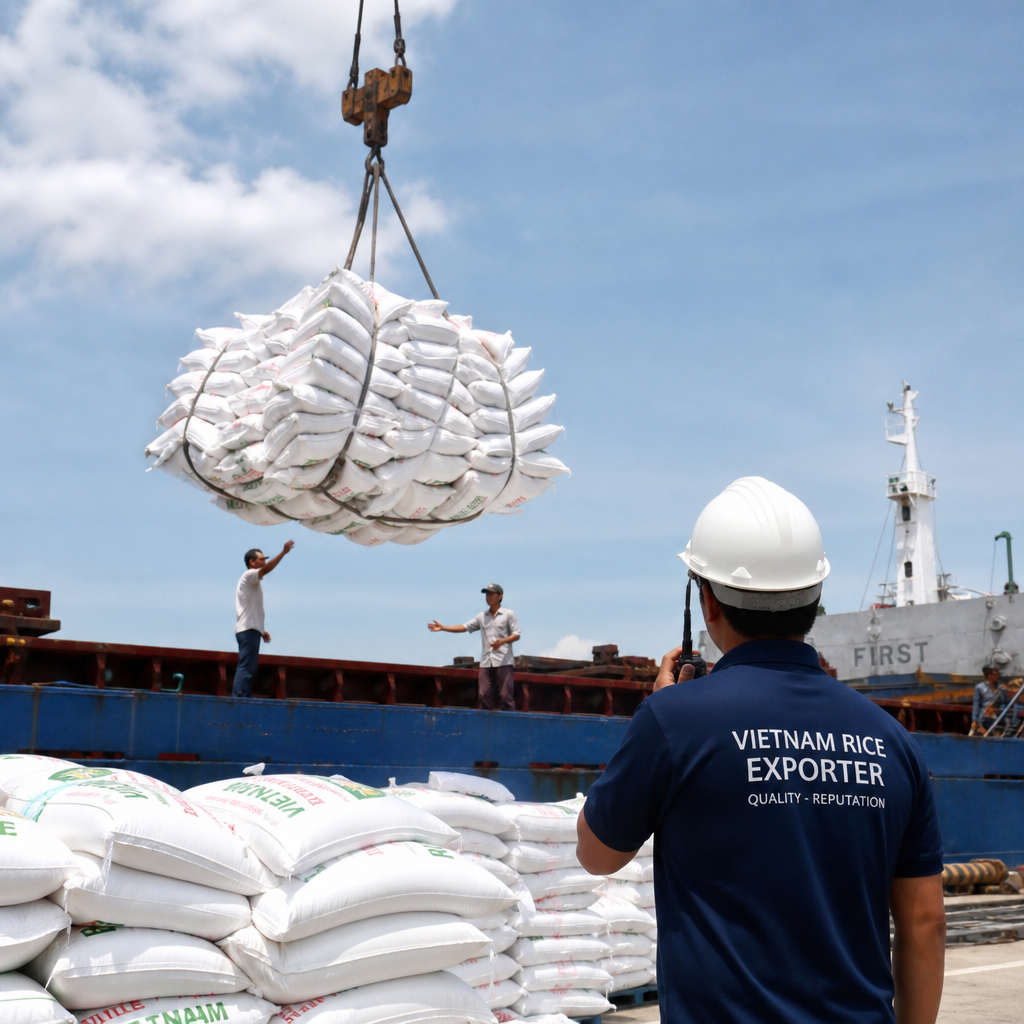
Understanding Export Processes and Requirements
For any Vietnam Rice Exporter, navigating the export processes and requirements is crucial to ensure a smooth transaction and compliance with international standards. Exporting rice, particularly premium varieties like Vietnamese Jasmine rice, involves a series of meticulous steps and documentation to meet the demands of global markets.
Necessary Export Documentation
Exporting rice from Vietnam requires a comprehensive set of documents to facilitate customs clearance and satisfy import regulations of the destination country. Essential documents include the commercial invoice, packing list, bill of lading, and the Certificate of Origin. These documents serve not only as a record of the transaction but also as proof of compliance with international trade laws.
Certificate of Origin
The Certificate of Origin is a pivotal document in rice exportation. It verifies that the rice was produced in Vietnam, which can be a requirement for preferential tariff treatments under various trade agreements. This certificate is particularly significant when exporting to regions like the EU or the USA, where trade agreements might offer reduced tariffs for Vietnamese-origin products.
Compliance with Import Market Regulations
Each import market has its own set of regulations concerning food safety, quality standards, and packaging requirements. For instance, the EU imposes strict regulations on pesticide residues and heavy metals in food products. Vietnamese exporters must ensure their rice meets these standards to avoid shipment rejections or penalties. Compliance with these regulations not only facilitates smooth entry into the market but also enhances the reputation of Vietnamese rice on the global stage.
Incoterms and Payment Terms
Understanding Incoterms and establishing clear payment terms are essential for minimizing risks and ensuring clarity in international trade transactions. Incoterms, such as FOB (Free on Board) or CIF (Cost, Insurance, and Freight), define the responsibilities of buyers and sellers in terms of transportation, insurance, and risk. Clear payment terms, whether it be Letter of Credit or Telegraphic Transfer, ensure both parties are aligned on the financial transactions involved.
Minimum Order Quantity
The minimum order quantity (MOQ) is a critical factor for exporters to consider. Typically expressed in containers or metric tons, the MOQ can vary based on the buyer's requirements and logistical considerations. For instance, a buyer might require a minimum of one 20-foot container, equating to approximately 20-25 metric tons of rice. Understanding and negotiating MOQs is vital for exporters to plan production and logistics efficiently.
Mastering these export processes and requirements allows Vietnamese rice exporters to boost their operational efficiency and broaden their global market presence, ensuring that premium Vietnamese Jasmine rice remains influential worldwide.
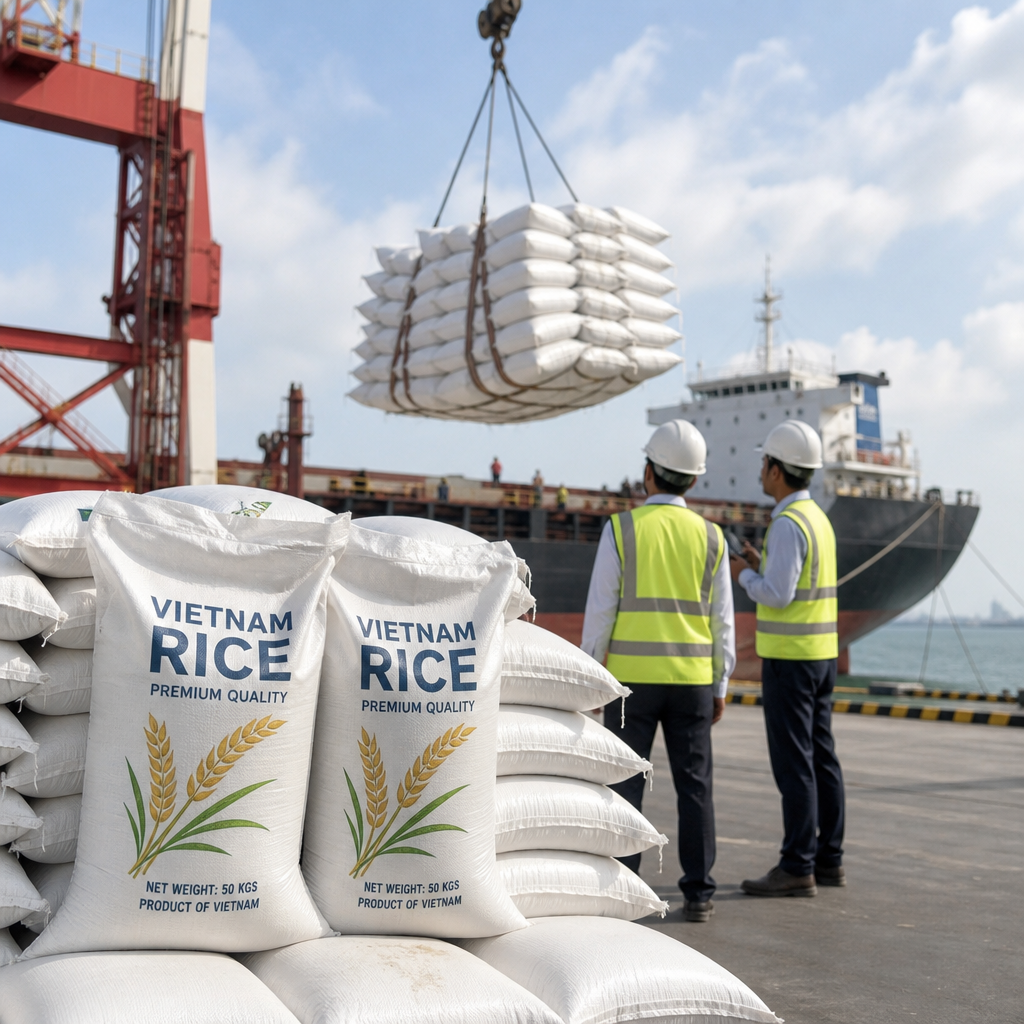
Locating Reliable Vietnamese Jasmine Rice Suppliers
In the competitive landscape of the global rice market, finding reliable Vietnamese Jasmine rice suppliers can be a daunting task, especially when one has to sift through a plethora of options without getting lost in the catalog noise. The sheer volume of suppliers, each claiming superior quality and competitive pricing, can overwhelm even the most seasoned importers. However, with the right strategies, businesses can navigate this complexity to secure trustworthy partners.
One of the primary challenges is the overwhelming "catalog noise"—the abundance of suppliers advertising similar products, which can obscure the truly reputable ones. This noise often leads to confusion, making it difficult to discern which suppliers genuinely meet quality standards and which ones merely present a facade of compliance.
To effectively source reliable suppliers, several strategies can be employed:
- 💡 Conduct Thorough Market Research: Start by researching the Vietnamese rice export market to identify key players. Understanding the market dynamics can help narrow down potential suppliers that align with your business needs.
- 💡 Leverage Trade Platforms: Platforms such as Alibaba, TradeIndia, and Global Sources offer a wealth of information about suppliers, including their product offerings, certifications, and customer reviews. These platforms can be invaluable in filtering out less reputable suppliers.
- 💡 Network with Industry Contacts: Establishing connections with other businesses in the rice import sector can provide insights and recommendations for reliable suppliers. Industry contacts can offer firsthand experiences and advice, reducing the risk of partnering with unreliable suppliers.
Evaluating supplier reliability and reputation is crucial. This involves assessing their compliance with international quality standards and export regulations. Suppliers should possess verifiable certifications, such as ISO 22000 for food safety management, which demonstrate their commitment to maintaining high standards.
"The reliability of a supplier is not just about their product quality but also their adherence to international standards and ethical practices."
Furthermore, it is essential to look into suppliers' track records. This includes reviewing their history of meeting delivery timelines, consistency in product quality, and responsiveness to any issues that may arise. Engaging with suppliers who have established a positive reputation in the industry can mitigate risks and ensure a smoother import process.
By employing these strategies and conducting due diligence, businesses can bridge the gap between the vast pool of suppliers and the need for reliable partnerships. This approach not only enhances the chances of securing high-quality Vietnamese Jasmine rice but also fosters long-term business relationships that are beneficial in the ever-evolving global market.
The Vietnamese jasmine rice industry is flourishing due to its dedication to quality and compliance with international standards. By utilizing modern technology, verifying supplier credibility, and mastering export processes, Vietnam is poised to sustain its growth as a leader in the global rice market. Importers looking for high-quality jasmine rice can depend on Vietnam's strong supply chain and rigorous quality controls to fulfill their needs, ensuring a consistent supply of this premium product to markets worldwide.