As a leading Vietnam Raw Cashew Nut Exporter, we navigate challenges in quality control and sourcing, ensuring high standards and reliable supply for international markets.
In the realm of raw cashew nut sourcing, Vietnam stands as a prominent exporter, yet the industry faces significant challenges that complicate procurement processes. One of the primary issues is the lack of specific information on Vietnam cashew exporters. This absence of detailed data makes it difficult for buyers to make informed decisions, often leading to uncertainty and potential financial risks. Without comprehensive profiles or performance histories, distinguishing between reliable and less reputable exporters becomes a daunting task.
Another critical challenge lies in the diverse origins of cashew nuts imported into Vietnam, which significantly affects the quality of the final product. Cashew nuts sourced from different countries can vary widely in terms of quality attributes. For instance, nuts from Africa might differ in taste and texture compared to those from India or Brazil. This diversity complicates quality control and consistency, making it harder for suppliers to meet the expectations of international buyers.
Additionally, there is significant variability in nut specifications, such as size and moisture content, which further complicates the sourcing process. These specifications are crucial as they directly impact the processing efficiency and the quality of the final product. For example, nuts with higher moisture content may spoil more quickly, affecting shelf life and consumer satisfaction. The size of the nuts, often categorized into grades like W320 and W240, also plays a critical role in determining market value and suitability for different culinary applications.
"The variability in cashew nut specifications like size and moisture content poses a significant challenge for maintaining consistent quality standards," notes an industry expert.
Addressing these challenges requires a strategic approach, as the implications of overlooking them can lead to substantial economic losses and reputational damage. Understanding these hurdles is the first step towards developing effective solutions for the cashew nut industry in Vietnam.
Impact of Insufficient Information
In the competitive landscape of the cashew nut industry, particularly for a Vietnam Raw Cashew Nut Exporter, the lack of comprehensive information can significantly hinder effective decision-making. One of the most critical areas affected by insufficient data is the assessment of quality parameters. For instance, evaluating kernel color and defect levels requires precise information, yet many exporters struggle with this due to the variability in nut characteristics. This challenge is exacerbated by the diverse origins of cashew nuts, which can lead to inconsistencies in quality.
Another significant issue is the challenge of selecting appropriate packaging options. Packaging plays a crucial role in maintaining the quality and freshness of cashew nuts during transportation and storage. However, without detailed insights into the specific needs of different markets and consumer preferences, exporters may find it difficult to choose between options such as vacuum-sealed bags or jute sacks. This choice is not merely about aesthetics; it's about ensuring the product reaches the consumer in optimal condition, which directly impacts customer satisfaction and brand reputation.
Furthermore, the risk of making large investments without reliable data cannot be overstated. When exporters lack detailed market analysis and forecasts, they are at risk of committing substantial financial resources into sourcing, processing, and distribution strategies that may not yield the expected returns. This uncertainty can lead to significant financial losses, especially if the investment is made based on assumptions rather than solid data. For example, investing in bulk orders without understanding the market demand or the quality expectations can result in excess inventory or substandard products that are difficult to sell.
"Reliable data is not just a tool for decision-making; it's a safeguard against costly missteps in the cashew nut industry."
In summary, the absence of sufficient and reliable information creates a precarious situation for cashew nut exporters. It affects their ability to assess product quality accurately, choose the right packaging, and make informed investment decisions. Addressing these challenges is crucial for maintaining competitiveness and ensuring long-term success in the market.
Consequences of Poor Quality Control
In the competitive landscape of the cashew nut industry, maintaining high quality standards is not merely an option but a necessity. The repercussions of poor quality control can be profound, affecting various facets of the business operations for a Vietnam Raw Cashew Nut Exporter.
Firstly, the financial implications of substandard quality can be severe. When raw cashew nuts fail to meet the desired quality specifications, it often results in significant financial losses. These losses stem from rejected shipments, increased returns, and the necessity to sell at discounted prices. For instance, if a batch of cashews does not meet the required specifications for size or moisture content, it might be rejected by international buyers, leading to a direct hit on revenue.
In addition, poor quality control adversely affects processing efficiency and the quality of the final product. Subpar raw materials can disrupt the processing line, leading to inefficiencies and increased operational costs. The final product, whether it be roasted cashews or other cashew-based products, may not meet the quality expectations of the end consumers, further exacerbating financial losses and operational challenges.
Customer dissatisfaction is another critical consequence of poor quality control. When customers receive products that do not meet their expectations, it can lead to complaints, returns, and loss of repeat business. This dissatisfaction can quickly escalate to reputational damage, which is particularly detrimental in the age of digital communication where negative reviews and feedback can spread rapidly. A tarnished reputation not only affects current sales but can also hinder future business opportunities and partnerships.
"Quality control is not just about meeting standards; it's about preserving the trust and satisfaction of our customers," says an industry expert.
In conclusion, the consequences of poor quality control in the cashew nut industry are multifaceted, impacting financial performance, operational efficiency, and customer relationships. For a Vietnam Raw Cashew Nut Exporter, it is imperative to implement stringent quality control measures to mitigate these risks and ensure long-term success in the market.
Understanding Cashew Nut Specifications
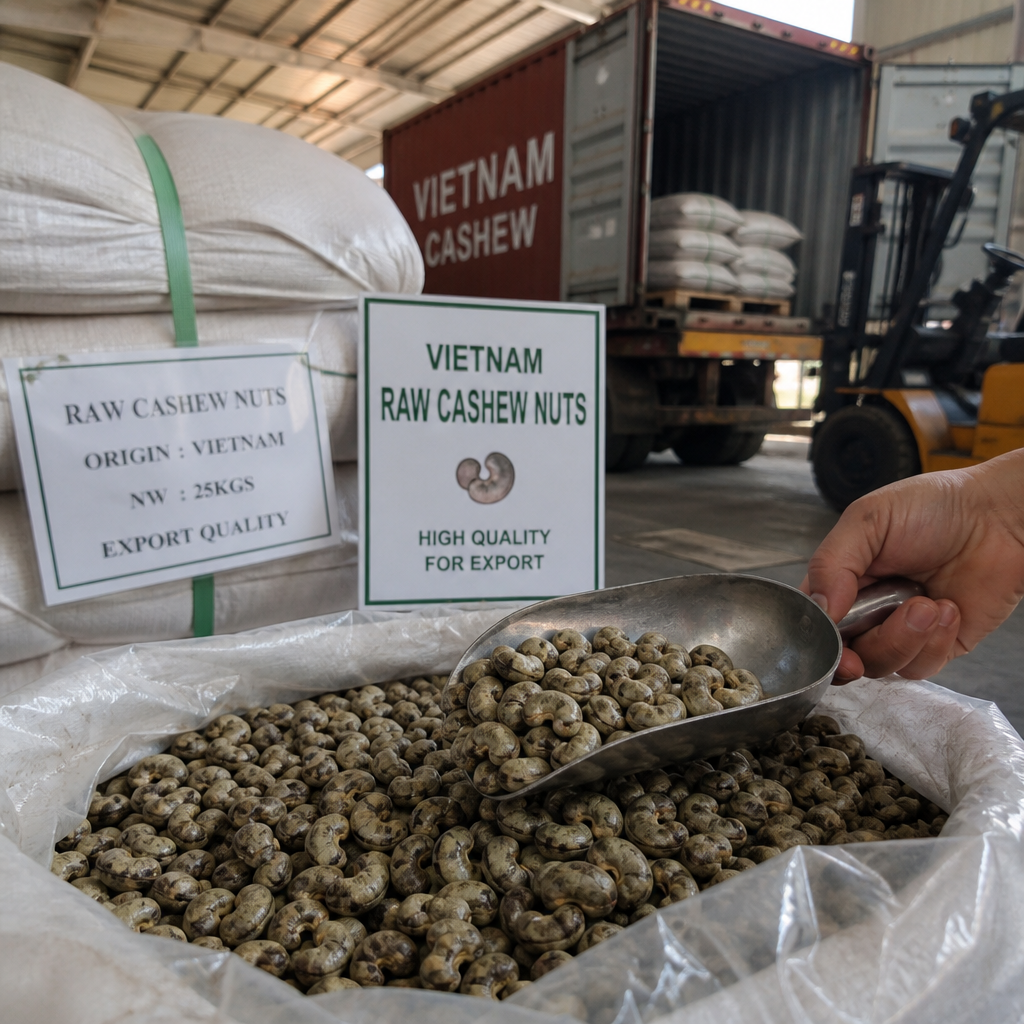
When it comes to exporting raw cashew nuts, particularly as a Vietnam Raw Cashew Nut Exporter, understanding the specific specifications of the nuts is crucial. These specifications not only determine the quality but also influence the market value and customer satisfaction. Three primary factors are essential in this assessment: nut size and moisture content, quality grades, and kernel color and defect levels.
First, the size of the nut and its moisture content play a pivotal role in quality determination. Larger nuts are generally more desirable in the market, as they are often associated with premium quality. For instance, nuts that fall under the W320 and W240 grades are highly sought after. The W320 grade indicates that there are 320 kernels per pound, while W240 signifies 240 kernels per pound, with the latter being larger and typically commanding a higher price.
Moisture content, on the other hand, affects the shelf life and taste of the cashews. Ideally, the moisture content should be kept below 5% to prevent mold growth and maintain freshness. High moisture levels can lead to spoilage, reducing the nuts' marketability and resulting in financial losses for exporters.
Quality grades such as W320 and W240 are not just about size; they also encompass the overall appearance and condition of the kernels. These grades are determined based on the uniformity, color, and presence of defects. A higher grade indicates fewer defects and more consistent coloring, which are critical factors for buyers looking for premium products.
The color of the kernel and the levels of defects are integral to the quality assessment process. A bright, uniform color is a sign of freshness and good processing practices. Conversely, discolored or spotted kernels may indicate poor quality or improper storage conditions. Defect levels, such as broken pieces or insect damage, also impact the grading process. Low levels of defects are essential for maintaining the integrity and appeal of the nuts in the international market.
"Understanding these specifications is not just about ensuring quality; it's about securing a competitive edge in the global market," says an industry expert.
For any Vietnam Raw Cashew Nut Exporter, mastering these specifications is not merely a technical requirement but a strategic advantage. By focusing on these key aspects, exporters can better meet the expectations of international buyers, ensuring both product satisfaction and business success.
Evaluating Packaging and MOQ
In the world of raw cashew nut export, packaging and Minimum Order Quantity (MOQ) play crucial roles in maintaining product quality and meeting diverse customer needs. For Vietnam Raw Cashew Nut Exporters, understanding these aspects is pivotal to ensuring the satisfaction of both domestic and international clients.
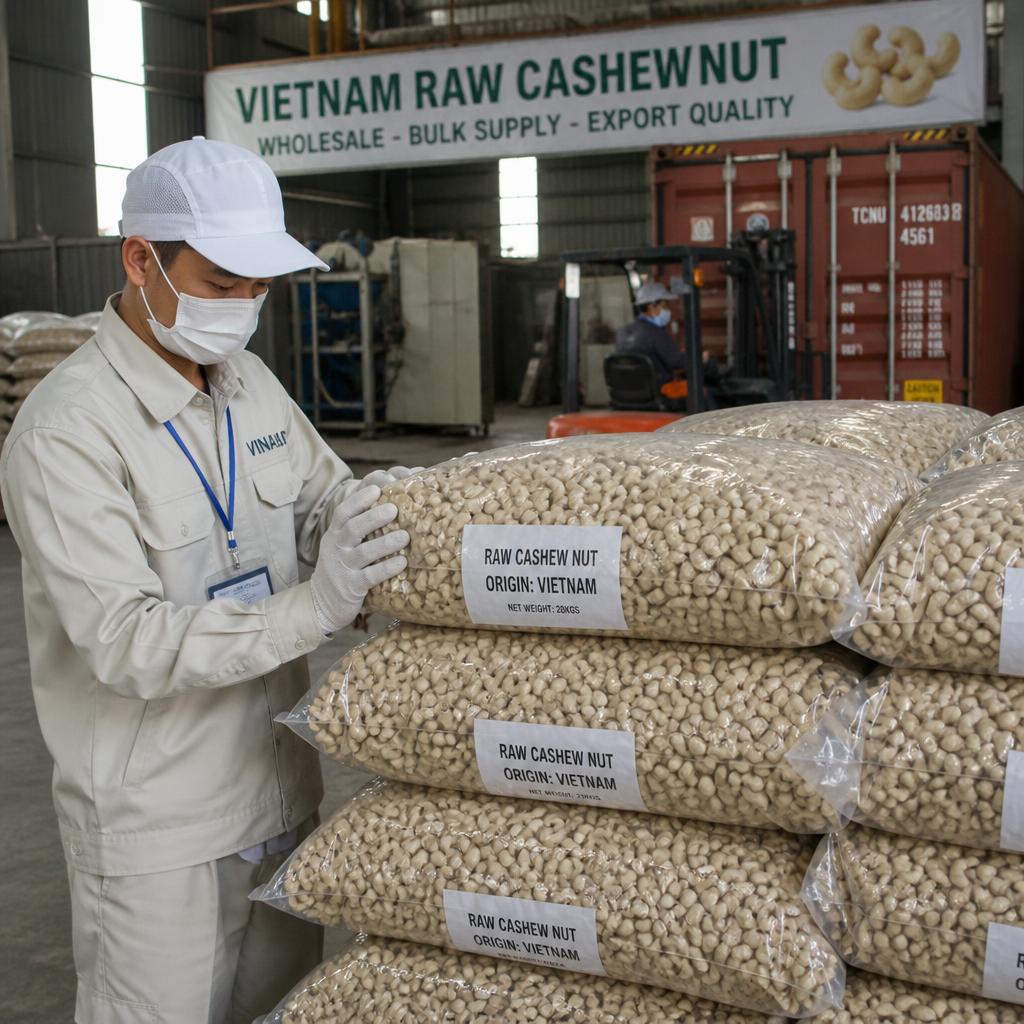
To begin with, the choice of packaging can significantly influence the preservation of cashew quality. Two primary packaging options are available: vacuum-sealed bags and jute sacks. Vacuum-sealed bags are designed to remove air and moisture, which helps in preserving the freshness and extending the shelf life of cashews. This option is particularly beneficial for exporters who need to maintain the quality of their nuts during long shipping durations. On the other hand, jute sacks, while more traditional, offer a cost-effective solution for bulk orders, though they may not provide the same level of protection against environmental factors.
Furthermore, the variation in MOQ, ranging from a few metric tons to bulk orders, offers flexibility to buyers. Smaller MOQs are ideal for businesses testing new suppliers or markets, allowing them to minimize risk. Conversely, bulk orders can be more economical per unit, benefiting larger enterprises with established supply chains. However, choosing the right MOQ requires careful consideration of storage capabilities and demand forecasts to avoid excess inventory or stockouts.
Ultimately, selecting the appropriate packaging and MOQ is not merely a logistical decision but a strategic one. It involves balancing cost, quality preservation, and market demand. For Vietnam Raw Cashew Nut Exporters, making informed choices in these areas can enhance their reputation as reliable suppliers and ensure the delivery of high-quality products to their customers worldwide.
Optimizing Supply Chain for Processors
In the competitive landscape of the cashew industry, optimizing the supply chain is crucial for processors aiming to maintain quality and efficiency. One of the key considerations in this process is the choice between direct export and intermediary options. Direct export allows processors to establish a direct line of communication with Vietnam Raw Cashew Nut Exporters, potentially reducing costs and improving transparency. However, this approach requires a deep understanding of the market and reliable sourcing strategies to ensure consistent quality.
Intermediary options, on the other hand, offer the benefit of established networks and logistical support, which can be particularly advantageous for processors new to the market or those lacking the resources to manage direct exports. However, this convenience often comes at a higher cost and can sometimes result in less control over the quality and specifications of the nuts received.
The importance of reliable sourcing strategies cannot be overstated. Processors must conduct thorough research to identify trusted sources, ensuring that the cashew nuts meet specific quality standards and specifications. This is particularly crucial given the diverse origins of cashew nuts, which can significantly affect their quality. By leveraging trusted sources, processors can mitigate risks associated with variability in nut size, moisture content, and kernel quality.
- ✅ Direct Export: Potential cost savings, better transparency, requires market knowledge.
- ❌ Intermediary Options: Easier logistics, higher costs, possible quality control issues.
Additionally, the benefits of thorough research extend beyond just quality assurance. It enables processors to make informed decisions about packaging options and minimum order quantities (MOQ), which are critical to maintaining the integrity of the nuts during transit and storage. For instance, choosing vacuum-sealed bags over jute sacks can significantly impact the freshness and shelf life of the product.
"In the world of cashew processing, knowledge is power. Processors who invest in understanding their supply chain are better positioned to navigate the complexities of the market."
Ultimately, the optimization of the supply chain for processors hinges on a balanced approach that combines direct engagement with exporters and strategic use of intermediaries, backed by rigorous research and a commitment to quality sourcing. This not only enhances the efficiency of the supply chain but also ensures the delivery of high-quality products to the end consumer.
Solutions for Effective Cashew Nut Procurement
In the competitive landscape of cashew nut procurement, ensuring the effectiveness of sourcing strategies is crucial for maintaining quality and maximizing profitability. To address the challenges faced by buyers, several key solutions can be implemented.
- 💡 Conducting Comprehensive Market Research: The foundation of effective procurement begins with a thorough understanding of the market. Engaging in detailed market research allows buyers to identify trends, pricing structures, and the competitive landscape. This knowledge is essential for making informed decisions. For instance, understanding the seasonal fluctuations in cashew nut availability can help in negotiating better prices and securing supply during peak times.
- 💡 Establishing Relationships with Reputable Exporters: Building strong partnerships with trusted exporters is vital. Reputable exporters, like those in Vietnam, often have established networks and a track record of providing high-quality products. By collaborating with these exporters, buyers can ensure a consistent supply of cashew nuts that meet their quality standards. Companies such as Vietnam Raw Cashew Nut Exporter are known for their reliability and adherence to international standards, making them valuable partners in the supply chain.
- 💡 Implementing Quality Control Measures: Ensuring product standards through rigorous quality control is non-negotiable. This involves setting up measures to assess nut size, moisture content, and defect levels. Implementing quality control protocols helps in maintaining the desired quality grades such as W320 and W240, which are crucial for meeting customer expectations and maintaining brand reputation. Regular audits and testing can prevent substandard products from reaching the market, thereby safeguarding against financial losses and reputational damage.
By integrating these solutions into their procurement strategies, businesses can navigate the complexities of the cashew nut market more effectively, ensuring a steady supply of high-quality products while optimizing costs and minimizing risks.