Vietnam Rambutan Exporter offers high-quality, fresh rambutan with unique varieties like Java and Rongrien, ensuring optimal freshness through advanced logistics and packaging.
The export of Vietnamese rambutan faces significant challenges, particularly in maintaining quality during transit. Due to the delicate nature of rambutan, preserving its freshness and appearance is a complex task for exporters. A primary issue is the fruit's shelf life, which is relatively short and often leads to spoilage before reaching international markets. Freshness is critical; once compromised, it affects both taste and marketability, making the fruit less appealing to consumers.
Furthermore, Vietnamese rambutan exporters must navigate stringent export requirements imposed by international markets. These regulations ensure that only the highest quality produce reaches consumers, but they also present hurdles for exporters who must invest in advanced preservation techniques and adhere to rigorous standards. Balancing the need to maintain freshness while meeting these strict requirements demands significant resources and expertise, posing a continuous challenge for Vietnam's rambutan exporters striving to establish a strong foothold in the global market.
Consequences of Ignoring Quality Standards
In the competitive global market, Vietnam's rambutan exporters face significant risks if quality standards are not meticulously upheld. One of the most immediate threats is the potential loss of market share. International buyers have numerous options, and any lapse in quality can lead to a shift in preference towards competitors from other countries, such as Thailand or Malaysia, known for their stringent quality controls.
Moreover, the impact on Vietnam's agricultural reputation cannot be understated. As a country striving to position itself as a reliable source of fresh produce, any instance of subpar quality in rambutan exports can tarnish the national image, affecting not only rambutan but potentially other agricultural exports as well. This reputational damage could have long-lasting effects, making it challenging to regain trust even if quality improvements are later implemented.
Beyond reputational concerns, the economic consequences for farmers and exporters are profound. Farmers, who rely heavily on income from rambutan sales, may face reduced earnings if their produce is rejected due to quality issues, leading to financial instability in rural communities where agriculture is often the primary livelihood. Exporters may also experience financial strain due to increased costs associated with rejected shipments and the need to enhance quality controls post-crisis.
"Ignoring quality standards is not just a risk; it's a gamble with the livelihoods of countless farmers and the economic stability of the export sector," remarked a representative from the Vietnam Rambutan Exporter Association.
Exploring Vietnamese Rambutan Varieties
Vietnam is renowned for its diverse rambutan varieties, each offering unique characteristics catering to different market preferences. Among these, the Java and Rongrien varieties stand out, each with distinct features contributing to their popularity in both local and international markets.
The Java rambutan is particularly noted for its vibrant red skin and juicy, sweet flavor. This variety is often favored for its larger size, which can reach up to 5 centimeters in diameter. The Java rambutan's flesh is typically translucent and succulent, making it a delight for consumers who prefer a sweeter taste. Its consistent quality and appealing appearance have made it a staple among Vietnam rambutan exporters.
In contrast, the Rongrien variety is distinguished by its smaller size and unique coloration. This variety often exhibits a more subdued red hue, sometimes with a tinge of yellow, which sets it apart visually from the Java variety. Despite its smaller size, the Rongrien rambutan is prized for its crisp texture and slightly tart flavor, offering a refreshing alternative to the sweeter Java rambutan.
- ✅ Java Rambutan: Larger size, vibrant red color, sweet taste
- ✅ Rongrien Variety: Smaller size, unique color, crisp and tart flavor
The differences in size and color between these varieties not only highlight the diversity of Vietnamese rambutan but also underscore the importance of catering to varied consumer tastes. By understanding these distinct characteristics, Vietnam rambutan exporters can better position their products in international markets, ensuring that they meet the specific demands of their clients and ultimately enhancing their competitive edge.
Ensuring Freshness from Harvest to Export
In the rambutan export industry, maintaining freshness from harvest until reaching international markets is a critical challenge. The typical shelf life of rambutan is relatively short, usually around 5 to 7 days at room temperature. This limited timeframe necessitates efficient methods to preserve the fruit's quality and appeal during transportation.
To tackle this, exporters employ various methods to maintain freshness. One common approach is the use of controlled atmosphere storage, which regulates oxygen and carbon dioxide levels to slow down ripening. Additionally, hydrocooling techniques are applied immediately after harvest to rapidly reduce the fruit's temperature, thereby extending its shelf life by a few critical days.
Timing is crucial in the supply chain for rambutan. From the moment the fruit is picked, every step—be it cooling, packaging, or shipping—must be meticulously synchronized to minimize delays that could compromise freshness. For instance, the time taken from harvest to the start of export logistics should be minimized to ensure that the fruit remains in optimal condition upon arrival at its destination.
"The success of Vietnam Rambutan Exporter hinges on the precise coordination of harvest and export logistics to ensure that every rambutan reaches the market at its freshest."
By implementing these practices, Vietnam Rambutan Exporter not only meets international quality standards but also enhances its reputation as a reliable supplier of fresh rambutan. This focus on freshness is a key factor in maintaining competitiveness in the global market.
Packaging and Its Role in Quality Preservation
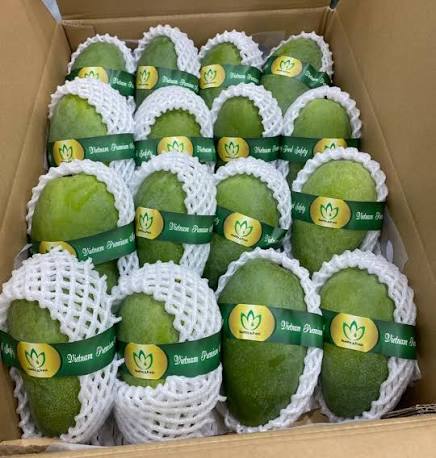
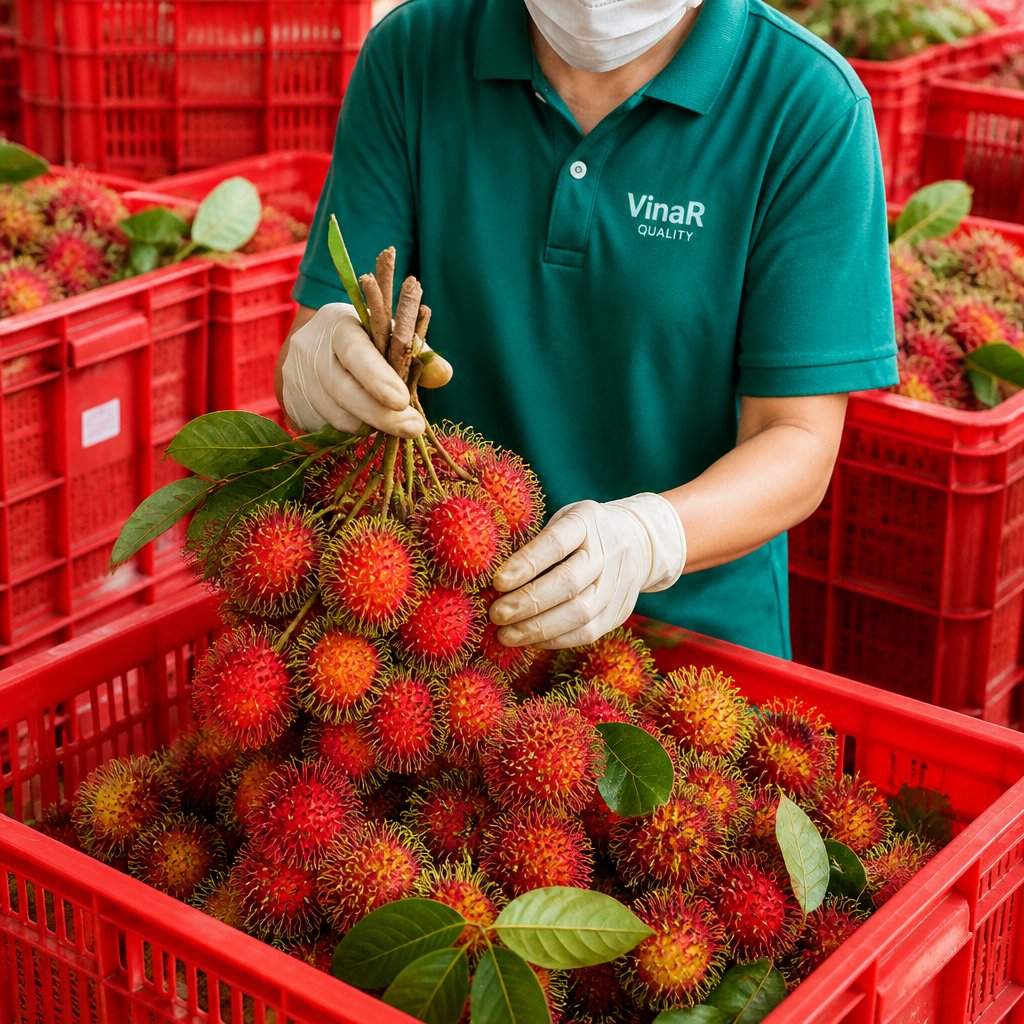
In the realm of rambutan export, packaging is not merely a container but a critical component in preserving the fruit's quality. The Vietnam Rambutan Exporter industry utilizes various types of packaging to ensure the fruit reaches international markets in optimal condition. Among the most prevalent are vacuum-sealed bags, perforated plastic containers, and foam boxes. Each of these options offers unique benefits tailored to the specific needs of rambutan preservation.
Proper packaging serves multiple purposes. It safeguards the fruit from physical damage, maintains humidity levels, and prolongs shelf life. For instance, vacuum-sealed bags reduce oxygen exposure, significantly slowing down the oxidation process and extending freshness. Perforated plastic containers allow for adequate airflow, preventing the build-up of ethylene gas which can accelerate ripening. Foam boxes provide robust protection against physical shocks during transportation, ensuring the rambutan remains intact.
Numerous effective packaging solutions have proven successful in the industry. A notable case is the use of modified atmosphere packaging (MAP) by some exporters, which involves altering the atmospheric composition within the packaging to slow down spoilage. This technique has been shown to extend the shelf life of rambutan by up to 50%, making it a valuable strategy for meeting the rigorous demands of international markets.
Incorporating these packaging innovations not only preserves the quality of the rambutan but also enhances the reputation of Vietnamese exporters as reliable suppliers of fresh produce. By prioritizing effective packaging solutions, the Vietnam Rambutan Exporter can maintain a competitive edge in the global market, ensuring their products meet the high standards expected by consumers worldwide.
The Role of Cold-chain Logistics
Cold-chain logistics is a critical component in the export of perishable goods, such as rambutan, ensuring these products maintain their freshness and quality from the point of origin to international markets. This logistics system involves a temperature-controlled supply chain that keeps products like rambutan within a specific temperature range throughout transportation and storage.
The impact of cold-chain logistics on maintaining rambutan freshness cannot be overstated. By keeping the fruit at optimal temperatures, the cold chain significantly extends its shelf life, preserving its texture, flavor, and nutritional value. This is especially important for Vietnam Rambutan Exporters, as the fruit is highly sensitive to temperature fluctuations, which can lead to rapid deterioration and spoilage.
Examples of effective cold-chain practices include the use of refrigerated trucks and cold storage facilities. For instance, companies may employ refrigerated containers known as "reefers" to transport rambutan from Vietnam to overseas markets. Additionally, the implementation of advanced monitoring technology allows exporters to track temperature and humidity levels in real-time, ensuring any deviations are promptly addressed.
"Maintaining a robust cold-chain logistics system is essential for safeguarding the quality of rambutan during export," notes a leading logistics expert.
By investing in and adhering to cold-chain logistics, Vietnam's rambutan exporters can meet stringent international quality standards, reduce waste, and enhance their competitiveness in the global market. This not only benefits the exporters themselves but also strengthens the overall reputation of Vietnam's agricultural products on the world stage.
Meeting International Export Requirements
For Vietnamese rambutan exporters, navigating the complex landscape of international export standards is crucial for success. These standards serve as a benchmark to ensure products meet the safety, quality, and labeling requirements of global markets. The Vietnam Rambutan Exporter must adhere to a variety of regulations, including the sanitary and phytosanitary measures set by the World Trade Organization (WTO), which are designed to protect human, animal, and plant life.
To effectively comply with these standards, Vietnamese exporters employ several strategies. Firstly, they invest in technology to improve the quality control processes, ensuring each batch of rambutan meets the necessary criteria before shipment. Additionally, training programs for farmers and exporters on international standards are essential. These programs focus on enhancing the understanding of global market demands and the importance of maintaining high-quality standards from harvest to export.
Identifying potential markets is another critical component of meeting international export requirements. The demand for Vietnamese rambutan is growing in regions such as North America and Europe, where consumers are increasingly seeking exotic fruits. However, these markets also have some of the most stringent quality and safety standards. By targeting these regions, Vietnamese exporters not only expand their market reach but also elevate their brand's reputation by consistently meeting high-quality benchmarks.
"Compliance with international standards is not merely an obligation but an opportunity for Vietnamese rambutan exporters to enhance their competitiveness and reputation in global markets."
By diligently adhering to these strategies, Vietnam Rambutan Exporter can secure a stronger foothold in the international market, paving the way for sustainable growth and an enhanced global presence.
Transformation through Improved Practices
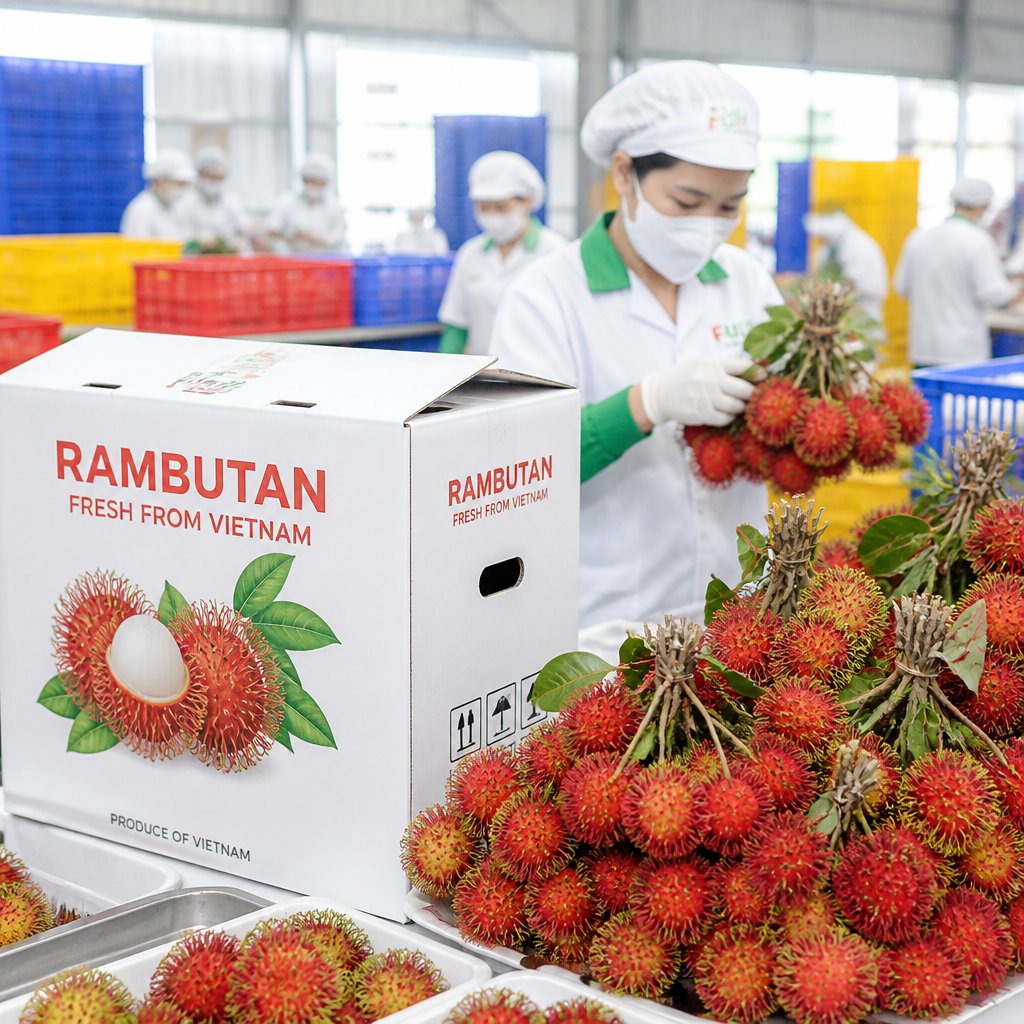
The transformation of Vietnam's rambutan export industry is largely driven by the adoption of improved practices that adhere to stringent quality standards. These standards are not mere regulatory hurdles but are essential for ensuring the exported rambutan meets the expectations of international markets. By adhering to these standards, exporters can significantly enhance the quality and shelf life of their products, leading to increased consumer satisfaction and repeat business.
One of the most illustrative examples of success through quality adherence is the case of ABC Exporters, a leading name in the Vietnam rambutan export sector. By implementing comprehensive quality control measures and investing in state-of-the-art packaging solutions, ABC Exporters has not only managed to maintain the freshness of their rambutan but has also expanded their market reach to new regions in Europe and North America. Their commitment to quality has resulted in a 30% increase in their export volume over the past two years, underscoring the tangible benefits of such practices.
This focus on quality and innovation has also bolstered the competitiveness of Vietnamese rambutan in the global marketplace. As more exporters follow suit, Vietnam is gradually establishing itself as a reliable source of high-quality rambutan, which in turn attracts more international buyers. This growing reputation is crucial for sustaining long-term growth and securing a stable position in the competitive global fruit market.
"Adhering to quality standards has not only improved our product but has also opened doors to new markets," says a spokesperson from ABC Exporters, highlighting the strategic advantage gained through these practices.
In conclusion, the transformation through improved practices is not just about meeting immediate export requirements; it's about building a robust and sustainable export industry that can thrive in the global arena. As more Vietnamese exporters embrace these practices, the potential for increased market share and economic growth becomes ever more attainable.
Offer: Enhancing the Rambutan Export Strategy
In the pursuit of elevating Vietnam's position as a leading rambutan exporter, several strategic initiatives are being proposed to enhance the export process. A key focus is on improving export logistics, which is crucial for maintaining the quality and freshness of rambutans during transit. By optimizing logistics, Vietnamese exporters can ensure their products meet the stringent quality standards required by international markets.
Investment in technology and infrastructure is another vital component of this strategy. Modernizing facilities and adopting advanced technologies can significantly enhance the efficiency of the supply chain. For instance, implementing state-of-the-art refrigeration systems and automated sorting lines can reduce spoilage and extend the shelf life of rambutans, thus ensuring they reach consumers in peak condition.
Furthermore, collaboration with international partners presents an opportunity to gain insights into best practices and access to new markets. By forming alliances with foreign logistics companies and distributors, Vietnamese exporters can benefit from established networks and expertise in handling perishable goods. This partnership approach not only enhances the distribution efficiency but also strengthens Vietnam's reputation as a reliable supplier of quality rambutan.
These measures, when combined, form a comprehensive strategy to boost the competitiveness of Vietnamese rambutan in the global market. By focusing on logistics, technology, and international collaboration, Vietnam can solidify its position as a premier rambutan exporter.
Call to Action for Vietnamese Exporters
As a pivotal moment for the Vietnam Rambutan Exporter community, it's crucial to embrace best practices that ensure the quality and competitiveness of Vietnamese rambutan in the global market. The adoption of these practices is not merely a suggestion but a necessity to thrive in the increasingly demanding international arena.
- ✅ Adopt Best Practices: By integrating advanced agricultural techniques and leveraging cutting-edge technology, exporters can enhance the quality and shelf life of rambutan. This includes implementing precision agriculture and utilizing modern packaging solutions that protect the fruit during transit.
- 💡 Continuous Improvement: The global market is dynamic, and staying ahead requires a commitment to ongoing enhancement of processes and products. This can involve regular training sessions for farmers and exporters, as well as adopting new technologies that improve efficiency and quality.
- 🤝 Engage with Export Authorities: Exporters are encouraged to collaborate closely with relevant authorities to receive guidance and support. Engaging with bodies such as the Vietnam Trade Promotion Agency can provide valuable insights into compliance with international standards and open doors to new markets.
By focusing on these areas, Vietnamese exporters can not only safeguard their market share but also elevate Vietnam's reputation as a leading supplier of quality agricultural products. The journey towards excellence in rambutan export is a collective effort that promises substantial rewards for those who are proactive and committed to innovation.