Vietnam Peppercorn Exporter offers high-quality black and white peppercorns, essential for global culinary needs, ensuring quality through strict grading and innovative packaging.
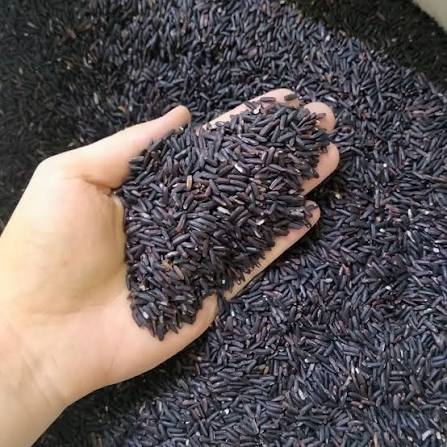
Peppercorns, the tiny yet mighty culinary gems, are derived from the dried berries of the Piper nigrum plant. These small, round spices are a staple in kitchens worldwide, cherished for their ability to enhance and elevate the flavors of countless dishes. Peppercorns hold immense global significance in culinary applications, serving as a key ingredient in a wide array of recipes across various cuisines. The two primary types of peppercorns—black and white—each have unique characteristics and culinary applications. Black peppercorns are harvested when the berries are nearly ripe and then dried, resulting in a wrinkled appearance and a strong, pungent flavor. In contrast, white peppercorns undergo a soaking process to remove their outer skin, resulting in a smoother texture and milder taste. These differences are not merely superficial; they significantly impact the culinary uses and market demand for each type. Black pepper is often favored for its intense flavor, making it ideal for seasoning robust dishes, while white pepper's subtler profile is preferred in light-colored sauces and dishes where visual appeal is crucial.
On a global scale, peppercorns are one of the most traded spices, highlighting their culinary importance. Their versatility is evident in their ability to enhance flavors across diverse cuisines—from the spicy curries of India to the delicate sauces of French cooking. For exporters, particularly those in Vietnam, understanding these nuances is vital for navigating the international spice market and meeting the varied demands of global importers.
Grades and Quality of Peppercorns
The grading of peppercorns is essential for importers and exporters, particularly those involved with the Vietnam Peppercorn Exporter. Grading is primarily based on size, color, and density, which not only determine quality but also influence market value. Larger peppercorns are generally considered superior due to their robust flavor and aroma, making size a critical grading factor. A common size classification might be 4mm and above for premium grades.
Color is another crucial factor, especially when distinguishing between black and white peppercorns. Black peppercorns should have a dark, consistent color, indicating proper harvesting and processing, while white peppercorns are expected to have a uniform, pale color, reflecting their specific processing method of removing the outer shell.
Density, often measured in grams per liter, is a key determinant of quality. High-density peppercorns are heavier and contain more essential oils, contributing to a richer flavor profile. For example, peppercorns with a density of 570 grams per liter or more are often classified as high quality. Common market grades include:
- Grade 1: Highest quality, with large size, consistent color, and high density.
- Grade 2: Slightly smaller and less dense than Grade 1, but still good quality.
- Grade 3: Smallest and least dense, used for bulk purposes where premium quality is not essential.
For Vietnam Peppercorn Exporter, understanding these grading systems and quality factors is crucial to maintaining their reputation as a reliable supplier. By adhering to stringent grading standards, they ensure their peppercorns meet the diverse needs of importers worldwide.
Size and Density Specifications
Size and density are critical factors in evaluating peppercorn quality, affecting both visual appeal and flavor profile. Understanding standard size categories and the importance of density provides valuable insights for importers and suppliers.
Standard Size Categories: Peppercorns are categorized into different size ranges, crucial for grading and pricing. Common size categories include:
- Small: Less than 3 mm
- Medium: 3-4 mm
- Large: Greater than 4 mm
These classifications help maintain quality consistency, as larger peppercorns are often associated with better flavor and higher essential oil content.
Importance of Density: Density is pivotal in determining quality. A higher density indicates a mature, well-developed peppercorn with a richer flavor and aroma. Density is typically measured by the weight of a fixed volume of peppercorns, and higher density peppercorns are more sought after in the market.
Comparison of Black vs. White Peppercorns: Size and density play significant roles in distinguishing black and white peppercorn qualities. Black peppercorns, harvested earlier, have a robust flavor and are generally denser due to their outer shell. In contrast, white peppercorns, soaked and stripped of their outer layer, often have a smoother texture and milder taste. The removal of the outer shell in white peppercorns can result in slightly lower density compared to black peppercorns.
"The density of peppercorns is a key indicator of their maturity and flavor potency," notes a report by the Vietnam Peppercorn Exporter.
In summary, size and density are crucial specifications impacting peppercorn quality and marketability. Importers and suppliers should carefully consider these factors to ensure they source the best possible product for their needs.
Packaging Options for Export
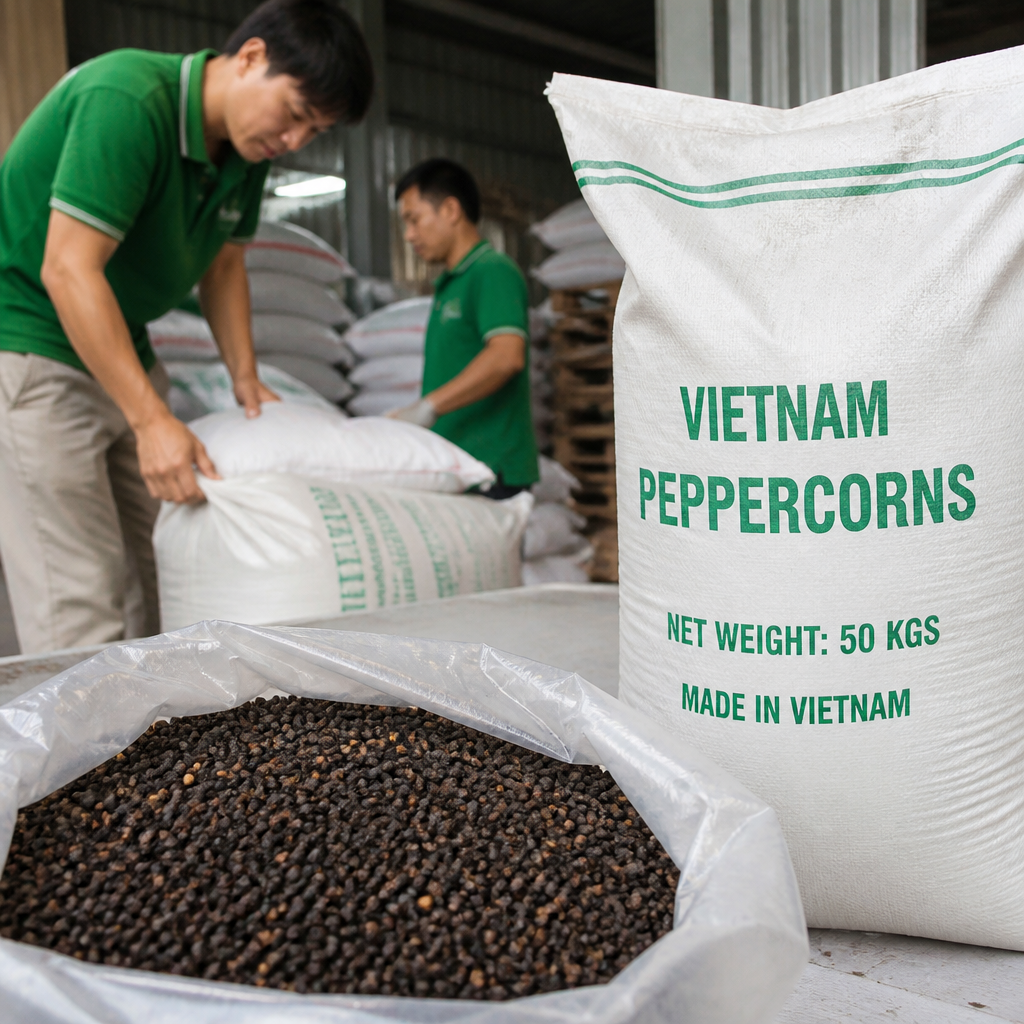
Choosing the right packaging is crucial to maintaining peppercorn freshness and quality during export. The Vietnam Peppercorn Exporter recognizes this importance and offers various packaging options to meet diverse needs.
Common packaging materials include polypropylene bags, jute bags, and vacuum-sealed pouches. Each material offers distinct advantages. Polypropylene bags are lightweight and moisture-resistant, ideal for long-distance shipping. Jute bags are biodegradable and provide a natural pest barrier, aligning with eco-friendly practices. Vacuum-sealed pouches are excellent for preserving aroma and flavor, ensuring peppercorns reach consumers in optimal condition.
Packaging choice directly impacts peppercorn freshness and quality. Proper packaging prevents air and moisture exposure, which can degrade quality over time. For instance, vacuum-sealed packaging significantly reduces contamination and spoilage risk, maintaining peppercorn potency and taste.
Recently, there has been a growing trend towards eco-friendly packaging solutions, driven by increasing consumer awareness and demand for sustainable practices. Many exporters are exploring biodegradable and recyclable materials to reduce their environmental footprint. Some companies experiment with compostable films and recycled paper for packaging, supporting environmental sustainability and appealing to eco-conscious consumers.
"A representative from a leading packaging firm states, "Adopting sustainable packaging is essential for the future of the spice industry, not merely a passing trend."
Overall, packaging choice is a strategic decision affecting product quality, shelf life, brand reputation, and compliance with international standards. The Vietnam Peppercorn Exporter is committed to providing innovative and sustainable packaging options catering to evolving global market needs.
Minimum Order Quantity (MOQ)
In commodity trade, including peppercorns, the concept of Minimum Order Quantity (MOQ) is crucial. MOQ refers to the smallest product quantity a supplier is willing to sell, ensuring production costs are covered and a reasonable profit margin is achieved. For Vietnam Peppercorn Exporter, understanding and negotiating MOQ is crucial for importers optimizing their purchasing strategy.
Typical MOQ for black and white peppercorns can vary significantly based on several factors. Generally, black peppercorns have a lower MOQ compared to white peppercorns. For instance, black peppercorns might have a MOQ of around 5 metric tons, while white peppercorns, due to more intensive processing, might have a MOQ of around 10 metric tons. These figures reflect production dynamics and market demand.
Factors influencing MOQ include:
- Seasonality: Peppercorn availability fluctuates with seasons. During peak harvest, suppliers may lower MOQ due to increased supply, while during off-peak times, MOQ might rise as supply tightens.
- Demand: High demand can lead to higher MOQ as suppliers prioritize larger orders for efficiency and profitability. Conversely, when demand is low, suppliers might be more flexible with MOQ to attract buyers.
- Supply: Overall supply chain conditions, including transportation and storage capabilities, can affect MOQ. Disruptions or constraints may necessitate higher MOQ to justify logistical costs.
"Understanding the intricacies of MOQ is essential for importers working with Vietnam Peppercorn Exporter, as it directly impacts purchasing decisions and cost efficiency."
For importers, effectively navigating these factors can lead to more favorable terms and potentially lower costs. Staying informed about market conditions and building strong supplier relationships can help negotiate MOQs aligning with business objectives.
Export Logistics for Peppercorns
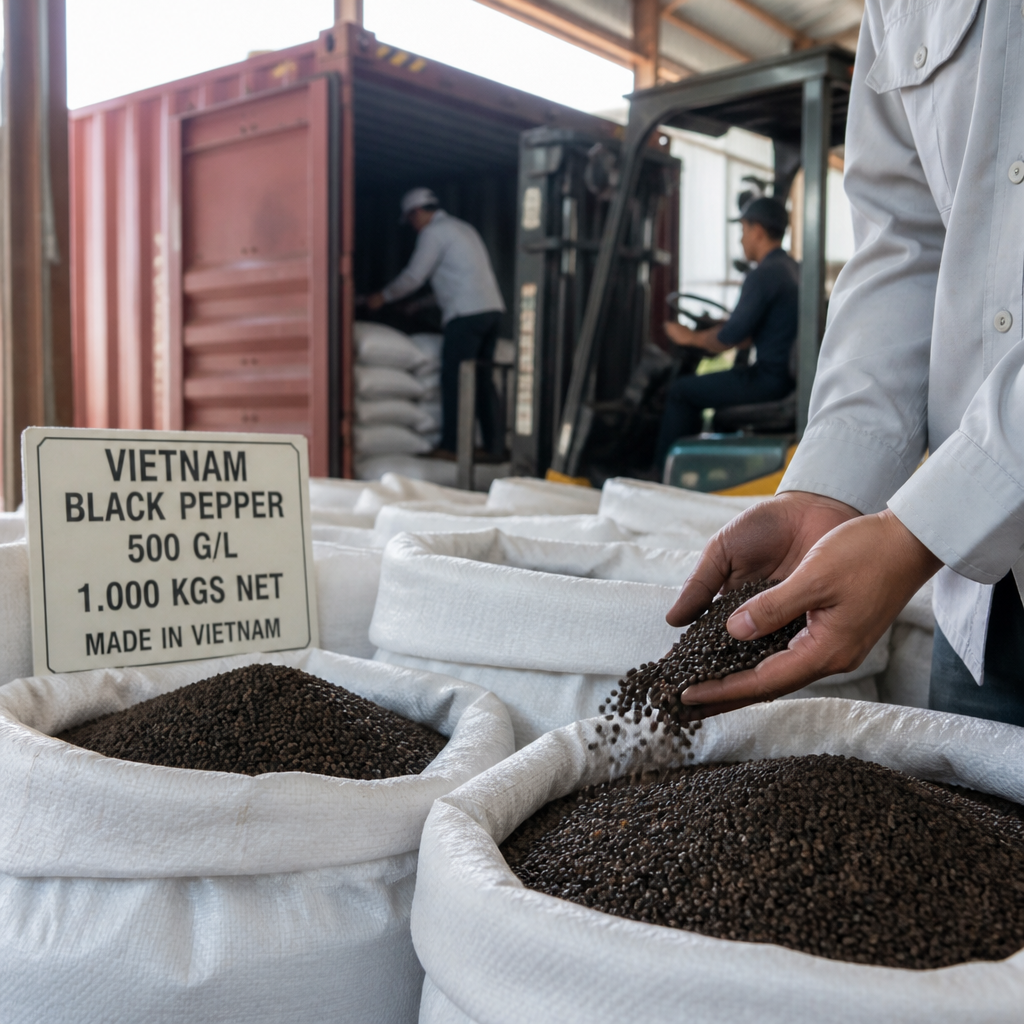
Exporting peppercorns from Vietnam involves complex processes requiring meticulous planning and execution. The journey from Vietnamese farms to international markets begins with harvesting and grading. Once sorted and graded, peppercorns are packaged according to importing country specifications, crucial for maintaining quality and freshness during transit.
Navigating the export landscape presents challenges, including customs and regulatory requirements. Each country has specific regulations for spice imports, including quality checks, documentation, and compliance with phytosanitary standards. For instance, the European Union demands specific pesticide residue limits, necessitating thorough testing and certification before shipment.
To address these challenges, Vietnam Peppercorn Exporters optimize logistics and reduce costs through strategies like shipment consolidation. Grouping smaller orders into a single larger shipment allows exporters to benefit from economies of scale, reducing per-unit shipping costs. Utilizing efficient transportation routes and reliable freight services minimizes delays and enhances supply chain efficiency.
Leveraging technology in logistics management is also pivotal. Advanced tracking systems and digital documentation streamline the export process, ensuring transparency and reducing error risk. This technological integration improves operational efficiency and builds trust with international buyers by providing real-time shipment status updates.
In conclusion, exporting peppercorns from Vietnam involves navigating logistical and regulatory challenges, but strategic planning and innovative solutions can mitigate these issues. By focusing on optimization and leveraging technology, Vietnam Peppercorn Exporters can maintain their competitive edge in the global market.
Conclusion
In summarizing the critical aspects of Vietnam Peppercorn Exporter, it's essential to revisit the key specifications that make Vietnamese peppercorns a preferred choice in the global market. The distinction between black and white peppercorns, particularly in terms of size and density, plays a pivotal role in determining their quality and suitability for various culinary applications. Understanding these specifications is crucial for importers aiming to meet diverse consumer preferences.
Looking ahead, the peppercorn market is poised for significant shifts. Future trends indicate a growing demand for sustainably sourced and organic peppercorns, driven by increasing consumer awareness and preference for environmentally friendly products. This trend is likely to influence production practices and supply chain strategies, making it imperative for exporters to adapt to these changes to remain competitive.
Additionally, the logistics involved in exporting peppercorns are of utmost importance. Navigating the complexities of customs regulations and optimizing logistics to minimize costs are critical components of a successful export strategy. Exporters must have a comprehensive understanding of these processes to ensure timely and efficient delivery of products to international markets. By focusing on these logistical aspects, exporters can enhance their operational efficiency and strengthen their position in the global peppercorn trade.
In conclusion, the future of the peppercorn export market is bright, with opportunities for growth and innovation. By staying informed about market trends and logistics requirements, Vietnamese peppercorn exporters can continue to thrive and meet the evolving demands of importers worldwide.