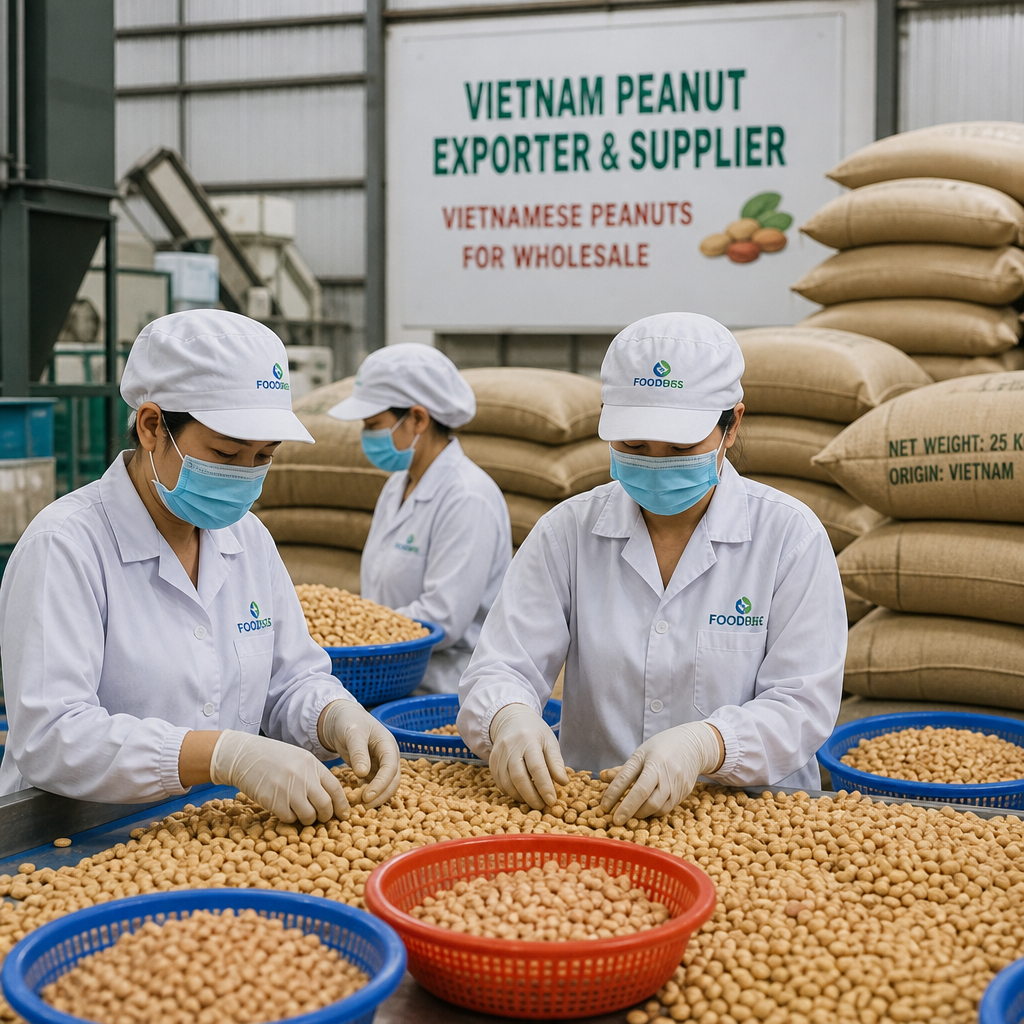
Vietnam Peanut Exporter offers high-quality peanuts, including Bold, Java, and TJ varieties, meeting global demand for healthy, plant-based snacks.
The peanut industry in Vietnam is an integral part of the country's agricultural sector, playing a crucial role in both domestic consumption and international trade. Vietnamese peanuts are primarily categorized into three main varieties: Bold, Java, and TJ. Each of these varieties offers distinct characteristics that cater to different market needs. The Bold variety is known for its larger size and robust flavor, making it a popular choice for direct consumption and snack production. The Java and TJ varieties, on the other hand, are smaller and often preferred for processing into peanut butter, oil, and other derivative products.
In the realm of size grading, Vietnamese peanuts are segmented into several classifications such as 40/50, 60/70, 70/80, and 80/90. These grades are determined by the number of peanuts per ounce, with smaller numbers indicating larger peanut sizes. This grading system is vital for meeting specific market demands, as different regions have varying preferences for peanut sizes. For example, larger-sized peanuts are often favored in snack markets, while smaller sizes are more suitable for peanut butter and confectionery production.
Vietnam is a significant player in the global peanut export market, with India being its largest supplier. This relationship underscores the strong trade ties and interdependence between the two countries within the peanut industry. The Vietnamese market has seen a rising trend in peanut consumption, driven by increasing health awareness and the popularity of plant-based diets. Peanuts, being a staple in traditional Vietnamese cuisine, are also gaining popularity as a healthy snack option among the younger generation, who are more inclined towards nutritious and convenient food choices.
Despite its potential, the Vietnamese peanut industry faces several challenges that need to be addressed to maintain and enhance its competitiveness. One of the primary concerns is quality control, especially in managing aflatoxin levels. Aflatoxins are toxic compounds produced by certain molds found in agricultural crops, and high levels can lead to serious health issues. This presents a significant barrier to accessing international markets. Ensuring strict quality standards and compliance with international food safety regulations is essential for Vietnamese peanut exporters to expand their reach globally.
Quality control and aflatoxin levels are critical challenges for Vietnam's peanut industry, impacting its global competitiveness.
Envisioning a Robust Peanut Market
The global demand for plant-based snacks is on the rise, driven by consumers' increasing preference for healthier and more sustainable food options. This trend presents a significant opportunity for the peanut industry, particularly for Vietnamese peanut exporters. Peanuts, being a versatile and nutritious legume, are well-positioned to capitalize on this shift in consumer behavior. As more individuals seek alternatives to animal-based products, peanuts offer a high-protein, fiber-rich option that fits perfectly into the plant-based snack category.
Additionally, the peanut butter market is experiencing substantial growth. Recent market analyses indicate that the global peanut butter market is projected to expand further, driven by its popularity as a convenient and healthy spread. This growth is particularly notable in North America and Europe, where consumers are increasingly incorporating peanut butter into their diets for its nutritional benefits. For Vietnamese peanut exporters, tapping into this expanding market can lead to increased export opportunities and revenue streams.
India, a significant player in the global peanut supply chain, offers the potential for a year-round supply of peanuts. This consistent availability is crucial for maintaining a steady flow of exports and meeting international demand without seasonal interruptions. Vietnam can leverage India's supply capabilities to ensure that its peanut exports remain competitive and reliable, further strengthening its position in the global market.
Competitive pricing is another advantage that Vietnamese peanut exporters can exploit. By offering peanuts at competitive rates, Vietnam can attract more international buyers, particularly in price-sensitive markets. This pricing strategy not only enhances market penetration but also positions Vietnam as a preferred supplier in the global peanut trade.
Quality and compliance standards have seen significant improvements, which is essential for gaining and maintaining trust in international markets. Enhanced quality control measures ensure that Vietnamese peanuts meet stringent international standards, reducing issues related to contaminants such as aflatoxins. Compliance with these standards not only protects consumer health but also boosts the reputation of Vietnamese peanuts in the global market.
The Vietnamese peanut industry is poised for growth, leveraging increased demand for plant-based snacks and the expanding peanut butter market, while ensuring quality and competitive pricing.
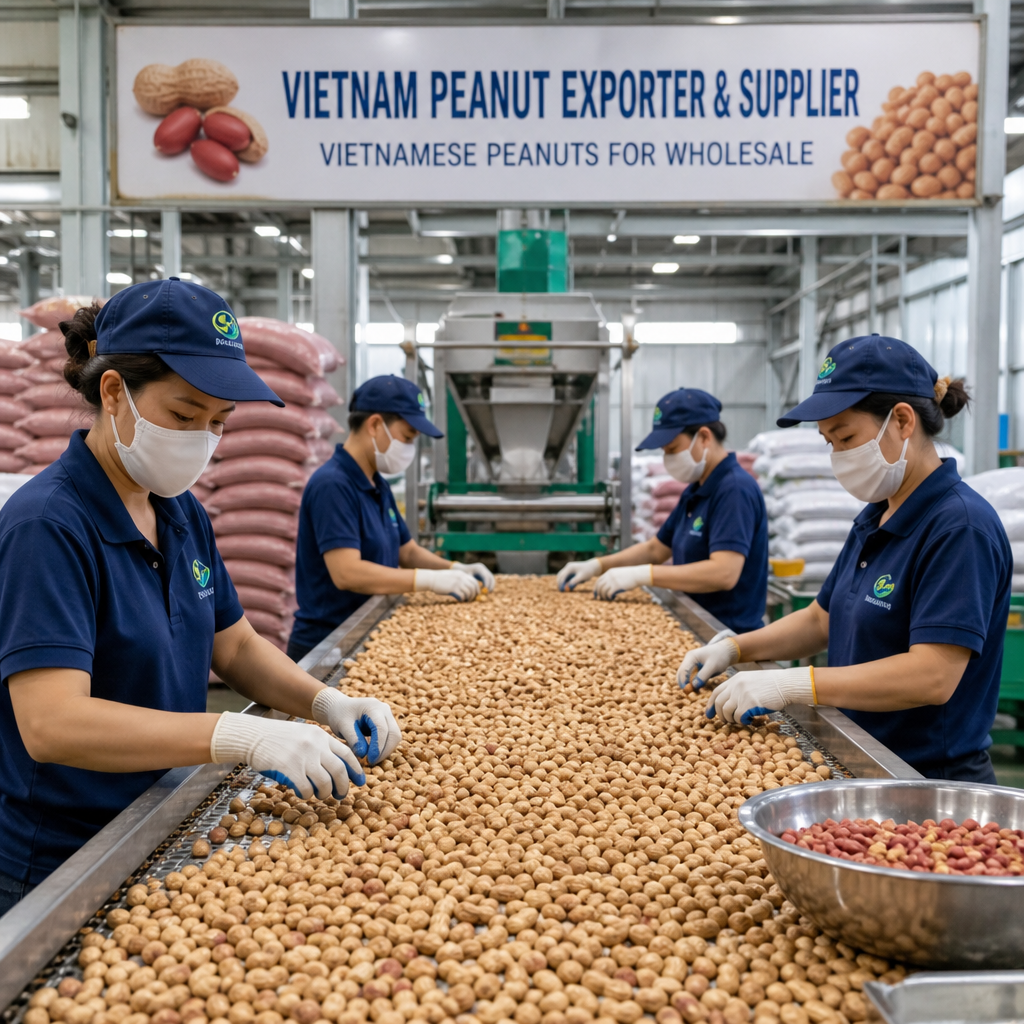
Pathway to a Thriving Peanut Trade
To ensure the success of Vietnam's peanut trade, several critical factors must be addressed, each contributing to the overall quality and reliability of the export process. These elements are vital for maintaining a competitive edge in the international market and ensuring customer satisfaction.
Ensuring Quality
The cornerstone of a thriving peanut trade is quality control. Vietnamese peanuts must adhere to strict quality standards, including a maximum moisture content of 8%. This specification is crucial as it prevents spoilage during transit and storage, ensuring that the peanuts remain fresh upon arrival. Additionally, controlling aflatoxin levels is of utmost importance. Aflatoxins, which are toxic compounds produced by certain molds, can pose significant health risks if not managed properly. Implementing rigorous aflatoxin control measures not only safeguards consumer health but also enhances the reputation of Vietnam as a reliable peanut exporter.
Packaging Standards
Proper packaging is another essential aspect that contributes to the integrity of peanut exports. Vietnamese peanuts are typically packaged in 50 kg polypropylene (PP) or jute bags. These materials are chosen for their durability and ability to protect the contents from environmental factors such as humidity and pests. The choice of packaging not only ensures the quality of the peanuts but also meets international shipping standards, facilitating smooth transit across borders.
Export Documentation
Comprehensive export documentation is a non-negotiable requirement in international trade. For Vietnamese peanut exporters, obtaining a Certificate of Origin is essential to verify the origin of the goods. Additionally, Phytosanitary and Fumigation certificates are necessary to certify that the peanuts are free from pests and have been treated to prevent contamination. These documents are crucial for gaining entry into foreign markets and ensuring compliance with international trade regulations.
Minimum Order Quantity (MOQ) Requirements
To streamline operations and maintain efficiency, Vietnamese peanut exporters have set a Minimum Order Quantity (MOQ) of a 20ft Full Container Load (FCL), equivalent to 19 metric tons. This requirement helps in optimizing shipping costs and ensures that the supply chain operates smoothly, meeting the demands of large-scale buyers.
Shipping Routes
Efficient logistics are vital for a successful export operation. Vietnamese peanuts are primarily shipped from the ports of Mundra and Kandla, with destinations including Ho Chi Minh City and Hai Phong. These routes are strategically chosen to facilitate timely delivery and reduce transit times, thereby enhancing the reliability of supply.
Lab Testing and Certificate of Analysis (COA)
Before export, peanuts undergo rigorous lab testing to ensure they meet all quality standards. A Certificate of Analysis (COA) is issued to confirm that the product complies with the specified requirements, including moisture content and aflatoxin levels. This certificate serves as a guarantee of quality for buyers, reinforcing trust in Vietnamese peanut exports.
The meticulous attention to quality and compliance standards positions Vietnam as a formidable player in the global peanut market.
By focusing on these critical areas, Vietnam can pave the way for a thriving peanut trade, ensuring that its exports meet the high expectations of international buyers and continue to grow in demand worldwide.
One additional aspect that can be leveraged is the growing consumer awareness of the health benefits associated with peanut consumption. Peanuts are rich in essential nutrients, including protein, healthy fats, vitamins, and minerals, making them an excellent choice for health-conscious consumers. This nutritional profile aligns with the increasing global trend towards healthier eating habits, further bolstering the demand for peanuts in various forms, from whole nuts to processed products like peanut butter and peanut oil.
Furthermore, the environmental impact of peanut farming is relatively low compared to other crops. Peanuts require less water and have a smaller carbon footprint, making them an attractive option for consumers and companies focused on sustainability. This aspect can be highlighted in marketing strategies to appeal to eco-conscious consumers and businesses looking to reduce their environmental impact.
In conclusion, the Vietnamese peanut industry is well-positioned to capitalize on the growing global demand for peanuts and peanut products. By addressing quality control challenges, leveraging competitive pricing, and emphasizing the health and environmental benefits of peanuts, Vietnam can enhance its competitiveness in the international market. Continued investment in quality assurance, efficient logistics, and strategic marketing will be key to sustaining growth and expanding the reach of Vietnamese peanuts worldwide.