Vietnam Passion Fruit Exporter is at the forefront of the global market, driven by high-quality cultivation and growing international demand.
In recent years, Vietnam has emerged as a key player in the global passion fruit market, with its exports surpassing annual figures in 2024. This remarkable achievement underscores the country's strategic positioning and its ability to leverage favorable climate conditions, forward-thinking agricultural policies, and a rising international demand for passion fruits. Together, these elements underscore Vietnam's expanding influence and potential as a leading exporter in the passion fruit industry.
Vietnam's climate plays a pivotal role in its success in passion fruit cultivation. The tropical and subtropical regions of the country provide the perfect environment for growing passion fruits, with an optimal balance of sunlight, rainfall, and temperature. This natural advantage enables Vietnamese farmers to cultivate passion fruits that are rich in flavor and high in nutritional value, making them highly desirable in international markets.
Beyond its natural advantages, Vietnam has implemented strategic agricultural policies that bolster the passion fruit industry. The government has made significant investments in research and development to enhance cultivation techniques, increase yields, and promote sustainable farming practices. These efforts not only improve the quality and quantity of the produce but also position Vietnamese passion fruits as competitive offerings on the global stage.
International demand for passion fruit has increased, driven by its popularity in health-conscious diets and versatility in various culinary applications. As consumers worldwide seek nutritious and exotic fruits, Vietnam's passion fruit exports have found a growing market. The country's ability to efficiently meet this demand has been a key factor in its export success.
Vietnam’s Position in the Global Passion Fruit Industry
Vietnam has firmly established itself as a significant player in the global passion fruit industry, consistently ranking among the top 10 global producers and exporters of this vibrant fruit. This impressive standing is underpinned by several key factors that highlight the country's capability and potential in passion fruit production.
One of the most notable aspects of Vietnam's success in this industry is its expansive cultivation area, which exceeds 12,000 hectares. This vast area dedicated to passion fruit farming is a testament to the country's commitment to agricultural development and its strategic focus on this particular crop. The extensive cultivation area not only supports large-scale production but also enables Vietnam to meet the growing demand from international markets.
In terms of production output, Vietnam boasts an annual yield of approximately 200,000 tons of passion fruit. This substantial yield underscores the efficiency and effectiveness of Vietnamese agricultural practices, which have been honed over years of experience and adaptation to both domestic and international market needs. The ability to produce such a significant volume of passion fruit annually ensures that Vietnam can maintain its competitive edge in the global market.
The key growing regions for passion fruit in Vietnam are the Central Highlands and the northern mountainous provinces. These areas offer ideal climatic conditions that are conducive to the cultivation of high-quality passion fruit. The Central Highlands, in particular, is known for its fertile soil and favorable weather, which contribute to the robust growth and superior quality of the fruit produced here. Similarly, the northern mountainous provinces provide a unique environment that supports the cultivation of passion fruit varieties that are well-suited to the region's specific conditions.
"Vietnam's strategic positioning and agricultural prowess have propelled it to the forefront of the global passion fruit industry, cementing its role as a leading exporter and producer."
Trends and Varieties in Vietnam’s Passion Fruit Production
Vietnam has carved out a notable position in the global passion fruit market, primarily due to its cultivation and export of the Purple passion fruit variety. This variety is renowned for its exceptional aroma, flavor, and high Brix levels, which indicate a higher sugar content and sweetness, making it particularly appealing to international consumers.
The cultivation practices in Vietnam are highly efficient, contributing significantly to the quality and yield of the Purple passion fruit. Farmers in the key growing regions, such as the Central Highlands and northern mountainous provinces, employ advanced agricultural techniques that optimize growth conditions and enhance fruit quality. These practices not only improve yield but also ensure the fruits meet the stringent quality standards required by international markets.
- 💡 Fresh and Processed Products: Vietnam offers a diverse range of passion fruit products, catering to various consumer preferences. The availability of both fresh and processed forms, such as juices and purees, allows Vietnam to tap into different market segments, from fresh produce markets to food processing industries.
- ⚡ Processed Varieties: The processing of passion fruits into products like juice and pulp has gained popularity due to their convenience and extended shelf life. This diversification not only adds value to the raw fruit but also opens up additional revenue streams for producers.
By focusing on these strategic elements, Vietnam has positioned itself as a prominent Vietnam Passion Fruit Exporter, capable of meeting the diverse demands of global markets. The country's ability to provide high-quality, flavorful passion fruit varieties, coupled with efficient production and processing methods, underscores its growing influence in the international passion fruit industry.
Key International Markets for Vietnamese Passion Fruit Exports
Vietnam has strategically positioned itself as a significant player in the passion fruit export market, targeting major international regions such as Asia, Europe, and North America. These regions offer significant opportunities for growth and expansion due to their diverse consumer bases and rising demand for exotic fruits.
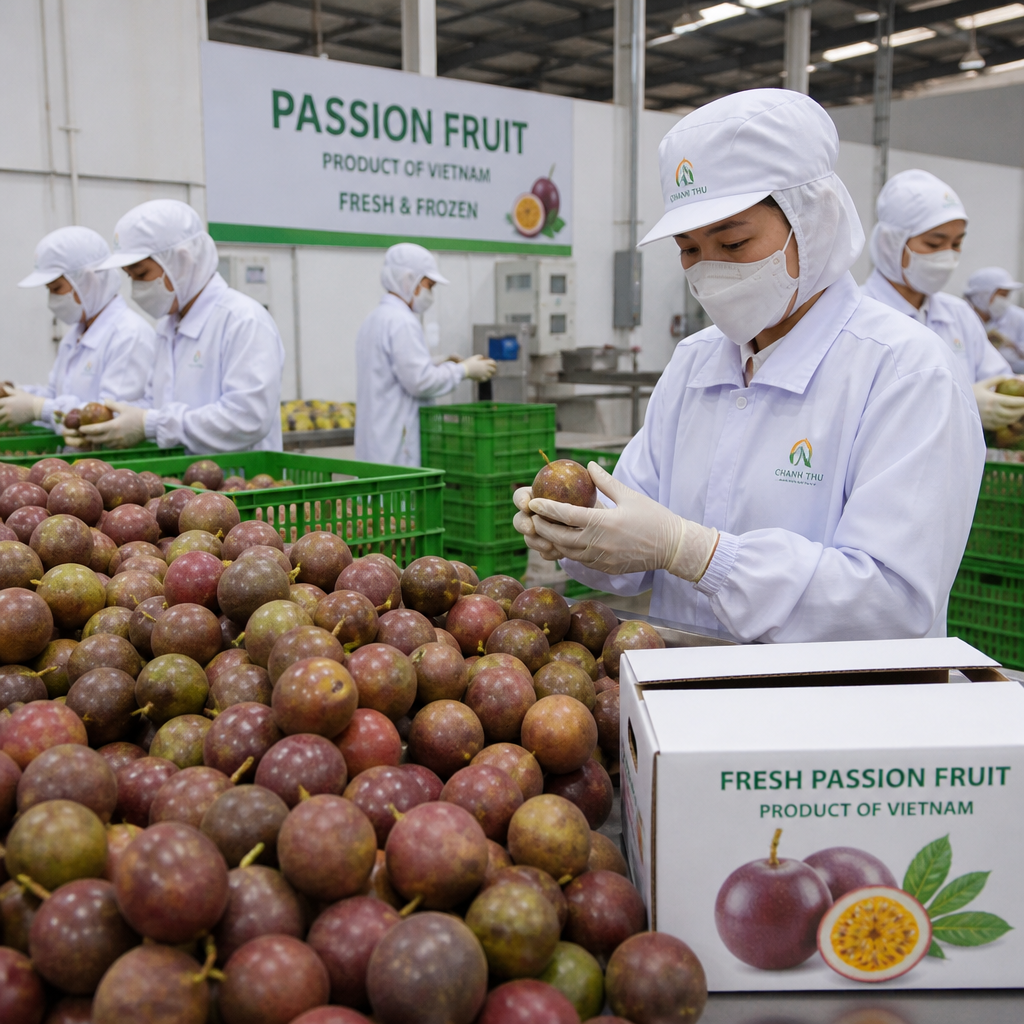
In recent years, the export of frozen passion fruits has gained considerable traction. This shift is largely attributed to the convenience that frozen fruits offer to consumers, as they are easy to store and use at any time. Additionally, frozen fruits are known for their ability to retain nutrients effectively, ensuring that consumers receive the health benefits of fresh produce without the limitations of a short shelf life.
One of the key technologies driving this trend is Individual Quick Freezing (IQF). This advanced freezing method allows each piece of fruit to be frozen individually, preserving its natural taste, texture, and nutritional value. IQF technology is particularly beneficial for maintaining the high quality of Vietnamese passion fruits, making them more appealing to international buyers who prioritize both convenience and quality.
"The adoption of IQF technology has not only enhanced the quality of frozen passion fruits but also significantly extended their market reach," notes a representative from a leading Vietnam Passion Fruit Exporter.
The appeal of frozen passion fruits is particularly strong in Europe and North America, where consumers are increasingly seeking convenient, healthy food options. These markets appreciate the long shelf life and nutrient retention of IQF-frozen fruits, aligning with their lifestyle preferences and dietary habits. Meanwhile, Asia remains a robust market due to its proximity and familiarity with passion fruit as a staple in various culinary applications.
Overall, Vietnam's focus on these key international markets, combined with its investment in cutting-edge technologies like IQF, positions it well to meet the evolving demands of global consumers. This strategic approach not only enhances the country's export potential but also reinforces its reputation as a leading supplier of high-quality passion fruit products worldwide.
Competitive Advantages of Vietnam as a Passion Fruit Supplier
Vietnam has positioned itself as a formidable player in the global passion fruit market, leveraging several competitive advantages that enhance its reputation as a reliable exporter. One of the primary strengths is its robust supply chain and export infrastructure. Vietnam's well-developed logistics network, including modern ports and efficient transportation systems, facilitates the swift and reliable movement of goods. This infrastructure is crucial for maintaining the freshness and quality of passion fruits during transit, especially when exporting to distant markets in Europe and North America.
Another significant advantage is the support from both government and private sector initiatives. The Vietnamese government has implemented policies that encourage agricultural exports, offering incentives and support to passion fruit farmers and exporters. Private sector initiatives also play a vital role, with companies investing in technology and infrastructure to boost production and export capabilities. These combined efforts ensure that Vietnam remains competitive on the global stage.
Meeting international standards is another area where Vietnam excels. The country's passion fruit suppliers adhere to rigorous quality control measures, including HACCP (Hazard Analysis and Critical Control Points), ISO (International Organization for Standardization), and Global G.A.P. (Good Agricultural Practices) certifications. These certifications are essential for accessing high-demand markets where consumers prioritize food safety and quality. By meeting these standards, Vietnam assures international buyers of the reliability and safety of its passion fruit products.
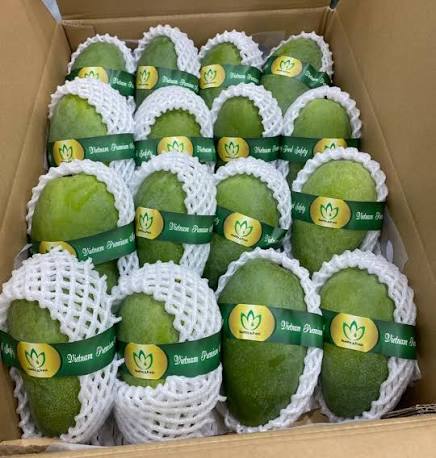
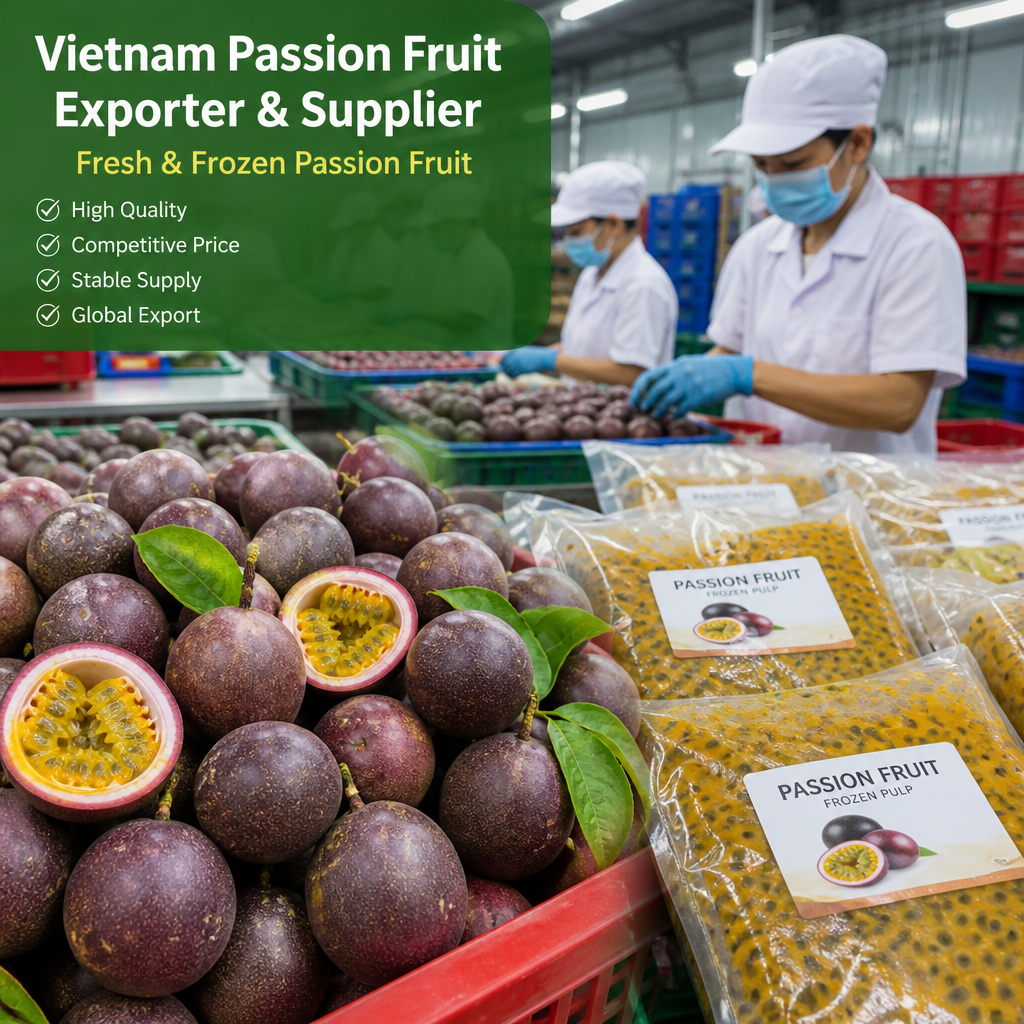
Lastly, Vietnam offers a variety of packaging and processing options that enhance the appeal of its passion fruit products. From fresh to frozen, and even processed forms like puree and juice, Vietnamese suppliers cater to diverse consumer preferences. Innovative packaging solutions not only preserve the fruit's freshness but also extend its shelf life, making it more attractive to international retailers and consumers who value convenience and longevity.
"Vietnam's adherence to international standards and robust export infrastructure make it a preferred supplier in the global passion fruit market."
These competitive advantages collectively position Vietnam as a leading passion fruit exporter, capable of meeting the growing global demand while maintaining high standards of quality and efficiency.
Challenges and Risks in Vietnam’s Passion Fruit Market
While Vietnam has made significant strides in becoming a prominent player in the global passion fruit market, several challenges and risks threaten to impede its growth trajectory. These issues range from logistical hurdles to quality control, all of which require strategic solutions to ensure the sustainability of Vietnam's passion fruit industry.
- ⚖️ Minimum Order Quantity (MOQ) Requirements: One of the primary challenges faced by Vietnam's passion fruit exporters is the stringent MOQ requirements imposed by international buyers. These requirements can be particularly burdensome for smaller producers who may struggle to meet large volume demands. As a result, they may find themselves excluded from lucrative export opportunities, limiting their market reach and profitability.
- 🚚 Export Logistics Complexities: Navigating the complexities of export logistics is another significant challenge. The process involves multiple stages, including customs clearance, transportation, and compliance with international shipping regulations. Any misstep can lead to delays or increased costs, impacting the competitiveness of Vietnamese passion fruit in the global market. Efficient logistics management is crucial to maintaining timely deliveries and ensuring product quality upon arrival.
- 🔍 Quality Grade Considerations: Maintaining consistent quality grades is imperative for sustaining Vietnam's reputation as a reliable passion fruit supplier. The global market demands fruits that meet specific quality standards, including size, color, and sweetness. Inconsistencies in quality can lead to customer dissatisfaction and reduced demand. Therefore, implementing rigorous quality control measures is essential to uphold product standards and customer trust.
- 🌱 Sustainability of Growth Amidst Increasing Demand: As international demand for passion fruit continues to rise, Vietnam faces the challenge of sustaining growth without compromising environmental and social standards. The expansion of cultivation areas must be managed responsibly to prevent deforestation and ensure the long-term viability of the industry. Additionally, integrating sustainable farming practices can help mitigate the environmental impact and secure the future of Vietnam's passion fruit market.
Addressing these challenges requires collaborative efforts from both the government and private sector. By investing in infrastructure, enhancing quality control systems, and promoting sustainable practices, Vietnam can fortify its position as a leading passion fruit exporter while ensuring long-term industry growth.