Vietnam Papaya Exporter provides high-quality, sweet Red Lady papayas, ensuring optimal freshness and compliance with international standards for global markets.
The Vietnam papaya export industry targets a diverse and specialized audience, each playing an essential role in the supply chain. Exporters and importers of tropical fruits are the backbone of this market, focusing on sourcing high-quality papayas that meet international standards. They constantly seek reliable suppliers like Vietnam Papaya Exporter, who can provide consistent quality and volume to meet global demand. These stakeholders are crucial in bridging the gap between Vietnamese producers and international markets, ensuring that the supply chain functions smoothly and efficiently.
Agricultural investors interested in expanding into papaya production find Vietnam an attractive destination due to its favorable climate and soil conditions. The potential return on investment is significant, especially with popular varieties like the Red Lady papaya, which are highly sought after for their sweetness and size. These investors are keen to capitalize on the growing demand for tropical fruits in international markets, recognizing the opportunity to tap into a lucrative sector that promises both growth and sustainability.
In the realm of logistics, supply chain and logistics professionals are essential for ensuring that papayas are transported efficiently and arrive in optimal condition. They focus on the complexities of fruit export, including packaging, handling, and transportation logistics, to minimize spoilage and maximize freshness upon arrival. The intricate logistics involved in exporting delicate fruits like papayas require careful coordination and expertise to ensure that the fruits reach their destinations without compromising quality.
Finally, quality assurance teams in the fruit industry are tasked with maintaining the high standards required for export. They ensure that the papayas meet the necessary quality benchmarks, such as appropriate Brix levels for sweetness and the desired appearance for market acceptance. These teams work closely with exporters to implement rigorous quality checks throughout the production and export process, ensuring that only the best products reach international consumers. Their role is pivotal in safeguarding the reputation of Vietnamese papayas in the global market.
Understanding the Needs and Challenges in Papaya Export
There is a growing global demand for high-quality papayas, especially sweet varieties like the Red Lady. Known for its exceptional sweetness and vibrant color, this variety is favored in international markets. Meeting the quality expectations of such discerning markets poses several challenges for Vietnam Papaya Exporters, requiring a deep understanding of both the product and market dynamics.
One critical factor in exporting papayas is ensuring that the fruit is harvested at the appropriate size and maturity. Papayas that are too small or immature may not ripen properly, affecting their taste and texture. Conversely, overripe papayas can deteriorate quickly during transit, leading to spoilage before reaching their destination. Thus, timing the harvest correctly is crucial to maintaining the fruit's quality and extending its shelf life. This involves precise planning and coordination among growers, harvesters, and logistics teams.
Maintaining the appropriate Brix levels, a measure of sugar content, is another challenge. The sweetness of the papaya, often measured by its Brix level, is a key determinant of consumer satisfaction. Exporters must carefully monitor and manage the growing conditions to ensure that the papayas develop the desired level of sweetness. This requires a combination of proper irrigation, fertilization, and pest management to optimize the fruit's quality. Consistent monitoring and adjustments are necessary to achieve the ideal Brix levels that meet consumer expectations.
Appearance also plays a significant role in market acceptance. Consumers are drawn to papayas that are not only sweet but also visually appealing. This means that the fruit must have a uniform shape, vibrant color, and be free of blemishes. Achieving this requires meticulous attention to detail during the growing and harvesting processes, as well as during post-harvest handling. The visual appeal of the fruit is often the first impression it makes in the market, influencing purchasing decisions significantly.
"The Red Lady papaya is highly sought after in international markets for its sweetness and vibrant appearance, making it a benchmark for quality in the papaya export industry."
In summary, while the demand for high-quality papayas like the Red Lady presents lucrative opportunities for exporters, it also comes with its set of challenges. Ensuring the right size and maturity at harvest, maintaining optimal Brix levels, and achieving an appealing appearance are all critical factors that Vietnam Papaya Exporters must navigate to succeed in the global market. Addressing these challenges effectively can position Vietnamese papayas as a premium choice in the international fruit market.
Detailed Overview of Papaya Varieties and Characteristics
The Vietnamese papaya export market is rich with a variety of papayas, each offering unique characteristics that cater to diverse tastes and preferences. Among these, the Red Lady variety stands out prominently. Known for its substantial size and exceptional sweetness, the Red Lady papaya has become a favorite among international buyers. Its popularity is not only due to its appealing taste but also its suitability for export, making it a cornerstone in Vietnam's papaya export strategy. The Red Lady's attributes align well with consumer preferences, enhancing its marketability.
When considering the size of exported papayas, they typically range from 1.5 to 3 kilograms. This size range is optimal for both shipping and consumer preferences, ensuring that the fruit reaches its destination in prime condition while also meeting market demands. The size of the papaya is a crucial factor, as it affects both the visual appeal and the perceived value of the fruit in international markets. Exporters must carefully select and grade the papayas to ensure they meet these size specifications consistently.
The stages of maturity are another critical aspect of papaya export. Papayas intended for export are usually harvested when they are 60 to 70% ripe. This stage of maturity allows the fruit to withstand the rigors of transportation while continuing to ripen, ensuring that it arrives at its destination with the perfect taste and texture. Harvesting at the right time is essential to maintaining the quality and shelf life of the fruit, which is a key consideration for exporters. Proper timing ensures that the papayas maintain their quality throughout the supply chain.
Another important measure of quality in papayas is the Brix level, which indicates the sugar content of the fruit. For papayas, a Brix level of 11 to 13 is generally considered ideal. This range ensures that the fruit is sweet enough to satisfy consumer expectations while maintaining a good balance of flavor. Maintaining consistent Brix levels is a challenge but is essential for ensuring the quality and marketability of exported papayas. Exporters must implement effective agricultural practices to achieve these desired Brix levels.
"The Red Lady papaya, with its ideal size and sweetness, exemplifies the high-quality standards that Vietnam's papaya exporters strive to meet."
Understanding these characteristics is vital for anyone involved in the Vietnam papaya export industry. By focusing on popular varieties like the Red Lady and ensuring optimal size, maturity, and Brix levels, exporters can better meet the demands of international markets and enhance the reputation of Vietnamese papayas globally. This strategic focus on quality and consistency is crucial for sustaining the industry's growth and competitiveness.
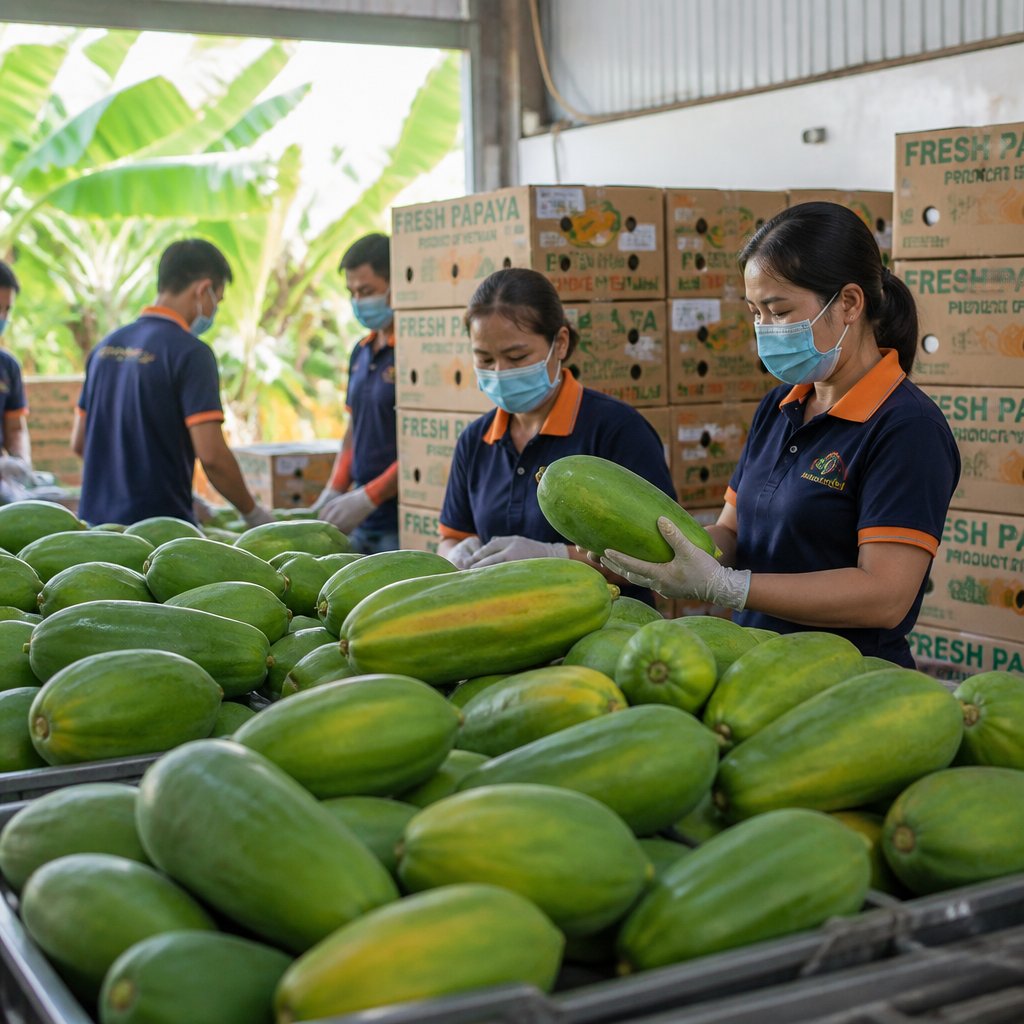
Ensuring Quality through Proper Packaging and Cold-Chain Management
In the competitive arena of papaya export, ensuring the quality of the fruit from farm to market is paramount. This is where the role of proper packaging and cold-chain management becomes crucial. Adhering to high standards for packaging not only preserves the freshness of the papayas but also protects them during transit, ensuring they reach their destination in optimal condition. The packaging process is an integral part of the export strategy, influencing the overall success of the export operation.
Packaging standards are meticulously designed to maintain the integrity of the papayas. These standards involve using materials that can withstand the rigors of transportation while providing adequate ventilation to prevent moisture buildup, which can lead to spoilage. The choice of packaging materials and design directly impacts the durability of the fruit during transit and its overall quality upon arrival. Exporters must ensure that packaging solutions are both cost-effective and efficient in maintaining product quality.
Cold-chain management is equally vital in maintaining papaya quality. The temperature and humidity controls within this system are essential for preserving the fruit's freshness and extending its shelf life. Typically, papayas are stored at temperatures between 7-13°C with a relative humidity of 85-95%. This range helps in slowing down the ripening process, thereby extending the fruit's marketability period. Deviations from these conditions can lead to premature ripening or overripeness, affecting both the taste and texture of the papayas. Proper cold-chain management is essential for maintaining the fruit's quality throughout the distribution process.
The impact of proper packaging and cold-chain management extends to the shelf life of the papayas. Under optimal storage conditions, papayas can have a shelf life of up to two weeks, allowing for greater flexibility in distribution and sales. This is particularly important for exporters aiming to reach distant markets where transit times are longer. By maintaining these conditions, exporters can ensure that their papayas remain appealing and market-ready upon arrival. Effective packaging and cold-chain strategies are crucial for maximizing the shelf life and marketability of the fruit.
"The success of Vietnam Papaya Exporter in maintaining high-quality standards through rigorous packaging and cold-chain management has set a benchmark in the industry."
In conclusion, the meticulous attention to packaging standards and cold-chain requirements is a critical factor in the success of papaya exports. By ensuring that these elements are rigorously managed, exporters like Vietnam Papaya Exporter can deliver fresh, high-quality papayas to markets worldwide, reinforcing their reputation and opening up new opportunities in the global fruit industry. A well-executed packaging and cold-chain strategy can significantly enhance the competitiveness of Vietnamese papayas in the international market.
Stimulating Interest through Success Stories and Market Potential
The Vietnamese papaya export market is full of potential, with numerous success stories highlighting the lucrative opportunities for investors and exporters. For instance, Vinafruit, a leading enterprise in the papaya export industry, has experienced a remarkable 20% annual growth in export volume over the past five years. This success is due to strategic investments in advanced farming techniques and adherence to international quality standards, significantly enhancing the appeal of their papayas in the global market. These success stories underscore the potential of the Vietnamese papaya industry.
Market analysis further underscores the growth potential in papaya exports. According to a recent study by the Vietnam Fruit and Vegetable Association, the global demand for tropical fruits like papayas is expected to rise by 5% annually over the next decade. This growth is driven by increasing consumer awareness of the health benefits of papayas, such as their high vitamin C and antioxidant content. As a result, countries across Europe and North America are showing heightened interest in importing high-quality papayas from Vietnam. The rising demand for nutritious fruits presents a significant opportunity for Vietnamese exporters to expand their market reach.
Vietnamese papayas hold several comparative advantages in the international market. Firstly, the country's favorable climate allows for year-round cultivation, ensuring a consistent supply. Additionally, Vietnamese papayas, particularly the Red Lady variety, are renowned for their superior sweetness and size, attributes that are highly sought after in export markets. These qualities not only enhance the fruit's marketability but also justify premium pricing, thereby increasing profitability for exporters. The competitive advantages of Vietnamese papayas position them well to capture a larger share of the global market.
For investors and exporters, the potential profitability in the Vietnamese papaya market is substantial. The initial investment in papaya cultivation and export can yield significant returns, especially when leveraging Vietnam's strategic location and established trade agreements with key markets. Furthermore, with the global shift towards healthier eating habits, the demand for nutritious fruits like papayas is poised to expand, offering a promising outlook for sustained growth in exports. The alignment of market trends with the strengths of Vietnamese papayas creates a favorable environment for investment and growth.
"The Vietnamese papaya export market is not just a business opportunity; it's a gateway to tapping into a growing global demand for tropical fruits," says Nguyen Van An, CEO of Vinafruit.
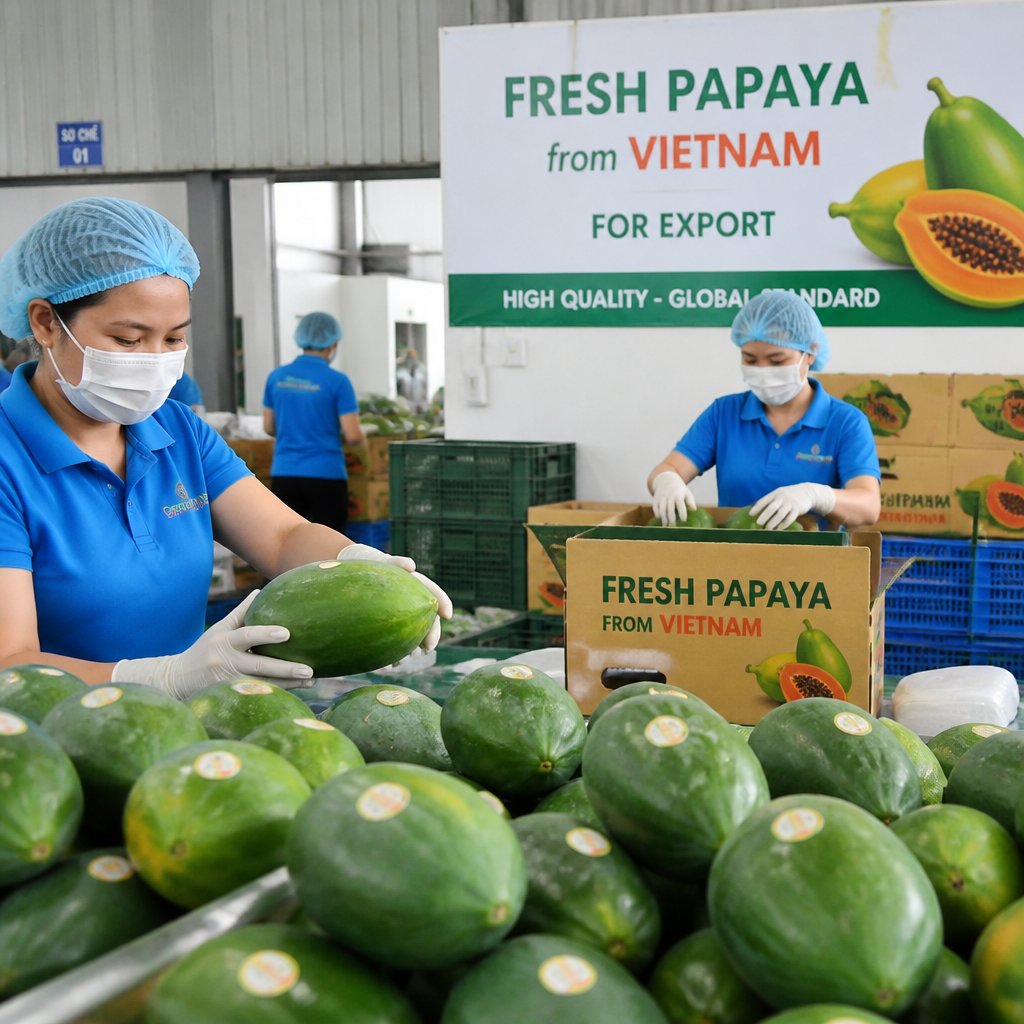
Guiding Towards Action: Export Procedures and Regulatory Requirements
Understanding the export procedures and regulatory requirements is crucial for Vietnam Papaya Exporter to successfully enter international markets. The process starts with an overview of the necessary steps involved in exporting Vietnamese papayas. Effectively navigating these procedures is key to ensuring compliance and facilitating smooth market entry.
Overview of Export Procedures for Vietnamese Papayas
Exporting papayas from Vietnam involves several procedural steps. Initially, exporters must register with the Ministry of Industry and Trade (MOIT) to obtain an export license. This is a mandatory step to legally engage in export activities. Following registration, exporters need to prepare the necessary documentation, including commercial invoices, packing lists, and certificates of origin. These documents are essential for customs clearance and to ensure compliance with international trade regulations. Proper documentation is critical for avoiding delays and ensuring a smooth export process.
Necessary Certifications and Compliance for Export
Compliance with international standards is critical for papaya exports. Vietnamese exporters must obtain certifications such as the GlobalGAP, which ensures that the papayas meet global agricultural practices. Additionally, the Hazard Analysis and Critical Control Points (HACCP) certification is often required to demonstrate that the fruit handling processes meet international food safety standards. These certifications not only facilitate smoother entry into foreign markets but also enhance the reputation of Vietnamese papayas on the global stage. Adhering to these standards is essential for gaining consumer trust and accessing premium markets.
Role of Export Agencies in Facilitating Papaya Exports
Export agencies play a pivotal role in the papaya export process. They provide valuable services such as market research, logistical support, and compliance assistance. Agencies like the Vietnam Trade Promotion Agency (Vietrade) offer guidance on navigating complex international trade regulations and connecting with potential buyers. Their expertise in market entry strategies and trade negotiations can significantly reduce the barriers faced by new exporters. Collaborating with export agencies can provide exporters with the necessary resources and insights to succeed in the global market.
Steps to Initiate Export Operations and Secure Market Entry
- ✅ Market Research: Conduct thorough research to identify target markets and understand consumer preferences.
- ✅ Regulatory Compliance: Ensure all necessary certifications and documentation are in place, including GlobalGAP and HACCP.
- ✅ Partner with Export Agencies: Collaborate with agencies like Vietrade for market insights and logistical support.
- ✅ Logistics Planning: Develop a comprehensive logistics plan covering transportation, packaging, and cold-chain management.
- ✅ Establish Distribution Channels: Identify and establish reliable distribution channels in the target markets.
"The success of Vietnamese papaya exports is significantly bolstered by adherence to international standards and strategic collaboration with export agencies."
By following these structured steps and leveraging the support of export agencies, Vietnamese papaya exporters can effectively navigate the complexities of international trade, ensuring a successful and profitable market entry. A strategic approach to export operations, coupled with adherence to regulatory requirements, can pave the way for long-term success in the global papaya market.