
Vietnam Oolong Tea Exporter offers premium quality oolong tea with unique flavors and innovative processing techniques, ensuring freshness and global appeal.
Vietnamese oolong tea is distinguished by its unique oxidation levels, which play a crucial role in shaping its distinct flavor profiles. The precise control of oxidation is essential, as it directly impacts the tea's aroma and taste, setting it apart from other types like green or black tea. This meticulous process requires a deep understanding of the chemical changes that occur during oxidation, influencing the final product's quality and appeal to consumers.
Leaf quality is paramount in oolong tea production. High-quality leaves form the basis of a superior tea product, ensuring the desired flavor and aroma are achieved. Selective harvesting and careful handling of the leaves are critical steps in maintaining this quality, as any damage or inconsistency can significantly affect the end result.
The complex processing steps in oolong tea production, including withering, rolling, and firing, require precision and expertise. Each stage must be executed with care to bring out the tea's unique characteristics. For instance, the withering process helps reduce moisture content, while rolling influences the shape and enhances the flavor. Firing, on the other hand, locks in the flavors and prevents further oxidation.
The role of packaging in preserving the freshness of oolong tea is another challenge that producers face. Proper packaging is crucial to maintain the tea's quality during storage and transportation. It protects the tea from exposure to air, light, and moisture, which can degrade its flavor and aroma over time. Innovative packaging solutions, therefore, are essential to ensure that consumers receive the freshest product possible, thereby enhancing their overall experience.
Envisioning the Future of Vietnamese Oolong Tea
The future of Vietnamese Oolong tea is promising, marked by significant advancements in quality control and packaging innovations. These developments are set to enhance both the flavor and aroma of the tea, making it a more compelling choice for consumers worldwide.
One of the key improvements lies in the enhanced flavor and aroma achieved through better quality control. By refining the processes and ensuring meticulous monitoring at each stage of production, Vietnam's Oolong tea producers can deliver a more consistent and superior product. This attention to detail not only elevates the sensory experience of the tea but also aligns with global standards, making Vietnamese Oolong tea more competitive in the international market.
Alongside quality control, innovative packaging solutions are being adopted to maintain the tea's freshness. Advanced packaging technologies, such as vacuum sealing and nitrogen flushing, are being employed to extend the shelf life of the tea while preserving its delicate flavors and aromas. This innovation ensures that consumers receive a product that is as fresh as possible, even if it has traveled long distances.
The market potential for Vietnamese Oolong tea is also expanding through private-label options. By offering customizable tea products under private labels, Vietnamese producers can cater to diverse consumer preferences and enter new markets. This flexibility not only increases the tea's market reach but also allows for the creation of unique brand identities that resonate with different consumer segments.
Furthermore, the unique flavor profiles of Vietnamese Oolong tea are gaining broader global recognition. The distinctive taste of these teas, which results from specific oxidation levels and high-quality leaves, sets them apart from other varieties. As more consumers become aware of these unique characteristics, the demand for Vietnamese Oolong tea is expected to grow, further solidifying its place on the global stage.
"Vietnamese Oolong tea is poised to captivate the world with its unique flavors and innovative production techniques."
Steps to Achieve Optimal Quality in Oolong Tea
The journey to achieving optimal quality in Oolong tea demands meticulous attention to several critical factors. One of the foremost steps involves exerting detailed control over oxidation levels. Oxidation is a pivotal process that influences the flavor, aroma, and color of the tea. By precisely managing this process, producers can tailor the tea's characteristics to meet specific market demands. For instance, controlling oxidation allows for the creation of teas with complex, nuanced flavors that can distinguish Vietnamese Oolong in the global market.
Another essential step is improving leaf quality through selective harvesting. By carefully selecting only the finest leaves, producers can ensure a superior end product. This selective approach not only enhances the flavor profile but also boosts the overall quality of the tea, making it more appealing to discerning consumers worldwide.
Enhancing processing techniques is equally vital. This includes achieving precision in rolling and firing, which are crucial stages in the tea production process. Precision in these steps helps in developing the desired texture and flavor, ensuring consistency and excellence in every batch. Advanced techniques and machinery can significantly improve these processes, leading to a higher quality product.
Beyond production improvements, adopting advanced packaging technologies plays a significant role in maintaining the tea's freshness and quality. Innovative packaging solutions, such as vacuum sealing and moisture-resistant materials, help preserve the tea's aroma and flavor over time, enhancing the consumer experience and extending shelf life.
Finally, exploring private-label services for market expansion is a strategic move for Vietnamese Oolong tea exporters. By offering private-label options, companies can cater to diverse market segments and create unique brand identities. This approach not only broadens market reach but also fosters stronger partnerships with international retailers, ultimately boosting the global presence of Vietnamese Oolong tea.
Understanding Oxidation Levels and Their Impact
In the intricate world of tea production, oxidation is a pivotal process that significantly influences the flavor and aroma of oolong tea. Understanding the science behind oxidation helps in grasping how it differentiates oolong from other tea types like green and black tea. Oxidation in oolong tea involves a controlled exposure of tea leaves to air, allowing enzymes to react with oxygen. This process is meticulously monitored to achieve the desired balance between freshness and depth of flavor.
Oxidation levels in oolong tea vary, typically ranging between 10% to 85%, which is a unique characteristic distinguishing it from other teas. For instance, green tea undergoes minimal oxidation, retaining a fresh and grassy flavor profile. On the other hand, black tea is fully oxidized, resulting in a robust and intense taste. Oolong tea, with its partial oxidation, offers a diverse spectrum of flavors, from floral and fruity to woody and roasted notes, depending on the oxidation level.
"The nuanced oxidation process in oolong tea is what allows it to offer such a broad range of flavors and aromas," explains a tea expert from the Vietnam Oolong Tea Exporter.
Oxidation not only affects the flavor but also the aroma of the tea. A higher oxidation level tends to enhance the tea's aroma, providing a richer and more fragrant experience. For example, lightly oxidized oolongs may have a fresh, floral aroma, while heavily oxidized ones exhibit a more complex, nutty scent.
When comparing oolong to green and black teas, it's evident that the oxidation process is a crucial differentiator. Green tea's minimal oxidation preserves its natural antioxidants and fresh taste, making it popular among health-conscious consumers. Black tea, with its complete oxidation, offers a stronger flavor and higher caffeine content, appealing to those who prefer a bold cup. Oolong sits comfortably in the middle, providing a balance that appeals to a wide range of palates.
Understanding these oxidation levels and their impact is essential for producers aiming to craft high-quality oolong tea. It allows them to cater to diverse consumer preferences and enhance the tea's market potential, particularly in global markets where unique flavor profiles are increasingly valued.
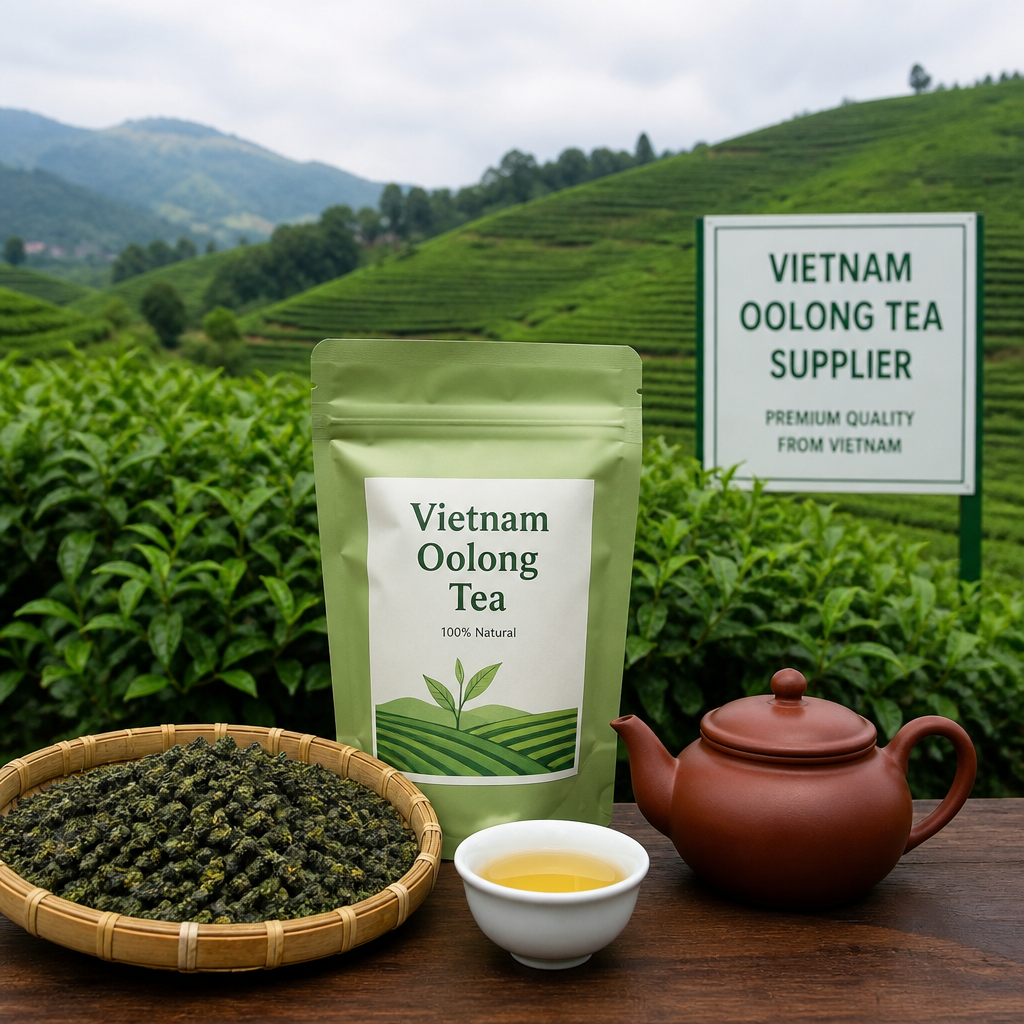
The Role of Leaf Quality in Tea Production
In the intricate world of tea production, the quality of leaves plays a pivotal role in determining the final product's excellence. For a Vietnam Oolong Tea Exporter, the selection of high-quality leaves is not just a step, but a cornerstone of the entire production process. The journey begins right from the tea gardens where meticulous care is taken to choose only the finest leaves. These are typically the youngest and most tender parts of the plant, which are known for their rich flavor and aromatic potential.
The impact of leaf quality on the final product is profound. High-quality leaves contribute to a more refined taste, a richer aroma, and a visually appealing tea liquor. For instance, the nuanced flavors that distinguish Vietnamese Oolong from other teas are largely attributed to the superior quality of the leaves used. This distinction not only enhances the consumer experience but also positions Vietnamese Oolong as a premium product in the global market.
Ensuring consistent leaf quality requires a blend of traditional expertise and modern techniques. One method involves careful monitoring of the growth conditions, such as soil quality and climate, which directly affect the leaves' characteristics. Additionally, employing skilled workers who can identify and harvest the best leaves is crucial. In recent years, some producers have also adopted technological solutions such as AI-driven monitoring systems to maintain consistent quality. These systems can analyze growth patterns and environmental conditions in real time, allowing for timely interventions and adjustments.
"The quality of the leaf is the single most important factor in determining the quality of the tea," says a renowned tea master, highlighting the essence of leaf selection.
By prioritizing leaf quality, Vietnam Oolong Tea Exporters not only ensure a superior product but also strengthen their position in the competitive international market. This focus on quality is a testament to the dedication and craftsmanship that defines Vietnamese Oolong tea production.
Processing Techniques: Crafting the Perfect Oolong
The journey to crafting the perfect Oolong tea is an intricate process that requires meticulous attention to detail at every stage. The production of Oolong tea is a testament to the artistry and precision involved in tea making, especially for a Vietnam Oolong Tea Exporter striving to deliver the finest quality.
- Withering: This initial step involves spreading the tea leaves out to reduce moisture content. The withering process is crucial as it softens the leaves, making them pliable for the subsequent rolling stage. Precision is key here, as over-withering can lead to a loss of flavor, while under-withering may result in a less aromatic tea.
- Rolling: Once withered, the leaves are rolled to break the cell walls, releasing essential oils that contribute to the tea's unique flavor and aroma. The rolling process must be carefully controlled to ensure the right balance of oxidation, which is pivotal for achieving the desired taste profile.
- Firing: The final step involves firing the leaves to halt oxidation and lock in the flavors. This step requires precise temperature control to ensure the tea retains its rich, complex flavors without becoming overly roasted.
The precision in each step is not merely a matter of tradition but a necessity to achieve the desired taste that distinguishes high-quality Oolong tea. Innovations in processing technologies have further enhanced this precision. Modern advancements, such as automated temperature and humidity controls, allow for more consistent results, reducing the variability that can occur with manual processing. These innovations ensure that the unique characteristics of Vietnamese Oolong are preserved, making it a standout product in the global market.
"The art of Oolong tea processing is a delicate balance of tradition and technology, ensuring each cup delivers a unique taste experience."
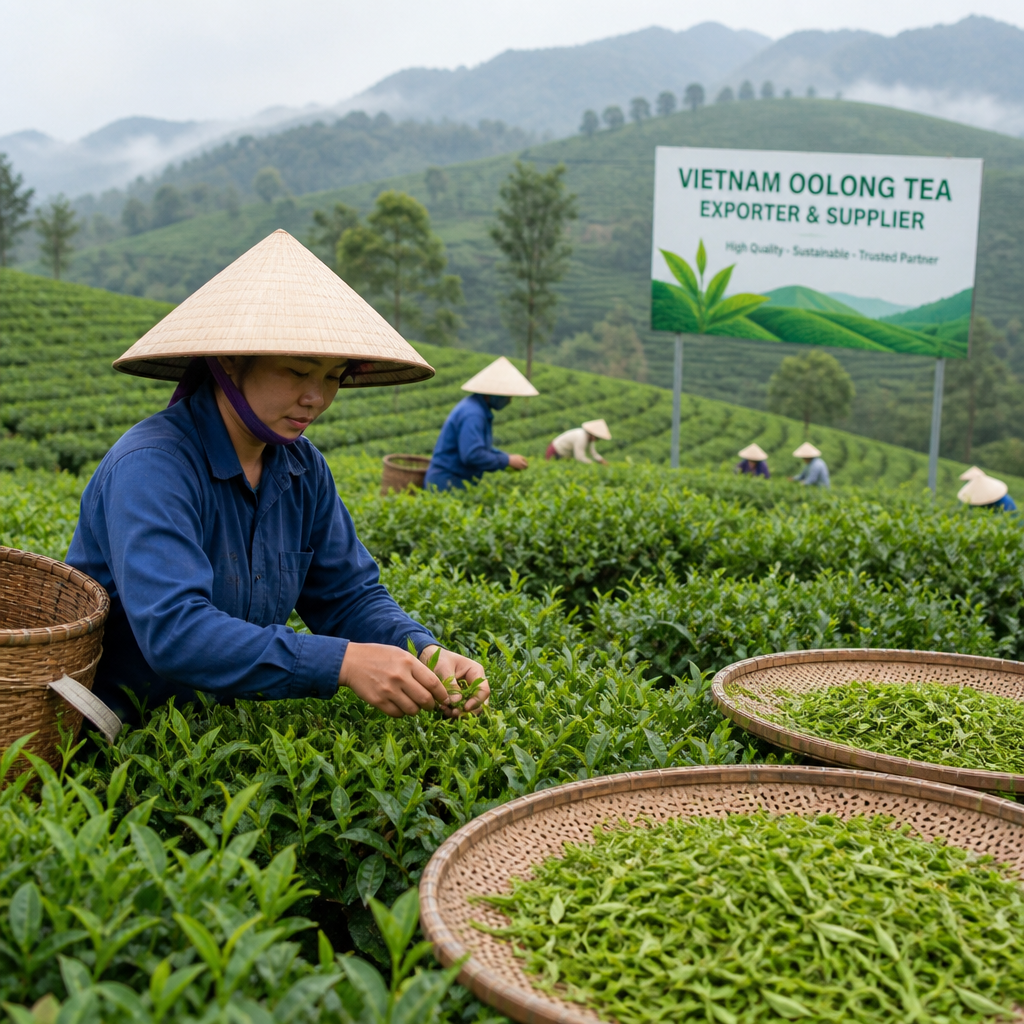
Packaging: Preserving Freshness and Quality
The significance of packaging in the preservation of tea cannot be overstated, especially for a delicate product like Vietnamese Oolong tea. Packaging serves as the first line of defense against external factors that can degrade the quality of tea, such as moisture, light, and air. Ensuring that the tea retains its freshness from the time it is packed until it reaches the consumer is crucial for maintaining its unique flavor profile and aroma.
Various types of packaging materials are employed to safeguard the tea's integrity. Common materials include aluminum foil, which is excellent for its barrier properties against light and air, and multi-layered plastic bags that provide durability and moisture resistance. Some exporters also use vacuum-sealed packaging to further extend the shelf life by removing air that can lead to oxidation.
The choice of packaging material has a direct impact on the shelf life of the tea. For instance, using high-barrier materials like aluminum foil can extend the shelf life by up to two years, ensuring that the tea remains as fresh as the day it was packed. This not only enhances the consumer experience by providing them with a product that retains its original taste and aroma, but also reinforces the brand's reputation for quality.
"High-quality packaging is not just about aesthetics; it's about preserving the essence of the tea, ensuring that every sip is as delightful as intended."
Moreover, the consumer experience is significantly influenced by the packaging. A well-designed package not only protects but also attracts consumers, providing essential information about the product and enhancing the overall appeal. As Vietnam Oolong Tea Exporters continue to innovate in packaging technologies, they are poised to offer products that meet the highest standards of quality and freshness, ensuring a satisfying experience for tea enthusiasts worldwide.
Exploring Private-Label Opportunities
In the competitive world of tea exports, private-label opportunities present a compelling avenue for businesses to differentiate themselves in the market. For Vietnam Oolong Tea Exporters, embracing private-label options offers a multitude of benefits that extend beyond mere branding.
One of the primary advantages of private-label products is the ability for businesses to establish a unique identity and foster brand loyalty. By offering customized oolong tea products, companies can tailor their offerings to meet specific consumer preferences, thereby enhancing their market appeal. This customization can include variations in flavor profiles, packaging designs, and even organic certifications, allowing brands to target niche markets effectively.
Customization opportunities in oolong tea are vast. Businesses can experiment with different oxidation levels to create unique taste experiences or offer blends that highlight specific regional characteristics of Vietnamese tea. Additionally, packaging can be tailored to reflect brand values, such as sustainability, by using eco-friendly materials. Such innovations not only attract environmentally conscious consumers but also position the brand as a responsible and forward-thinking entity.
Successful case studies of private-label brands highlight the potential of this approach. For instance, a notable example is the collaboration between a Vietnamese tea supplier and a European retailer, which resulted in a bespoke oolong tea line that quickly became a best-seller due to its distinct flavor and premium packaging. This collaboration underscores the potential for Vietnam Oolong Tea Exporters to leverage private-label opportunities to expand their market reach and enhance brand prestige.
"Private-label products allow companies to create a unique identity in a saturated market, offering tailored solutions that resonate with consumers."
Ultimately, exploring private-label opportunities is not just a strategic move for growth but a necessary step for Vietnam Oolong Tea Exporters aiming to establish a strong foothold in the global market. By offering personalized products that cater to diverse consumer needs, businesses can unlock new revenue streams and build lasting customer relationships.







