Vietnam Natural Rubber Exporter offers diverse grades of natural rubber tailored for various industries, ensuring quality and efficiency in procurement and logistics.
The procurement of natural rubber is a complex process fraught with challenges that can significantly impact businesses involved in its trade. One of the foremost complexities is the diversity of natural rubber grades. Each grade has unique characteristics tailored to specific industrial needs. For instance, the TSR 20 grade is commonly used in tire manufacturing due to its balance of elasticity and durability, whereas RSS1 is preferred for more general industrial applications. Understanding these distinctions is crucial for buyers to ensure the correct application of the rubber procured.
Adding to the complexity is the variability in technical specifications. Natural rubber is subject to variations in properties such as viscosity, tensile strength, and elasticity, which can differ even within the same grade due to factors like the source of the latex and processing methods. This variability necessitates rigorous quality control and precise specification matching to meet the unique demands of different industries, such as automotive or medical supplies.
Furthermore, minimum order quantity (MOQ) requirements can pose significant hurdles, especially for smaller businesses or those with fluctuating demand. Suppliers often impose MOQs to optimize production and logistics, which might not align with the purchasing capabilities or needs of all buyers. For example, a supplier might require a minimum purchase of 20 metric tons, which could be prohibitive for a company only needing 5 metric tons for a specific production batch.
The challenges don't end there. Companies must also navigate diverse packaging types that range from bales to pallets and containers. Each packaging option has implications for transportation costs, storage requirements, and ease of handling. For instance, while palletized rubber might facilitate easier loading and unloading, it could also incur higher shipping costs compared to bulk bales.
These complexities highlight the necessity of strategic planning and supplier collaboration in natural rubber procurement. Without meticulous management, businesses risk inefficiencies that could impact their profitability and competitive position in the market.
Consequences of Mismanaging Natural Rubber Trade
The mismanagement of natural rubber trade can lead to a cascade of negative consequences that significantly impact businesses and economies. One of the most immediate threats is the potential for supply chain disruptions. These disruptions can occur when there is a failure to align supply with demand, leading to shortages or surpluses that destabilize the entire supply chain. For instance, if a Vietnam Natural Rubber Exporter fails to accurately predict demand, it could result in delays and increased costs as companies scramble to adjust their logistics.
Another critical issue is the financial losses that arise from incorrect handling of Minimum Order Quantities (MOQ). MOQs are set to ensure cost-effectiveness in production and shipping, but miscalculating these can lead to overproduction or underutilization of resources. This mismanagement not only wastes financial resources but also ties up capital that could be better used elsewhere in the business.
Moreover, these inefficiencies can have a negative impact on production schedules. When raw material supplies are inconsistent or mismanaged, manufacturing processes can be delayed, leading to a ripple effect throughout the production line. This can cause companies to miss critical deadlines, affecting their ability to meet customer demands and maintain market competitiveness.
Finally, there is the risk of contractual penalties. Supply contracts often include strict terms and conditions that, if violated, can result in significant financial penalties. For example, failing to deliver the agreed quantity or quality of rubber can lead to fines or the loss of future business opportunities. Thus, ensuring compliance with these contracts is essential to maintaining business relationships and financial stability.
"In the natural rubber industry, precise management of trade agreements and supply chains is crucial for survival."
Exploring Natural Rubber Grades and Specifications
In the realm of natural rubber procurement, understanding the various grades and specifications is crucial for ensuring product quality and meeting specific application needs. As a prominent Vietnam Natural Rubber Exporter, the ability to navigate these complexities can significantly impact operational success.
Natural rubber is available in several types, each with distinct characteristics and uses. The most common types include Ribbed Smoked Sheets (RSS), Technically Specified Rubber (TSR), and Latex Concentrate. RSS is often used for products requiring high elasticity and strength, such as tires and conveyor belts. TSR, known for its consistent quality, is favored in automotive parts and industrial applications. Latex Concentrate, on the other hand, is primarily used in the production of medical gloves and adhesives.
Each type of natural rubber comes with detailed technical specifications that define its suitability for different applications. These specifications include parameters such as viscosity, tensile strength, and elasticity. For example, a high tensile strength is essential for rubber used in heavy-duty applications, while a specific viscosity range is crucial for manufacturing processes that require precise flow characteristics.
Matching the correct grade of natural rubber to its intended application is not merely a matter of preference but a critical necessity. Using the wrong grade can lead to product failures, increased costs, and even safety hazards. For instance, employing a lower grade rubber for tire manufacturing could compromise the safety and performance of the tires, leading to severe consequences.
"Choosing the right rubber grade is essential for maintaining product integrity and operational efficiency," notes a leading industry expert.
Therefore, a comprehensive understanding of natural rubber types and their specifications is indispensable for businesses aiming to optimize their supply chain and product offerings. By aligning the rubber grade with the specific application, companies can enhance product performance, reduce waste, and achieve greater customer satisfaction.
Navigating Packaging and MOQ in Rubber Procurement
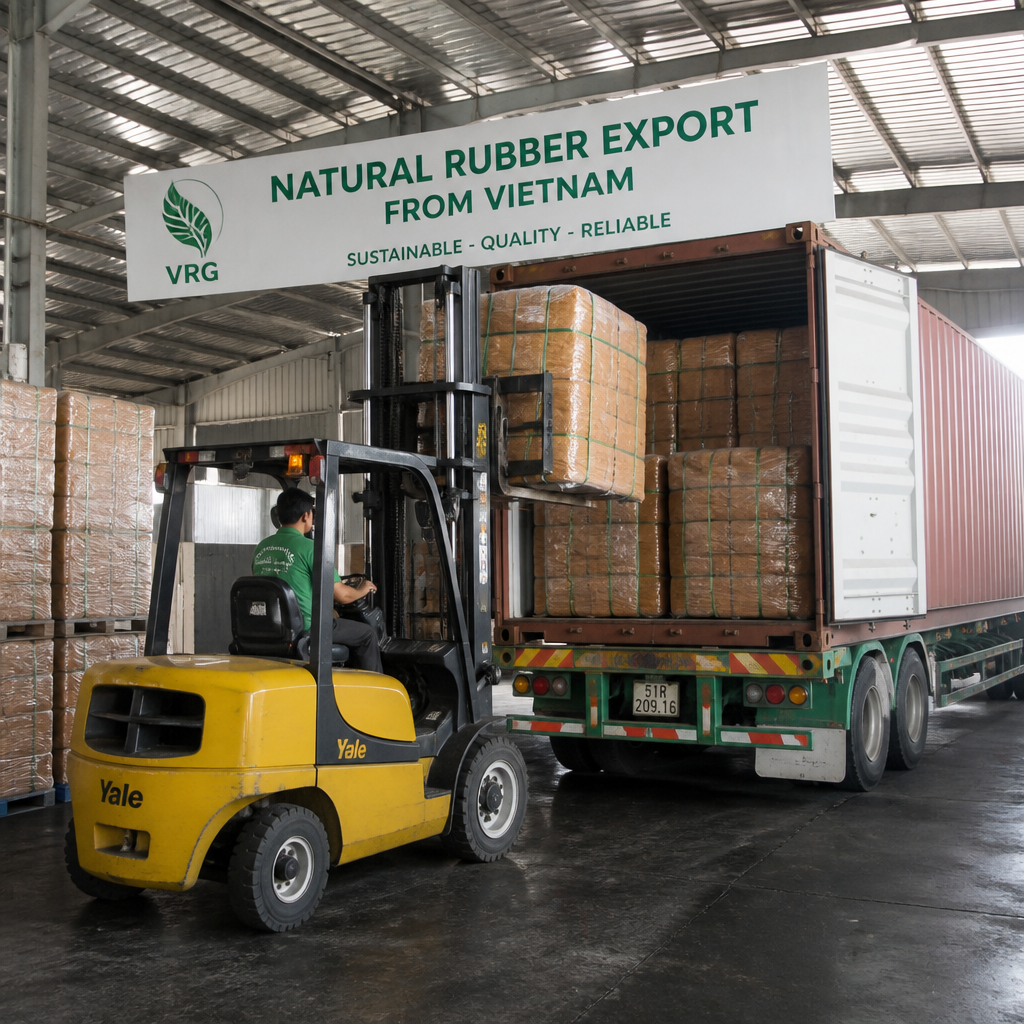
In the realm of natural rubber procurement, the choice of packaging is more than just a logistical consideration; it is a strategic decision that can significantly impact transportation efficiency and overall costs. Vietnam Natural Rubber Exporters, for instance, offer a variety of packaging solutions to cater to diverse buyer needs and logistical constraints. These solutions often include bulk packaging, palletized options, and even customized packaging tailored to specific customer requirements.
Packaging plays a crucial role in the transportation and handling of natural rubber. Bulk packaging, while cost-effective for large shipments, can pose challenges in terms of storage and handling. Palletized packaging, on the other hand, offers easier handling and stacking, which can reduce labor costs and minimize the risk of damage during transit. Customized packaging solutions can further optimize space utilization and protect the product, but they may come at a higher cost. The choice of packaging thus directly influences transportation logistics, affecting everything from freight costs to delivery timelines.
Meeting Minimum Order Quantity (MOQ) requirements is another critical aspect of rubber procurement. MOQs can vary significantly depending on the supplier and the type of rubber product. For instance, a Vietnam Natural Rubber Exporter might set MOQs based on production capabilities and market demand. This can present challenges for smaller buyers who may not have the capacity to purchase large quantities at once.
- 💡 Bulk Packaging: Cost-effective for large quantities but requires significant storage space.
- ✅ Palletized Packaging: Easier handling and reduced damage risk, ideal for efficient stacking.
- ⚡ Customized Packaging: Tailored to specific needs, maximizes space but can be more expensive.
To navigate these challenges, buyers can employ several strategies to meet MOQ requirements effectively. Collaborating with other buyers to pool orders is one approach, allowing smaller buyers to meet MOQs collectively. Additionally, negotiating flexible terms with suppliers can provide more manageable order sizes, while maintaining strong relationships with suppliers can lead to more favorable terms and conditions over time.
"Strategic packaging and MOQ management are vital for optimizing the supply chain in natural rubber procurement," states a leading industry expert.
Understanding the nuances of packaging and MOQ requirements is crucial for any business involved in the natural rubber trade. By choosing the right packaging solutions and employing strategic approaches to MOQ management, businesses can improve their procurement efficiency and lower overall costs.
Understanding Supply Contracts in Rubber Trade
Supply contracts in the rubber trade are intricate documents that define the terms of engagement between buyers and sellers. These contracts are crucial for ensuring a smooth transaction and mitigating risks associated with international trade. The nature of rubber supply contracts typically encompasses several key elements, including the product specifications, delivery schedules, pricing structures, and payment terms. Understanding these components is essential for both parties to align their expectations and responsibilities.
One of the most critical aspects of these contracts is the key contract terms and conditions. These terms often specify the grade and quality of rubber to be supplied, reflecting the diverse applications of natural rubber in various industries. For instance, a contract might require a specific type of rubber, such as RSS1 or TSR20, each with distinct technical specifications. Additionally, the contract will outline the acceptable deviation in quality and the penalties for non-compliance, ensuring that the product meets the buyer's requirements.
Furthermore, delivery terms such as Incoterms (e.g., FOB, CIF) are integral to these contracts, as they define the point at which the risk and responsibility transfer from the seller to the buyer. These terms also influence the logistics and insurance arrangements, which are crucial for international trade. Payment terms, including the currency, payment method, and schedule, are other vital elements that need careful negotiation to avoid financial disputes.
The importance of contract compliance cannot be overstated in the rubber trade. Non-compliance with contract terms can lead to severe consequences, including financial losses, legal disputes, and damage to business relationships. For example, if a supplier fails to deliver the agreed quantity or quality of rubber, it could disrupt the buyer's production schedule, leading to potential losses and penalties. Therefore, both parties must ensure strict adherence to the contract terms to maintain a smooth and profitable business relationship.
"In the rubber trade, careful attention to contract details is crucial for avoiding costly disruptions and fostering long-term partnerships."
In summary, understanding and negotiating supply contracts in the rubber trade is a complex but necessary task. By carefully considering the nature of these contracts, the key terms, and the importance of compliance, businesses can safeguard their operations and enhance their position as reliable partners in the global market. For a Vietnam Natural Rubber Exporter, mastering these elements is crucial for maintaining competitiveness and ensuring successful international transactions.
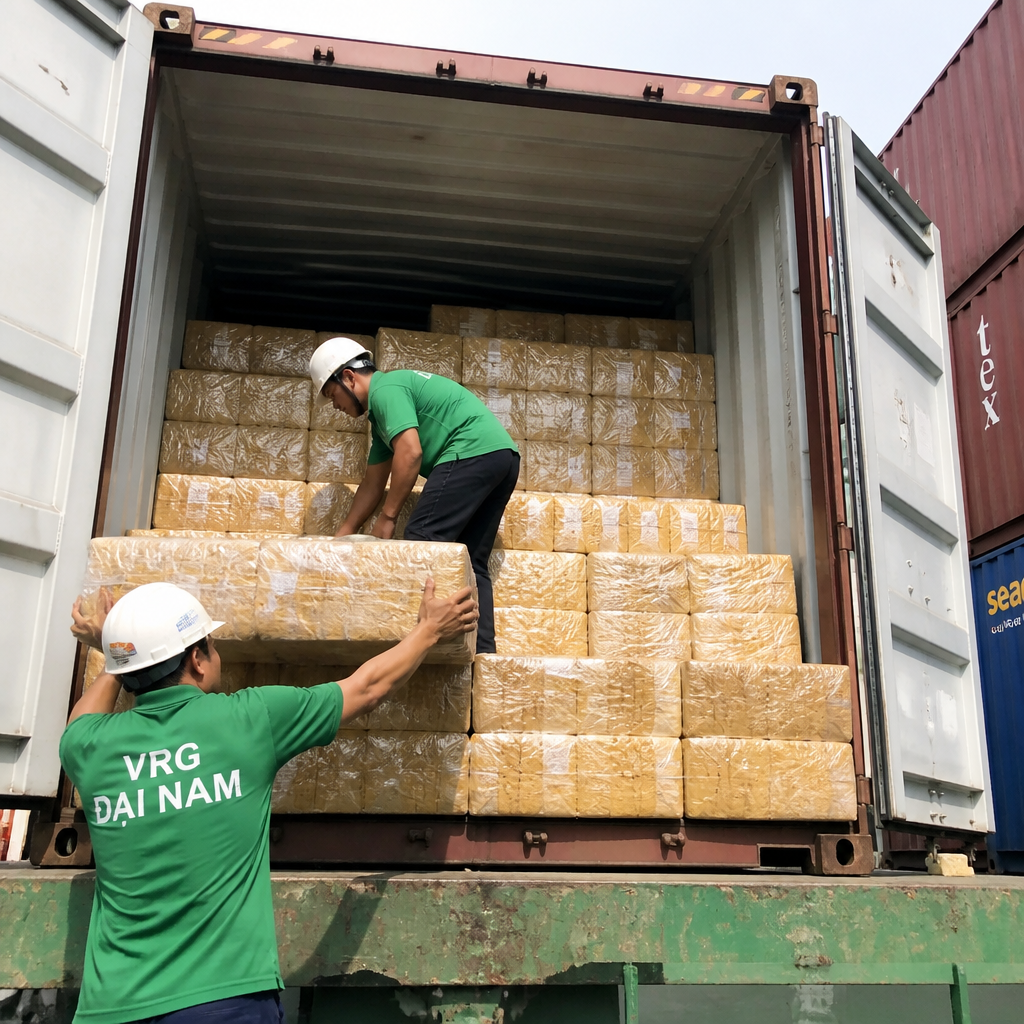
Streamlining Export Procedures for Natural Rubber
In the complex world of natural rubber exportation, streamlining procedures is not just beneficial but essential for maintaining a competitive edge. One of the primary areas that require attention is the export documentation requirements. This involves an array of documents such as commercial invoices, packing lists, and certificates of origin, which are crucial for ensuring the smooth movement of goods across international borders. Each document must be meticulously prepared to comply with both Vietnam's regulations and the importing country's specific requirements.
The second critical component is the customs clearance process. In Vietnam, this involves navigating through various regulatory frameworks and ensuring adherence to all legal stipulations. The customs clearance can often be a bottleneck due to its complexity, potentially delaying shipments and affecting supply chain timelines. Efficient customs procedures necessitate a deep understanding of tariff classifications, import/export restrictions, and the ability to respond promptly to any customs inquiries or inspections.
Beyond documentation and customs, efficient logistics and shipping strategies play a pivotal role. Vietnam Natural Rubber Exporter must leverage strategic partnerships with logistics providers to optimize shipment routes and reduce transit times. This includes selecting the most appropriate modes of transportation, whether sea, air, or land, and ensuring that the logistics chain is robust enough to handle any disruptions. Furthermore, employing technology to track shipments in real-time can significantly enhance operational efficiency and customer satisfaction.
"Successful exportation of natural rubber depends on the seamless integration of documentation, customs, and logistics," asserts an industry expert.
By addressing these core areas, Vietnam Natural Rubber Exporter can not only expedite the export process but also minimize costs and enhance reliability, thereby strengthening their position as a leading supplier in the global market.
Solutions to Optimize Natural Rubber Procurement
Optimizing the procurement of natural rubber is crucial for maintaining a competitive edge in the global market. As a leading Vietnam Natural Rubber Exporter, implementing strategic solutions can significantly enhance the procurement process. Here are some effective strategies:
- 💡 Partnering with Reliable Suppliers: Establishing partnerships with dependable suppliers is fundamental. Companies like Vietnam Rubber Group have set benchmarks in reliability by consistently meeting delivery schedules and maintaining product quality. This not only ensures a steady supply but also minimizes the risks associated with supply chain disruptions.
- 🔍 Implementing Quality Control Measures: Rigorous quality control is essential to meet the diverse technical specifications required in the industry. By adopting comprehensive quality assurance protocols, such as regular inspections and testing, businesses can ensure that the natural rubber procured meets the necessary standards. This reduces the likelihood of financial losses due to subpar materials and helps maintain production schedules.
- ⚙️ Leveraging Technology for Supply Chain Management: Utilizing advanced technologies like AI and blockchain for supply chain management can greatly enhance efficiency. For instance, blockchain technology provides transparency and traceability, ensuring that every batch of rubber is accounted for from production to delivery. This technological integration not only streamlines operations but also builds trust with clients by guaranteeing product authenticity and quality.
By integrating these solutions, businesses can effectively navigate the complexities of natural rubber procurement, ensuring a resilient and efficient supply chain that supports sustained growth and competitiveness in the market.