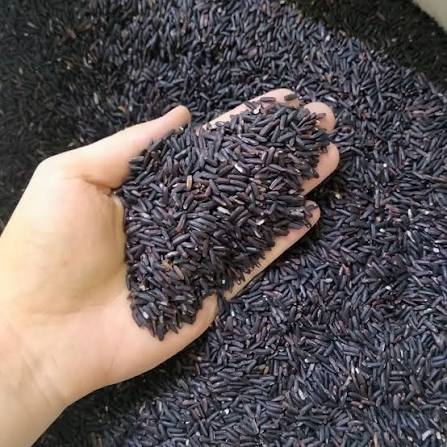
Vietnam Mung Bean Exporter offers high-quality mung beans, ensuring rigorous grading and cleaning processes to meet international standards for safety and culinary excellence.
Vietnamese mung beans are renowned for their quality and are exported as dried whole mung beans, split mung beans, or mung bean flour. However, sourcing high-quality mung beans remains a significant challenge for many Vietnam mung bean exporters. This difficulty primarily arises from issues with inconsistent grading and size, which can significantly impact the quality of the end product. For instance, variations in bean size and color can lead to uneven cooking and texture in culinary applications, affecting both taste and presentation.
In addition, concerns about impurities and contamination further complicate the sourcing process. Impurities such as stones, dirt, or even other types of beans can inadvertently mix with mung beans during harvesting and processing. These contaminants not only compromise the quality but also pose potential health risks to consumers. Ensuring a consistent supply of high-quality mung beans thus requires rigorous grading and cleaning processes to meet both domestic and international standards. Without addressing these challenges, Vietnam's position as a leading mung bean supplier could be jeopardized, highlighting the need for stringent quality control measures.
Consequences of Neglecting Quality Standards
Neglecting quality standards in the production and export of mung beans can have far-reaching consequences, impacting not only the culinary applications but also posing potential health risks and causing significant economic losses.
Firstly, the impact on culinary applications and end-products is profound. Mung beans are a staple in many dishes, including soups, desserts, and vegetarian meals. When quality standards are ignored, the beans may not cook evenly, affecting the texture and taste of the dish. For instance, inconsistent grading and size can lead to an uneven cooking process, which is particularly problematic in high-end culinary applications where precision is key.
Additionally, there are potential health risks from impurities present in substandard mung beans. Impurities such as small stones, dust, or chemical residues can pose serious health threats to consumers. The presence of these contaminants not only diminishes the nutritional value of the beans but can also lead to food safety issues. This is especially concerning for consumers with allergies or sensitivities, where even trace amounts of impurities can trigger adverse reactions.
Finally, the economic losses due to substandard products cannot be underestimated. Vietnam Mung Bean Exporters face significant financial setbacks when their products fail to meet international quality standards. Poor quality products lead to increased returns, loss of contracts, and a damaged reputation in the global market. This economic impact extends beyond the individual exporter, affecting the entire supply chain and potentially leading to a decrease in demand for Vietnamese mung beans globally.
"The failure to adhere to quality standards not only affects the immediate product but can have a ripple effect on the entire industry, undermining trust and reliability."
In conclusion, maintaining stringent quality standards is essential for ensuring the safety, culinary success, and economic viability of mung bean exports from Vietnam.
Understanding Vietnamese Mung Beans as a Solution
Vietnam has emerged as a prominent source of high-quality mung beans, offering a reliable solution to the challenges faced in sourcing this essential legume. The country's mung beans are renowned for their superior quality, which is a result of being cultivated under ideal climatic conditions that favor their growth. This ensures that the beans are not only nutritious but also meet the stringent quality demands of international markets.
Vietnamese mung beans are available in various forms, catering to diverse culinary and industrial needs. They are processed into
- dried whole beans
- split beans
- flour
"The ideal climatic conditions in Vietnam contribute to the high quality of mung beans, making them a sought-after commodity in global markets."
By providing consistent quality and a variety of forms, Vietnam's mung beans address the issues of inconsistent grading and contamination that plague other sources. As a result, they are increasingly recognized as a solution for those seeking dependable and safe mung beans for both culinary and industrial applications.
Ensuring Quality through Grading and Cleaning Processes
In the competitive market of mung beans, ensuring quality is paramount, especially for a Vietnam Mung Bean Exporter. The grading process, a critical step in quality assurance, evaluates beans based on size, color, and purity. This meticulous grading ensures that only the beans meeting specific criteria are selected for export, maintaining consistency and quality in every shipment.
Advanced cleaning processes play a pivotal role in removing impurities. These processes utilize state-of-the-art technology to eliminate contaminants, such as dust and foreign particles, ensuring the beans are pristine. This not only enhances the beans' appearance but also their safety, making them suitable for a variety of culinary uses.
Meeting export quality standards is non-negotiable for any reputable exporter. Vietnamese mung beans adhere to stringent international standards, ensuring they are free from harmful substances and contaminants. This commitment to quality is a testament to Vietnam's dedication to providing superior products on a global scale.
"By adhering to rigorous grading and cleaning processes, Vietnamese mung bean exporters ensure their products meet the highest international standards."
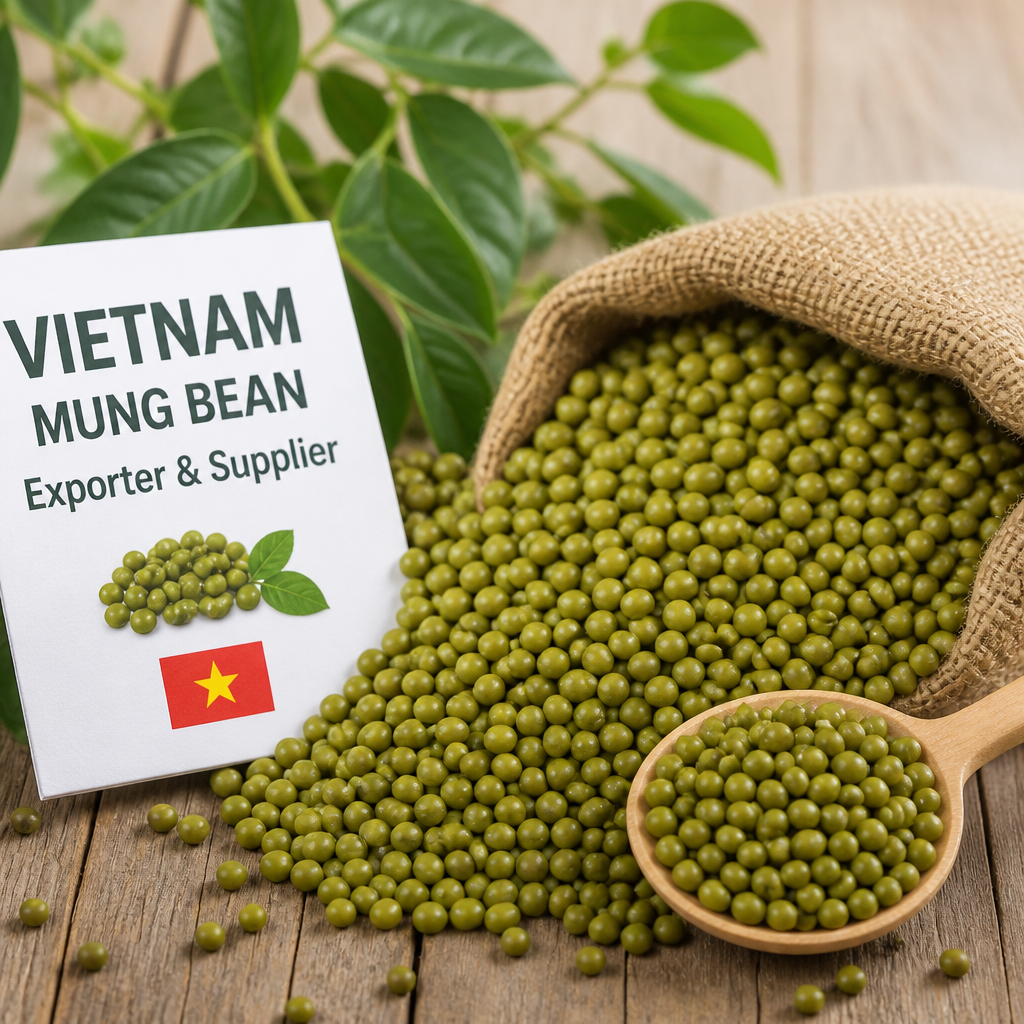
Packaging Methods: Preserving Quality During Transport
In the competitive landscape of mung bean exportation, ensuring the quality of the product during transport is paramount. The choice of packaging plays a crucial role in maintaining the integrity and freshness of mung beans from Vietnam, a leading exporter known for its high-quality produce.
The decision between bulk bags and smaller retail packaging is not just about convenience but also about the specific needs of the buyer. Bulk bags are typically used for large-scale commercial transactions, offering cost efficiency and ease of transport for significant quantities. These bags are designed to withstand the rigors of long-distance shipping, ensuring that the mung beans remain uncontaminated and fresh upon arrival.
On the other hand, smaller retail packaging caters to different market segments, particularly those aiming at consumer sales. These packages are not only convenient for retail distribution but also designed to preserve the quality of the beans through moisture-resistant materials and air-tight seals. This attention to detail ensures that the end consumer receives a product that meets high standards of quality and freshness.
Furthermore, the packaging design is tailored to preserve quality, incorporating elements that protect against environmental factors such as humidity and temperature fluctuations. This is crucial in maintaining the nutritional value and taste of the mung beans during transport.
Importantly, Vietnam's mung bean exporters demonstrate adaptability to buyer's requirements. Whether a client needs customized packaging sizes or specific branding, these suppliers are equipped to meet diverse demands. This flexibility not only enhances customer satisfaction but also strengthens Vietnam's position as a reliable supplier in the global market.
"Vietnam Mung Bean Exporter ensures that packaging not only meets the logistical needs but also preserves the intrinsic quality of the beans, catering to both bulk and retail demands."
Diverse Applications of Mung Beans
Mung beans, a staple in many Asian cuisines, offer remarkable versatility in culinary applications. Their adaptability allows them to be used in a variety of dishes, ranging from savory to sweet. In Vietnam, a leading Vietnam Mung Bean Exporter, these beans are an integral part of numerous traditional recipes.
One of the most common uses of mung beans is in soups. Their ability to absorb flavors makes them an excellent addition to broths and stews, providing both nutrition and texture. In desserts, mung beans are often sweetened and used in puddings or as fillings in pastries, showcasing their ability to complement sweet flavors as well.
Vegetarian dishes also benefit from the inclusion of mung beans. They serve as a protein-rich ingredient in salads and stir-fries, offering a substantial alternative to meat. This versatility is particularly valuable in vegetarian and vegan diets, where mung beans can enhance both the nutritional profile and the flavor of dishes.
Beyond their whole form, mung beans are processed into paste and flour, expanding their culinary applications even further. Mung bean paste is a key ingredient in various Asian sweets, providing a smooth texture and a subtly sweet flavor. Meanwhile, mung bean flour is used in baking and as a thickening agent in different recipes, demonstrating its adaptability.
The versatility of mung beans in culinary applications is a testament to their importance in both traditional and modern cuisine. Whether used whole, as a paste, or as flour, mung beans offer a wide range of possibilities for chefs and home cooks alike, reinforcing their status as a valuable ingredient in the global food market.
Transformation through Flexible Order Quantities
In the competitive landscape of mung bean exportation, Vietnamese suppliers have recognized the importance of flexibility in order quantities to meet the diverse needs of global buyers. This strategic shift is particularly evident in the variation of Minimum Order Quantity (MOQ) offered by suppliers. Traditionally, high MOQs have been a barrier for smaller businesses or those seeking to test new products in the market. However, by offering flexible MOQ options, Vietnam Mung Bean Exporters are transforming how they engage with their clients.
Several suppliers in Vietnam have adopted this approach, allowing them to accommodate a wider range of buyer requirements. For instance, some suppliers now offer MOQs as low as a few hundred kilograms, in contrast to the traditional metric tons. This flexibility is crucial for startups and smaller enterprises that may not have the capacity to handle large volumes but still wish to source high-quality mung beans.
- ✅ Low MOQ Options: Enables small and medium businesses to access premium products without overextending their resources.
- ✅ Customizable Orders: Buyers can tailor orders to their specific needs, whether for testing or limited product lines.
- ✅ Market Responsiveness: Suppliers can quickly adapt to changing market demands and buyer preferences.
This adaptability not only strengthens relationships with existing clients but also opens doors to new markets and customer segments. By accommodating diverse buyer needs, Vietnamese mung bean suppliers are not only enhancing their competitive edge but also contributing to the global reputation of Vietnam as a reliable and versatile exporter.
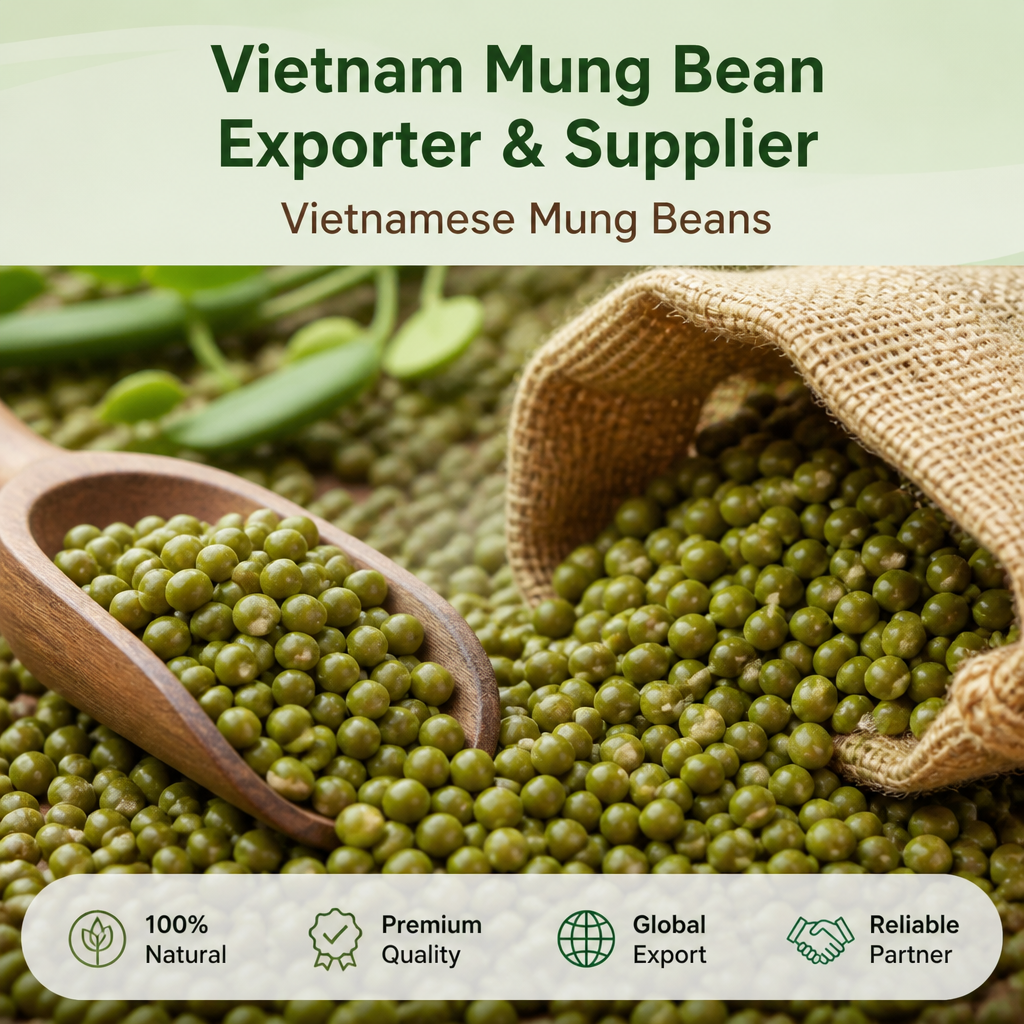
Vietnam's Role in International Mung Bean Supply
Vietnam has emerged as a significant exporter of mung beans, serving markets across Asia, Europe, and further afield. This broad reach underscores the country's capacity to meet diverse international demands, a feat made possible through a combination of quality production and strategic distribution capabilities. The country's commitment to maintaining high standards in food safety is a cornerstone of its success in the global marketplace.
Compliance with international food safety standards is non-negotiable for Vietnam mung bean exporters. By adhering to these rigorous standards, Vietnam ensures that its mung beans meet the expectations of health-conscious consumers worldwide. This compliance not only enhances the reputation of Vietnamese mung beans but also facilitates smoother entry into stringent markets such as the European Union, where food safety regulations are particularly strict.
In addition, Vietnam's logistical capabilities play a crucial role in its ability to supply mung beans globally. The country has developed a robust infrastructure that supports efficient global distribution, ensuring that products reach international markets in a timely and cost-effective manner. This logistical efficiency is vital in maintaining the freshness and quality of mung beans during transit, which is critical for preserving their culinary and nutritional value upon arrival.
"Vietnam's strategic positioning and compliance with international standards have solidified its role as a key player in the global mung bean market."
Offering Reliable Mung Bean Supply Solutions
In the competitive world of agricultural exports, Vietnam stands out as a leading mung bean exporter, thanks to its proven track record of quality and reliability. This reputation has been built over years of consistent performance and dedication to excellence. By ensuring that each batch of mung beans meets stringent quality controls, Vietnamese suppliers have gained the trust of international buyers, making them a preferred choice in the global market.
One of the key factors contributing to this success is Vietnam's comprehensive understanding of market needs. By keeping a finger on the pulse of international demand, Vietnamese mung bean suppliers can tailor their offerings to meet diverse requirements. This includes providing various forms of mung beans, such as dried whole beans, split beans, and flour, which cater to different culinary and industrial applications. The ability to adapt to changing market trends ensures that Vietnam remains a vital player in the global supply chain.
Additionally, a steadfast commitment to meeting international standards further enhances Vietnam's standing as a reliable supplier. Vietnamese mung bean exporters adhere to rigorous international food safety standards, ensuring that their products are free from impurities and contaminants. This dedication to quality and safety not only protects consumers but also enhances the reputation of Vietnamese products on the global stage.
"Vietnam's commitment to quality and adaptability in meeting market demands solidifies its role as a trusted supplier of mung beans worldwide."
Call to Action: Secure Your Supply Today
In the dynamic world of agriculture and food supply, it's crucial to continuously assess and optimize your sourcing strategies. We urge businesses to evaluate their current suppliers to ensure they are receiving the highest quality mung beans available. This evaluation can uncover potential inefficiencies or quality issues that might be affecting your end products.
Consider the benefits of exploring options from a Vietnam Mung Bean Exporter. Vietnamese mung beans are renowned for their quality, consistency, and adherence to international standards. With options ranging from dried whole beans to split beans and flour, Vietnamese suppliers offer a diverse array of products to meet your specific needs.
- ✅ High Quality: Mung beans are cultivated under ideal climatic conditions, ensuring superior quality.
- ✅ Diverse Forms: Available in various forms to suit different culinary applications.
- ✅ International Standards: Compliance with global food safety and quality standards.
To make the most informed decision, we invite you to contact suppliers directly to discuss your specific requirements. Whether you need flexible order quantities or tailored packaging solutions, Vietnamese suppliers are equipped to accommodate your needs. By engaging in direct communication, you can ensure that your supply chain is robust and reliable.
"Vietnamese mung beans offer unmatched quality and versatility, making them a top choice for businesses worldwide."
Take the initiative today to secure a reliable supply of high-quality mung beans. By doing so, you not only enhance the quality of your products but also strengthen your position in the competitive market.