Vietnam Mangosteen Exporter offers premium quality mangosteens known for their exceptional sweetness and freshness, making them a top choice in the global market.
Vietnamese Mangosteen: A Hidden Gem
Vietnamese mangosteen, often referred to as the "queen of fruits," is a remarkable treasure in the world of tropical fruits. This exquisite fruit is renowned for its unique characteristics, including a sweet and tangy flavor profile, smooth and delicate skin, and a vibrant purple hue. These features make Vietnamese mangosteen a standout in the global market, where it competes with varieties from countries like Thailand and Indonesia. The climatic conditions and fertile soil of Vietnam significantly contribute to the exceptional quality of the fruit, making it a preferred choice for consumers worldwide.
Vietnamese mangosteen is particularly noted for its sweetness, a result of Vietnam's tropical climate with abundant rainfall and fertile soil. These factors create perfect conditions for cultivating mangosteen, leading to fruits that are sweet yet balanced with acidity, enhancing their flavor. Often likened to honey, the sweetness of Vietnamese mangosteens is complemented by a gentle tartness, adding depth to its taste.
Another key attribute of Vietnamese mangosteens is their freshness, indicated by the firmness of the skin and the bright green hue of the calyx. Firm skin implies timely harvesting and careful handling, preserving the fruit's quality for consumers. The green calyx is a sign of freshness, as it browns with age. These indicators ensure consumers receive top-quality fruit.
Varieties and Grades of Vietnamese Mangosteen
Vietnam offers a diverse range of mangosteen varieties, each with its unique characteristics and appeal. Understanding these varieties, along with their size and grade distinctions, is crucial for buyers and connoisseurs alike. The size of mangosteen can vary significantly, influencing its grade and market value. Typically, the fruit is categorized into grades based on diameter, with higher grades often reserved for larger, more uniform fruits. These distinctions are essential as they directly impact pricing and consumer preference.
The skin quality of mangosteen is another important factor to consider. A smooth, unblemished skin indicates a well-cared-for fruit, suggesting freshness and optimal ripeness. This aspect is crucial not only for aesthetic appeal but also for preserving the fruit's quality during transport and storage. In the competitive landscape of tropical fruits, Vietnamese mangosteen stands out due to these quality indicators. Exporters and suppliers emphasize these attributes to meet international standards and satisfy discerning buyers.
In comparison to other global varieties, Vietnamese mangosteen often holds its own due to these meticulous grading standards and the overall quality of the fruit. While Thailand and Indonesia are also known for their mangosteen, Vietnamese varieties are often praised for their consistent sweetness and superior freshness, which are key to their growing popularity in the global market.
Sweetness and Freshness: Key Selling Points
Renowned for their exceptional sweetness and freshness, Vietnamese mangosteens stand out in the global market. The ideal growing conditions in Vietnam, characterized by a tropical climate and nutrient-rich soil, produce fruits with a delightful balance of sugar and acidity. This natural sweetness, reminiscent of honey, is enhanced by a hint of tartness, adding depth to the flavor.
The freshness of Vietnamese mangosteens is another distinguishing feature. Firm skin and a vibrant green calyx indicate proper harvest timing and careful handling, preserving the fruit's quality for consumers. This freshness not only enhances taste but also prolongs shelf life, increasing consumer appeal.
Consumer preferences have increasingly leaned towards fruits that offer not just exceptional taste but also freshness and quality. The Vietnamese mangosteen, with its perfect blend of sweetness and freshness, meets these consumer demands, making it a highly sought-after fruit in international markets.
Packaging and Cold-Chain Logistics
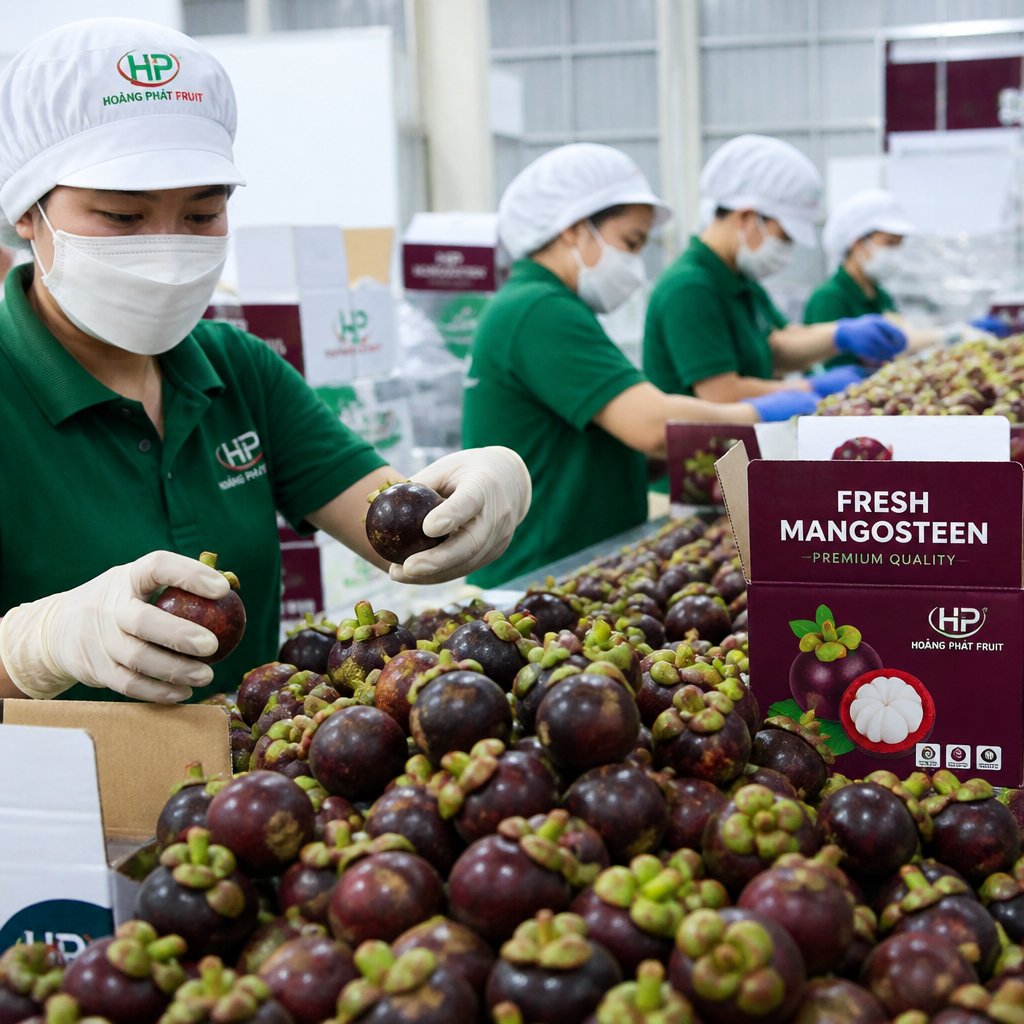
In the competitive world of fruit export, the role of innovative packaging solutions and cold-chain logistics cannot be overstated. These components are pivotal in maintaining the quality of Vietnamese mangosteen from the moment they are harvested until they reach international consumers. As a leading Vietnam Mangosteen Exporter, the focus is on ensuring that every fruit retains its freshness and appeal.
Innovative packaging solutions have been at the forefront of ensuring that the delicate mangosteen is protected during transit. Companies are increasingly turning to advanced materials and designs that provide cushioning and prevent bruising. For instance, the use of biodegradable packaging not only aligns with global sustainability goals but also enhances the protective quality of the packaging. This is crucial for maintaining the fruit’s quality and reducing waste, which is a significant concern in international logistics.
The importance of cold-chain logistics is another critical factor in the export of mangosteen. Cold-chain logistics involve a temperature-controlled supply chain that is essential for preserving the freshness and nutritional value of the fruit. From the farms in Vietnam to the markets abroad, maintaining a consistent temperature is key. This process prevents spoilage and extends the shelf life of the mangosteen, ensuring that consumers enjoy the fruit at its peak ripeness. Effective cold-chain logistics can extend the shelf life of mangosteen by up to 20 days, significantly enhancing its marketability.
Buyer Requirements and Market Standards
In the competitive landscape of global fruit exports, meeting the specific requirements of international buyers is crucial for any Vietnam Mangosteen Exporter. Buyers across different regions have distinct preferences and standards that must be adhered to in order to successfully penetrate and sustain in these markets.
Firstly, international buyers often demand stringent quality specifications. This includes uniformity in size, consistent sweetness, and impeccable skin quality. For example, buyers in Europe might prioritize organic certification, which ensures that the mangosteens are grown without synthetic pesticides or fertilizers. This not only meets consumer demand for healthier options but also aligns with stringent European Union regulations.
Compliance with global market standards is another critical aspect. Exporters must adhere to international phytosanitary standards to prevent the spread of pests and diseases. This involves thorough inspections and certifications before the mangosteens are shipped. Failure to comply with these standards can result in shipments being rejected at the destination port, leading to significant financial losses.
Moreover, the challenges faced by exporters are multifaceted. One major challenge is the fluctuating demand and pricing in the international market, which can be influenced by seasonal changes and economic conditions. Exporters must also navigate complex logistics and supply chain issues, such as maintaining the cold-chain logistics to preserve the freshness and quality of the mangosteens during transit. This is especially critical given the perishable nature of the fruit.
Why Choose Vietnamese Mangosteen?
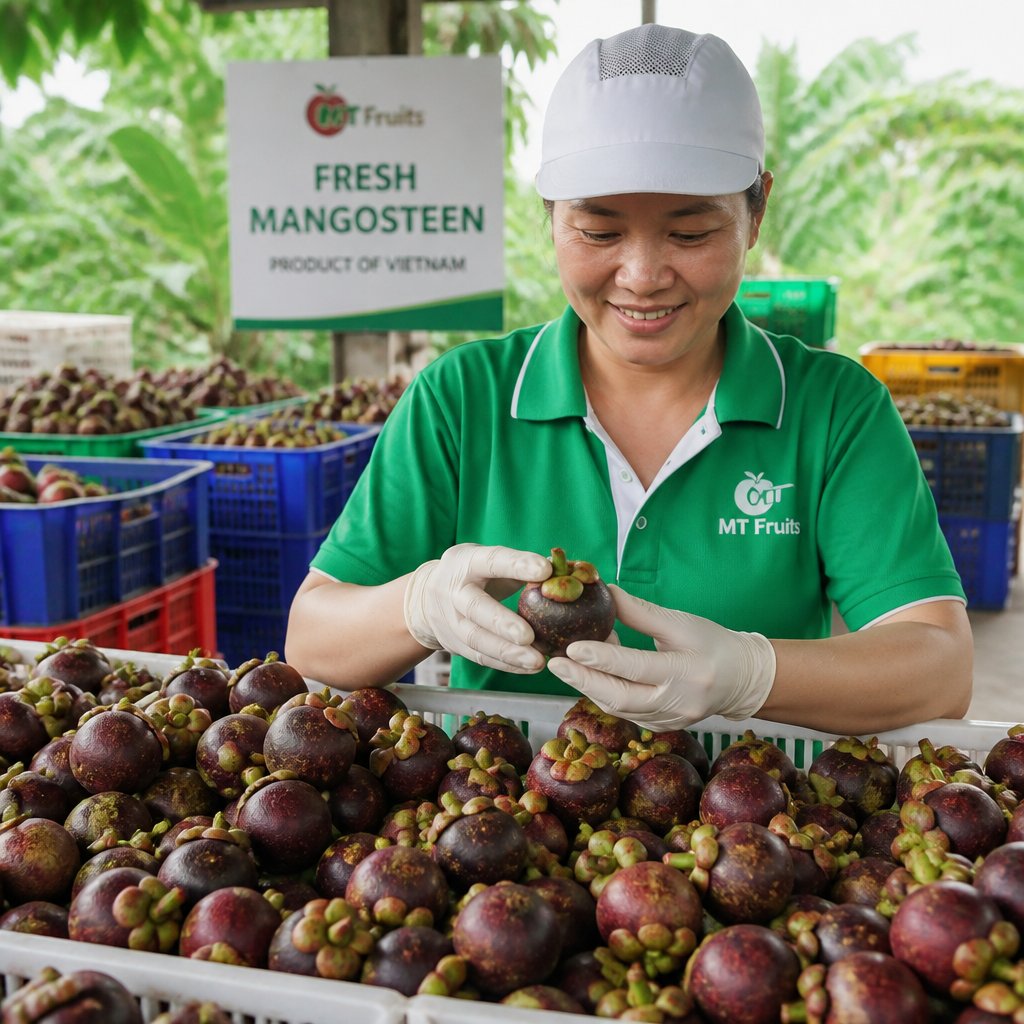
Vietnamese mangosteen offers a unique blend of attributes that sets it apart in the global market, making it a preferred choice for many. One of the most compelling reasons to choose Vietnamese mangosteen is its distinct sweetness and freshness, which are direct results of the country's favorable growing conditions and meticulous farming practices. These factors contribute to a fruit that is not only delicious but also visually appealing, with a vibrant purple hue and pristine skin quality.
International buyers have consistently praised the quality of Vietnamese mangosteen. Testimonials from global importers highlight the fruit's superior taste and the reliability of Vietnamese suppliers. For instance, a buyer from the United States noted, "The consistency in quality and taste of Vietnamese mangosteen is unmatched. It's a product that never fails to impress our customers." Such endorsements underscore the fruit's growing reputation on the international stage.
The market potential for Vietnamese mangosteen is immense, with numerous growth opportunities on the horizon. As global demand for exotic fruits continues to rise, Vietnam is well-positioned to expand its market share. The country's strategic focus on enhancing export quality and adhering to international standards has paved the way for increased market penetration. Moreover, the Vietnamese government's initiatives to support agricultural exports further bolster the prospects for Vietnamese mangosteen in the global market.
Getting Involved: How to Access Vietnamese Mangosteen
Venturing into the world of Vietnamese mangosteen can be a rewarding endeavor, both in terms of business potential and the quality of the fruit itself. To successfully connect with suppliers and tap into this market, there are several key steps and considerations to keep in mind.
- Research and Identify Suppliers: Start by researching reputable suppliers in Vietnam who specialize in mangosteen. Platforms like Alibaba and Global Sources can be valuable resources for finding verified suppliers. Look for companies with positive reviews and a proven track record in exporting mangosteen.
- Establish Communication: Once you've identified potential suppliers, initiate communication to discuss your requirements. It's essential to be clear about the quantity, quality, and packaging standards you are seeking. This initial dialogue will set the stage for a successful partnership.
- Request Samples: Before committing to a large order, request samples to evaluate the quality of the mangosteen. This step ensures that the fruit meets your expectations in terms of taste, size, and freshness.
- Negotiate Terms: Discuss and negotiate terms such as pricing, delivery schedules, and payment methods. Clear agreements will help avoid misunderstandings and ensure a smooth transaction.
- Visit Suppliers (if possible): If feasible, consider visiting the suppliers in Vietnam to gain firsthand insight into their operations and quality control measures. This can build trust and strengthen your business relationship.
Beyond the logistics of connecting with suppliers, the Vietnamese mangosteen market offers significant business opportunities. The global demand for exotic fruits is on the rise, and Vietnamese mangosteen, with its unique flavor and quality, is well-positioned to capture a share of this expanding market.
Investors and entrepreneurs are encouraged to explore this sector due to its growth potential. The Vietnamese government has been supportive of agricultural exports, providing incentives and infrastructure improvements to facilitate trade. This supportive environment, combined with the high quality of the fruit, makes investing in Vietnamese mangosteen a promising venture.
"The Vietnamese mangosteen market is ripe for exploration, offering a blend of quality and opportunity that is hard to find elsewhere."
In conclusion, accessing the Vietnamese mangosteen market involves strategic planning and a keen understanding of the supply chain. By following the outlined steps and recognizing the potential for growth, businesses can effectively tap into this lucrative market. The allure of Vietnamese mangosteen lies not only in its taste but also in the promising business prospects it presents.