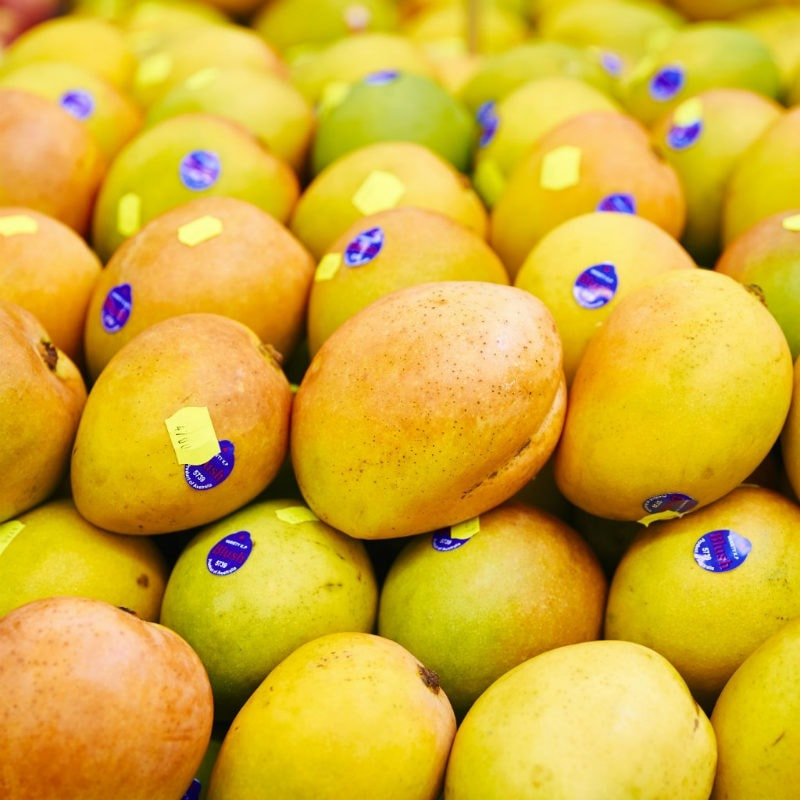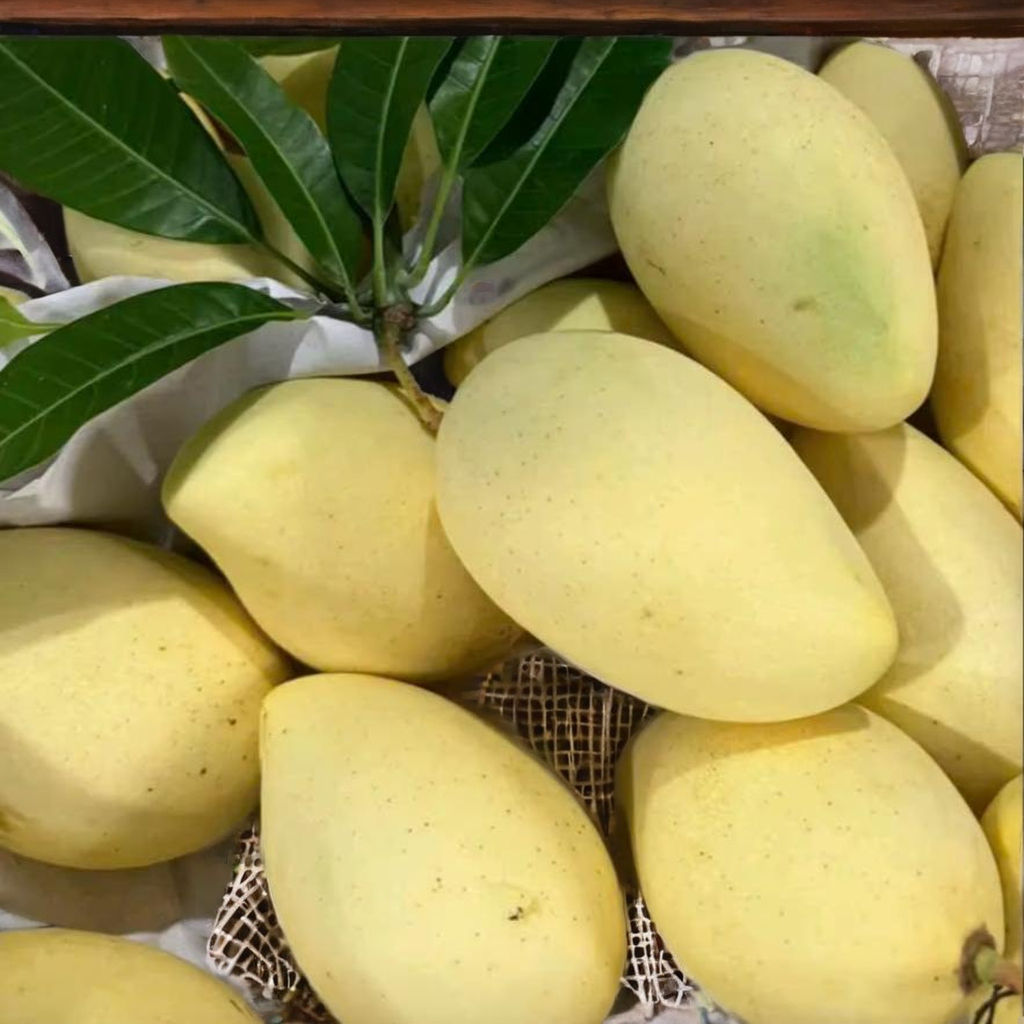
Vietnam Mango Exporter delivers premium mango varieties like Hoa Loc Cat and Cat Chu, celebrated for their exceptional sweetness and quality, meeting global demand.
The Hoa Loc Cat Mango from Tien Giang province is renowned for its sweet flavor and thin skin, making it one of Vietnam's most famous mango varieties. This mango is a local favorite and has also gained international acclaim for its unique taste profile. Alongside Hoa Loc Cat, Vietnam offers a diverse range of mango varieties that contribute to its reputation as a leading mango exporter. Among these, the Cat Chu mango, primarily grown in Dong Thap, is celebrated for its aromatic sweetness and smooth texture, often preferred for both domestic consumption and export.
Another notable variety is the Keo mango, which is widely cultivated in regions such as Dong Nai and Binh Duong. This variety is appreciated for its firm flesh and balanced sweetness, making it ideal for long-distance transportation. Meanwhile, the Australian Mango, though not native, has been successfully cultivated in Vietnam, particularly in An Giang province, adapting well to the local climate and offering a different flavor profile that appeals to a broad audience.
The geographical diversity of these mango-growing regions, including Tien Giang, Dong Nai, Binh Duong, Dong Thap, and An Giang, provides a rich tapestry of flavors and textures. Each area contributes its own unique characteristics to the mangoes they produce, influenced by local soil conditions and climate. This regional variety enhances the appeal of Vietnamese mangoes on the global market and ensures a consistent supply throughout the year, catering to the growing demand for tropical fruits worldwide.
Specific Size and Grade Specifications
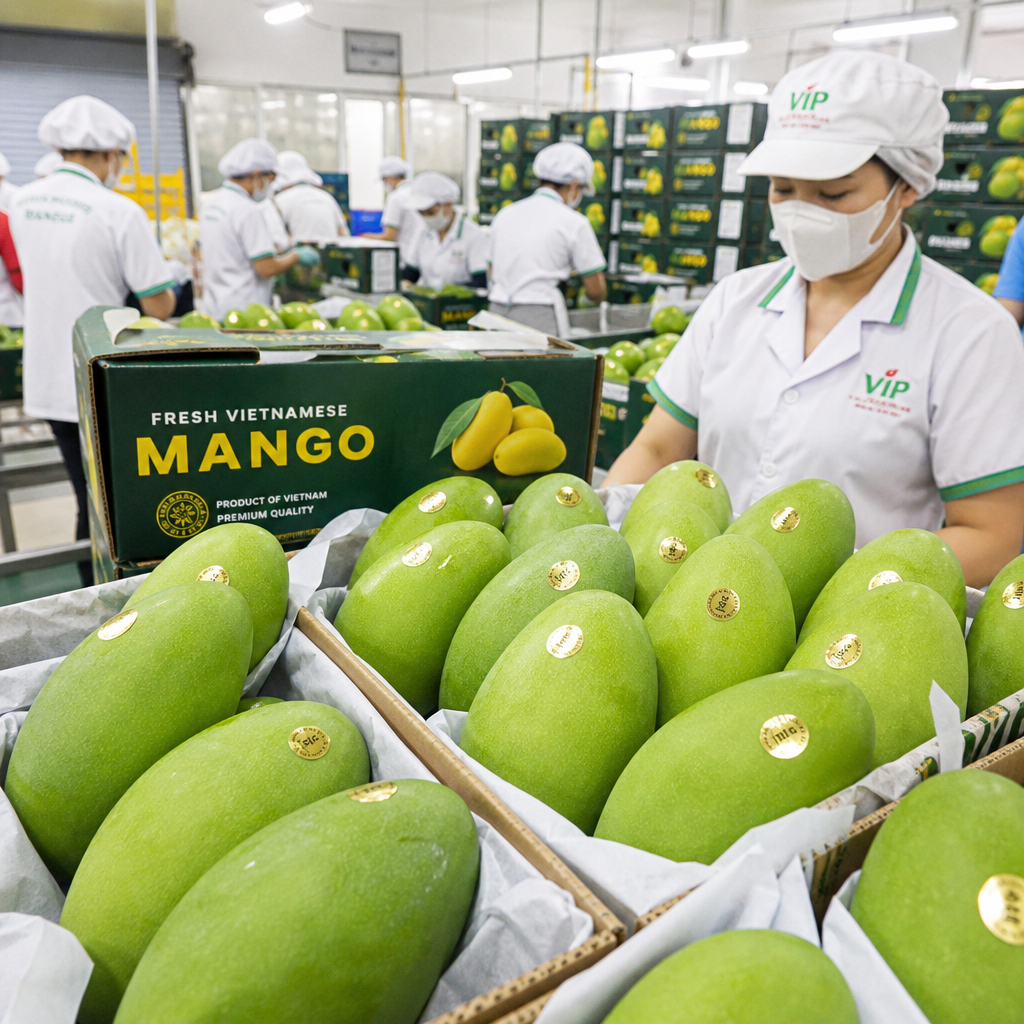
When it comes to exporting Vietnamese mangoes, specific size and grade specifications play a crucial role in meeting international market demands. The standard export size for Vietnamese mangoes ranges from 300 to 600 grams per fruit. This size range is not arbitrary; it is carefully selected to cater to consumer preferences in various global markets, where medium to large-sized fruits are often favored for their perceived value and quality.
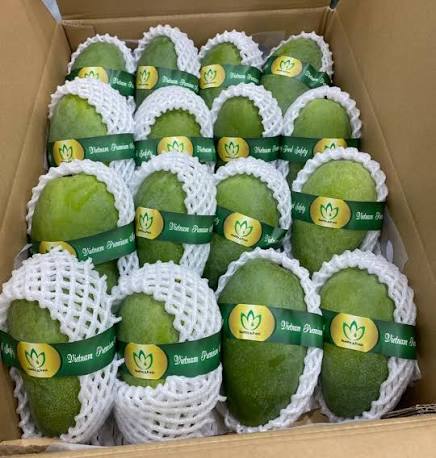
In addition to size, the packaging of these mangoes is meticulously planned to ensure safe and efficient transport. Typically, mangoes are packed in 5 kg cartons. This packaging size offers a balance between weight and ease of handling, making it suitable for both wholesale and retail distribution channels. The 5 kg carton is not only convenient for shipping but also helps in maintaining the freshness of the mangoes during transit by minimizing movement and potential bruising.
The importance of grading cannot be overstated when discussing the export of mangoes. Grading refers to the process of sorting mangoes based on size, weight, color, and ripeness. This practice is essential for meeting the diverse requirements of different markets. For instance, some markets may prefer slightly underripe mangoes for longer shelf life, while others may demand fully ripe fruits ready for immediate consumption. By adhering to strict grading standards, Vietnamese mango exporters can ensure that their products consistently meet the expectations of international buyers, thus enhancing competitiveness and marketability.
"Grading is a critical factor in the export process, as it directly influences market demand and consumer satisfaction."
Overall, the attention to size, packaging, and grading underscores the commitment of Vietnam Mango Exporter to delivering high-quality mangoes that satisfy global standards. This meticulous approach not only helps in maintaining the reputation of Vietnamese mangoes on the international stage but also supports the sustainable growth of the industry.
Post-Harvest Handling Processes
The post-harvest handling of mangoes is a critical phase in ensuring the quality and longevity of the fruit as it reaches international markets. For Vietnam Mango Exporters, meticulous processes are put into place to maintain the high standards expected by global consumers.
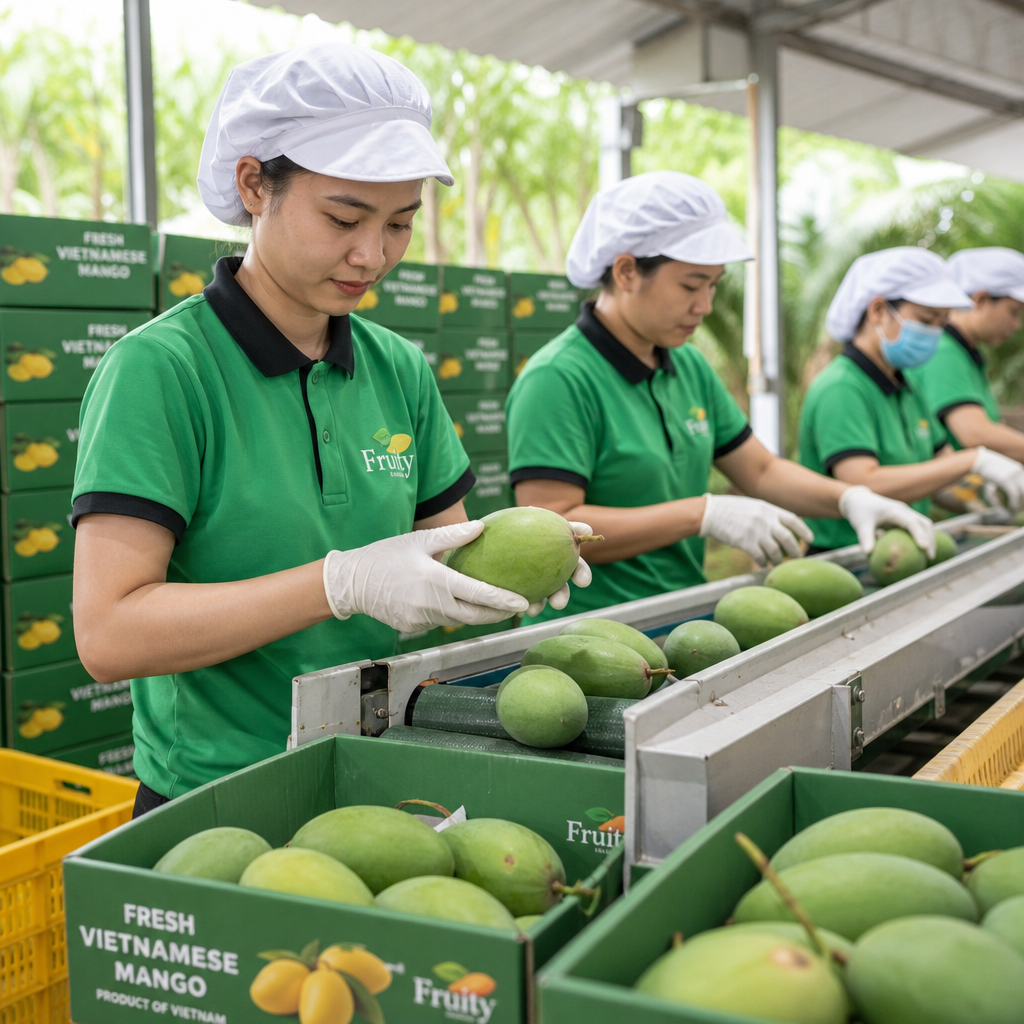
First, the sorting process is crucial. Mangoes are carefully sorted based on size, color, and quality to ensure only the best fruits are selected for export. This step not only ensures consistency in quality but also helps in meeting the specific size and grade specifications required by different markets, particularly those demanding fruits weighing between 300 to 600 grams.
Following sorting, the cleaning process is implemented to remove any dirt, debris, or potential contaminants from the mangoes. This step is vital for maintaining hygiene and reducing the risk of spoilage, which can be a significant concern during long-distance transportation.
Storage conditions are another essential aspect of post-harvest handling. Proper storage techniques are employed to maintain the freshness and quality of the mangoes. Temperature-controlled environments help to slow down the ripening process, ensuring that the mangoes remain in optimal condition until they reach their destination.
In addition to these processes, specific treatments are applied to control the ripening of the mangoes. The use of ethylene is a common practice to manage ripening, allowing exporters to synchronize the fruit's readiness with market demand. This controlled ripening process ensures that mangoes arrive at their destination perfectly ripe and ready for consumption.
Furthermore, the application of eco-friendly coatings is an innovative approach used to extend the shelf life of mangoes. These coatings act as a barrier to moisture and gas exchange, effectively slowing down the natural degradation process of the fruit. This not only helps in maintaining the quality of the mangoes during transit but also aligns with the growing consumer demand for sustainable and environmentally friendly practices.
"The implementation of eco-friendly coatings in mango post-harvest handling is a testament to Vietnam's commitment to sustainable agricultural practices."
Overall, these post-harvest handling processes play a pivotal role in ensuring that Vietnamese mangoes meet the high standards of international markets, thus enhancing the reputation of Vietnam Mango Exporters as reliable suppliers of fresh, high-quality mangoes.
Packaging Techniques for Freshness Preservation
In the export of Vietnamese mangoes, packaging plays a pivotal role in ensuring that the fruit reaches international markets in optimal condition. This is particularly crucial for Vietnam Mango Exporters, who must navigate the challenges of long-distance transport while maintaining freshness and quality.
The role of packaging in transport cannot be overstated. Packaging serves as the first line of defense against physical damage and environmental factors that could compromise the quality of the mangoes. For instance, the use of 5 kg cartons is a standard practice, providing a balance between protection and convenience. These cartons are designed to cushion the mangoes during handling and transit, preventing bruising and other physical damage.
Moreover, various packaging methods are employed to meet different export requirements. This adaptability is key to catering to diverse market needs across the globe. For example, some markets may require modified atmosphere packaging (MAP), which adjusts the atmospheric composition inside the packaging to slow down ripening and extend shelf life. This method is particularly effective for long-haul shipments where freshness must be preserved over extended periods.
Additionally, vacuum packaging is another technique used to remove air from the package, thereby reducing the risk of spoilage caused by oxidation and microbial growth. This method is often favored for markets with stringent quality standards, ensuring that the mangoes arrive with their freshness intact.
"The strategic use of packaging not only protects the mangoes but also enhances their marketability by ensuring they reach consumers in peak condition."
By employing these diverse packaging techniques, Vietnam Mango Exporters can effectively meet the varying demands of international markets. This not only helps in maintaining the high-quality standards expected by global consumers but also strengthens Vietnam's position as a leading exporter of tropical fruits.
Opportunities for Exporting Vietnamese Mangoes
The global demand for tropical fruits, including mangoes, is on the rise, presenting a significant opportunity for Vietnam Mango Exporters. As consumers worldwide become more health-conscious, they increasingly seek out nutritious and exotic fruits. Mangoes, being rich in vitamins and antioxidants, fit perfectly into this trend. According to recent market analyses, the global mango market is projected to grow steadily, driven by increased consumption in regions such as North America and Europe.
Vietnam's mango production is renowned for its high quality, which is a crucial factor in capturing these expanding markets. Vietnamese mangoes, such as the famous Hoa Loc Cat and Cat Chu varieties, are celebrated for their exceptional sweetness and aromatic flavor. These attributes are not only appreciated by local consumers but also attract international buyers looking for premium fruit offerings. The meticulous cultivation practices and favorable growing conditions in regions like Tien Giang and Dong Thap further enhance the quality of these mangoes, making them highly competitive on the global stage.
Furthermore, Vietnam's strategic engagement in free trade agreements (FTAs) significantly enhances the competitiveness of its mango exports. Agreements such as the Comprehensive and Progressive Agreement for Trans-Pacific Partnership (CPTPP) and the European Union-Vietnam Free Trade Agreement (EVFTA) reduce tariffs and trade barriers, facilitating easier access to lucrative markets. These FTAs not only lower costs for importers but also encourage more robust trade relationships, thereby boosting the demand for Vietnamese mangoes internationally.
"The combination of high-quality production and strategic trade agreements positions Vietnam as a formidable player in the global mango market," notes an industry expert.
In conclusion, with the increasing global appetite for tropical fruits, the superior quality of Vietnamese mangoes, and the advantages conferred by free trade agreements, Vietnam Mango Exporters are well-positioned to capitalize on these opportunities. This alignment of factors not only promises to expand market reach but also contributes significantly to the economic growth of Vietnam's agricultural sector.
Advantages of Vietnam's Mango Industry
Vietnam's mango industry is uniquely positioned to thrive in the global market, thanks to its favorable climatic conditions and its capacity to meet international standards. These factors enhance the quality and appeal of Vietnamese mangoes and bolster the country's reputation as a reliable mango exporter.
First and foremost, Vietnam benefits from its ideal tropical climate, which is conducive to mango cultivation. The country's diverse climate zones offer a range of growing conditions that are perfect for different mango varieties. For instance, regions such as Tien Giang and Dong Thap are known for their fertile soil and consistent rainfall, which contribute to the production of high-quality mangoes like the famous Hoa Loc Cat and Cat Chu varieties. This climatic advantage ensures a steady supply of mangoes throughout the year, meeting both domestic and international demands.
Moreover, Vietnam's ability to adhere to international standards is a significant advantage for its mango industry. The country has invested in modern agricultural practices and technologies to ensure that its mangoes meet the stringent quality and safety standards required by global markets. This includes implementing advanced post-harvest handling processes, such as sorting, cleaning, and eco-friendly treatments, to maintain fruit quality during export. As a result, Vietnamese mangoes are well-received in markets worldwide, including the United States, Europe, and Japan, where compliance with standards like GlobalGAP and HACCP is crucial.
"Vietnam's commitment to international standards in mango production has positioned it as a leading exporter in the global market."
In summary, the combination of Vietnam's favorable climate and its rigorous adherence to international standards not only enhances the quality of its mangoes but also strengthens its position as a competitive player in the global mango market. These advantages make Vietnam an attractive partner for countries seeking high-quality tropical fruits.
Benefits to Global Markets
The global market stands to benefit significantly from Vietnam's robust supply of high-quality tropical fruits, particularly mangoes. Vietnam Mango Exporter has positioned itself as a vital player in the international fruit trade, offering a diverse array of mango varieties such as Hoa Loc Cat, Cat Chu, and Australian Mango. These varieties are not only renowned for their unique flavors and textures but also for their adherence to stringent quality standards, which are crucial for international markets.
Vietnam's contribution to the global supply of tropical fruits is noteworthy. The country's strategic geographical location and favorable climatic conditions enable it to produce mangoes that meet international standards for size, grade, and freshness. This ensures a steady supply of premium mangoes to global markets, satisfying the increasing demand for tropical fruits worldwide. The export size of 300–600 grams per fruit, coupled with efficient packaging techniques, ensures that the mangoes maintain their quality during transit, further enhancing their appeal on the global stage.
Moreover, the mango export industry plays a pivotal role in Vietnam's economic growth. By tapping into the global market, Vietnam not only boosts its agricultural sector but also strengthens its economy. The revenue generated from mango exports contributes significantly to the national GDP, creating job opportunities and fostering economic development in rural areas where mango cultivation is predominant. This economic boost is essential for sustaining the growth of Vietnam's agricultural sector and enhancing the country's global economic standing.
The impact of Vietnam's mango exports extends beyond economic growth. By providing a reliable supply of high-quality tropical fruits, Vietnam helps stabilize global fruit prices and ensures that consumers worldwide have access to fresh, nutritious produce. This is particularly important as the world faces challenges related to food security and sustainable agriculture. Vietnam's commitment to quality and sustainability in mango production sets a benchmark for other tropical fruit exporting countries, promoting healthier and more sustainable consumption patterns globally.