
Vietnam Maize Exporter provides high-quality maize for feed manufacturers, meeting international standards and ensuring optimal nutrition for livestock worldwide.
Maize, or corn, is a staple crop with a crucial role in global agriculture. It is highly versatile, serving purposes in human consumption, animal feed, and biofuel production. Its ability to thrive in diverse climates and soil types makes it a fundamental component of agricultural economies worldwide. The United States, China, and Brazil are major producers, significantly contributing to the global supply. Beyond its role as a food source, maize is rich in essential nutrients like carbohydrates, proteins, and various vitamins and minerals, underscoring its importance for food security and nutrition.
Although Vietnam is not among the top producers, it has become a significant exporter of maize. Its strategic Southeast Asian location and favorable growing conditions allow Vietnam to supply high-quality maize to international markets. As a maize exporter, Vietnam plays a crucial role in meeting global demand, solidifying its position in the agricultural export sector.
Specifications of Maize
Adhering to specific quality standards is crucial for maintaining Vietnam's reputation and competitiveness as a maize exporter. Key specifications include moisture content, foreign matter, and overall quality standards, which are essential for ensuring the maize meets international market requirements.
Moisture Content Requirements: The moisture content in maize is a critical factor that affects its storage and transportation. For export purposes, the moisture content should ideally be kept below 14%. This specification helps prevent mold and spoilage during transit, which is particularly important given Vietnam's humid climate. Maintaining this standard ensures the quality of maize is preserved over long distances and time periods.
Foreign Matter Specifications: Ensuring the purity of maize is critical, and strict limits are set on the presence of foreign matter. Typically, the allowable level of foreign matter, including dust, stones, and other impurities, should not exceed 1%. This specification is vital for maintaining the quality and safety of the maize, making it suitable for feed manufacturers who require clean and uncontaminated raw materials.
Quality Standards for Export: To be competitive in the global market, Vietnam's maize must meet international quality standards, including compliance with phytosanitary regulations and ensuring the maize is free from pests and diseases. Adherence to these standards is a testament to the quality of the maize and a necessity for accessing international markets where stringent quality checks are the norm.
"Vietnam's commitment to maintaining high standards in maize exports ensures that its products remain competitive and desirable in the global market."
These specifications are not just regulatory requirements but are critical for ensuring the maize reaches its destination in optimal condition, ready for use in various feed applications. By meeting these stringent criteria, Vietnam continues to build its reputation as a reliable supplier of high-quality maize for feed manufacturers worldwide.
Feed Applications of Maize
Maize is fundamental in the animal feed industry, significantly contributing to livestock nutrition worldwide. Its widespread use is due to its rich nutritional profile and versatility in various feed products. For Vietnam as a maize exporter, understanding these applications is crucial to meet the needs of feed manufacturers globally.
Maize is primarily used in animal feed due to its high energy content, serving as a major source of carbohydrates essential for the energy needs of livestock. The grain's digestibility and palatability make it a preferred choice for formulating feeds for poultry, swine, and cattle. For example, maize constitutes a significant portion of the diet in poultry farming, where energy-dense feed is necessary for optimal growth and egg production.
The nutritional benefits of maize extend beyond just energy. It is also a source of essential nutrients like proteins, vitamins, and minerals. Maize contains vital amino acids such as lysine and methionine, crucial for the growth and development of animals. Additionally, the presence of vitamins like vitamin A and E further enhances the health benefits, supporting immune function and reproductive health in livestock.
- ✅ High Energy Content: Provides the necessary carbohydrates for energy.
- ✅ Essential Nutrients: Contains proteins, amino acids, vitamins, and minerals.
- ✅ Digestibility: Easily digestible, enhancing feed efficiency.
Several feed products incorporate maize as a key ingredient. For instance, corn gluten meal is a by-product of maize processing, rich in protein, used extensively in pet foods and aquaculture feeds. Similarly, distillers dried grains with solubles (DDGS), a co-product of ethanol production from maize, is highly valued for its protein and fiber content, making it a staple in cattle feed.
"Maize's versatility and nutritional richness make it an indispensable component in animal feed production, supporting the health and growth of livestock worldwide."
Given these benefits and applications, Vietnam's role as a maize exporter is significant in meeting the global demand for high-quality animal feed. By leveraging these advantages, Vietnamese suppliers can effectively cater to the diverse needs of feed manufacturers, ensuring sustainable and nutritious livestock production.
Packaging and Logistics
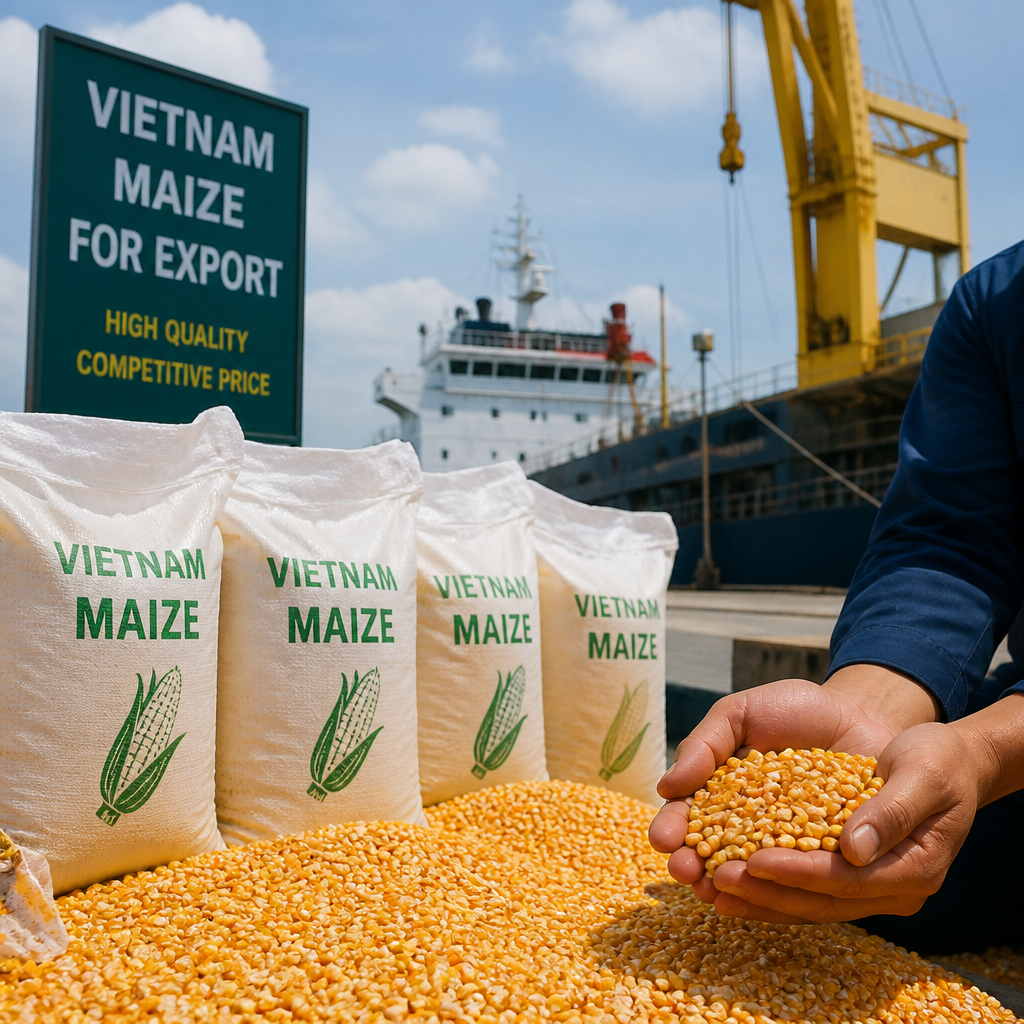
In maize exportation, effective packaging and logistics are crucial for maintaining product quality from origin to destination. The choice of packaging materials and sizes is vital in this process.
Commonly, polypropylene bags are used for packaging maize, offering durability and protection against environmental factors. These bags typically come in sizes ranging from 25 kg to 50 kg, catering to various logistical requirements and customer preferences. The use of these materials helps in safeguarding the maize against moisture and pests, which are crucial factors in maintaining its quality during transit.
Packaging is not just about containment; it is a vital component in preserving the quality of maize. Proper packaging prevents contamination and spoilage, thereby extending the shelf life of the product. This is especially important given the long distances and timeframes involved in international shipping.
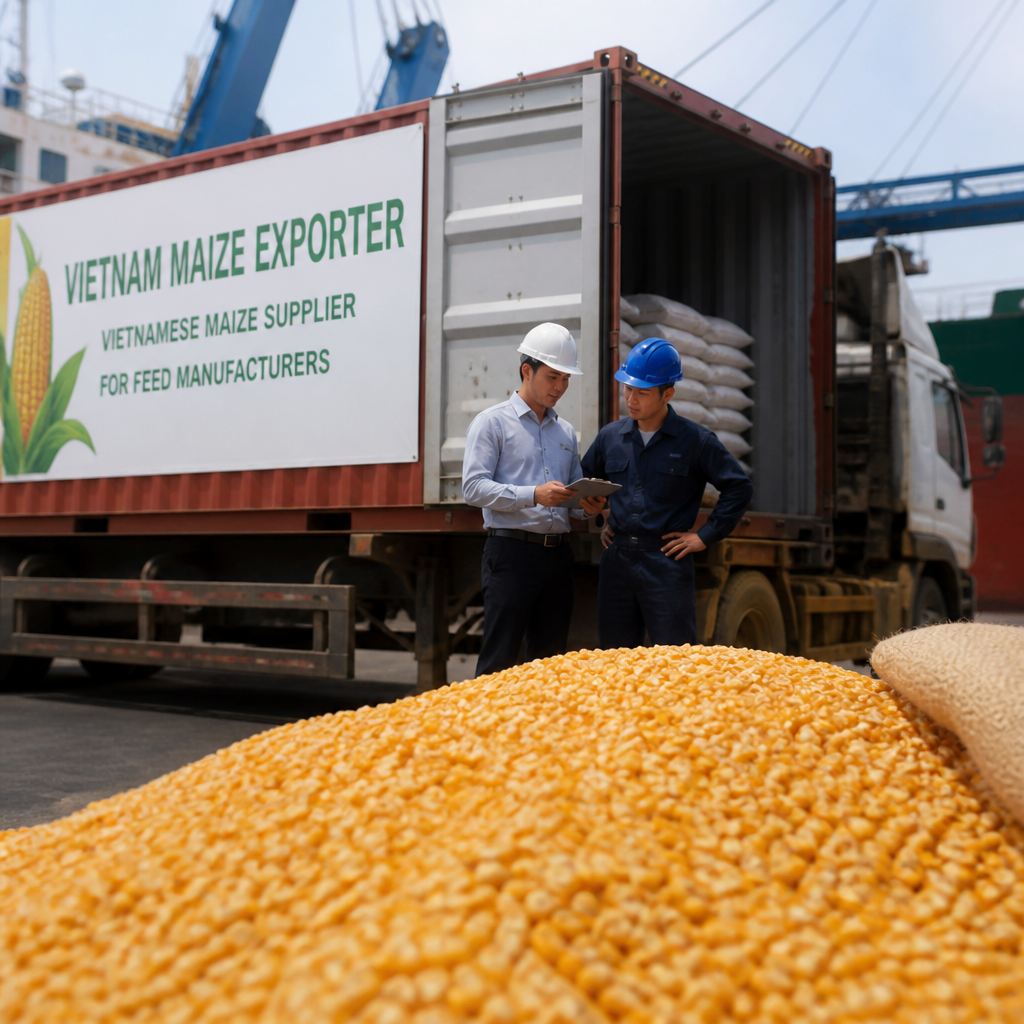
Logistics, on the other hand, presents its own set of challenges and solutions. Vietnam Maize Exporter faces logistical hurdles such as transportation delays and customs clearance issues. However, these are often mitigated through strategic planning and the use of advanced tracking technologies. For instance, real-time tracking systems allow exporters to monitor shipments closely, ensuring timely delivery and reducing the risk of unforeseen delays.
"Efficient logistics management is the backbone of successful maize exports," says an industry expert.
Moreover, partnerships with reliable shipping companies and the utilization of multimodal transport options—combining road, rail, and sea transport—enable exporters to optimize routes and reduce transit times. These solutions are vital for maintaining the competitive edge of Vietnam as a leading maize supplier in the global market.
Minimum Order Quantities and Container Supply
In the realm of maize exports, understanding the typical minimum order quantities (MOQ) is crucial for both suppliers and buyers. For Vietnam maize exporters, the MOQ often stands at around 500 metric tons. This threshold is designed to balance the logistics costs with the economies of scale, ensuring that shipments are cost-effective for both parties involved.
When it comes to the transportation of maize, the type of containers used plays a pivotal role. The most common containers for maize transport are the 20-foot and 40-foot shipping containers. These containers are favored due to their durability and ability to protect the maize from environmental factors during transit. They are also standardized, making them compatible with various transportation methods, including ships, trucks, and trains.
The supply of these containers significantly impacts trade dynamics. In recent years, there has been a notable fluctuation in container availability, sometimes leading to delays and increased shipping costs. This issue was particularly highlighted during the global supply chain disruptions caused by the COVID-19 pandemic. A shortage of containers can lead to increased competition among exporters, driving up costs and potentially delaying shipments. For Vietnam maize exporters, maintaining a steady supply of containers is essential to ensure timely delivery and uphold their reputation in the international market.
"The availability of shipping containers is a critical factor in the global supply chain, influencing both costs and delivery times," notes a logistics expert.
Ultimately, the relationship between minimum order quantities and container supply is crucial in the maize export industry. By understanding and managing these elements, Vietnam's maize exporters can optimize operations and maintain a competitive edge globally.
Challenges in Maize Export from Vietnam
Vietnam's maize export industry faces several challenges that hinder its growth and efficiency. One significant issue is the technical limitations in accessing specific data. Accurate and up-to-date data is crucial for exporters to make informed decisions about market trends, pricing, and supply chain logistics. However, the current infrastructure in Vietnam often falls short in providing this critical information, leading to inefficiencies and missed opportunities in the export process.
The need for comprehensive trade databases is another pressing challenge. A well-maintained database can offer insights into international trade patterns, competitor analysis, and potential market opportunities. Unfortunately, Vietnam lacks a centralized system that aggregates and disseminates such information effectively. This gap makes it difficult for maize exporters to strategize and compete on a global scale, as they are often left to rely on fragmented and outdated data sources.
Moreover, the importance of direct contact with suppliers cannot be overstated. While digital platforms and databases are valuable, they cannot replace the nuanced understanding and trust built through direct communication. Exporters often need detailed information about product specifications, quality standards, and logistical arrangements that only direct contact can provide. Establishing and maintaining these connections is essential for ensuring the reliability and quality of maize exports.
In summary, addressing these challenges requires a multifaceted approach. Investing in better data infrastructure, developing comprehensive trade databases, and fostering direct supplier relationships are pivotal steps for enhancing Vietnam's position as a competitive maize exporter. As the global demand for maize continues to rise, overcoming these obstacles will be crucial for capitalizing on the potential growth opportunities in the international market.
Conclusion
Maize, often referred to as corn, plays a pivotal role in agriculture worldwide. It is not only a staple crop that feeds millions but also a crucial component in animal feed, contributing significantly to the nutritional needs of livestock. This dual role underscores maize's importance in both human and animal nutrition, making it a cornerstone of agricultural economies globally.
Vietnam, as a maize exporter, is positioned to capitalize on the growing demand for maize in international markets. The potential growth in Vietnam's maize export sector is immense, driven by increasing global needs and the country's strategic initiatives to enhance agricultural output. With advancements in farming techniques and improvements in logistics and supply chain management, Vietnam is poised to increase its share in the global maize market significantly.
However, to fully harness this potential, further research and consultation are imperative. Stakeholders, including policymakers, exporters, and agricultural experts, should engage in comprehensive studies to understand market dynamics, optimize production processes, and address any logistical challenges. Collaboration with international partners and continuous innovation will be key to sustaining growth and ensuring Vietnam's competitiveness as a leading maize exporter.
In conclusion, while the opportunities are vast, strategic planning and informed decision-making will be essential to navigate the complexities of the global maize market. Stakeholders are encouraged to delve deeper into market trends and leverage Vietnam's agricultural strengths to achieve sustainable growth in maize exports.







