
Discover the excellence of Vietnam Lychee Exporter, renowned for high-quality lychees from the 'Lychee Kingdom' of Bac Ninh and Bac Giang, satisfying global demand.
Vietnam is renowned as a leading producer of lychees, a fruit cherished for its sweet and aromatic flavor. The lychee industry in Vietnam is primarily concentrated in the northern provinces of Bac Ninh and Bac Giang, which are often referred to as the 'Lychee Kingdom.' This nickname reflects the significant volume and exceptional quality of lychees produced in these areas, distinguishing them on the global stage. The lychee industry is a vital component of Vietnam's agricultural sector, providing significant economic benefits both locally and through exports.
Lychees hold a special place in the Vietnamese diet, appreciated for their unique taste and versatility. They are consumed fresh, used in desserts, and even incorporated into savory dishes. The demand for lychees extends beyond Vietnam's borders, making the country a major exporter of this fruit. Bac Giang, in particular, is noted for producing some of the finest lychees, which are highly sought after in international markets. The economic impact of lychees in these regions is substantial, supporting the livelihoods of many farmers and contributing to the local economy. As a result, efforts to enhance production and improve export capabilities are ongoing, ensuring that Vietnam remains a key player in the global lychee market.
Major Growing Regions and Harvest Season
The provinces of Bac Ninh and Bac Giang are at the heart of Vietnam's lychee production. These regions are not only vital to the country's output but are also affectionately known as the 'Lychee Kingdom.' This designation underscores the extensive cultivation and superior quality of lychees produced in these regions, which are highly prized both domestically and internationally.
The harvest season for lychees in Bac Ninh and Bac Giang typically spans from May to June. This period is critical as it determines the availability of fresh lychees for both local consumption and export. The success of the harvest is heavily influenced by weather conditions, which affect the size, sweetness, and overall quality of the fruit. Favorable weather can lead to a plentiful harvest, while adverse conditions might reduce yield and quality, impacting supply and potentially driving up prices.
Weather patterns, such as rainfall and temperature fluctuations, play a crucial role in determining the success of the lychee season. Excessive rain can lead to waterlogged soil, negatively impacting fruit growth, while insufficient rain can result in smaller, less juicy lychees. Thus, monitoring and adapting to these conditions is vital for farmers in Bac Ninh and Bac Giang to ensure a successful harvest.
As a major lychee exporter, Vietnam's ability to manage these growing conditions effectively is essential for maintaining its position in the global market. Understanding the dynamics of these key regions and their harvest seasons is crucial for stakeholders involved in the lychee trade, from farmers to exporters, ensuring that Vietnamese lychees continue to meet international standards and consumer expectations.
Fruit Specifications and Freshness Preservation
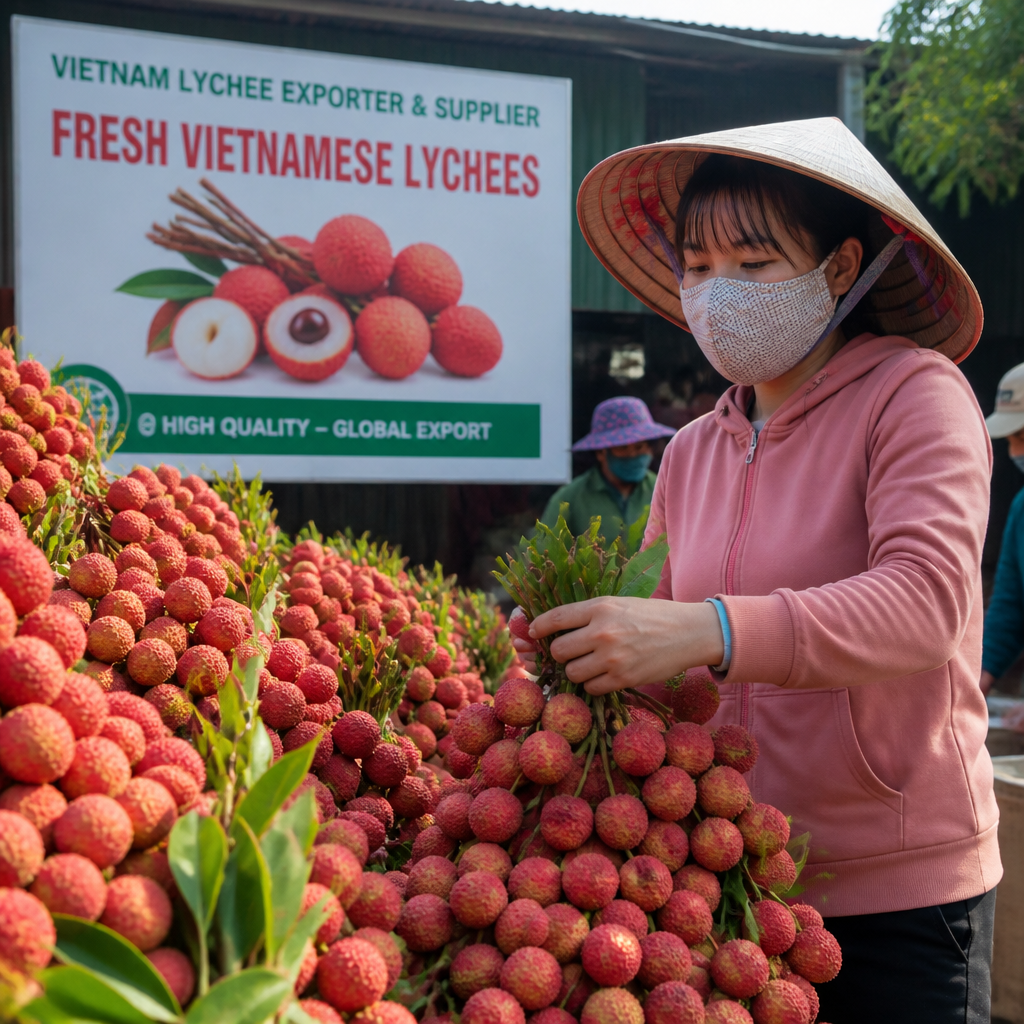
In the competitive landscape of lychee exportation, specific criteria such as size, color, and quality are paramount in determining the marketability of Vietnamese lychees. These factors not only influence consumer preference but also dictate the potential for successful international trade. Ideal lychees are typically large, uniformly red, and free from blemishes, ensuring they meet the high standards set by global markets.
To maintain the vibrant color of lychees post-harvest, exporters employ sulfur fumigation techniques. This method is crucial in preserving the fruit's appealing red hue, which can otherwise fade during transit and storage, impacting consumer perception and market value. The fumigation process involves exposing the lychees to sulfur dioxide, which acts as a preservative by inhibiting enzymatic browning and microbial growth.
Minimizing spoilage and weight loss is another critical aspect of lychee preservation. Spoilage not only reduces the quantity of sellable fruit but also affects the overall quality and taste, which are essential for maintaining consumer satisfaction. Weight loss, primarily due to water loss, can significantly impact profitability, as lychees are sold by weight. Therefore, controlling these factors is essential for exporters to maximize their returns.
Advanced packaging methods have been developed to address these challenges, with innovations such as ExtendCastTM leading the way. This technology involves specialized packaging materials that create an optimal microenvironment for lychees, significantly extending their shelf life. By regulating factors such as humidity and gas exchange, ExtendCastTM helps maintain the fruit's freshness and quality from the moment it is packed until it reaches consumers.
Incorporating these advanced preservation techniques allows Vietnam Lychee Exporters to maintain a competitive edge in the global market, ensuring that their products meet the exacting standards of international buyers.
The Role of Cold Chain Logistics
In the intricate ecosystem of lychee exportation, cold chain logistics play a pivotal role, ensuring that the delicate fruit reaches international markets in optimal condition. With Vietnam's cold chain logistics market valued at USD 1.2 billion, it highlights the significant investment and infrastructure dedicated to this crucial sector. The involvement of key players such as Viettel Logistics and DHL Supply Chain Vietnam underscores the strategic importance of maintaining the integrity of the supply chain.
Temperature-controlled storage and transportation are essential components of cold chain logistics. These processes are vital for preserving the freshness and quality of lychees, preventing spoilage, and extending shelf life. This is particularly important given the perishable nature of lychees, which are highly sensitive to temperature fluctuations. Maintaining a consistent cold chain ensures that the fruit retains its flavor, texture, and nutritional value from farm to table.
The Vietnamese government has also implemented strict mandates for food safety and quality, which further emphasizes the importance of cold chain logistics. These regulations ensure that all exported lychees meet international standards, thereby enhancing the reputation of Vietnam as a reliable lychee exporter. Compliance with these mandates not only protects consumer health but also fosters trust among international buyers, which is crucial for sustaining and expanding export markets.
As Vietnam continues to strengthen its position as a leading lychee exporter, the role of cold chain logistics becomes increasingly significant. By leveraging advanced logistics solutions and adhering to stringent government regulations, Vietnam can ensure the delivery of high-quality lychees to global markets, thereby boosting its economic growth and international trade relationships.
Export Markets for Vietnamese Lychees
Vietnamese lychees have successfully penetrated major international markets, largely due to strategic logistics and quality assurance practices. The critical logistics hubs in Ho Chi Minh City and Hanoi play a pivotal role in facilitating the export process. These cities are not only central to Vietnam's economic activities but also serve as gateways for international trade, ensuring that lychees reach global markets efficiently.
Compliance with international standards is a fundamental requirement for export eligibility. Vietnamese lychee exporters adhere to stringent regulations to meet the diverse requirements of different countries. This compliance not only ensures eligibility but also enhances the reputation of Vietnamese lychees on a global scale.
Building consumer trust is another critical aspect of the export strategy. By maintaining high-quality standards, Vietnamese lychee exporters foster confidence among international buyers. Quality maintenance is achieved through meticulous post-harvest processes and advanced packaging techniques, which preserve the freshness and taste of the fruit.
The major international markets for Vietnamese lychees include countries such as China, the United States, Australia, and several European nations. These markets are attracted to the unique flavor and quality of Vietnamese lychees, making them a popular choice among consumers worldwide.
"Vietnamese lychees have become a staple in international fruit markets, thanks to their superior quality and the country's efficient export logistics."
Challenges and Opportunities in Lychee Export
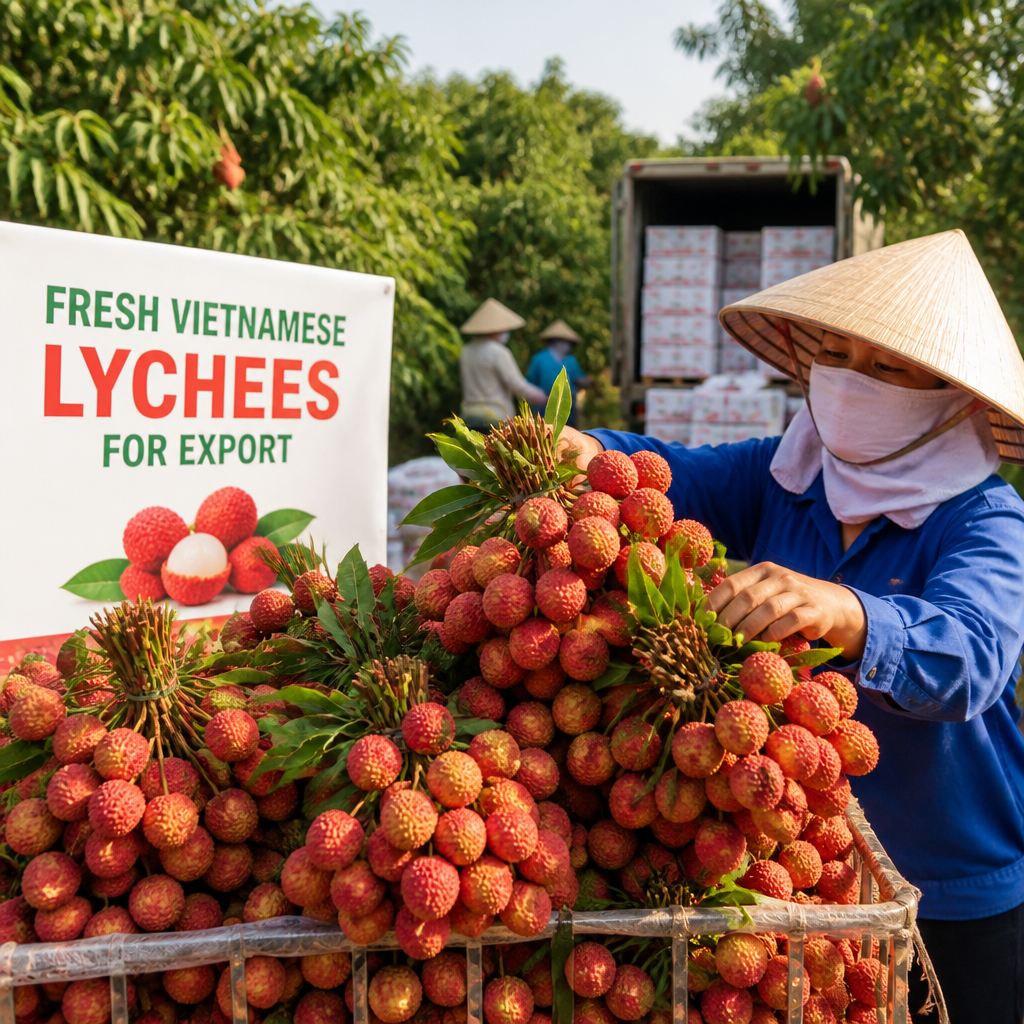
The export of Vietnamese lychees presents both significant challenges and promising opportunities. One of the primary logistical hurdles is maintaining the cold chain, which is essential for preserving the quality and freshness of lychees during transportation. Despite being valued at USD 1.2 billion, Vietnam's cold chain logistics market faces challenges such as inadequate infrastructure and high costs. Key players like Viettel Logistics and DHL Supply Chain Vietnam are crucial in addressing these challenges, but consistent temperature control remains a critical concern.
Despite these challenges, there are considerable opportunities for market expansion. Vietnamese lychees have the potential to penetrate new international markets, driven by increasing global demand for exotic fruits. Countries in Europe and North America, where consumers are becoming more adventurous with their fruit choices, represent untapped markets that could significantly boost exports.
Technology offers a pathway to overcome some of the preservation challenges. Innovations in packaging, such as the use of ExtendCastTM, have shown promise in extending the shelf life of lychees by minimizing spoilage and weight loss. By leveraging such technologies, exporters can ensure that lychees reach their destinations in optimal condition, thus enhancing their appeal in competitive markets.
Government support and policy play a pivotal role in shaping the future of lychee exports. The Vietnamese government has implemented mandates to ensure food safety and quality, which are crucial for maintaining international trade standards. These policies not only help in building consumer trust but also in facilitating smoother export processes. Continued governmental support in the form of subsidies or infrastructure development could further alleviate some of the logistical burdens faced by exporters.
"The future of Vietnam's lychee export lies in balancing logistical efficiency with technological innovation and strategic market expansion," says a senior analyst at the Vietnam Lychee Exporter Association.
Conclusion and Future Outlook
The current state of Vietnam's lychee industry is robust, with the nation standing as a key player in the global lychee market. Regions like Bac Ninh and Bac Giang, often dubbed the 'Lychee Kingdom,' are pivotal in this agricultural success. However, the industry faces challenges that need to be addressed to maintain and enhance its competitive edge.
There is significant potential for growth in export markets. With the rising global demand for fresh and exotic fruits, Vietnamese lychees have the opportunity to enter new markets. Strengthening trade relationships and ensuring compliance with international standards will be critical to this expansion.
Continuous improvement in logistics and preservation remains a cornerstone of the industry's success. The cold chain logistics market in Vietnam, valued at USD 1.2 billion, is crucial for maintaining the quality of lychees from farm to table. Key players like Viettel Logistics and DHL Supply Chain Vietnam are instrumental in this effort, ensuring that temperature-controlled storage and transportation meet the necessary standards. Ongoing enhancements in these areas will help minimize spoilage and maximize freshness, thereby boosting consumer trust and satisfaction.
Looking ahead, future trends in lychee production and export are likely to focus on technological advancements and sustainable practices. Innovations in packaging, such as the use of ExtendCastTM, and the adoption of more efficient logistics solutions will play a pivotal role. Furthermore, government support and favorable policies can provide the necessary impetus for the industry to thrive.
"The future of Vietnam's lychee industry lies in its ability to adapt to changing market demands and leverage technological advancements to ensure quality and sustainability."
In conclusion, while the Vietnamese lychee industry is currently thriving, its future success will depend on strategic improvements in logistics, market expansion, and sustainable practices. By addressing these areas, Vietnam can solidify its position as a leading lychee exporter on the global stage.







