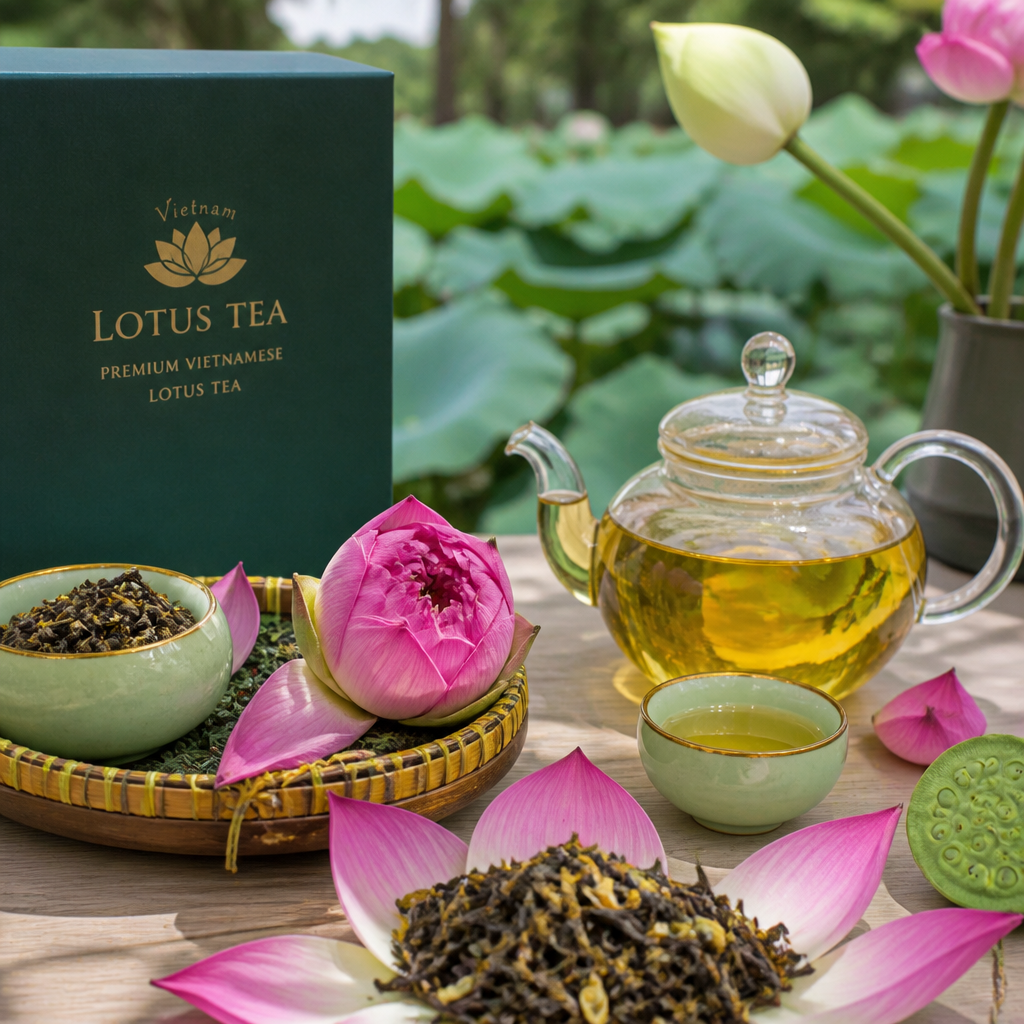
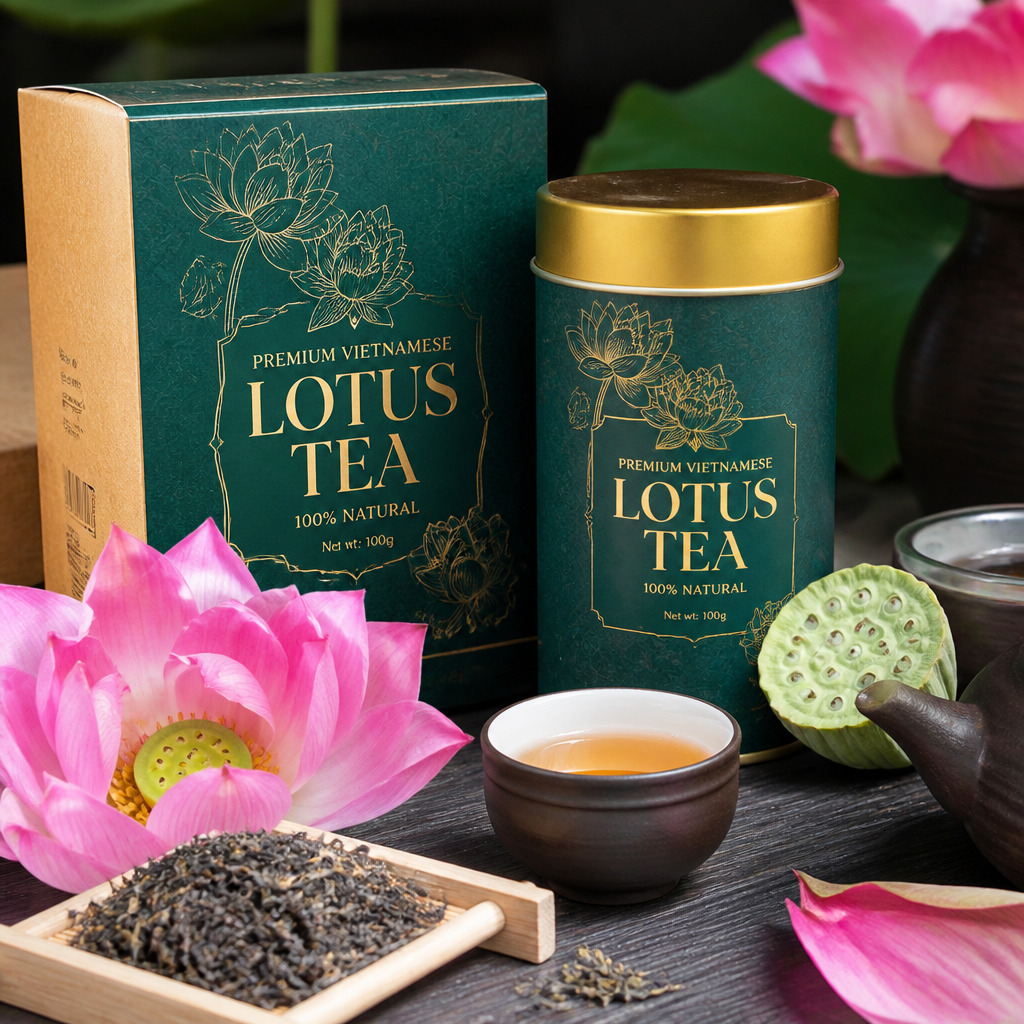
Discover premium Vietnamese lotus tea from Vietnam Lotus Tea Exporter, renowned for its unique aroma and traditional scenting methods that captivate tea lovers worldwide.
Vietnamese lotus tea is a unique traditional beverage that stands out in the global tea market due to its exceptional aroma and flavor, which are achieved through an intricate process of scenting with fresh lotus flowers. This tea embodies the essence of Vietnam's natural beauty and cultural heritage, providing a remarkable experience for those who appreciate it.
The art of lotus scenting in Vietnam is a revered tradition, refined over generations. This process is a harmonious blend of simplicity and sophistication, relying on the natural synergy between tea leaves and lotus blossoms. Central to this craft is the placement of tea leaves amidst fresh lotus flowers, a carefully orchestrated ritual that allows the leaves to absorb the delicate fragrance. This method ensures that the tea captures the pure essence of the lotus, resulting in a beverage that is both aromatic and flavorful.
Absorbing the fragrance is a vital part of this art. This slow and deliberate process can extend over several days, allowing the tea leaves to be infused with the floral notes of the lotus. Multiple scenting rounds may be necessary for each batch to reach the desired aroma intensity. This commitment to the craft is what makes Vietnamese lotus tea a delicacy cherished by tea connoisseurs globally. Lotus scenting is not solely about flavor; it is about preserving a cultural heritage that spans centuries.
Traditional methods of lotus scenting reflect a profound respect for nature and an understanding of the intricate balance required to produce high-quality tea. Companies like Vietnam Lotus Tea Exporter are renowned for maintaining these authentic practices, ensuring that every cup of tea offers a genuine taste of Vietnamese culture.
In the realm of Vietnamese lotus tea, quality transcends mere taste; it embodies a complex fusion of tradition, craftsmanship, and nature. For a leading Vietnam Lotus Tea Exporter, grasping the different quality grades is crucial to meet diverse consumer preferences and uphold the rich heritage tied to this unique beverage.
The quality of lotus tea hinges largely on the meticulous scenting process it undergoes. This traditional method entails placing tea leaves among fresh lotus flowers, enabling them to absorb the delicate fragrance over several days. The precision and care exercised during this process greatly influence the final product's quality, impacting both its aroma and flavor.
Lotus tea is available in various quality grades, each offering a distinct experience for the consumer. These grades are often categorized based on the number of scenting cycles the tea undergoes, the quality of the lotus flowers used, and the type of tea leaves selected. For instance, a higher-grade lotus tea might involve multiple scenting cycles with premium lotus flowers, resulting in a more intense and lasting aroma.
- ⚡ Premium Grade: Characterized by multiple scenting cycles, often using the most fragrant lotus flowers. The result is a tea with a profound aroma and a rich, multi-layered flavor profile.
- 💡 Mid-Range Grade: Typically involves fewer scenting cycles and may use a mix of lotus flower qualities. The aroma and flavor are balanced, making it a popular choice for daily consumption.
- ✅ Basic Grade: Often involves a single scenting cycle with standard lotus flowers. This grade offers a subtle fragrance and a lighter taste, suitable for those new to lotus tea.
Understanding these quality distinctions is crucial for consumers and exporters alike. The aroma and flavor of lotus tea are not just sensory experiences; they are reflections of the careful and traditional methods that have been passed down through generations. As a result, the quality grade of lotus tea plays a pivotal role in its marketability and appeal, both locally and internationally.
In the world of premium teas, especially those as delicate as Vietnamese Lotus Tea, the significance of packaging cannot be overstated. The packaging is not merely a vessel for transport; it is a crucial element in preserving the tea's distinctive aroma and flavor. This careful preservation ensures that consumers receive the product in its intended quality, no matter the time or distance it has traveled.
The packaging design for lotus tea is meticulously crafted to preserve the tea's unique scent, a result of the traditional scenting process with fresh lotus flowers. Packaging materials are specifically selected to serve as barriers against external elements that could compromise the tea's quality, including moisture, light, and air, all of which can significantly impact the tea's aroma and flavor profile.
Over time, the right packaging plays a pivotal role in maintaining the tea's quality. High-quality packaging materials such as airtight containers or vacuum-sealed bags are often employed to ensure that the tea remains fresh over extended periods. This is particularly important for lotus tea, where the aroma is a key selling point and a defining characteristic of its identity.
The longevity of the product is directly tied to the effectiveness of its packaging. Without proper preservation methods, the tea could lose its fragrance before it even reaches the consumer. Therefore, companies like Vietnam Lotus Tea Exporter invest in advanced packaging solutions to maintain the tea's integrity from production to consumption.
- ✅ Airtight Containers: Essential for keeping out moisture and maintaining aroma.
- ✅ Light-Blocking Materials: Protects the tea from UV rays that can alter flavor.
- ✅ Durable Exterior: Ensures the tea withstands transportation without damage.
In conclusion, the packaging of Vietnamese Lotus Tea is not just a functional necessity but a strategic component in delivering a premium product. By prioritizing packaging that preserves aroma and quality, Vietnam Lotus Tea Exporter ensures that their customers experience the full depth of this traditional tea's unique flavors, regardless of where they are in the world.
Vietnamese Lotus Tea, with its unique aroma and traditional scenting methods, has carved out a niche in the world of specialty teas. This product appeals to a diverse range of consumers, both domestically and internationally, who are drawn to its distinctive qualities and cultural significance.
Firstly, there is a significant interest in traditional and aromatic teas among tea enthusiasts. These consumers are often looking for teas that offer not just a beverage, but an experience. The rich fragrance of lotus flowers, meticulously infused into the tea leaves, provides a sensory journey that appeals to those who appreciate the art of tea-making. This interest is particularly strong in regions with a rich tea culture, such as China and Japan, where traditional tea practices are highly valued.
On the home front, local consumers in Vietnam also form a crucial market for Lotus Tea. The cultural roots and historical significance of lotus tea in Vietnam make it a popular choice among locals who seek to connect with their heritage. The tea is often used in traditional ceremonies and as a gesture of hospitality, making it a staple in many Vietnamese households. This local appreciation not only sustains domestic demand but also enhances the tea's authenticity in the eyes of international consumers.
Moreover, international tea enthusiasts represent a promising target market. As global interest in exotic and premium teas grows, Vietnamese Lotus Tea is well-positioned to capture the attention of those seeking unique flavors and cultural experiences. The tea's distinctive profile and the story behind its production make it an attractive option for specialty tea retailers and consumers in Western countries where there is a burgeoning interest in artisanal and organic products. This market segment is particularly responsive to products that offer a narrative, such as the traditional scenting methods and cultural heritage associated with Lotus Tea.
Exporting Vietnamese lotus tea, celebrated for its unique aroma and traditional scenting methods, encounters several significant challenges. A primary obstacle is the difficulty in obtaining detailed exporter information. Many potential buyers and international partners struggle to access comprehensive data about exporters, which can impede their ability to make informed decisions. This lack of transparency not only affects trust but also complicates the establishment of reliable business relationships.
Moreover, the impact on providing a comprehensive overview of the market is profound. Without detailed exporter information, it becomes challenging to assess the landscape effectively. Potential importers may find it difficult to compare different suppliers, evaluate the quality grades of lotus tea offered, or understand the nuances of the scenting process that contribute to the tea's distinctiveness. This gap in information can deter interest and investment from international markets, limiting the global reach of Vietnamese lotus tea.
Another significant challenge lies in accessing market-specific data. Each international market has its own set of regulations, consumer preferences, and competitive landscapes. For example, the European market may have stringent quality and packaging standards that differ from those in Asia. Without access to detailed market-specific data, Vietnamese exporters may struggle to adapt their products and marketing strategies to meet these diverse requirements. This lack of adaptability can result in missed opportunities and reduced competitiveness on the global stage.
To overcome these challenges, stakeholders in the Vietnamese lotus tea industry need to prioritize the development of robust information-sharing platforms and databases. By improving the accessibility and transparency of exporter information, and by investing in market research to gather specific data on international markets, Vietnam can better position its lotus tea as a premium product in the global tea industry.