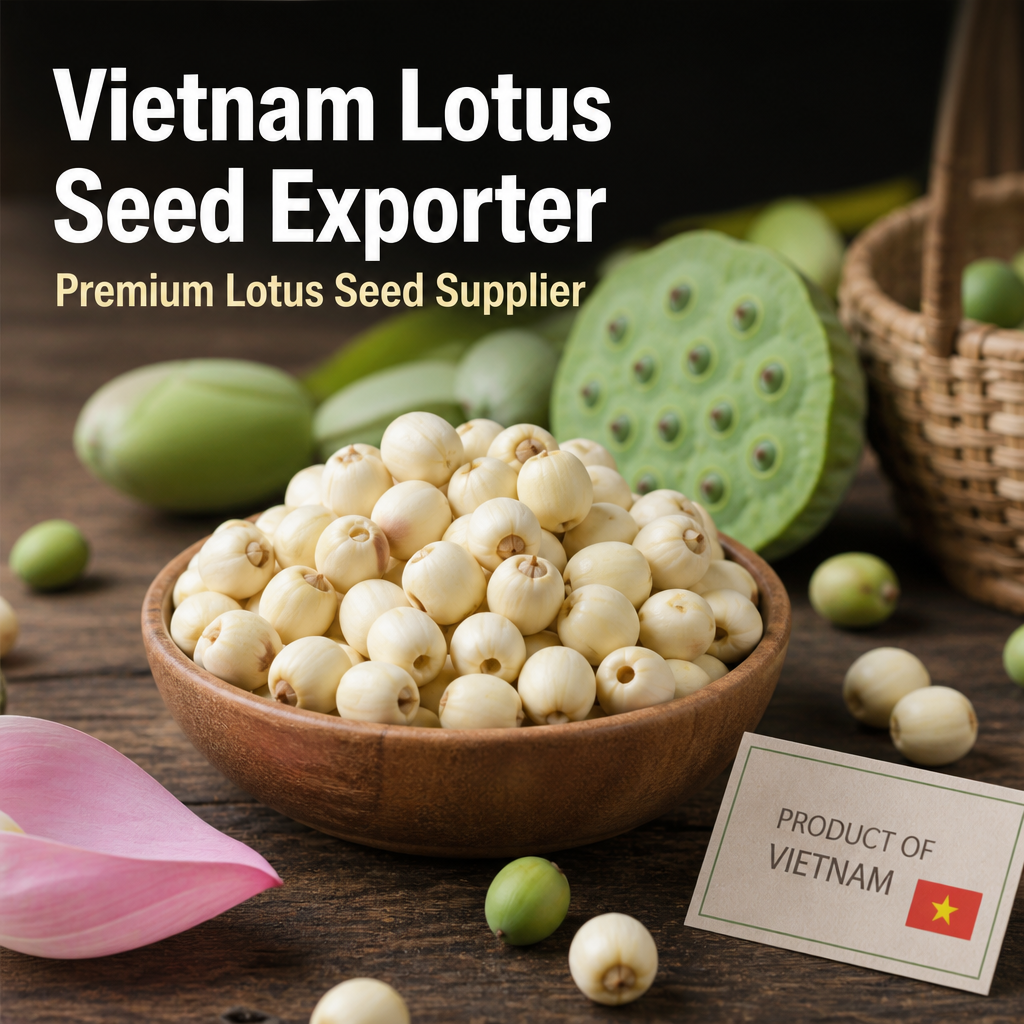
Vietnam Lotus Seed Exporter delivers premium whole and sliced lotus seeds, rich in nutrition and culinary versatility, meeting global market demands.
Vietnam is renowned for its agricultural products, including premium lotus seeds, which are available in both whole and sliced varieties. These seeds are not just a staple in Vietnamese cuisine but also hold a significant position in the country's export portfolio. As an agricultural product, lotus seeds are valued for their versatility and nutritional benefits, making them a sought-after commodity in international markets.
Lotus seeds play a crucial role in Vietnamese exports, significantly contributing to the agricultural sector's revenue and enhancing Vietnam's reputation as a leading supplier of high-quality seeds. The consistent growth in lotus seed exports mirrors the global demand for this nutritious product. The availability of both whole and sliced lotus seeds caters to diverse culinary applications, appealing to various cultures and cuisines. Whole lotus seeds are commonly used in traditional dishes, while sliced variants offer convenience for modern recipes.
Characteristics of Lotus Seeds
Lotus seeds, a staple in Vietnamese exports, display a fascinating variety in their characteristics, which significantly influences their market appeal and usability. Understanding these characteristics is crucial for any Vietnam Lotus Seed Exporter aiming to deliver premium products globally.
One of the most notable characteristics of lotus seeds is their size variations. These seeds can range from small to large, each size catering to different culinary and medicinal uses. Smaller seeds are often preferred for snacks due to their easier consumption, while larger seeds are favored in cooking and traditional medicine for their substantial texture and nutrient density. This diversity in size not only broadens their application but also meets varying consumer preferences across international markets.
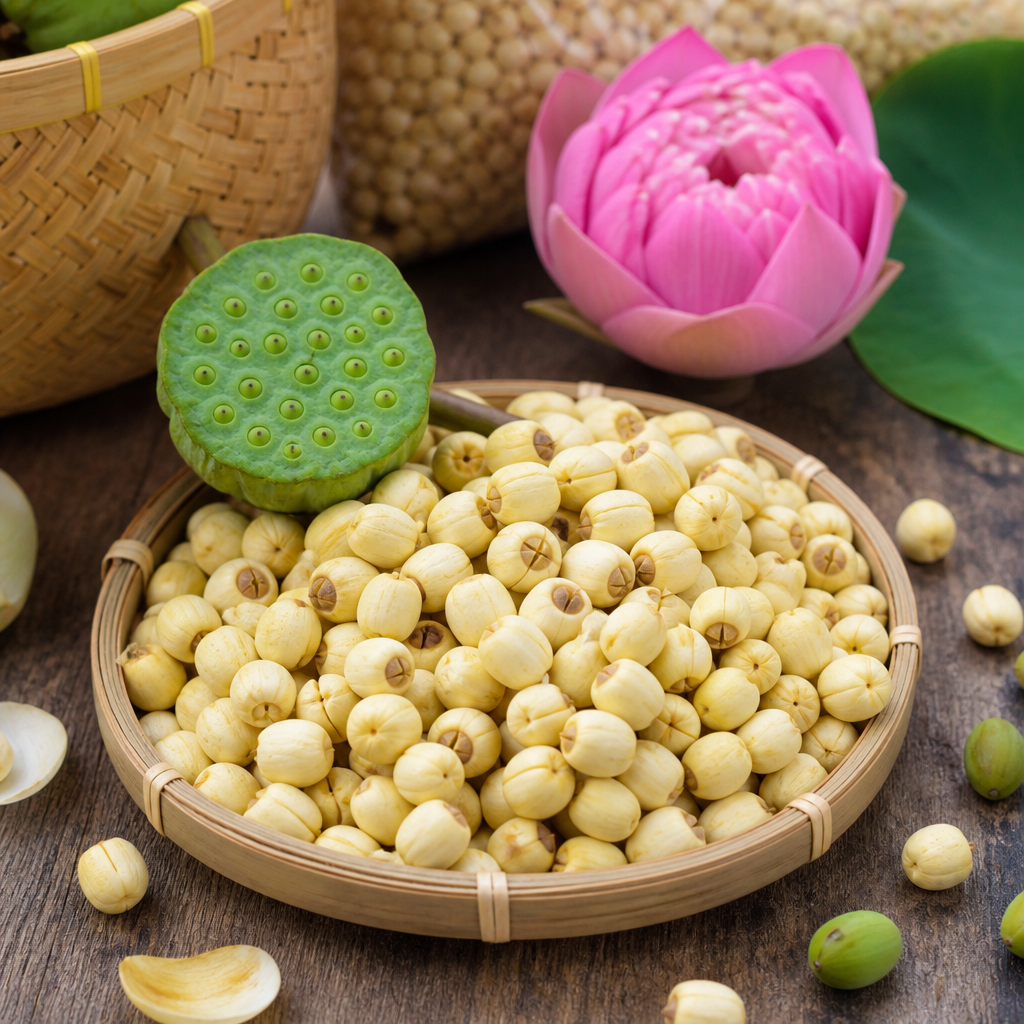
In addition to size, the color of lotus seeds is another defining feature. Typically, lotus seeds come in shades of white to pale yellow. This color spectrum is not merely aesthetic; it often indicates the seed's maturity and quality. White lotus seeds are usually associated with a higher quality product, often sought after for their purity and taste. The color can also affect the visual appeal of dishes in which these seeds are used, making it a crucial factor for chefs and food manufacturers.
Quality factors affecting lotus seeds are multifaceted and pivotal for maintaining their market value. Key quality determinants include moisture content, seed integrity, and the absence of contaminants. High moisture levels can lead to spoilage, while broken seeds or those with blemishes may be considered inferior. Therefore, rigorous quality control measures are essential during harvesting and processing to ensure that only the best seeds reach consumers.
"The quality of lotus seeds is paramount, as it directly impacts their shelf life and culinary versatility," notes an industry expert.
Ultimately, the characteristics of lotus seeds, from size and color to quality factors, play a significant role in their desirability and functionality. For exporters, understanding and optimizing these characteristics is key to thriving in the competitive international market.
Processing Methods of Lotus Seeds
The processing of lotus seeds is a meticulous endeavor that plays a crucial role in determining the quality of the final product. As a prominent Vietnam Lotus Seed Exporter, understanding and implementing effective processing methods is vital to maintain the high standards expected in international markets.
Standard processing techniques for lotus seeds typically involve several key steps. Initially, seeds are harvested and cleaned to remove any impurities. This is followed by soaking, which helps to soften the seeds and makes the removal of the seed coat easier. The de-hulling process is particularly important as it ensures that the seeds are smooth and free from the tough outer layer. Once de-hulled, the seeds are often dried, either under the sun or using mechanical dryers, to reduce moisture content and extend shelf life. Each of these steps must be carefully controlled to prevent damage to the seeds, which could affect their quality and marketability.
Maintaining quality during processing is of paramount importance. The integrity of the seed coat, the moisture content, and the overall appearance of the seeds are all factors that can significantly impact their quality. For instance, if the drying process is not conducted properly, it could lead to uneven moisture levels, resulting in seeds that are susceptible to mold or spoilage. Therefore, precision in each processing stage is essential to ensure that the seeds meet the high standards required by both domestic and international consumers.
"Processing impacts not just the physical appearance of lotus seeds but also their nutritional value and shelf life," notes a quality control expert at a leading lotus seed processing facility in Vietnam.
Processing significantly influences seed quality. Effective processing enhances the seeds' natural flavor and nutritional profile, making them more attractive to health-conscious consumers. Additionally, well-processed seeds are less prone to defects or contamination, which is vital for maintaining a strong reputation in the competitive export market. With the rising demand for high-quality lotus seeds, exporters must focus on meticulous processing methods to maintain their market position and meet the increasing expectations of global customers.
Packaging Options for Lotus Seeds
Packaging is crucial in preserving the quality and freshness of lotus seeds while meeting international market standards. For a leading Vietnam Lotus Seed Exporter, grasping the intricacies of packaging options is essential for global market success.
There are several packaging types available for lotus seeds, each designed to cater to different market needs and consumer preferences. Common packaging includes vacuum-sealed bags, which are excellent for preserving the freshness and extending the shelf life of the seeds by minimizing exposure to air and moisture. Additionally, resealable plastic pouches are popular for their convenience, allowing consumers to easily store and reuse the product without compromising quality.
The role of packaging goes beyond mere containment. It is essential in preserving the quality of lotus seeds by protecting them from external factors such as humidity, light, and pests, which can deteriorate their nutritional value and taste. For instance, vacuum packaging is particularly effective as it removes air, significantly reducing the risk of oxidation and spoilage.
Moreover, adhering to packaging standards for international markets is imperative for any exporter aiming to penetrate and succeed globally. These standards often require specific labeling, including information on nutritional content, origin, and expiration dates, ensuring transparency and compliance with consumer safety regulations. Packaging must also meet environmental standards, as sustainability is becoming increasingly important to consumers worldwide.
"Proper packaging not only preserves the quality of lotus seeds but also enhances their marketability by meeting international standards."
In conclusion, selecting the right packaging option is a strategic decision that impacts both the quality preservation of lotus seeds and their acceptance in international markets. By focusing on innovative and compliant packaging solutions, Vietnam Lotus Seed Exporters can enhance their competitiveness and appeal to a broader audience.
Food Applications of Lotus Seeds
Lotus seeds, a staple in Vietnamese cuisine, offer a versatile range of culinary applications. They are cherished not only for their unique taste and texture but also for their nutritional benefits, making them a popular choice in both traditional and modern dishes.
Whole lotus seeds are often used in soups and desserts. In Vietnamese cuisine, they are a key ingredient in che sen, a sweet dessert soup that combines lotus seeds with mung beans and coconut milk. This dish is not only a treat for the taste buds but also a source of comfort and nutrition. The seeds add a creamy texture and a mild, nutty flavor that complements the sweetness of the soup. Furthermore, whole lotus seeds are commonly used in savory dishes such as canh sen, a nourishing lotus seed soup often prepared with pork or chicken, providing a hearty and wholesome meal.
Sliced lotus seeds, on the other hand, are a versatile addition to various dishes. They are frequently used in stir-fries, adding both texture and nutritional value. For instance, sliced lotus seeds can be sautéed with vegetables and tofu, creating a delightful vegetarian dish that is rich in protein and fiber. Their ability to absorb flavors makes them an excellent ingredient in curries and stews, where they can enhance the overall taste and nutritional profile of the meal.
The nutritional benefits of lotus seeds are significant, contributing to their popularity in food applications. Rich in protein, fiber, and essential minerals such as magnesium, potassium, and phosphorus, lotus seeds are a powerhouse of nutrients. They are low in calories and have a low glycemic index, making them an ideal choice for those looking to maintain a balanced diet. The seeds are also known for their antioxidant properties, which can help in reducing inflammation and promoting overall health.
"Lotus seeds are not just a culinary delight; they are a nutritional powerhouse," says a representative from Vietnam Lotus Seed Exporter, highlighting their dual role in the kitchen.
Ultimately, the culinary versatility and nutritional benefits of lotus seeds make them an invaluable ingredient in a wide range of dishes. From traditional Vietnamese soups and desserts to contemporary health-conscious recipes, lotus seeds remain a fundamental part of the culinary landscape.
Quality Standards and International Market Requirements
As a prominent Vietnam Lotus Seed Exporter, Vietnam places a significant emphasis on maintaining high-quality standards for its exports. This commitment is driven by the need to meet the stringent requirements of international markets, which demand not only premium quality but also compliance with various regulations and certifications.
International markets, particularly in regions such as North America and Europe, have specific demands when it comes to lotus seeds. These markets prioritize seeds that are free from contaminants, possess a uniform size, and maintain their nutritional value. The demand for organic certification is also rising, reflecting a global trend towards healthier and more sustainable food products. For example, the European Union has strict regulations on pesticide residues, which necessitates rigorous testing and adherence to organic farming practices.
However, meeting these international standards is not without its challenges. One of the primary obstacles is the variability in agricultural practices across different regions in Vietnam. Ensuring uniformity in quality requires significant investment in training farmers and upgrading processing facilities. Additionally, the cost of obtaining necessary certifications, such as ISO 22000 for food safety management, can be prohibitive for smaller producers.
Despite these challenges, Vietnam remains committed to enhancing its export quality. The government has initiated programs to support farmers in adopting best practices and to subsidize the cost of certifications. Moreover, partnerships with international bodies are being explored to facilitate knowledge exchange and improve compliance with global standards.
"The focus on quality and compliance is essential for Vietnam to strengthen its position as a leading lotus seed exporter," stated a spokesperson from the Vietnam Ministry of Agriculture and Rural Development.
In conclusion, while the journey to meet international market requirements is complex, Vietnam's proactive approach in addressing these challenges underscores its dedication to maintaining its reputation as a reliable supplier of high-quality lotus seeds.
Conclusion and Future Prospects
Vietnam's journey as a leading lotus seed exporter highlights the substantial progress made in production and exportation. With diverse applications and nutritional benefits, lotus seeds have become a key component of Vietnam's agricultural exports. Offering both whole and sliced lotus seeds provides versatility in culinary uses, appealing to a broad spectrum of international markets.
As we look to the future, the potential growth in the lotus seed market presents a promising avenue for expansion. The global demand for healthy and nutritious food products continues to rise, positioning lotus seeds as a key player in this trend. The increasing awareness of the health benefits associated with lotus seeds, such as their high protein content and antioxidant properties, further fuels this demand. This growth potential is not only an opportunity for increased export volumes but also for enhancing Vietnam's standing in the global market.
However, to fully capitalize on these opportunities, continuous quality improvement remains imperative. The rigorous international market requirements necessitate a steadfast commitment to quality standards. By investing in advanced processing techniques and adhering to stringent packaging standards, Vietnam can ensure that its lotus seeds meet the expectations of discerning international customers. This focus on quality is crucial not only for maintaining current market share but also for expanding into new markets.
"The future of Vietnam's lotus seed industry hinges on its ability to innovate and maintain quality, ensuring that it remains a trusted supplier in the global market."
In summary, the strategic emphasis on quality, coupled with the burgeoning global demand for nutritious food products, positions Vietnam's lotus seed industry for substantial growth. As a leading Vietnam Lotus Seed Exporter, the country stands at the cusp of expanding its influence and securing its place as a premium supplier in the international market.