
Vietnam Lemongrass Exporter offers premium fresh and dried lemongrass, ensuring high quality and flavor through advanced processing and packaging methods.
Lemongrass is a versatile herb extensively used in both culinary and medicinal practices. Available primarily in two forms—fresh and dried—each type of lemongrass offers unique characteristics that cater to different preferences and uses. This diversity makes Vietnam Lemongrass Exporter a significant player in the global market, able to meet a wide array of demands.
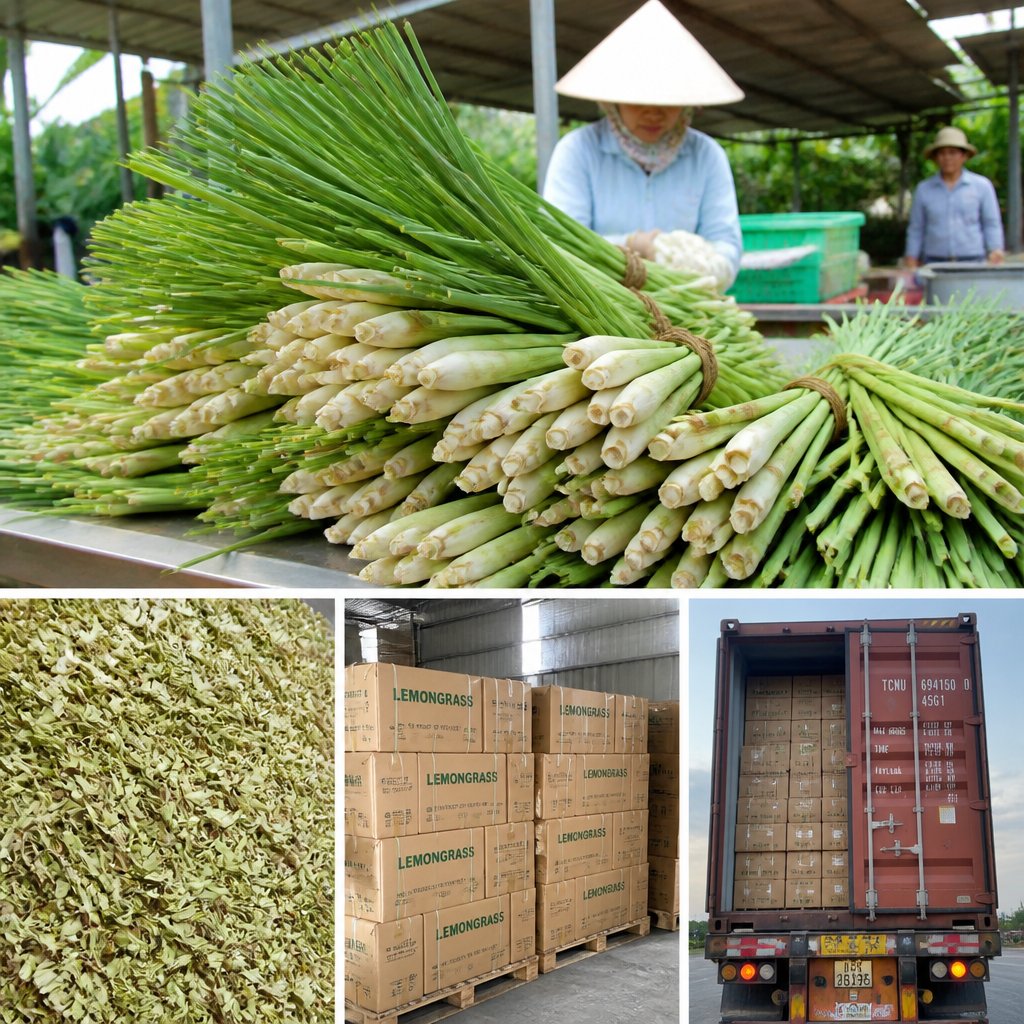
Fresh lemongrass is distinguished by its vibrant green color and firm stalks, which can reach lengths of 30 to 40 centimeters. Its aroma is notably citrusy and fresh, making it a highly sought-after ingredient in culinary applications. In contrast, dried lemongrass exhibits a more muted color, typically a pale yellow or brown, and is often processed into smaller pieces or ground into powder. The drying process intensifies its flavor, making it an essential component in teas and spice blends.
One significant difference between fresh and dried lemongrass is their moisture content. Fresh lemongrass contains approximately 70-80% moisture, contributing to its crisp texture and fresh aroma. However, this high moisture level also results in a shorter shelf life, requiring careful handling and storage. On the other hand, dried lemongrass has a significantly reduced moisture content, often below 10%, allowing for extended shelf life and easier storage and transport. This low moisture level is crucial for preventing mold and spoilage, ensuring that the dried product remains viable over longer periods.
The specifications of size, color, and aroma are critical in determining the quality and application of lemongrass. For instance, chefs who use fresh lemongrass in dishes that require specific presentation styles consider the size of the stalks important. Meanwhile, the color and aroma are key indicators of freshness and quality. In dried lemongrass, consistency in cut size and aroma intensity are vital for ensuring uniformity in spice blends and teas.
Understanding these specifications enables Vietnam Lemongrass Exporter to customize their products to satisfy diverse market demands. Whether fresh or dried, the lemongrass provided is of the highest quality, enhancing culinary experiences and supporting expanding applications in various industries worldwide.
Packaging Methods for Lemongrass
In the export industry, particularly for products like lemongrass, effective packaging is crucial to ensure product quality and longevity. The Vietnam Lemongrass Exporter employs a range of packaging methods tailored to both fresh and dried lemongrass, each designed to preserve the unique characteristics of the product while meeting international standards.
Packaging for Fresh Lemongrass
Fresh lemongrass is typically packaged using materials that offer protection and maintain freshness. Common methods include the use of plastic bags and ventilated cartons. Plastic bags are often utilized for smaller quantities, providing a moisture barrier that helps in retaining the natural aroma and flavor of the lemongrass. Ventilated cartons, on the other hand, are used for larger shipments, ensuring adequate air circulation to prevent mold growth and spoilage during transit.
Packaging for Dried Lemongrass
Dried lemongrass requires a different approach due to its lower moisture content. Packaging options often include sealed plastic containers or vacuum-sealed bags. These methods are effective in preventing exposure to air and moisture, which could lead to a loss of flavor and aroma. Vacuum-sealed bags, in particular, are favored for their ability to extend shelf life significantly by removing air from the packaging environment.
Materials Commonly Used in Packaging
The materials selected for packaging lemongrass are chosen for their durability and ability to protect the product. Polyethylene and polypropylene are commonly used due to their strength and moisture-resistant properties. These materials are lightweight, which helps reduce shipping costs, and they are also recyclable, aligning with global sustainability trends.
Considerations for Maintaining Freshness and Quality
Ensuring the freshness and quality of lemongrass during transportation and storage is a primary concern for exporters. Key considerations include maintaining an optimal temperature and humidity level, which is crucial for preventing spoilage and preserving the aromatic properties of the lemongrass. Regular monitoring and quality checks are implemented to ensure that the packaging remains intact and effective throughout the supply chain.
"Effective packaging not only preserves the quality of the product but also enhances its marketability by meeting international standards."
By employing these packaging methods, Vietnam Lemongrass Exporter ensures that their products reach international markets in prime condition, reinforcing their reputation as a reliable supplier of both fresh and dried lemongrass.
Cold-Chain Logistics for Lemongrass
In the realm of lemongrass exportation, particularly for a Vietnam Lemongrass Exporter, maintaining the quality of this delicate herb is paramount. This is where cold-chain logistics becomes crucial. The cold-chain system ensures that lemongrass retains its freshness, aroma, and nutritional value from the moment it is harvested until it reaches the end consumer.
Cold-chain logistics involves a series of temperature-controlled steps that are essential for preserving the quality of lemongrass. Typically, lemongrass is stored at temperatures between 0°C and 5°C. This range is critical as it slows down the metabolic processes, reducing spoilage and extending shelf life. By maintaining these temperatures consistently, exporters can ensure that the lemongrass remains in optimal condition, which is vital for both fresh and dried variations.
Several technologies are employed to support cold-chain logistics for lemongrass. Refrigerated transport vehicles, insulated storage units, and temperature monitoring systems are among the most common. These technologies not only maintain the desired temperature but also provide real-time data to alert operators of any deviations. For instance, advanced monitoring systems can send alerts if the temperature falls outside the specified range, allowing for immediate corrective actions.
"The use of real-time temperature monitoring systems has reduced spoilage rates by up to 30%, according to industry reports."
Despite these advancements, challenges remain in cold-chain logistics for lemongrass. One of the primary issues is the high cost associated with maintaining a consistent cold-chain. The expenses related to energy consumption, equipment maintenance, and specialized packaging can be significant. Moreover, logistical challenges such as transportation delays or equipment failures can disrupt the cold-chain, potentially compromising the product's quality.
- ✅ Importance: Maintains quality, freshness, and nutritional value.
- ✅ Common Practices: Storage at 0°C to 5°C, refrigerated transport.
- ✅ Technologies: Refrigerated vehicles, insulated storage, temperature monitoring systems.
- ❌ Challenges: High costs, logistical issues, potential for temperature deviations.
In conclusion, despite the challenges in cold-chain logistics for lemongrass, its role in preserving the herb's quality is crucial. By utilizing modern technologies and overcoming logistical hurdles, Vietnam Lemongrass Exporters can ensure their products meet the high standards expected by international markets.
Processing Methods for Lemongrass
In the realm of Vietnam Lemongrass Exporter, understanding the processing methods for both fresh and dried lemongrass is crucial. These methods not only enhance the quality and shelf life of the product but also play a pivotal role in maintaining its essential properties.
Processing Techniques for Fresh Lemongrass
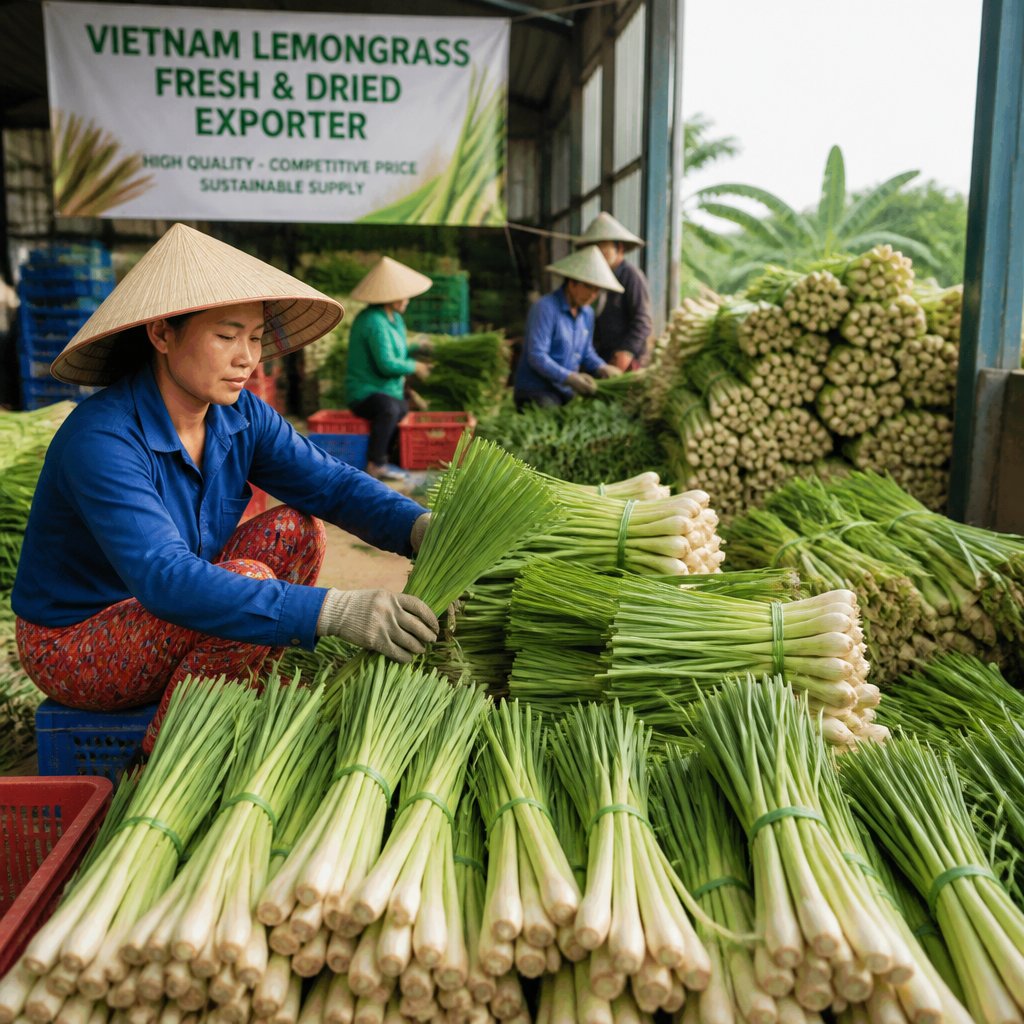
Fresh lemongrass is typically processed using techniques that preserve its natural aroma and flavor. Common methods include cleaning, trimming, and grading. Cleaning involves the removal of dirt and external impurities, ensuring the stalks are pristine. Trimming is essential to eliminate the tough outer layers, leaving the tender, aromatic core. Grading then sorts the lemongrass based on size and quality, which is vital for standardizing the product for export.
Processing Methods for Dried Lemongrass
For dried lemongrass, the process is more intricate. It begins with cutting and slicing the fresh stalks into uniform pieces. These pieces are then subjected to dehydration, usually through sun drying or mechanical drying methods. Sun drying is a traditional method that utilizes natural sunlight, while mechanical drying employs controlled heat to ensure consistent moisture removal. This step is crucial as it significantly reduces the moisture content, thereby extending the shelf life and preserving the flavor profile.
Technological Advancements in Processing
Recent technological advancements have revolutionized lemongrass processing. Techniques such as freeze-drying and vacuum drying have gained popularity due to their efficiency in preserving the essential oils and aromatic compounds. Freeze-drying, in particular, involves freezing the lemongrass and then reducing the surrounding pressure to allow the frozen water to sublimate directly from the solid to the gas phase. This method is highly effective in retaining the natural taste and aroma.
Impact of Processing on Lemongrass Quality
Processing significantly influences lemongrass quality. Proper methods ensure the retention of its distinctive aroma and flavor, vital for culinary and medicinal uses. Moreover, effective drying techniques reduce moisture content, minimizing microbial growth risks and enhancing safety and longevity. This is crucial for exporters like Vietnam Lemongrass Exporter, who must meet international quality standards.
"Effective processing methods are the backbone of maintaining the integrity and quality of lemongrass, ensuring that it meets the high standards expected in global markets."
Applications of Lemongrass
Lemongrass, a staple in Southeast Asian cuisine and traditional medicine, has found diverse applications across various industries, making it a valuable export product for Vietnam Lemongrass Exporter. Its versatility and beneficial properties have paved the way for its widespread use.
Culinary Uses of Lemongrass
Lemongrass is renowned for its distinctive citrusy flavor, which enhances a wide array of dishes. It is commonly used in soups, curries, and teas, particularly in Thai, Vietnamese, and Indonesian cuisines. The herb's ability to balance flavors makes it an essential ingredient in dishes like Tom Yum soup and Vietnamese lemongrass chicken. Its popularity in culinary applications not only highlights its flavor-enhancing qualities but also underscores its role in promoting healthier eating habits due to its low-calorie content and digestive benefits.
Lemongrass in Traditional Medicine
For centuries, lemongrass has been a cornerstone in traditional medicine, particularly in Asian cultures. It is traditionally used to treat digestive issues, reduce fever, and relieve pain due to its anti-inflammatory and antimicrobial properties. In Ayurvedic medicine, lemongrass is believed to aid in detoxification and boost immunity. The herb's medicinal applications continue to be relevant today, as modern research supports its efficacy in these traditional uses.
Industrial Applications of Lemongrass Oil
Lemongrass oil, extracted from the plant, is a valuable commodity in various industrial sectors. It is extensively used in the production of cosmetics and personal care products, such as soaps, perfumes, and deodorants, due to its aromatic and antibacterial properties. Additionally, lemongrass oil serves as a natural insect repellent, making it a popular choice for eco-friendly pest control solutions. The oil's versatility extends to its use in aromatherapy, where it is valued for its stress-relieving and mood-enhancing effects.
Emerging Applications in Various Industries
Beyond its traditional uses, lemongrass is finding new applications in emerging industries. In the food and beverage sector, it is being explored as a natural preservative due to its antimicrobial properties, which can extend the shelf life of products without synthetic additives. The pharmaceutical industry is also investigating lemongrass compounds for their potential in developing new therapeutic agents. Furthermore, the sustainable packaging industry is looking into lemongrass fibers as an eco-friendly alternative to synthetic materials. These emerging applications highlight lemongrass's potential to contribute to innovation and sustainability across multiple sectors.
Export Options for Lemongrass
Vietnam has emerged as a significant player in the global lemongrass market, with its exports reaching numerous countries worldwide. The major export markets for Vietnamese lemongrass include the United States, European Union countries, Japan, and South Korea. These regions are known for their high demand for both fresh and dried lemongrass due to its culinary and medicinal uses.
However, entering and maintaining a presence in these markets requires adherence to strict export regulations and standards. The European Union, for example, has stringent regulations regarding pesticide residues, which necessitate rigorous quality control measures in Vietnam. Similarly, the United States requires compliance with the Food Safety Modernization Act (FSMA), which aims to ensure the safety of imported food products.
Despite the opportunities, exporting lemongrass is not without its challenges. One of the primary challenges in lemongrass export is the fluctuation in international demand, which can be influenced by seasonal changes and economic conditions in importing countries. Additionally, competition from other major lemongrass-producing countries like India and Thailand adds pressure on Vietnamese exporters to maintain competitive pricing and quality.
To overcome these challenges and expand their market reach, Vietnamese exporters are adopting several strategies for expanding export markets:
- ✅ Diversification of Markets: By exploring emerging markets in regions such as the Middle East and Africa, exporters can reduce dependency on traditional markets and tap into new consumer bases.
- ✅ Investment in Quality Assurance: Implementing advanced quality control systems helps meet international standards and build trust with foreign buyers.
- ✅ Brand Building: Developing strong brand identities can help differentiate Vietnamese lemongrass products in the global market, emphasizing their unique qualities and origins.
- ✅ Partnerships and Collaborations: Forming strategic alliances with foreign distributors and retailers can facilitate market entry and expansion, providing valuable insights into consumer preferences and trends.
These strategies enhance Vietnam's position as a leading lemongrass exporter and contribute to the sustainable growth of the agricultural sector. As global demand for lemongrass rises, Vietnam's proactive approach in addressing export challenges and leveraging opportunities will be crucial for long-term success.







