
Discover the exquisite flavors of Vietnam Jasmine Tea, a top choice among exporters, celebrated for its aromatic richness and cultural significance.
Jasmine tea's allure goes beyond its delicate flavor profile, weaving a rich tapestry of cultural and historical significance. As a staple in the world of tea, it has captured the hearts of enthusiasts globally, becoming a beloved choice for both casual drinkers and connoisseurs. Its popularity is not merely a fleeting trend; it is deeply rooted in the traditions and daily lives of many, especially in Vietnam, where the art of jasmine tea preparation has been honed over centuries.
Jasmine tea is distinguished by its unique aroma and taste. The scenting process, a crucial step in its production, involves infusing the tea leaves with the fragrance of fresh jasmine flowers. This meticulous process imbues the tea with a distinctive floral aroma that is both soothing and invigorating, offering an unparalleled sensory experience. The taste is a harmonious blend of the subtle sweetness of jasmine and the robust flavor of the tea leaves, creating a balanced and refreshing cup that is both calming and revitalizing.
In Vietnam, jasmine tea holds a special place in the cultural landscape. It is more than just a beverage; it is a symbol of hospitality and a central element in social gatherings and ceremonies. The act of serving jasmine tea is a gesture of warmth and respect, reflecting the deep-seated cultural values of the Vietnamese people. This cultural significance has not only preserved the traditional methods of jasmine tea production but also elevated its status as a cherished export, with Vietnam emerging as a prominent jasmine tea exporter on the global stage.
Exploring Vietnam's Jasmine Tea Regions
Vietnam, a country known for its rich agricultural heritage, boasts several prominent regions renowned for producing high-quality jasmine tea. Among these, the provinces of Thai Nguyen, Lam Dong, and Son La stand out as major contributors to Vietnam's jasmine tea industry. Each of these regions offers unique climatic conditions that are ideal for cultivating jasmine tea, contributing to the distinct flavors and aromas that Vietnam jasmine tea exporters are known for.
Thai Nguyen, often referred to as the "capital of tea" in Vietnam, benefits from a temperate climate with moderate rainfall and rich soil, creating perfect growing conditions for tea plants. Similarly, Lam Dong, located in the central highlands, provides a cooler climate and higher altitude, which are conducive to the growth of jasmine tea with a delicate fragrance and flavor. Son La, with its diverse topography, also offers varied microclimates that enhance the quality of the tea produced there.
The historical context of jasmine tea in Vietnam dates back to the early 20th century when French colonizers introduced tea cultivation to the region. Over the decades, Vietnamese farmers have honed their skills in tea cultivation and scenting, integrating traditional methods with local expertise. This historical evolution has not only shaped the quality of jasmine tea but also embedded it deeply into the cultural fabric of Vietnam.
Understanding these regions and their unique contributions provides valuable insight into why Vietnamese jasmine tea is so highly regarded worldwide. The combination of ideal climatic conditions and a rich historical background has allowed Vietnam to emerge as a significant player in the global jasmine tea market.
The Intricate Scenting Process
Scenting jasmine tea is a meticulous art that significantly influences the quality and aroma of the final product. Historically, traditional scenting methods have dominated the industry, especially in Vietnam, where jasmine tea holds cultural significance. These methods involve layering fresh jasmine blossoms with tea leaves, typically overnight, to allow the tea to absorb the natural fragrance. This process can be repeated multiple times, with premium teas undergoing as many as seven scenting cycles, each enhancing the depth of aroma.
In recent years, modern advancements in scenting have introduced innovative techniques that complement traditional methods. These include controlled temperature and humidity environments that optimize the absorption of jasmine fragrance, ensuring consistency and enhancing the aromatic profile of the tea. Such advancements not only streamline the production process but also allow for the creation of new flavor profiles that appeal to a broader audience.
The impact of these scenting processes on tea quality and aroma cannot be understated. High-quality jasmine tea, as produced by leading Vietnam Jasmine Tea Exporters, boasts a harmonious balance of floral notes and tea flavor, a direct result of meticulous scenting. The scenting process ensures that the tea not only retains its fragrance but also enhances its taste, making it a sought-after product in international markets.
"The delicate balance achieved through traditional and modern scenting methods is what sets Vietnamese jasmine tea apart," notes a tea connoisseur from the region.
In essence, the intricate scenting process is a testament to the craftsmanship and innovation that define Vietnam's jasmine tea industry, ensuring that each cup delivers an exceptional sensory experience.
Decoding Jasmine Tea Grades
When it comes to jasmine tea, the grading system is pivotal in determining the quality, aroma, and taste of the tea. Understanding these grades can greatly enhance one's appreciation and selection of jasmine tea, especially when dealing with a Vietnam Jasmine Tea Exporter.
The classification of jasmine tea grades is generally based on the quality of the tea leaves and the scenting process. These grades include:
- Imperial Grade: This is the highest quality, often made from the youngest tea buds. It features a delicate aroma and a sweet, floral taste. The leaves are carefully hand-picked and meticulously scented, resulting in a refined and elegant tea experience.
- Special Grade: Slightly lower than Imperial, this grade still offers a high-quality experience. The aroma is robust, and the taste is full-bodied with a hint of sweetness. The leaves are less tender than those in the Imperial grade but still maintain a high level of quality.
- Standard Grade: This is the most common grade available commercially. It provides a balanced aroma and taste, suitable for everyday consumption. The leaves are more mature, and the scenting process is less intensive compared to higher grades.
The influence of these grades on the aroma and taste is significant. Higher-grade jasmine teas, such as the Imperial and Special grades, offer a more pronounced fragrance and a smoother taste profile. In contrast, the Standard grade, while still enjoyable, may have a slightly less complex aroma and flavor, making it ideal for casual tea drinkers.
"The grade of jasmine tea not only affects its price but also the overall sensory experience it provides," notes a representative from a leading Vietnamese tea exporter.
Choosing the right grade depends on the occasion and personal preference. For connoisseurs seeking an exquisite experience, the Imperial grade is unmatched, while the Standard grade offers an accessible entry point for those new to jasmine tea.
Preserving Quality through Packaging
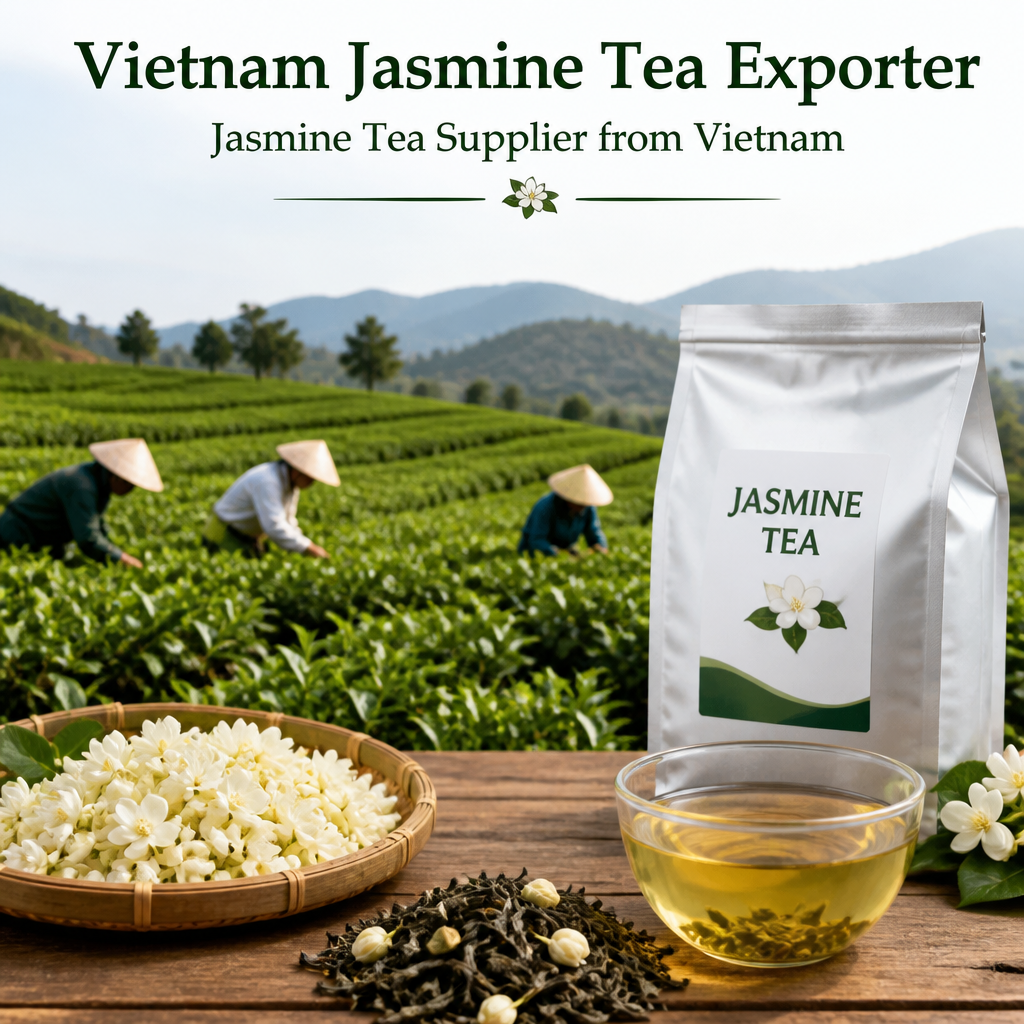
Packaging plays a crucial role in maintaining the delicate fragrance of jasmine tea, a key selling point for any Vietnam Jasmine Tea Exporter. The aromatic quality of jasmine tea distinguishes it from other teas, and improper packaging can lead to the loss of this essential characteristic. Therefore, attention to packaging is not merely an afterthought but an integral part of the product's overall quality.
When selecting materials and designing packaging for jasmine tea, several factors must be considered. The packaging must be airtight to prevent the aroma from escaping and protect the tea from moisture and light, which can degrade its quality. Materials such as aluminum foil and multi-layered plastic are often used due to their superior barrier properties. Additionally, the design should be both functional and aesthetically pleasing, reflecting the cultural heritage and premium nature of the product.
Innovations in packaging have further enhanced the ability to preserve jasmine tea's fragrance. For instance, some companies have adopted vacuum-sealing techniques, which significantly extend the shelf life of the tea by removing air from the packaging. Another innovation is the use of resealable pouches that allow for easy access while maintaining the tea's freshness. These advancements not only help in preserving the quality of the tea but also enhance the consumer's experience by ensuring that each brew is as fragrant as the first.
"Packaging is the silent ambassador of your brand, ensuring that the first impression is a lasting one."
By prioritizing these aspects of packaging, Vietnamese jasmine tea suppliers can ensure that their products reach consumers in optimal condition, maintaining their reputation for quality and authenticity in the global market.
Understanding Minimum Order Quantity (MOQ)
For international buyers interested in acquiring jasmine tea from Vietnam, understanding the concept of Minimum Order Quantity (MOQ) is crucial. Typically, the MOQ for jasmine tea exports can range from 100 to 500 kilograms, depending on the supplier and the specific requirements of the buyer. This range is often determined by the logistical and production capabilities of the exporter, as well as the demand in the target market.
Several factors influence the MOQ in jasmine tea export. Firstly, the scale of production plays a significant role; larger producers like Vietnam Jasmine Tea Exporter can offer lower MOQs due to their extensive production capacity. Secondly, the cost of packaging and shipping also impacts MOQ, as smaller quantities may not justify the expenses involved. Additionally, the quality and grade of the tea can affect the MOQ, with higher-grade teas often requiring larger orders to ensure profitability.
For smaller buyers, meeting the MOQ can be challenging, but there are strategies to navigate this hurdle. One effective approach is to collaborate with other small buyers to place a combined order that meets the MOQ. Another strategy is to negotiate with suppliers for a trial order, which allows buyers to test the market with a smaller quantity before committing to larger volumes. Additionally, exploring options for flexible payment terms or seasonal discounts can also help smaller buyers manage the financial aspects of meeting the MOQ.
Understanding and negotiating MOQs effectively can open doors for smaller buyers to access high-quality jasmine tea from Vietnam, allowing them to compete in the international market while benefiting from the unique qualities of Vietnamese jasmine tea.
Vietnamese Jasmine Tea Supply Capacity
Vietnam has established itself as a significant player in the global jasmine tea market, thanks to its robust supply capacity. Vietnamese exporters are known for their ability to meet substantial international demands, leveraging both the country's rich agricultural resources and skilled labor force. The supply capacity of Vietnamese jasmine tea exporters is bolstered by the expansive tea plantations spread across regions like the Northern Highlands and the Central Highlands, which are ideal for jasmine tea cultivation due to their favorable climatic conditions.
However, the supply of jasmine tea is not without its challenges. One notable factor is the seasonal variations in supply. The jasmine flower, essential for the scenting process, blooms primarily in the warmer months. This seasonality can lead to fluctuations in the availability of jasmine tea, impacting both domestic and international markets. Exporters must therefore strategically plan their production and inventory to ensure a steady supply throughout the year, mitigating the risks associated with seasonal shortages.
In terms of export volumes, Vietnam has seen a consistent increase, reflecting the growing international demand for its jasmine tea. Over the past decade, there has been a notable upward trend in exports, with key markets including the United States, China, and various European countries. This surge in demand is driven by the global appreciation for the unique aroma and taste profile of Vietnamese jasmine tea, as well as its competitive pricing compared to other international suppliers.
"Vietnam's jasmine tea exports have grown by an average of 15% annually over the past five years, highlighting the country's increasing significance in the global tea market."
Understanding these dynamics is crucial for any potential buyer or investor looking into the Vietnamese jasmine tea market. The ability of Vietnam to adapt to seasonal variations and capitalize on international demand trends makes it a reliable and attractive source for jasmine tea.
The Global Appeal of Vietnamese Jasmine Tea
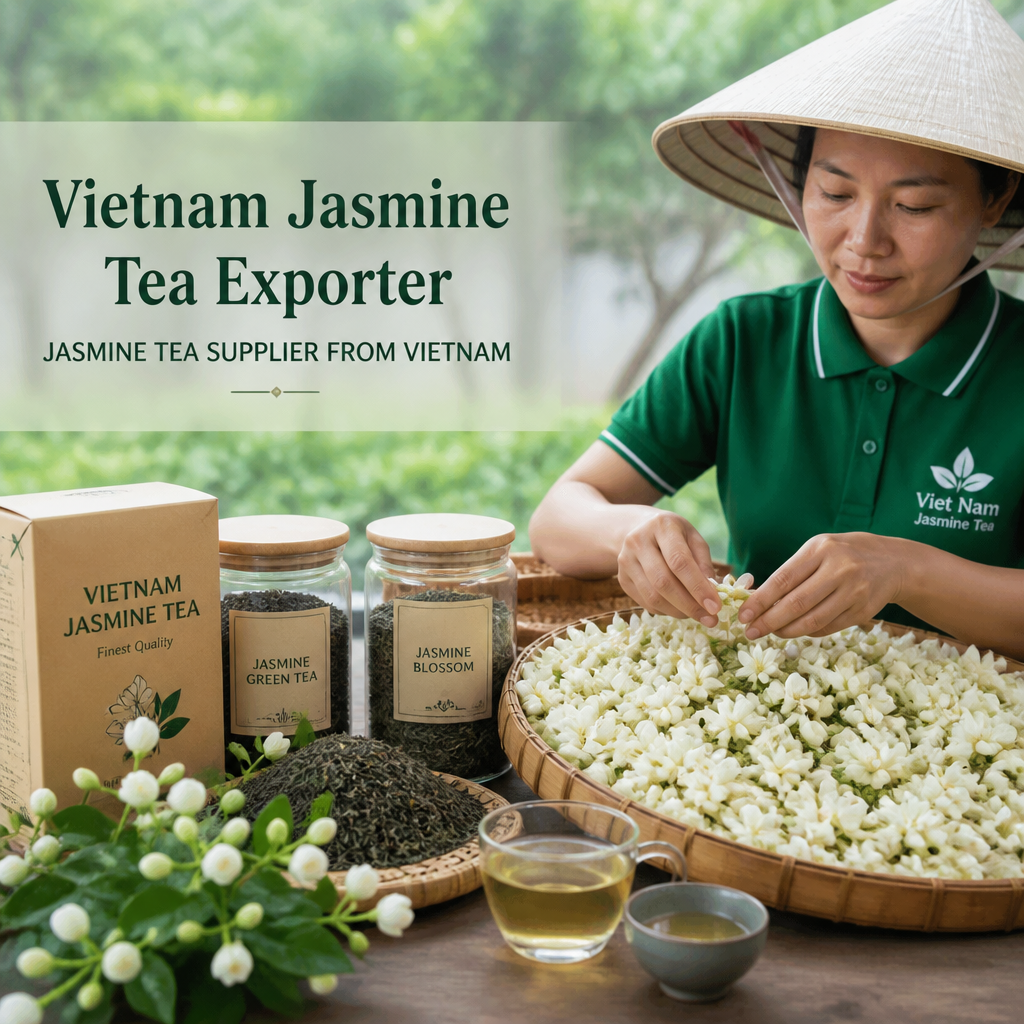
Vietnamese jasmine tea has captured the attention of international markets, driven by evolving consumer preferences and a growing demand for unique and high-quality tea products. As global tea enthusiasts seek out distinctive flavors, the allure of jasmine tea, with its delicate aroma and soothing taste, continues to rise. This trend is particularly noticeable in countries like the United States and European nations, where consumers are increasingly drawn to the health benefits and exotic appeal of jasmine-infused beverages.
Vietnam stands out as a prominent Vietnam Jasmine Tea Exporter due to several competitive advantages. Firstly, Vietnam's geographical and climatic conditions are ideal for cultivating jasmine tea, resulting in a product that boasts superior quality and aromatic richness. The traditional scenting methods employed by Vietnamese producers further enhance the tea's fragrance, setting it apart from competitors. Additionally, the cost-effectiveness of Vietnamese jasmine tea, compared to offerings from other countries, makes it an attractive option for international buyers seeking both quality and value.
Testimonials from global buyers highlight the exceptional quality and competitive pricing of Vietnamese jasmine tea. For instance, a tea importer from Germany noted, "The Vietnamese jasmine tea we source is consistently praised by our customers for its exquisite aroma and flavor, making it a staple in our product line." Such endorsements underscore the growing reputation of Vietnamese jasmine tea in the global market.
"The Vietnamese jasmine tea we source is consistently praised by our customers for its exquisite aroma and flavor, making it a staple in our product line." - German Tea Importer
As the demand for jasmine tea continues to expand, Vietnam's role as a key supplier is solidified by its ability to meet international standards and cater to diverse consumer preferences. This positions Vietnam as a vital player in the global tea industry, with its jasmine tea offerings increasingly sought after by discerning tea lovers worldwide.
Taking the Next Step: How to Engage with Vietnamese Suppliers
As you consider delving into the world of Vietnamese jasmine tea, making the right connections with suppliers is crucial. Initiating contact with exporters requires a strategic approach to ensure a fruitful partnership. Start by researching potential suppliers thoroughly, utilizing resources like the Vietnam Chamber of Commerce and Industry (VCCI) or platforms like Alibaba and Global Sources, which list verified exporters.
- 💡 Initial Communication: Craft a concise and professional introduction email. Clearly state your interest in Vietnamese jasmine tea, specify your requirements, and inquire about their product offerings and pricing.
- 💡 Verification: Verify the credibility of the supplier. Check for certifications like ISO or HACCP, which indicate adherence to international quality standards.
- 💡 Sample Requests: Request samples to evaluate the quality, aroma, and taste of the jasmine tea before committing to large orders.
When choosing a supplier, several key considerations can guide your decision. Evaluate the supplier's production capacity and ensure they can meet your demand consistently. Seasonal variations in supply can affect availability, so discuss potential fluctuations with the supplier to avoid disruptions. Additionally, consider their export experience and reputation in international markets.
It's also crucial to understand the supplier's Minimum Order Quantity (MOQ) requirements. Some exporters may offer flexible MOQs for smaller buyers, allowing you to test the market without significant initial investment. Negotiating terms that align with your business needs can facilitate a successful partnership.
"Vietnam Jasmine Tea Exporter offers a unique blend of quality and cultural richness that appeals to global markets, making it a worthwhile exploration for tea enthusiasts and businesses alike."
Finally, immerse yourself in the diverse offerings of Vietnamese jasmine tea. From the fragrant hills of Northern Vietnam to the lush plantations in the South, each region presents unique characteristics in their jasmine tea. Exploring these options not only enriches your product line but also connects you with a rich cultural heritage.







