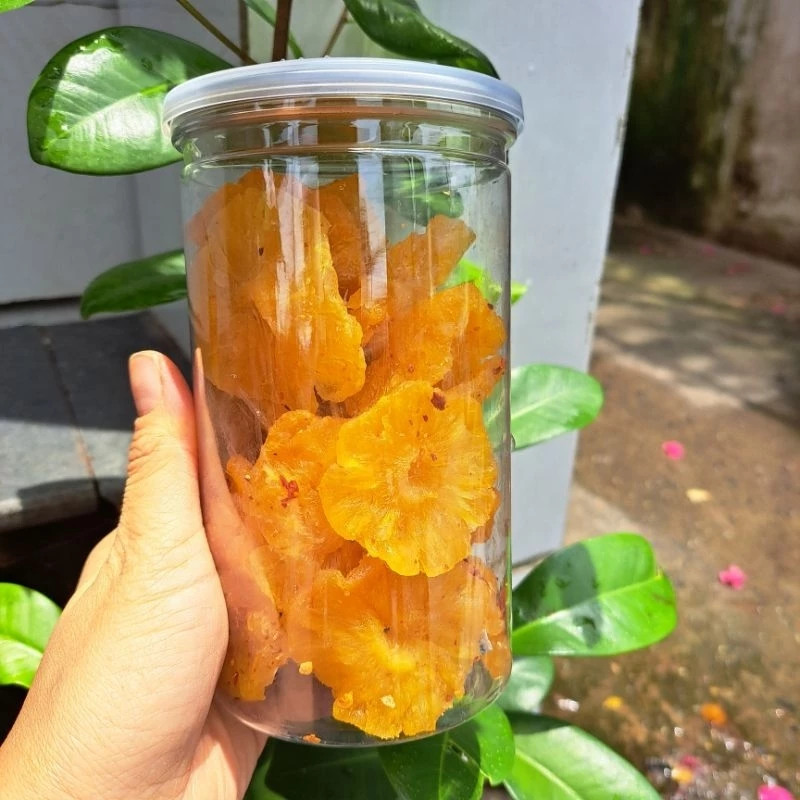
Discover the diverse offerings of Vietnam Jackfruit Exporter, featuring fresh, frozen, and dried jackfruit that cater to various consumer preferences and culinary uses.
When exploring the diverse offerings of Vietnam Jackfruit Exporter, one cannot overlook the various forms in which jackfruit is supplied. Each form—fresh, frozen, and dried—caters to different consumer needs and market demands, showcasing the versatility and adaptability of this tropical fruit.
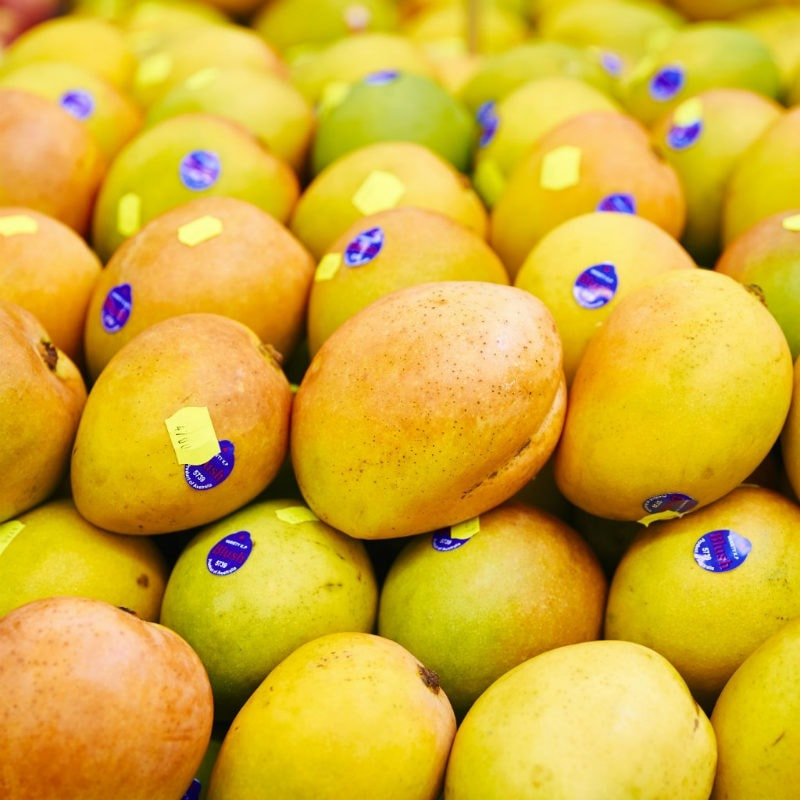
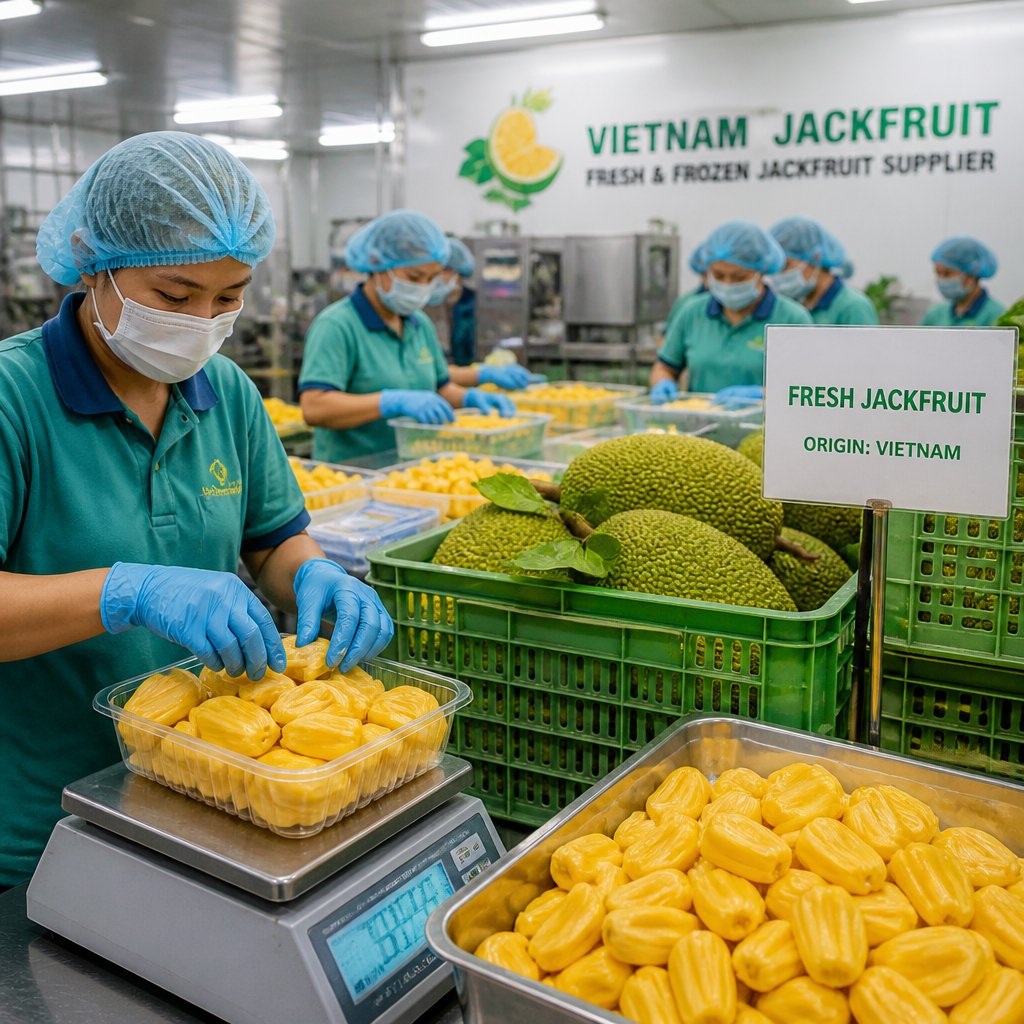
Fresh jackfruit is the most traditional form and is highly sought after for its natural taste and texture. It is typically harvested at optimal ripeness to ensure the best flavor and nutritional value. Fresh jackfruit is ideal for immediate consumption or culinary use in dishes such as salads and curries, where its unique flavor can truly shine.
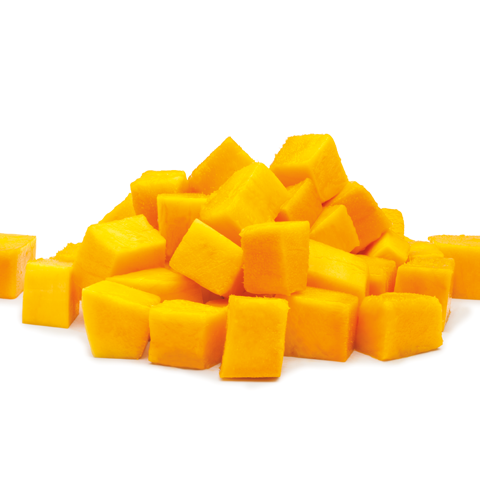
Frozen jackfruit, on the other hand, offers the advantage of extended shelf life without compromising on taste and nutritional benefits. The freezing process locks in the fruit's natural sweetness and nutritional content, making it a convenient option for consumers who wish to enjoy jackfruit year-round. This form is particularly popular in regions where fresh jackfruit is not readily available, allowing for broader distribution and accessibility.
Dried jackfruit presents yet another dimension of versatility. It is an excellent snack option, providing a chewy texture and concentrated flavor. The drying process not only enhances the fruit's natural sweetness but also makes it lightweight and easy to transport. This makes dried jackfruit a favorite among health-conscious consumers looking for a nutritious, on-the-go snack.
The diverse forms of jackfruit—fresh, frozen, and dried—each present distinct advantages tailored to various consumer preferences and market demands. Offering these options allows Vietnam Jackfruit Exporter to effectively meet a broad spectrum of needs, thereby increasing their attractiveness in international markets.
Characteristics of Jackfruit
Jackfruit, a tropical fruit known for its distinctive taste and versatility, exhibits a variety of characteristics that make it appealing to both consumers and exporters. Understanding these characteristics is crucial for any Vietnam Jackfruit Exporter aiming to meet diverse market needs.
- ✅ Size Variations: Jackfruit can vary significantly in size, ranging from small fruits weighing around 10 pounds to large ones reaching up to 100 pounds. This wide range allows exporters to cater to different market segments, from individual consumers to bulk buyers such as restaurants and food manufacturers.
- ✅ Ripeness Levels: The fruit is harvested at various stages of ripeness, depending on its intended use. Unripe jackfruit, often used as a meat substitute in vegetarian dishes, has a neutral taste and a fibrous texture, making it an excellent ingredient for savory recipes. In contrast, ripe jackfruit is sweet, aromatic, and suitable for desserts, making it popular in both fresh and processed forms.
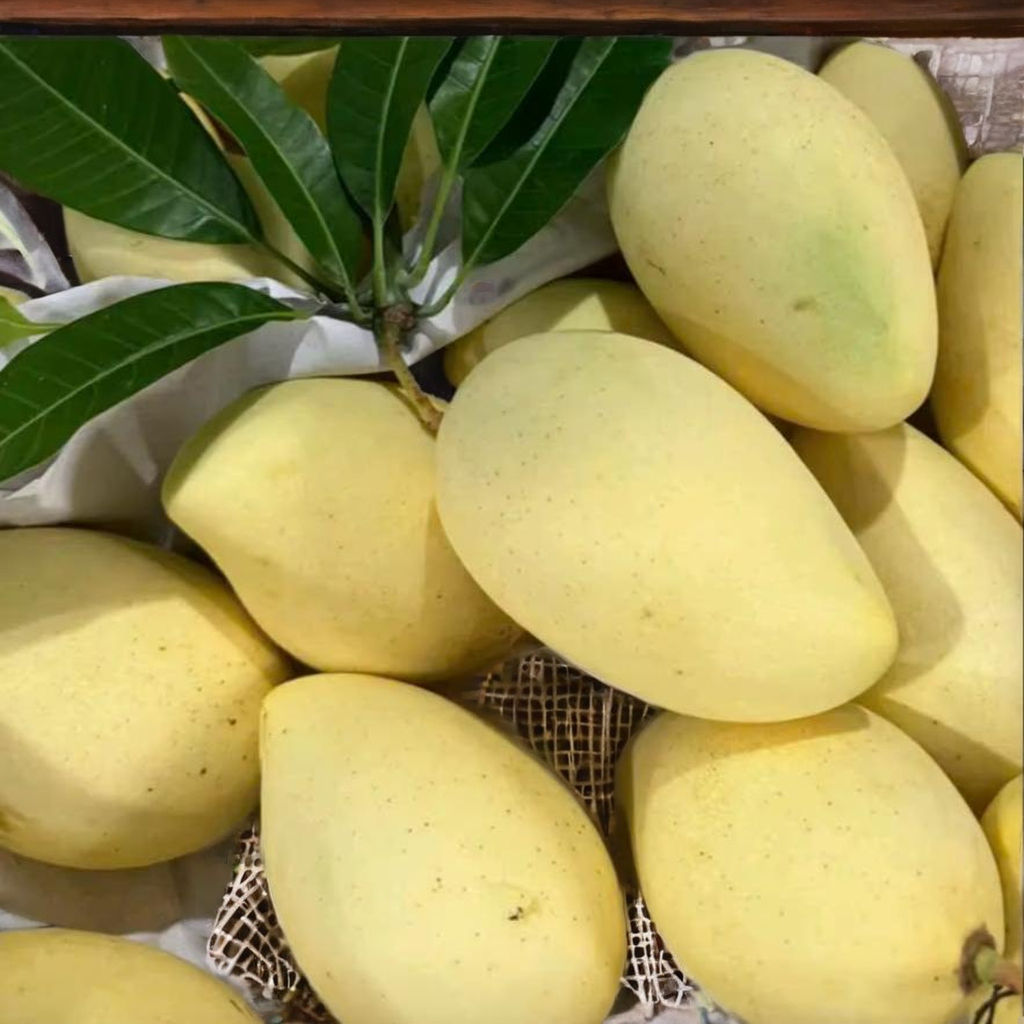
- ✅ Color Differences: The color of jackfruit can also indicate its ripeness and variety. Unripe jackfruit typically has a green skin, which turns yellow or brown as it ripens. The flesh inside can range from pale yellow to deep orange, with the latter often being sweeter and more flavorful. These color variations not only affect the fruit's taste and texture but also its visual appeal, which is an important factor for consumers.
By understanding these characteristics, exporters can better tailor their products to meet the specific demands of different markets, enhancing their competitive edge in the global market. This knowledge ensures that they can supply the right type of jackfruit, whether fresh, frozen, or dried, to suit varying culinary and consumer preferences.
Packaging Methods
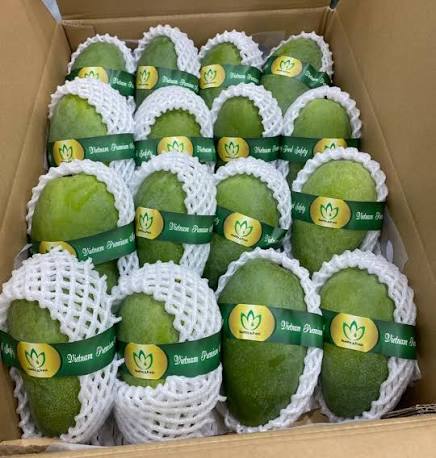
In the realm of jackfruit exports, particularly for Vietnam Jackfruit Exporter, the packaging methods employed are pivotal in maintaining the quality and extending the shelf life of both fresh and frozen jackfruit products. The choice of packaging not only influences the preservation of the fruit but also impacts its appeal in international markets.
Types of Packaging
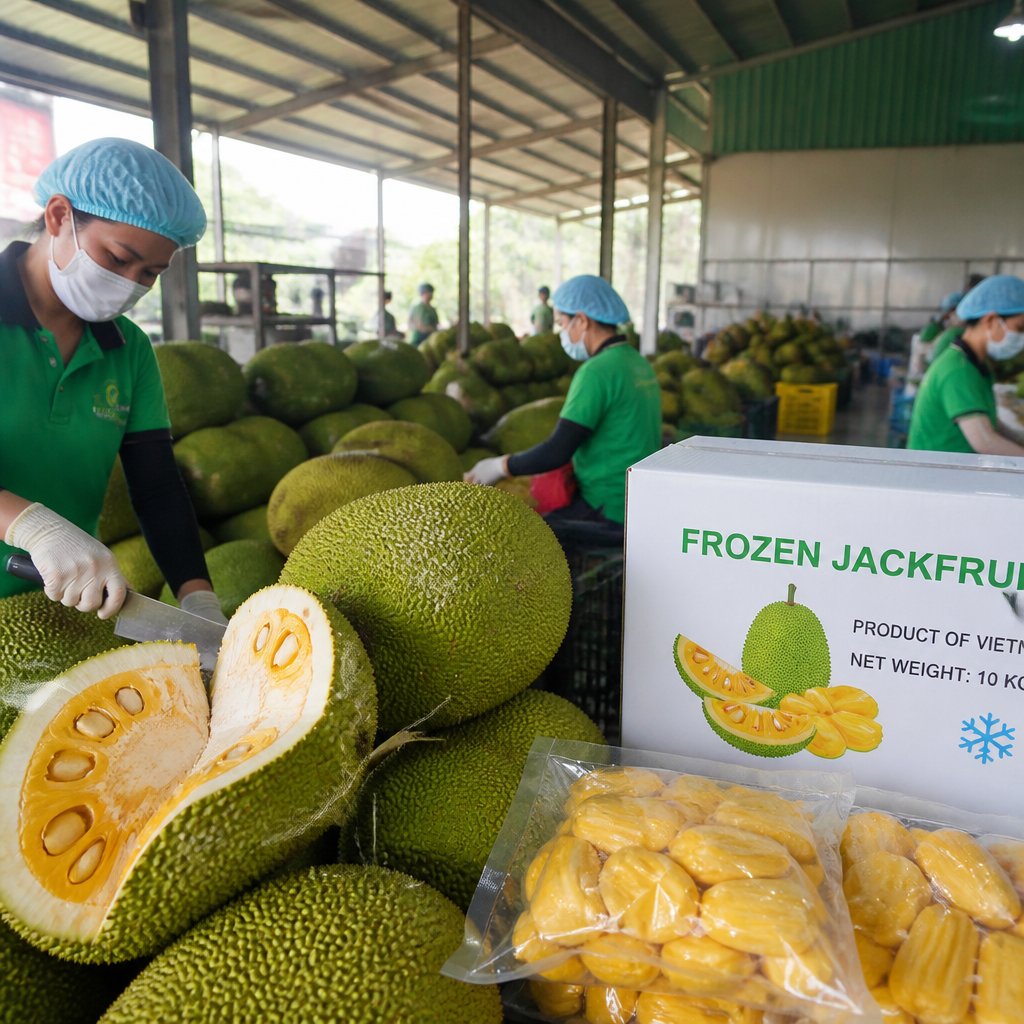
- ✅ Vacuum Sealing: This method is commonly used for frozen jackfruit. By removing air before sealing, it minimizes oxidation and prevents freezer burn, thereby maintaining the fruit's texture and flavor over extended periods.
- ✅ Modified Atmosphere Packaging (MAP): For fresh jackfruit, MAP is employed to regulate the gas composition within the packaging. This technique slows down the ripening process, ensuring the fruit remains fresh during transit and storage.
- ✅ Polyethylene Bags: Often used for both fresh and dried jackfruit, these bags provide a simple yet effective barrier against moisture and contaminants, crucial for maintaining quality.
Preservation Techniques
Preservation techniques are integral to the packaging process, ensuring that the jackfruit retains its nutritional value and taste from farm to table. Techniques such as blast freezing are utilized for frozen jackfruit, rapidly lowering the temperature to preserve the fruit's cell structure. For fresh jackfruit, temperature-controlled storage is essential, often in conjunction with MAP, to maintain the optimal environment that inhibits spoilage.
Impact on Quality
"The packaging methods used by Vietnam Jackfruit Exporter significantly enhance the quality and longevity of their products, making them competitive in the global market."
These packaging methods greatly influence the quality of jackfruit. Vacuum sealing and MAP effectively maintain the fruit's natural sweetness and texture while extending its shelf life, which is crucial for international shipping. The use of advanced preservation techniques ensures that consumers receive a product that is as close to fresh as possible, whether it's in the form of frozen chunks or fresh slices.
Cold-Chain Logistics
Cold-chain logistics plays a pivotal role in the export of jackfruit from Vietnam, ensuring that the fruit retains its quality from the farm to the international market. The significance of this logistics system cannot be overstated, as it directly impacts the freshness and safety of the jackfruit, thereby influencing consumer satisfaction and market competitiveness.
The processes involved in cold-chain logistics are multifaceted and require meticulous coordination. Initially, the harvested jackfruit is rapidly cooled to halt spoilage and maintain its nutritional value. This step is crucial because jackfruit, being a tropical fruit, is highly perishable. Subsequently, the fruit is stored in temperature-controlled environments, typically ranging from 7°C to 13°C, which is optimal for preserving its texture and flavor. During transportation, refrigerated trucks equipped with advanced monitoring systems ensure that the temperature remains consistent, preventing any compromise in quality.
However, the implementation of cold-chain logistics is not without its challenges. One primary challenge is the significant cost associated with maintaining the necessary infrastructure, such as refrigeration units and specialized transport vehicles. Additionally, there are logistical hurdles, including potential delays in transportation that can disrupt the temperature control and lead to spoilage.
"According to a report by the Vietnam Logistics Business Association, inadequate infrastructure and high operational costs are among the major barriers to effective cold-chain logistics in the country."
To address these challenges, innovative solutions have been developed. For instance, Vietnam Jackfruit Exporter has invested in state-of-the-art refrigeration technology that minimizes energy consumption while maximizing cooling efficiency. Furthermore, strategic partnerships with logistics companies have been established to enhance the reliability of transportation networks, ensuring timely delivery even during peak demand periods.
A robust cold-chain system offers numerous benefits, such as preserving the quality of jackfruit and extending its shelf life, thus enhancing its appeal in international markets. This, in turn, enhances the reputation of Vietnam as a reliable supplier of fresh and frozen jackfruit, thereby opening up new export opportunities and contributing to the growth of the agricultural sector.
Bulk Supply Options
For businesses seeking to optimize their supply chain and reduce costs, bulk supply options from Vietnam Jackfruit Exporter present a compelling choice. The advantages of bulk supply are manifold, offering significant benefits to various market segments.
- 💡 Cost-effectiveness: Purchasing jackfruit in bulk significantly reduces the per-unit cost, making it a financially savvy option for businesses. This cost reduction is particularly beneficial for large-scale distributors and retailers who can pass on these savings to their customers, thereby enhancing their competitive edge in the market.
- ✅ Suitability for Different Markets: Bulk supply caters to diverse market needs, from local grocery chains to international food distributors. For instance, in markets where jackfruit is a staple, such as in Southeast Asia, bulk supply ensures consistent availability. In contrast, in Western markets where jackfruit is gaining popularity as a plant-based alternative, bulk options allow for efficient distribution to meet growing demand.
"The bulk supply model not only reduces costs but also ensures that businesses can efficiently meet the demands of various markets," said a representative from Vietnam Jackfruit Exporter.
Overall, the bulk supply options from Vietnam Jackfruit Exporter offer a strategic advantage for companies looking to enhance their market presence while maintaining cost efficiency. By leveraging these options, businesses can ensure a steady supply of high-quality jackfruit, catering to both traditional and emerging markets.
Advantages of Jackfruit Forms
Jackfruit, a staple in many Southeast Asian cuisines, is available in various forms that cater to diverse consumer needs. Each form—fresh, frozen, and dried—offers distinct advantages, making them attractive to different markets and culinary uses.
- 💪 Nutritional Benefits: Jackfruit is a powerhouse of nutrients, providing a good source of vitamins A and C, fiber, and antioxidants. These nutrients are essential for maintaining a healthy immune system, aiding digestion, and combating oxidative stress. The nutritional profile remains largely intact in both frozen and dried forms, offering health-conscious consumers a convenient way to incorporate these benefits into their diets all year round.
- 🍽️ Versatility in Culinary Use: Jackfruit is incredibly versatile in the kitchen. Fresh jackfruit can be used in salads, curries, and desserts, while its unripe version is often used as a meat substitute in vegan dishes. Frozen jackfruit maintains its texture and flavor, making it suitable for smoothies and cooked dishes alike. Dried jackfruit, on the other hand, serves as a nutritious snack or can be rehydrated for use in various recipes, offering culinary flexibility for both home cooks and professional chefs.
- 🕒 Longer Shelf Life for Frozen and Dried: One of the significant advantages of frozen and dried jackfruit is their extended shelf life. While fresh jackfruit needs to be consumed relatively quickly to avoid spoilage, frozen jackfruit can be stored for up to a year without losing its quality. Dried jackfruit, due to its low moisture content, can last even longer, making it an excellent option for export and long-term storage. This extended shelf life not only reduces food waste but also ensures that jackfruit is available to consumers regardless of the season.
In summary, the various forms of jackfruit offered by Vietnam Jackfruit Exporter allow for a broad range of culinary uses while also providing significant nutritional benefits and practical advantages such as longer shelf life. These attributes make jackfruit a versatile and attractive option for consumers worldwide, enhancing its market potential and appeal.
Practical Benefits for Consumers
Consumers find significant convenience in the diverse forms of jackfruit offered by Vietnam Jackfruit Exporter. Whether seeking fresh, frozen, or dried jackfruit, each form meets different needs and preferences. Fresh jackfruit is ideal for immediate consumption and culinary use, offering a juicy texture and rich flavor. On the other hand, frozen jackfruit is perfect for those who prefer to store it for longer periods without compromising on taste and nutritional value. Dried jackfruit, with its chewy texture, is a convenient snack option that requires no preparation.
Another key benefit is the availability of jackfruit across seasons. Thanks to advanced preservation and storage techniques, consumers can enjoy jackfruit year-round, irrespective of its natural harvest season. This ensures that the fruit remains accessible and affordable, even when it's out of season in local markets.
Jackfruit's potential for diverse culinary applications is also noteworthy. It can be used in a variety of dishes, ranging from savory curries to sweet desserts. Its versatility makes it a popular choice among chefs and home cooks alike. For instance, young jackfruit is often used as a meat substitute in vegan and vegetarian recipes due to its texture and ability to absorb flavors. Meanwhile, ripe jackfruit can be incorporated into smoothies, ice creams, and baked goods, adding a unique tropical flavor.
"Vietnam Jackfruit Exporter's range of products ensures that consumers have access to high-quality jackfruit in any form they prefer, any time of the year."
Market Potential and Opportunities
As global dietary preferences shift towards healthier and more sustainable options, the demand for plant-based foods is experiencing a significant rise. This trend presents a substantial opportunity for the Vietnam Jackfruit Exporter to leverage its position as a key supplier of both fresh and frozen jackfruit. Jackfruit, with its versatility and nutritional benefits, fits perfectly into the plant-based movement, appealing to consumers seeking meat alternatives.
The export opportunities for Vietnamese jackfruit are expanding rapidly. Countries with large vegan and vegetarian populations, such as the United States, the United Kingdom, and Germany, are increasingly importing jackfruit to meet the growing consumer demand. The ability of Vietnam to produce jackfruit in various forms—fresh, frozen, and dried—provides a competitive edge, allowing exporters to cater to diverse market needs and preferences.
However, the path to capitalizing on these opportunities is not without challenges. One of the significant hurdles is identifying reliable exporters who can consistently meet international quality standards. This challenge underscores the importance of establishing strong partnerships and maintaining rigorous quality control processes. Exporters must ensure that their products adhere to the safety and quality regulations of the target markets to build trust and long-term relationships with international buyers.
"The global plant-based food market is projected to reach billion by 2027, with a compound annual growth rate (CAGR) of 11.9% from 2020 to 2027."
This projection highlights the immense potential for growth in the jackfruit export market. By strategically positioning themselves as reliable suppliers of high-quality jackfruit, Vietnamese exporters can not only tap into this growing market but also contribute to the global shift towards more sustainable food systems.