
Discover the excellence of Vietnam Instant Coffee Exporter, delivering high-quality instant coffee with unique flavors and innovative formulations to meet global demand.
The global coffee landscape is witnessing a remarkable transformation, driven by the surging popularity of instant coffee. This trend is not just a fleeting fad; it's a significant shift in consumer preferences worldwide. Instant coffee's appeal lies primarily in its convenience and time-saving benefits, catering to the fast-paced lifestyles of modern consumers. With a simple scoop and pour of hot water, coffee lovers can enjoy a quick caffeine fix without the need for brewing equipment or lengthy preparation time.
In addition, the market for instant coffee has experienced significant growth, especially in Asia and Europe. In Asia, rapid urbanization and rising disposable incomes have driven an increase in coffee consumption. Meanwhile, in Europe, instant coffee is becoming a staple due to its practicality and evolving consumer taste preferences for quick yet flavorful options. This growing market offers a lucrative opportunity for a Vietnam Instant Coffee Exporter, as Vietnam is well-positioned to capitalize on these trends with its strong coffee production capabilities and strategic geographical location.
Types of Instant Coffee
When exploring the world of instant coffee, two primary types stand out: spray-dried and freeze-dried coffee. Each offers unique characteristics catering to different consumer preferences and market needs.
- ⚡ Spray-Dried Coffee: This type of instant coffee is produced through a quick and efficient process, which involves spraying liquid coffee concentrate into a stream of hot air. The result is a fine powder that dissolves easily in water. One of the main advantages of spray-dried coffee is its lower production cost, making it an economical choice for many consumers and businesses. This cost-effectiveness is particularly important for large-scale coffee producers and suppliers, such as those in Vietnam, aiming to provide competitive pricing in the global market.
- 💡 Freeze-Dried Coffee: Known for preserving the coffee's natural flavor and aroma, freeze-dried coffee is considered a higher-quality option. The process involves freezing the coffee extract and then removing the ice through sublimation, resulting in a more robust and flavorful product. This method is more complex and costly, but it retains the essential oils and compounds that contribute to a superior taste experience, which discerning coffee drinkers often seek.
When comparing the two, taste and quality are the most significant differentiators. Spray-dried coffee, while economical, may lack the depth of flavor found in freeze-dried varieties. On the other hand, freeze-dried coffee, with its premium quality, often appeals to those who prioritize taste and are willing to invest more for a richer coffee experience. For a Vietnam Instant Coffee Exporter, offering both types allows them to cater to a broad spectrum of consumer preferences, from budget-conscious buyers to coffee aficionados seeking the best flavor profile.
The Production Process Unveiled
In the world of instant coffee manufacturing, understanding the production processes is crucial for appreciating the quality and diversity of the final product. Two primary methods dominate the industry: spray-drying and freeze-drying, each with its unique characteristics and technological advancements.
The spray-drying process is renowned for its efficiency and cost-effectiveness. This method involves spraying a fine mist of coffee extract into a chamber of hot air, where the droplets rapidly dry into a fine powder. The quick production time and lower costs make spray-dried coffee an attractive option for mass production, although it may sometimes compromise the depth of flavor compared to other methods.
On the other hand, the freeze-drying process is celebrated for its ability to preserve the rich aroma and flavor of the coffee. In this method, coffee extract is frozen and then placed under a vacuum. The ice within the extract sublimates, leaving behind coffee granules that retain much of the original flavor profile. While this process is more time-consuming and expensive, the resulting product is often considered of higher quality, catering to discerning coffee enthusiasts.
Technological advancements have played a pivotal role in refining these processes. Innovations in machinery and techniques have led to improved efficiency and quality in both spray-drying and freeze-drying. For instance, modern freeze-drying equipment is now capable of operating at lower temperatures, which helps in better flavor retention. Similarly, advancements in spray-drying technology have led to more uniform particle sizes and improved solubility, enhancing the overall consumer experience.
"The integration of cutting-edge technology in coffee production not only boosts efficiency but also elevates the quality, meeting the growing demands of global coffee aficionados."
As Vietnam continues to establish itself as a leading Vietnam Instant Coffee Exporter, these advancements ensure that its products remain competitive on the international stage, delivering both quality and value to consumers worldwide.
Formulations and Innovations
The dynamic landscape of the instant coffee industry is marked by a continuous evolution in formulations, catering to the ever-changing preferences of consumers. Vietnam Instant Coffee Exporters have been at the forefront of this innovation, offering a diverse range of formulations that appeal to a wide array of tastes and preferences.
One of the key strategies employed by these exporters is the inclusion of various flavors and additives. This approach not only enhances the taste profile of the coffee but also allows consumers to enjoy a personalized coffee experience. From classic vanilla and hazelnut to more exotic options like caramel and mocha, these flavors add a unique twist to the traditional coffee experience, making it more appealing to a broader audience.
Additionally, there is a growing trend towards health-focused formulations. Today's consumers are increasingly health-conscious, seeking products that align with their lifestyle choices. In response, manufacturers are developing instant coffee blends that incorporate natural ingredients and health-enhancing additives. These may include antioxidants, vitamins, and minerals, which not only boost the nutritional value of the coffee but also cater to the global wellness trend.
"The integration of health-focused ingredients in instant coffee formulations is a testament to the industry's commitment to meeting consumer demands for healthier options," says a leading expert in food technology.
By embracing such diverse and innovative formulations, Vietnam Instant Coffee Exporters are not only meeting the current market demands but are also setting new trends in the coffee industry. This adaptability and foresight ensure that they remain competitive and relevant in a rapidly evolving global market.
Packaging: More Than Just a Container
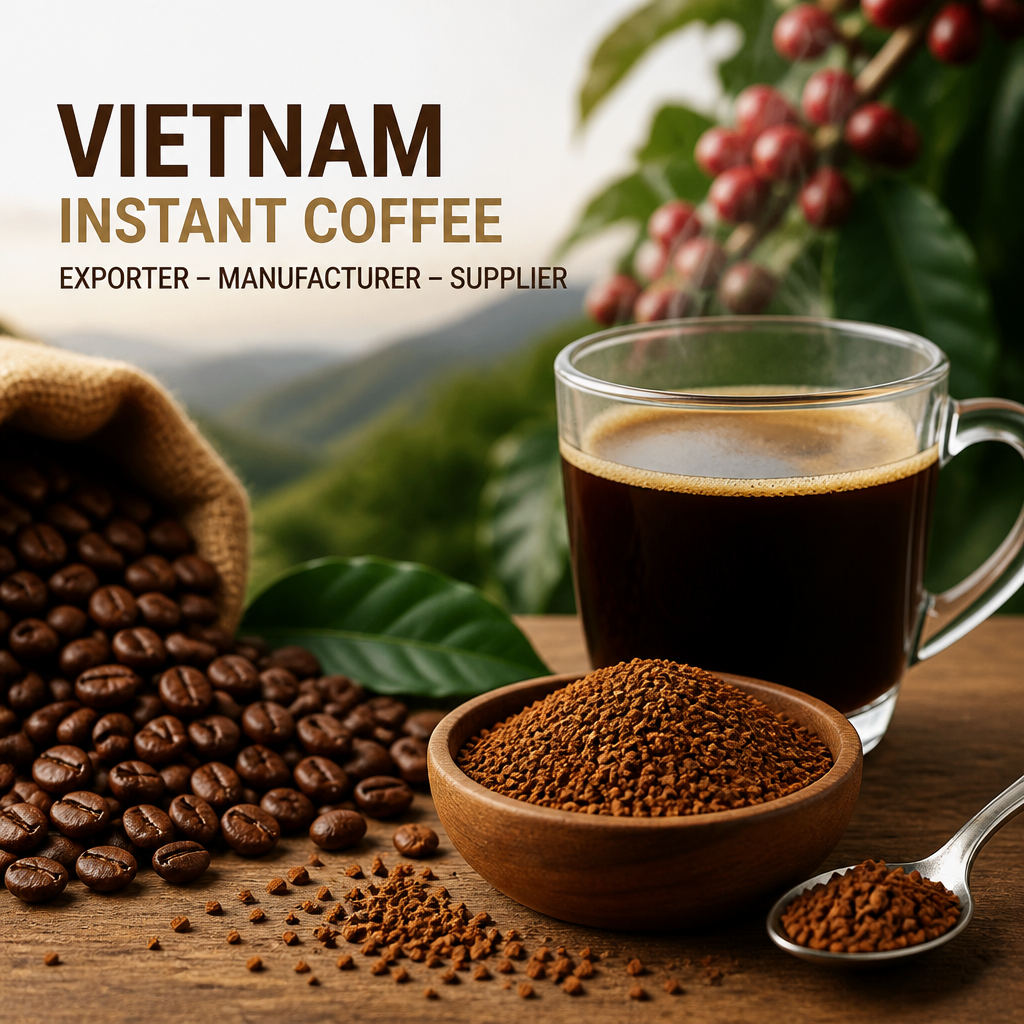
In the competitive landscape of instant coffee, packaging plays a pivotal role in attracting consumers and distinguishing products on crowded shelves. It's not merely a container but a vital component of the brand experience and consumer perception. The right packaging can significantly enhance the product's appeal, creating a lasting impression that influences purchasing decisions.
One of the key considerations in modern packaging is sustainability. As environmental concerns grow, consumers are increasingly drawn to brands that demonstrate eco-friendly practices. This has led to the rise of sustainable packaging options, such as biodegradable materials and recyclable packaging solutions. For instance, companies like Nestlé have committed to making their packaging 100% recyclable or reusable by 2025, setting a benchmark in the industry.
Innovation in packaging is another area where Vietnam Instant Coffee Exporters can make a mark. Innovative packaging solutions, such as single-serve sachets and resealable pouches, not only enhance convenience but also preserve the freshness and quality of the coffee. These innovations cater to the on-the-go lifestyle of modern consumers, offering them the flexibility and ease they seek.
Furthermore, smart packaging technologies are gaining traction. These include QR codes that provide consumers with detailed product information, and freshness indicators that assure them of the coffee's quality. Such advancements not only enhance the user experience but also build trust and brand loyalty.
"The packaging is the silent salesman for the product," says an industry expert, highlighting its crucial role in the marketing mix.
As Vietnam continues to establish itself as a major player in the instant coffee market, embracing sustainable and innovative packaging solutions will be key to maintaining a competitive edge and meeting the evolving demands of global consumers.
Private Label Opportunities
In the competitive landscape of the coffee industry, private labeling has emerged as a powerful strategy for both retailers and consumers. Private labeling allows retailers to sell coffee products under their own brand, offering a unique opportunity to differentiate themselves in a crowded market. This approach not only enhances brand identity but also provides a tailored product experience that resonates with specific consumer preferences.
For retailers, private labeling offers numerous benefits. By creating their own branded coffee products, retailers can achieve higher profit margins compared to selling national brands. They gain control over the product's pricing, marketing, and distribution, allowing for a more strategic approach to market positioning. Moreover, private label products can foster customer loyalty by providing a consistent and exclusive offering that is only available through the retailer's outlets.
Consumers also stand to gain from private label coffee products. These products often offer comparable, if not superior, quality to national brands at a more competitive price point. This affordability, coupled with the assurance of quality, makes private label coffee an attractive choice for budget-conscious consumers who do not want to compromise on taste and experience.
Several successful private label brands in the coffee sector exemplify the potential of this approach. For instance, Kirkland Signature, the private label brand of Costco, has made significant inroads in the coffee market by offering high-quality coffee at affordable prices. Similarly, Trader Joe's has carved out a niche by offering a diverse range of coffee products that cater to various taste preferences and dietary needs, from organic to fair trade options.
As the demand for instant coffee continues to rise globally, especially in regions like Asia and Europe, private label opportunities present a lucrative avenue for retailers looking to capitalize on this trend. By aligning with a reliable Vietnam Instant Coffee Exporter, retailers can tap into Vietnam's robust manufacturing capabilities to create distinctive coffee products that appeal to a wide audience.
Understanding Minimum Order Quantities (MOQ)
Minimum Order Quantity (MOQ) is a crucial concept in manufacturing that dictates the smallest quantity of a product that a supplier is willing to produce or sell at one time. This threshold is essential for manufacturers to maintain cost efficiency and manage production effectively. By setting an MOQ, manufacturers ensure that the cost of production, including raw materials, labor, and overhead, is covered, allowing them to operate profitably.
The impact of MOQ can vary significantly between small and large businesses. For small businesses, high MOQs can pose a substantial challenge. These businesses often have limited capital and storage space, making it difficult to meet large order requirements. As a result, they may struggle to compete with larger companies that can easily meet high MOQs and benefit from economies of scale. On the other hand, large businesses usually have the resources to handle large orders, allowing them to negotiate better prices and maintain a steady supply chain.
To manage MOQ effectively, businesses can employ several strategies:
- 💡 Negotiation: Engaging in discussions with suppliers to potentially lower the MOQ or find a middle ground that works for both parties.
- ⚡ Consortium Buying: Small businesses can collaborate with other companies to place a bulk order that meets the MOQ, thus sharing the costs and benefits.
- ✅ Inventory Management: Optimizing inventory levels to align with MOQ requirements, ensuring that stock is neither overburdened nor understocked.
Understanding and strategically managing MOQ is essential for any business looking to thrive in the competitive landscape of the coffee industry, particularly for those engaging with a Vietnam Instant Coffee Exporter. By doing so, businesses can balance cost efficiency with supply chain reliability, paving the way for sustainable growth.
Manufacturing Capacities and Capabilities
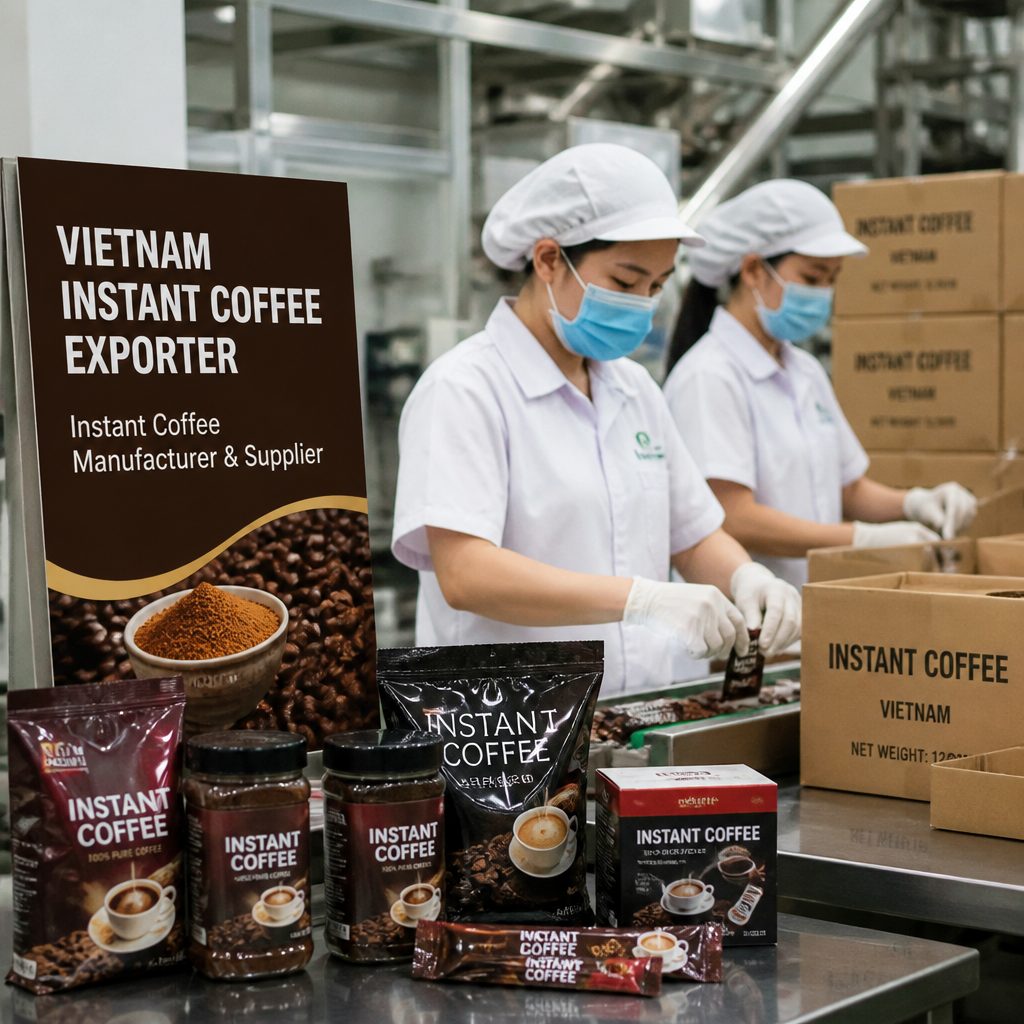
Vietnam has emerged as a formidable force in the global instant coffee market, with its manufacturing capacities expanding rapidly in recent years. As one of the world's leading coffee exporters, Vietnam's infrastructure and technological advancements have positioned it as a key player in meeting the growing demand for instant coffee worldwide.
The country's manufacturing landscape is characterized by a blend of established giants and innovative newcomers. Companies like Vinacafe and Trung Nguyen are well-known names that have significantly contributed to the market's development. These companies have not only expanded their production facilities but have also invested in state-of-the-art technology to enhance the quality and efficiency of their output.
One of the notable trends in Vietnam's instant coffee industry is the expansion of production capacities. Over the past decade, there has been a concerted effort to increase output to cater to both domestic and international markets. This expansion is driven by the rising global demand for instant coffee, particularly in regions such as Asia and Europe, where convenience and quick preparation are highly valued.
"Vietnam's instant coffee production capacity is expected to grow by 20% over the next five years," according to industry experts.
Such growth is not just about quantity but also about quality. The integration of advanced processing technologies ensures that Vietnamese instant coffee maintains high standards, appealing to a broad spectrum of consumer tastes and preferences. This commitment to quality, coupled with strategic capacity expansion, underscores Vietnam's pivotal role as a major supplier in the global instant coffee market.
Taking Action: Exploring Opportunities
Engaging with Vietnamese coffee exporters can open up a world of opportunities for businesses looking to capitalize on the booming instant coffee market. Here are some strategic steps to consider:
- Research Potential Partners: Begin by identifying reputable Vietnamese coffee exporters. Utilize resources such as trade directories, industry reports, and online platforms to gather a list of potential partners.
- Establish Direct Contact: Direct communication is crucial for gaining detailed insights into the capabilities and offerings of each exporter. This allows for personalized discussions regarding product specifications, pricing, and potential collaborations.
- Visit Production Facilities: Whenever possible, arrange visits to the production facilities. This provides a firsthand look at the manufacturing processes and quality control measures, ensuring alignment with your business standards.
- Explore Private Label Options: Many Vietnamese exporters offer private labeling services, which can be a significant advantage. This option allows businesses to market coffee under their own brand, enhancing brand loyalty and market presence.
- Negotiate Terms and Agreements: Once a potential partner is identified, engage in detailed negotiations to establish terms that are mutually beneficial. This includes discussing minimum order quantities, delivery schedules, and payment terms.
Direct contact with exporters not only facilitates a deeper understanding of the market dynamics but also helps in establishing a strong business relationship. This approach is especially important when considering private label opportunities, which require a high level of collaboration and customization to meet specific brand requirements.
"The key to success in the instant coffee industry lies in building strong partnerships with experienced exporters who understand both the local and global market nuances."
In conclusion, taking proactive steps to engage with Vietnamese coffee exporters can significantly enhance your business's potential in the instant coffee sector. By leveraging direct communication and exploring private label options, companies can position themselves advantageously in this competitive market.







