Vietnam Herbal Tea Exporter delivers unique herbal blends rich in flavor and health benefits, catering to the growing global demand for natural beverages.
The intricate process of blending and processing herbal teas is crucial to ensuring the unique flavors and quality that define Vietnamese herbal tea. Herbal tea, unlike traditional teas derived from the Camellia sinensis plant, is made from the infusion of herbs, spices, fruits, or other plant materials. This distinction is significant as it opens up a wide array of flavors and potential health benefits that are not typically found in traditional black, green, or oolong teas.
Globally, herbal teas have gained popularity due to their diverse taste profiles and perceived health benefits. Unlike traditional teas, which often contain caffeine, herbal teas are typically caffeine-free, making them an attractive option for those seeking a relaxing beverage without the stimulating effects. The health advantages of herbal teas are varied, including improved digestion, enhanced relaxation, and boosted immune function. For example, chamomile tea is well-known for its calming properties, while peppermint tea is often consumed to aid digestion. These benefits, along with the rich history and cultural significance of herbal teas in Vietnam, position the country as a leading exporter, catering to an international market eager for natural and beneficial beverage options.
Ingredients of Vietnamese Herbal Tea
Vietnamese herbal tea is renowned for its diverse and unique blend of ingredients, each contributing to its distinct flavors and health benefits. The foundation of these teas lies in the common herbs used, which are carefully selected for their aromatic and therapeutic properties.
- 💡 Lemongrass: A staple in Vietnamese herbal tea, lemongrass is celebrated for its refreshing citrus flavor and numerous health benefits. It is known to aid digestion, reduce inflammation, and even help in lowering cholesterol levels.
- 💡 Ginger: This spice adds a warm, spicy kick to herbal teas and is revered for its medicinal properties. Ginger is effective in alleviating nausea, improving digestion, and boosting the immune system.
- 💡 Lotus: The lotus plant, particularly its leaves and flowers, is a unique ingredient in Vietnamese teas. It offers a mild, floral aroma and is used for its calming effects, promoting relaxation and reducing stress.
In addition to these individual herbs, the art of Vietnamese herbal tea is found in the innovative combinations that produce distinctive flavors. For instance, blending lemongrass with ginger results in a robust, invigorating tea, while lotus paired with other floral elements offers a soothing, aromatic experience. Such combinations enhance both the taste and the health benefits, making Vietnamese herbal tea a sought-after choice for flavor and wellness.
"Vietnam Herbal Tea Exporter offers a rich tapestry of flavors through its unique herbal blends, each crafted to deliver both taste and health benefits."
The careful selection and combination of these herbs underscore the expertise of Vietnamese herbal tea producers, positioning them as leading suppliers in the global market.
Blending Techniques
In the realm of herbal tea production, mastering the art of blending is crucial to crafting teas that are both flavorful and aromatic. Vietnam Herbal Tea Exporter has honed its blending techniques through a harmonious combination of traditional methods and innovative approaches.
Traditional blending methods form the backbone of Vietnamese herbal tea production. These techniques often involve carefully selecting and combining herbs that complement each other in terms of flavor and health benefits. For instance, blending lemongrass with ginger not only enhances the taste but also amplifies the digestive benefits of the tea. Such combinations have been passed down through generations, ensuring a rich heritage of flavors.
However, the innovation does not stop there. To cater to contemporary palates and global markets, innovative approaches are employed to create unique flavors that stand out. This might involve experimenting with unconventional ingredients or introducing novel combinations that have not been traditionally used. The goal is to craft a tea experience that is both familiar and refreshingly new, appealing to a wider audience.
The role of master blenders is indispensable in this process. These experts possess a deep understanding of how different herbs interact and the subtleties of flavor profiles. Their expertise ensures that each blend is not only balanced but also meets the high standards expected in international markets. Master blenders are akin to artists, where each blend is a masterpiece that reflects both tradition and innovation.
Overall, the blending techniques used by Vietnam Herbal Tea Exporter demonstrate their dedication to quality and creativity. By merging traditional methods with modern innovations, they consistently provide herbal teas that delight and satisfy consumers globally.
Processing Methods
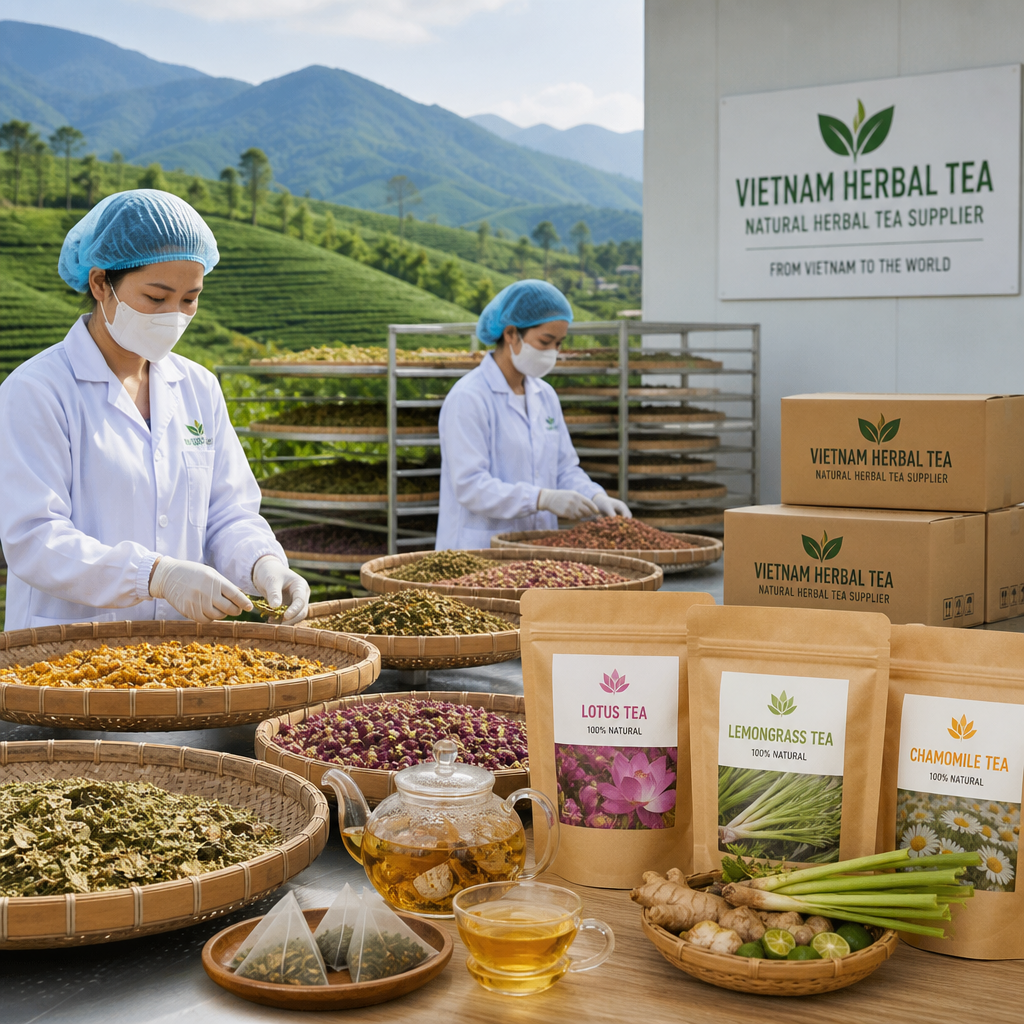
The processing of herbal tea is a meticulous journey that involves several well-defined steps, each crucial for ensuring the final product's quality and flavor. The process begins with the harvesting of herbs, which must be done at the optimal time to capture the peak of their natural oils and flavors. Following harvest, the herbs undergo drying, a critical phase that prevents spoilage and locks in the essential oils that contribute to both taste and aroma.
Once dried, the herbs are subjected to a sorting process to remove any impurities or unwanted materials, ensuring only the best quality leaves are used. This is followed by cutting or grinding, depending on the desired final product, which influences the tea's brewing characteristics.
To maintain the highest standards of quality and safety, various techniques are employed. For instance, the use of steam sterilization is common to eliminate any microbial contaminants without affecting the natural properties of the herbs. Quality control measures, including regular testing for pesticide residues and heavy metals, are also integral to the process, ensuring compliance with international standards.
The impact of processing on taste and aroma cannot be overstated. Each step, from drying to grinding, is designed to enhance the natural flavors of the herbs. For example, the drying method can significantly affect the aroma; air drying tends to preserve a more natural scent, while oven drying might intensify certain flavors, offering a unique taste profile.
"The meticulous processing methods employed by Vietnam Herbal Tea Exporters ensure that every cup offers a pure and authentic taste experience."
Packaging Standards
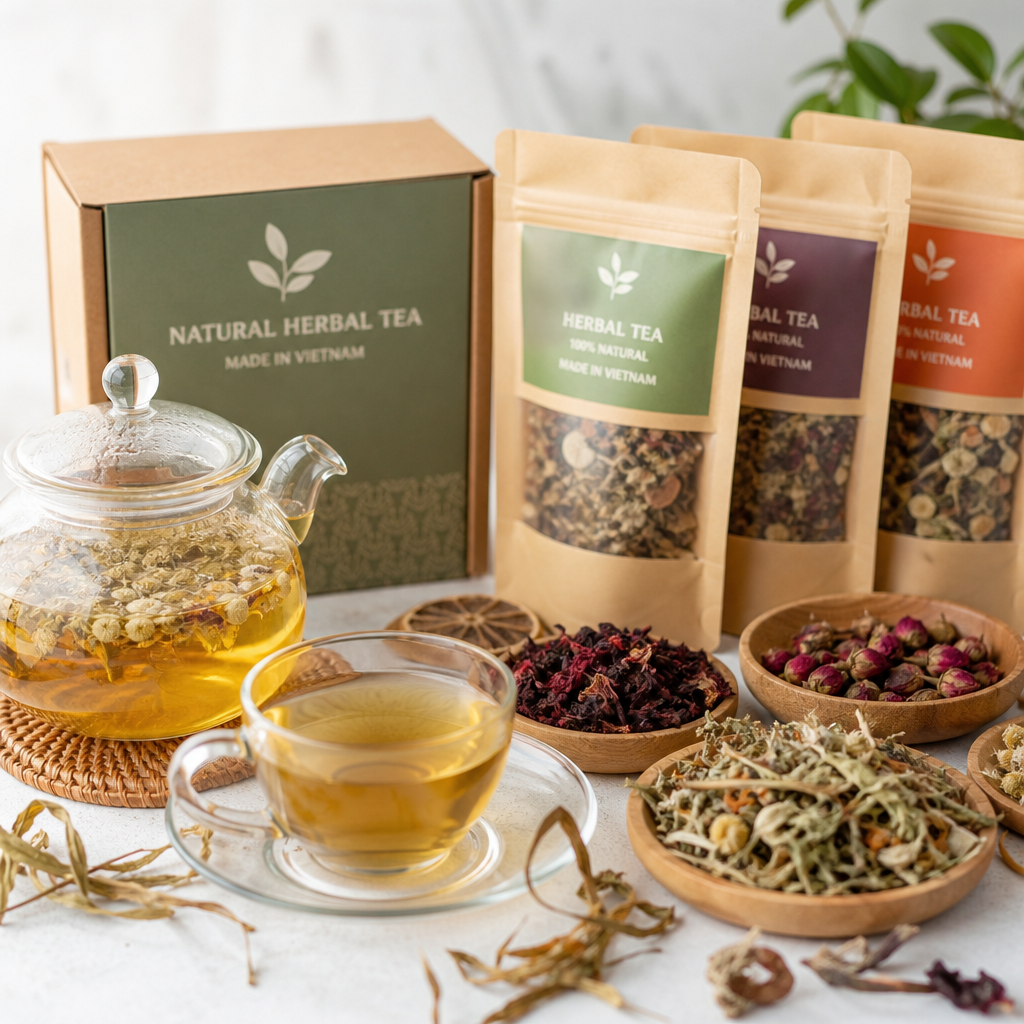
In the realm of exporting herbal tea, the significance of packaging cannot be overstated. A key factor in ensuring the successful international shipment of herbal teas from Vietnam is the quality and appropriateness of packaging. It serves as the first line of defense against environmental factors that could compromise the tea's quality, such as moisture, light, and air, all of which can degrade the product's flavor and freshness.
There are various types of packaging materials utilized to protect and preserve the integrity of herbal teas. These include:
- Foil Pouches: Known for their excellent barrier properties, foil pouches are widely used to prevent moisture and light from affecting the tea. They are often laminated with other materials to enhance durability and ensure a longer shelf life.
- Glass Jars: While heavier, glass jars offer superior protection and are often used for premium tea products. They provide a clear view of the product, which can be appealing to consumers, and are completely airtight.
- Biodegradable Packaging: Increasingly popular due to environmental concerns, these materials offer a sustainable option without compromising on the protective qualities needed for export.
Maintaining the freshness and quality of herbal tea is paramount, and there are established standards to achieve this. The packaging must be designed to keep the tea dry and at a consistent temperature, preventing any external contamination. Additionally, standards such as vacuum sealing and nitrogen flushing are employed to extend the shelf life and preserve the tea's natural aromas and flavors.
"Effective packaging is not just about protection; it's about maintaining the essence of the product from the moment it leaves the producer to when it reaches the consumer's cup."
Vietnam Herbal Tea Exporter ensures that all packaging adheres to these rigorous standards, thereby guaranteeing that the tea arrives in optimal condition, ready to deliver its full range of flavors and health benefits to tea enthusiasts worldwide.
Certifications for Herbal Tea
In the global market, certifications play a pivotal role in ensuring the quality and credibility of herbal tea products. For any Vietnam Herbal Tea Exporter aiming to establish a strong international presence, obtaining recognized certifications is not just beneficial but essential. These certifications serve as a testament to the product's adherence to stringent quality and ethical standards.
- 💡 USDA Organic: This certification is crucial for products that claim to be organic. It ensures that the herbal tea is produced without synthetic fertilizers, pesticides, or genetically modified organisms (GMOs). For consumers, the USDA Organic label is a marker of purity and environmental responsibility.
- ⚖️ Fair Trade: A certification that guarantees that the tea producers receive fair compensation and that the production process adheres to ethical labor practices. It reflects a commitment to social sustainability and is particularly appealing to ethically-conscious consumers.
These certifications are not merely formalities; they are critical in quality assurance. They provide a framework for maintaining high standards in production and processing, which in turn helps in building trust with consumers. With certifications like these, a Vietnam Herbal Tea Exporter can confidently enter and compete in international markets, assuring buyers of the product's quality and ethical production.
"Certifications such as USDA Organic and Fair Trade not only enhance product credibility but also open doors to premium markets worldwide."
Overall, the importance of certifications cannot be overstated. They are a key differentiator in a competitive market, ensuring that herbal tea products from Vietnam meet global expectations for quality, safety, and ethical production.
OEM Manufacturing Opportunities
Original Equipment Manufacturer (OEM) manufacturing is a strategic approach where a company produces goods that are marketed and sold under another company's brand. This model allows international brands to leverage the manufacturing capabilities of specialized producers like Vietnam Herbal Tea Exporter, enabling them to focus on branding and distribution.
One of the significant benefits for international brands engaging in OEM manufacturing is the ability to access high-quality products without the need to invest in production facilities. This not only reduces capital expenditure but also allows brands to scale rapidly by tapping into established manufacturing expertise. Furthermore, OEM partnerships often lead to cost savings due to economies of scale, as manufacturers like those in Vietnam can produce large quantities at a lower cost.
Several successful OEM partnerships highlight the potential of this manufacturing model. For example, international brands have collaborated with Vietnamese tea producers to create unique blends that cater to specific market preferences. These collaborations have resulted in products that combine local expertise in herbal tea production with global brand recognition, leading to increased market penetration and brand loyalty.
"OEM manufacturing offers a win-win scenario for both producers and brands, facilitating innovation and market expansion."
Vietnam's rich tradition in herbal tea production, combined with its cost-effective manufacturing capabilities, makes it an attractive destination for OEM partnerships. By engaging with Vietnam Herbal Tea Exporter, international brands can ensure they are offering high-quality, authentic herbal teas that resonate with health-conscious consumers worldwide.
Private-Label Opportunities
Private-labeling in the herbal tea industry offers a unique opportunity for retailers and brands to create their own branded products without having to invest in the entire production process. Essentially, private-labeling allows a company to partner with a Vietnam Herbal Tea Exporter to produce tea blends that are then sold under the retailer's or brand's own label. This approach is particularly advantageous for businesses looking to differentiate their products in a competitive market.
One of the primary advantages of private-labeling is the ability for retailers to customize products to meet specific consumer preferences. By working directly with producers, brands can select unique blends and flavors that align with their brand identity and customer expectations. This customization not only enhances brand loyalty but also allows for higher profit margins, as private-label products often have lower production costs compared to branded counterparts.
Moreover, private-labeling can significantly reduce the time and resources needed to bring a product to market. Retailers can leverage the expertise and production capabilities of established tea exporters to ensure high-quality products without the need for extensive research and development. This is particularly beneficial for new market entrants or smaller brands seeking to expand their product offerings quickly.
Several case studies highlight the success of private-label herbal teas. For instance, major retailers like Trader Joe's and Whole Foods have successfully launched their own lines of herbal teas, capitalizing on the growing consumer demand for health-focused and unique tea blends. These private-label products often receive high consumer ratings for quality and flavor, demonstrating the potential for success in this market.
In conclusion, private-labeling presents a compelling opportunity for retailers and brands to create distinctive, high-quality herbal tea products that cater to specific market needs. By partnering with a reliable Vietnam Herbal Tea Exporter, businesses can enhance their product offerings, increase brand loyalty, and achieve greater market presence.
Conclusion
In conclusion, the journey of Vietnam as a prominent herbal tea exporter is marked by its rich tradition, innovative blending techniques, and adherence to international standards. Vietnamese herbal teas, with their unique flavors and health benefits, stand out in the global market. The use of common herbs like lemongrass, ginger, and lotus not only provides distinctive taste profiles but also offers various health advantages, appealing to health-conscious consumers worldwide.
Looking ahead, the herbal tea industry is poised for significant growth, driven by increasing consumer interest in natural and healthy beverages. The trend toward organic and sustainably sourced products is expected to continue, offering opportunities for Vietnamese exporters to expand their presence in international markets. The demand for herbal teas is projected to rise, especially in regions like North America and Europe, where consumers are increasingly seeking alternatives to traditional caffeinated beverages.
The potential for growth in international markets is substantial. As more consumers become aware of the health benefits associated with herbal teas, there is a growing opportunity for Vietnam to strengthen its position as a leading supplier. By capitalizing on the current trends and maintaining high-quality standards, Vietnamese herbal tea producers can expand their reach and capture a larger share of the global market. This growth potential is further bolstered by the increasing popularity of private-label and OEM manufacturing opportunities, which allow international brands to leverage Vietnamese expertise and quality in their own product lines.
In summary, Vietnam's herbal tea industry is well-positioned to capitalize on future trends and market opportunities. By continuing to innovate and uphold stringent quality standards, Vietnam can enhance its reputation as a reliable and high-quality herbal tea exporter, meeting the evolving demands of consumers worldwide.