Vietnam Guava Exporter offers high-quality guavas, facing challenges like size variability and inconsistent sweetness, crucial for success in global markets.
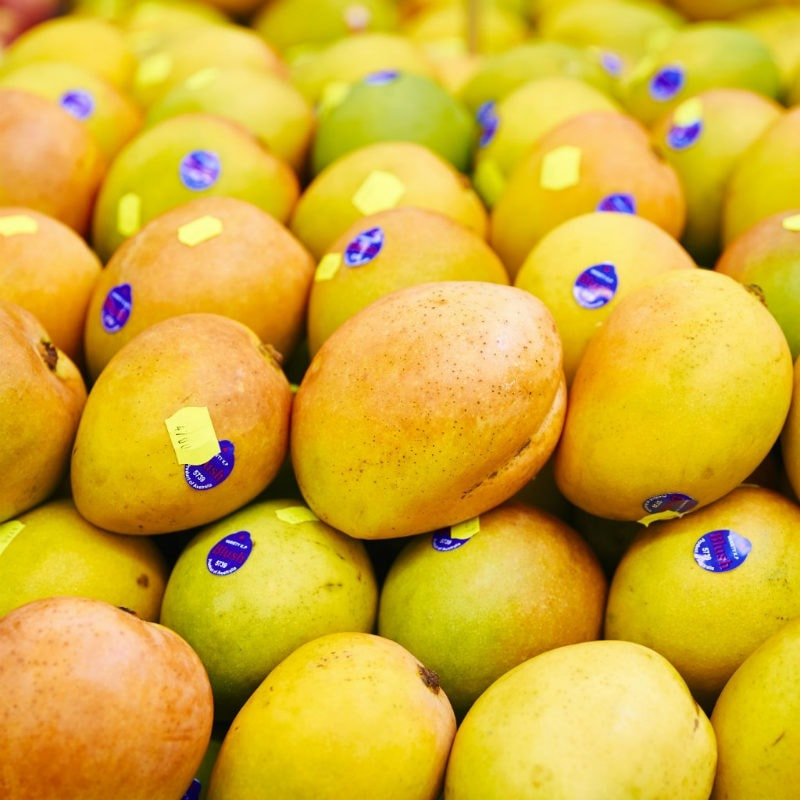
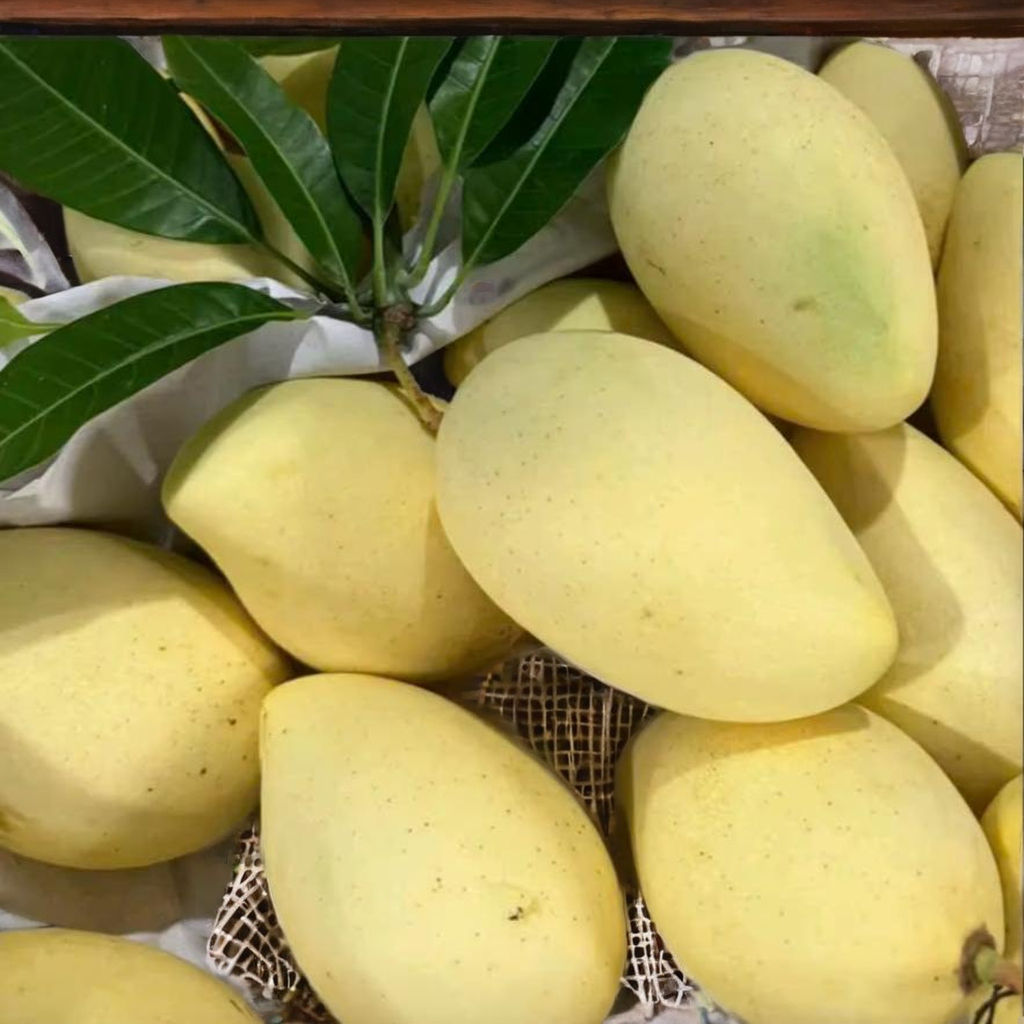
The Vietnamese guava industry is currently facing a myriad of challenges that are hindering its potential in the global export market. One of the most pressing issues is the size variability among guava varieties. This inconsistency makes it difficult to standardize packaging and meet the expectations of international buyers, who often demand uniformity in size for their markets. In Vietnam, popular guava varieties such as "Xoài" and "Lê" exhibit a wide array of sizes, complicating the sorting and packaging processes. This issue is not exclusive to Vietnam, as many tropical fruit exporters encounter similar challenges, but it is particularly pronounced due to the diverse range of guava cultivars grown in the country.
Another significant challenge is the inconsistent sweetness levels found in Vietnamese guavas. Sweetness, a critical quality attribute for guavas, is typically measured using the Brix scale. However, there are frequent Brix measurement discrepancies due to variations in cultivation practices, soil conditions, and weather patterns. These discrepancies can result in guavas that fail to meet the sweetness expectations of international markets, potentially diminishing their attractiveness to buyers. In some cases, exporters have had to resort to blending guavas from different sources to achieve a more consistent sweetness level, but this is not a sustainable long-term solution.
Additionally, packaging inconsistencies add another layer of complexity to the industry. While some exporters have adopted modern packaging solutions to preserve the quality and freshness of the guavas, others still rely on outdated methods that can lead to damage during transportation and storage. Inconsistent packaging not only affects the physical appearance of the fruit but also its shelf life, which is crucial for maintaining quality during export. For example, guavas packed in non-ventilated containers may suffer from accelerated ripening or spoilage, reducing their market value.
The sweetness of Vietnamese guavas, as indicated by Brix levels, is pivotal to their export quality and marketability.
These challenges highlight the necessity for a concerted effort to standardize practices across the industry. Addressing these issues is essential for Vietnam to strengthen its position as a leading guava exporter and to meet the rigorous demands of international markets. This could involve the establishment of industry-wide guidelines for guava production and processing, as well as investment in research and development to improve cultivation techniques and post-harvest handling.
Impact of Logistics on Guava Quality
In the realm of guava exportation, logistics play a pivotal role in determining the quality of the fruit upon arrival at its destination. One of the most crucial aspects of logistics is the implementation of cold-chain logistics. This method involves maintaining a consistent temperature throughout the transportation process, which is essential for preserving the freshness and quality of guavas. Without this critical system, guavas are susceptible to rapid spoilage, significantly affecting their market value and consumer appeal.
During transportation, guavas can experience quality degradation if not handled properly. The fruit is sensitive to temperature fluctuations, which can lead to changes in texture, taste, and appearance. For instance, exposure to temperatures above the recommended range can cause guavas to ripen prematurely or develop blemishes, making them less attractive to buyers. Furthermore, the absence of a controlled environment can lead to an increase in microbial activity, further deteriorating the fruit's quality.
Moreover, inadequate logistics can lead to a reduction in shelf-life. When guavas are not transported under optimal conditions, their shelf life is considerably shortened. This not only affects the time frame within which the fruit can be sold but also impacts the supply chain efficiency. Retailers may face increased waste and reduced profitability due to the diminished longevity of the product. This underscores the necessity for Vietnam Guava Exporter to invest in robust logistics solutions to ensure that their products reach international markets in prime condition.
Implementing cold-chain logistics is essential for maintaining the quality and competitiveness of Vietnamese guavas in the global market.
Consequences of Ignoring Quality Standards
In the fiercely competitive landscape of global trade, maintaining high-quality standards is not just a choice but a necessity for any Vietnam Guava Exporter. Ignoring these standards can have dire consequences, beginning with a significant loss of competitiveness in export markets. Countries like Thailand and Mexico, known for their stringent quality control, often overshadow Vietnamese guava exports. This competitive disadvantage can lead to reduced market share and opportunities in lucrative markets such as the European Union and North America, where quality regulations are stringent.
Moreover, decreased consumer trust is another critical repercussion. When consumers encounter inconsistent quality in products, their confidence in the brand and country of origin diminishes. This is particularly damaging in markets where word of mouth and brand reputation play crucial roles in purchasing decisions. For instance, a single batch of subpar guavas can lead to negative reviews and a tarnished reputation, which can take years to rebuild.
Lastly, the financial ramifications for farmers and exporters are substantial. Ignoring quality standards can lead to potential financial losses, as products may be rejected at international borders, leading to wasted resources and increased costs. Farmers, often already operating on thin margins, may find themselves unable to cover their production costs if their produce is deemed unfit for export. Exporters, too, face the risk of canceled contracts and financial penalties, further exacerbating the economic strain.
In 2022, Vietnamese guava exports experienced a 15% revenue decline due to quality-related rejections in key markets.
These consequences highlight the critical importance of adhering to quality standards, not just to meet regulatory requirements but to ensure the long-term viability and growth of the Vietnamese guava industry on the global stage.
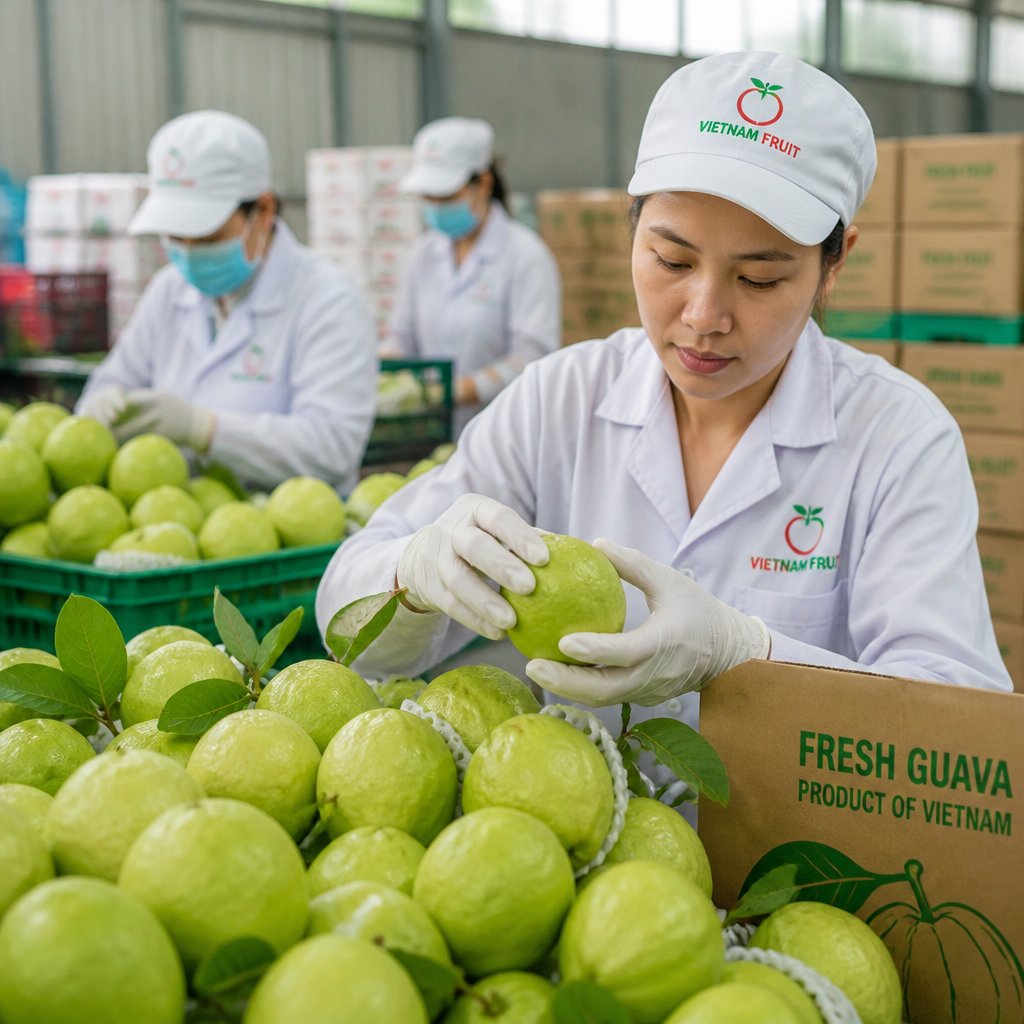
Role of Cold-Chain Logistics in Maintaining Freshness
In the competitive arena of guava exports, maintaining the freshness and quality of the fruit is paramount. This is where cold-chain logistics play a pivotal role, especially for a Vietnam Guava Exporter aiming to establish a strong foothold in international markets. The use of temperature-controlled transportation methods is a cornerstone in this endeavor.
Temperature-controlled transportation, commonly known as cold-chain logistics, involves maintaining a consistent, low-temperature environment for perishable goods throughout the supply chain. This is crucial for preventing the degradation of guavas during transit, which can occur if the fruit is exposed to fluctuating temperatures. By utilizing refrigerated trucks and containers, exporters can ensure that the guavas maintain their optimal freshness from the farm to the consumer's table.
There are numerous examples of successful cold-chain implementation in the guava export industry. For instance, companies like Maersk and Kuehne + Nagel have pioneered innovative cold-chain solutions that have significantly enhanced the shelf life and quality of perishable products. These companies employ state-of-the-art temperature monitoring systems that provide real-time data, allowing for immediate adjustments to be made if any deviations are detected.
Cold-chain logistics have extended the shelf life of guavas by up to 50%, ensuring they reach international markets in peak condition.
This impact on guava shelf life and quality cannot be overstated. By maintaining a controlled environment, the natural ripening process of guavas is slowed, preserving their sweetness and texture. This not only enhances the fruit's marketability but also reduces waste, as fewer guavas are spoiled before reaching consumers. In turn, this boosts the confidence of international buyers in Vietnamese guava products, strengthening the country's position as a reliable exporter.
In conclusion, the strategic implementation of cold-chain logistics is vital for any Vietnam Guava Exporter seeking to maintain the freshness and quality of their products. By investing in advanced temperature-controlled transportation methods and learning from successful industry examples, exporters can significantly improve their competitiveness in the global market.
Meeting Buyer Requirements and Standards
In the competitive landscape of global fruit exports, a Vietnam Guava Exporter must meticulously adhere to buyer requirements and standards to maintain and expand its market presence. This involves meeting stringent quality certifications, aligning with specific buyer expectations regarding the guava's physical attributes, and ensuring consistent packaging practices.
Firstly, obtaining the necessary quality certifications is crucial for exporting guavas. Certifications such as GlobalGAP and HACCP are not merely formalities but essential benchmarks that signal adherence to international safety and quality standards. These certifications assure buyers of the product's quality and safety, which is particularly important in markets with stringent regulatory requirements like the European Union and North America. Without these certifications, Vietnamese guava exporters risk being excluded from lucrative international markets.
Moreover, buyers have specific expectations regarding the size and sweetness of the guavas. For instance, the guavas must meet particular size criteria to fit standard packaging and display purposes. Additionally, sweetness levels, often measured in Brix units, must be consistent to satisfy consumer taste preferences. Inconsistent sweetness can lead to dissatisfaction and negatively impact repeat purchases, making it imperative for exporters to ensure uniformity in these attributes.
Consistent packaging is another critical factor in meeting buyer standards. Packaging must not only protect the fruit during transportation but also appeal to consumers visually. This involves using materials that maintain the fruit's freshness and are environmentally sustainable. Consistency in packaging also simplifies logistics and inventory management for retailers, enhancing the overall efficiency of the supply chain.
Meeting buyer requirements is about more than compliance; it's about building trust and long-term relationships in the global marketplace.
In summary, for a Vietnam Guava Exporter, aligning with buyer requirements and standards is not merely a matter of meeting market demands but a strategic approach to securing a competitive edge. By focusing on quality certifications, specific product attributes, and consistent packaging, exporters can enhance their marketability and ensure sustained success in the international arena.
Improving Guava Production and Distribution
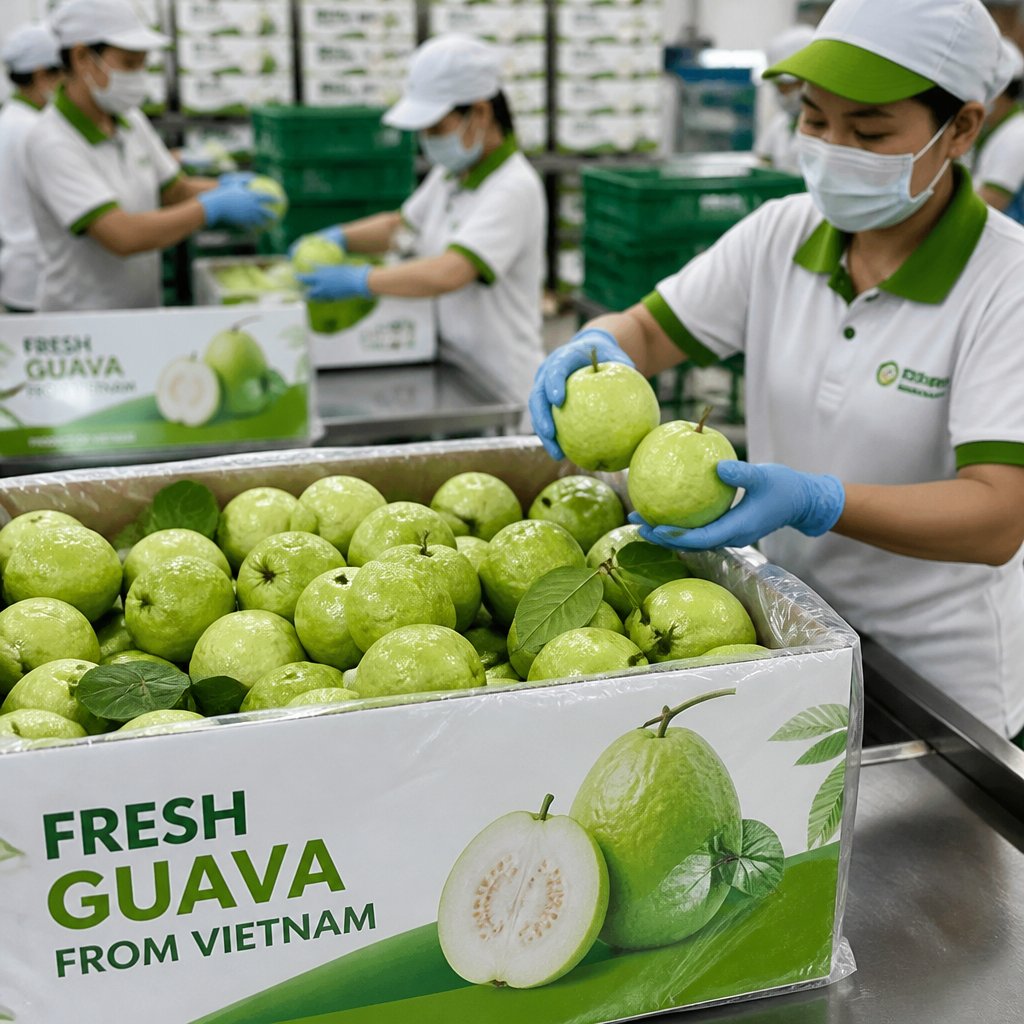
In the quest to enhance the quality and distribution of guavas, Vietnam Guava Exporter has embarked on a multifaceted approach that addresses both agricultural and logistical challenges. This initiative is crucial for maintaining competitiveness in the global market and ensuring the satisfaction of international buyers.
One significant step is the adoption of advanced agricultural practices. By integrating modern techniques such as precision agriculture, guava producers can achieve more consistent size and sweetness levels, which are critical metrics for export quality. Precision agriculture involves using technology like soil sensors and GPS mapping to optimize the growing conditions and tailor interventions specific to each crop's needs. This approach not only enhances yield quality but also reduces the variability that has plagued the industry.
Another critical investment is in cold-storage facilities. These facilities play a vital role in preserving the freshness of guavas post-harvest by maintaining optimal temperatures that prevent spoilage. The establishment of state-of-the-art cold-storage units allows for longer storage times without compromising on quality, thus extending the guavas' shelf life significantly. This investment is a game-changer for exporters who need to meet the stringent freshness standards of international markets.
Moreover, collaboration with logistics companies has been prioritized to develop better transport solutions. Efficient transportation is paramount in preventing quality degradation during transit. By partnering with logistics experts, Vietnam Guava Exporter can implement advanced tracking systems and temperature-controlled transport methods that ensure guavas arrive at their destination in peak condition. This collaboration not only reduces the risk of spoilage but also enhances the overall reliability of the supply chain.
- 💡 Precision Agriculture: Utilizing technology to optimize growing conditions.
- 💡 Cold-Storage Facilities: Key to maintaining freshness and extending shelf life.
- 💡 Logistics Collaboration: Ensures efficient, quality-preserving transport.
Investing in modern agricultural practices and state-of-the-art logistics, Vietnam Guava Exporter is setting new standards for quality and reliability in the guava export industry.
These strategic improvements are not just about meeting current demands but are also paving the way for future growth and innovation in the Vietnamese guava industry.
Future Prospects for Vietnamese Guava Industry
The Vietnamese guava industry is poised for significant growth in the international markets, driven by increasing global demand for tropical fruits. Countries like the United States, Japan, and European nations are showing a growing interest in exotic fruits, presenting a lucrative opportunity for Vietnam Guava Exporters. With the right strategies, Vietnam can expand its market share and become a leading supplier of fresh guavas globally.
Innovation in packaging and logistics offers another promising avenue for the industry. By adopting advanced packaging technologies, Vietnamese exporters can enhance the shelf life of guavas and reduce waste. For instance, modified atmosphere packaging (MAP) can help maintain the freshness of guavas during long transits. Additionally, improving logistics through better cold-chain management ensures that the quality of guavas remains uncompromised from farm to consumer.
Adhering to global quality standards is crucial for the success of Vietnamese guavas in the international arena. Compliance with certifications such as GlobalG.A.P. and HACCP not only builds trust with consumers but also opens doors to premium markets. By consistently meeting these standards, Vietnamese guava producers can distinguish their products from competitors, ensuring long-term sustainability and profitability.
According to an industry expert, the future of the Vietnamese guava industry depends on its ability to innovate and adhere to international standards.
In conclusion, while challenges remain, the future prospects for the Vietnamese guava industry are bright. By focusing on market expansion, embracing technological advancements in packaging and logistics, and committing to quality standards, Vietnam can solidify its position as a key player in the global fruit export market.