
Vietnam Ground Pepper Exporter provides essential insights into quality specifications like mesh size and purity, ensuring consumers make informed choices in the spice market.
The specifications of ground pepper, including mesh size and purity, are crucial in determining its quality and safety. However, when it comes to Vietnamese ground pepper exporters, there is a notable lack of specific data that hinders the ability to fully understand these critical parameters. This absence of detailed information can pose significant challenges for both buyers and suppliers in the global spice market.
One of the primary issues is the difficulty in retrieving detailed information on essential parameters like mesh size, purity, and moisture content. For instance, the mesh size affects the grind fineness, which in turn influences the pepper's culinary applications. Without precise data, consumers and businesses are left guessing about the product's suitability for their needs. Similarly, purity is a major concern as it impacts both the flavor and safety of the pepper. Contaminants can compromise the quality, making it vital to have access to purity specifications.
Additionally, determining the heat level and understanding sterilization standards adds another layer of complexity. The heat level, which dictates the spiciness of the pepper, is a crucial factor for culinary professionals and home cooks alike. Yet, without transparent information, there is a risk of misjudging the pepper's intensity. Sterilization standards are equally important, as they ensure the product is free from harmful bacteria, safeguarding consumer health.
Furthermore, there is limited knowledge regarding packaging and private-label options offered by Vietnamese exporters. Packaging not only affects the freshness and shelf life of ground pepper but also plays a role in brand identity and consumer appeal. The lack of information on available packaging solutions and customization options can deter potential buyers looking to differentiate their products in a competitive market.
"The absence of detailed specifications can lead to significant challenges in ensuring the quality and safety of ground pepper, particularly in the context of Vietnam's exporters," notes a spice industry expert.
These challenges underscore the need for greater transparency and accessibility of information within the industry. By addressing these gaps, Vietnamese ground pepper exporters can enhance their competitiveness and better meet the demands of discerning global consumers.
Impact of Insufficient Information on Consumer Choices
The lack of comprehensive information about ground pepper specifications poses significant challenges for consumers, often leading to suboptimal purchasing decisions. Without access to detailed specifications, such as those provided by a Vietnam Ground Pepper Exporter, consumers may inadvertently choose low-quality products. This is particularly concerning when product labels fail to specify essential details like grind fineness, purity, and moisture content.
One of the primary risks associated with insufficient information is the potential for contamination. Without knowledge of the purity and sterilization processes employed by the supplier, consumers are left vulnerable to purchasing contaminated products. This can lead to health risks, as ground pepper that has not been properly sterilized may harbor bacteria or other harmful contaminants.
Moreover, flavor deterioration is a common issue when the moisture content and packaging are not adequately detailed. Ground pepper with improper moisture levels can lose its pungency and aromatic qualities, resulting in a less flavorful culinary experience. Packaging plays a crucial role in preserving these qualities; however, without clear information on packaging standards, consumers may end up with a product that lacks freshness.
Brand confusion further complicates consumer choices in the absence of clear private-label options. When private-label branding is not distinguished, it becomes difficult for consumers to differentiate between high-quality and inferior products. This lack of clarity can lead to brand dilution, where reputable brands are not easily recognized, and consumers are unable to make informed comparisons.
"Without detailed specifications, consumers are at risk of purchasing ground pepper that fails to meet quality and safety standards."
These challenges underscore the importance of transparency from suppliers and exporters. By providing comprehensive information on product specifications, exporters like those in Vietnam can empower consumers to make informed decisions, ensuring they receive a product that meets their expectations for quality and safety.
Ensuring Quality in Ground Pepper: What to Look For
When it comes to selecting the best ground pepper from a Vietnam Ground Pepper Exporter, there are several critical factors to consider that directly impact the quality and safety of the product. Understanding these elements can help consumers make informed decisions and ensure they are getting the best value for their purchase.
- 💡 Mesh Size for Grind Fineness: The mesh size of ground pepper is crucial in determining its grind fineness, which in turn affects its culinary applications. For instance, a finer grind is ideal for seasoning delicate dishes where a smooth texture is desired, while coarser grinds can add a robust flavor to meats and stews. Knowing the mesh size helps chefs and home cooks alike tailor their pepper use to specific culinary needs.
- 💡 Ensuring Purity: Purity is essential to avoid contaminants and ensure the safety of the spice. Contamination can occur at various stages of production, from harvesting to packaging. Ensuring that the ground pepper is free from impurities not only guarantees safety but also preserves its natural flavor. High-quality suppliers often provide certifications to verify the purity of their products.
- 💡 Maintaining Optimal Moisture Content: The moisture content in ground pepper plays a significant role in preserving its quality and flavor. Too much moisture can lead to mold growth, while too little can result in a loss of aroma and flavor. According to industry standards, the moisture content should ideally be kept below 12% to maintain the pepper's integrity and taste.
- 💡 Selecting Appropriate Heat Level: Pepper's heat level, or spiciness, varies depending on the variety and processing method. Consumers should select a heat level that matches their personal preference or the specific requirements of a dish. This can range from mild to intensely hot, and understanding these levels can enhance the culinary experience.
- 💡 Understanding Sterilization Processes: Sterilization is a critical step in ensuring bacterial safety in ground pepper. Processes such as steam sterilization or irradiation are commonly used to eliminate harmful bacteria without compromising the spice's quality. Knowing which sterilization method is used can provide peace of mind regarding the product's safety and hygiene.
"Choosing the right ground pepper involves more than just taste; it's about ensuring quality and safety at every level."
By paying attention to these factors, consumers can make more informed choices and enjoy the full benefits of high-quality ground pepper, whether for personal use or in a professional culinary setting.
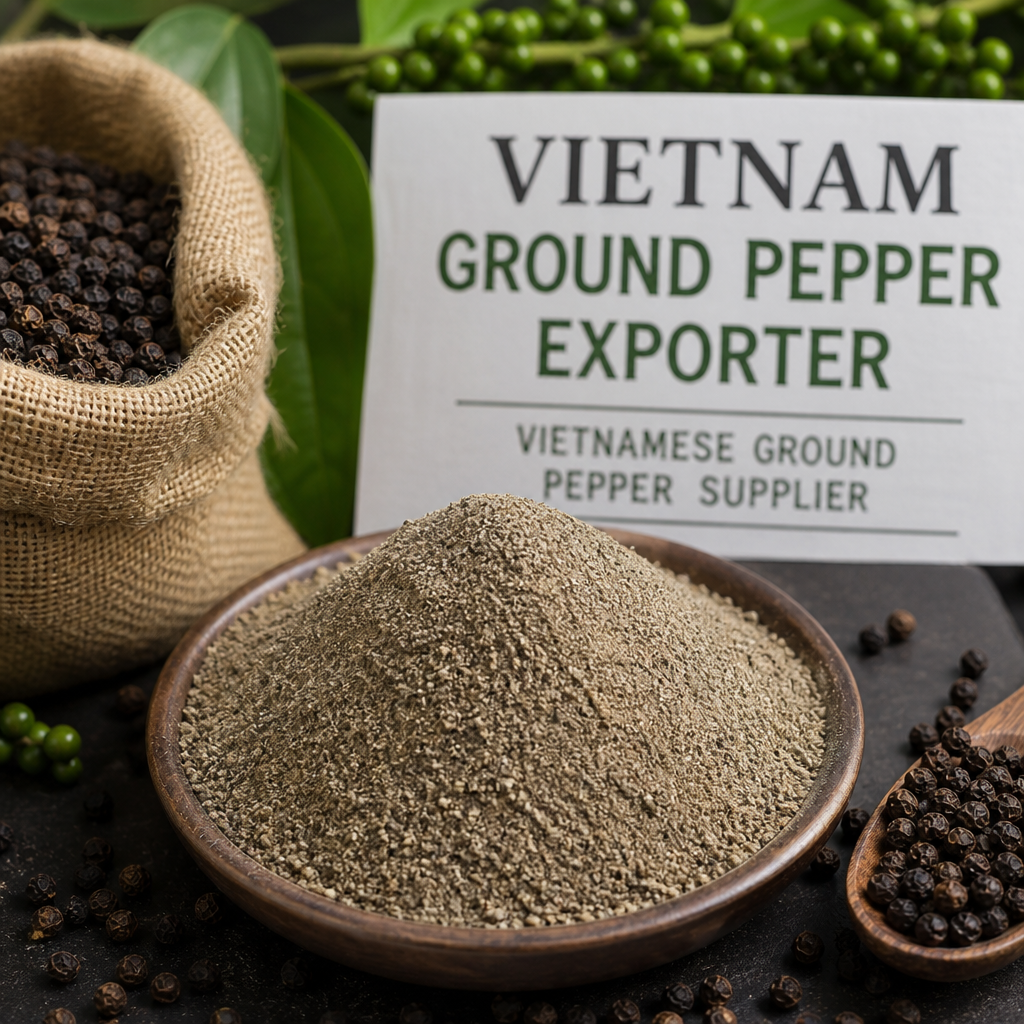
Packaging and Customization: Preserving Freshness and Brand Identity
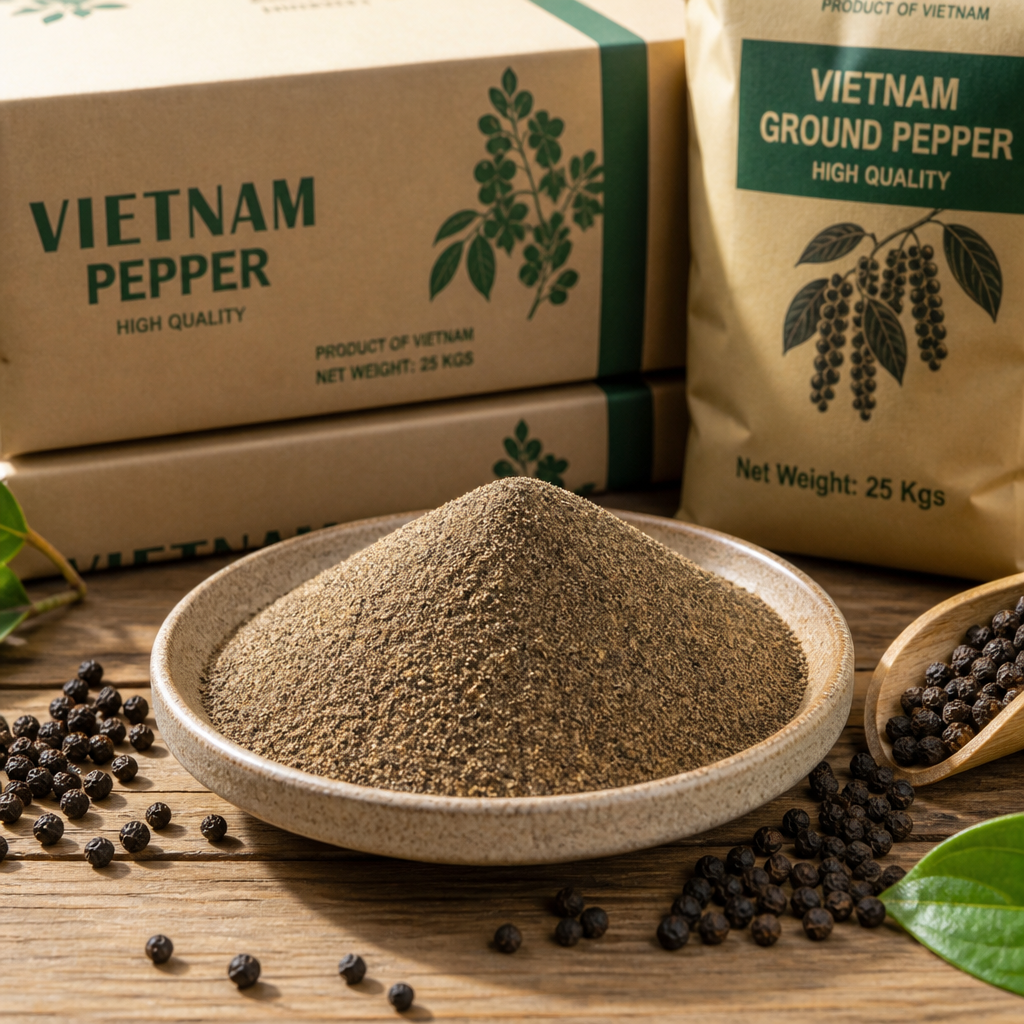
In the competitive world of spice exports, particularly in the case of Vietnam Ground Pepper Exporters, the importance of effective packaging and brand customization cannot be overstated. Packaging serves a dual purpose: it preserves the freshness of the pepper and acts as a canvas for brand identity. However, challenges arise when exporters fail to optimize these aspects, leading to compromised product quality and diluted brand presence.
One of the primary concerns is the variety of packaging options available to maintain the freshness of ground pepper. Vacuum-sealed bags, for instance, are highly effective in preventing moisture ingress, which is crucial for preserving the pepper's flavor and aroma. Another popular choice is the use of airtight glass jars, which not only protect the pepper from external contaminants but also offer a premium look that can enhance brand perception. These packaging options are vital in ensuring that the pepper reaches consumers in optimal condition, retaining its taste and quality.
Moreover, private-label options provide significant benefits for brand customization. By allowing companies to design their own labels and packaging, private-labeling empowers brands to differentiate themselves in a crowded market. This customization can be pivotal for building brand loyalty and recognition, as consumers often associate unique packaging with higher quality and authenticity. For instance, a company might choose eco-friendly materials for their packaging, appealing to environmentally conscious consumers and setting their brand apart from competitors.
When considering packaging materials and designs, there are several key factors to keep in mind. The choice of material not only affects the product's shelf life but also its environmental impact. Sustainable materials such as biodegradable plastics or recycled paper can enhance a brand's image by aligning with global sustainability trends. Additionally, the design itself should be functional yet visually appealing, incorporating elements like resealable features for convenience and vibrant graphics to attract attention on retail shelves.
"The spice industry has seen successful brand customization with companies like McCormick and Simply Organic, who have effectively utilized packaging to convey their brand values and product quality."
These examples demonstrate how strategic packaging and customization can lead to success in the spice industry. McCormick, for instance, uses distinct red caps and clear glass bottles, which have become synonymous with their brand identity. Similarly, Simply Organic's use of green hues and eco-friendly packaging materials resonates with their commitment to organic and sustainable products.
In conclusion, for Vietnam Ground Pepper Exporters, embracing innovative packaging solutions and private-label customization offers a pathway to preserving product freshness and reinforcing brand identity. By carefully selecting packaging materials and designs that align with brand values, exporters can not only enhance the consumer experience but also secure a competitive edge in the global spice market.
Navigating the Market: Steps for Informed Purchases
In the complex world of spice procurement, making informed decisions requires a strategic approach. With Vietnam being a prominent ground pepper exporter, understanding the nuances of product specifications is crucial. Here are some essential steps to guide you through the market effectively:
- Researching Reliable Sources for Ground Pepper Specifications: Start by identifying credible sources that provide detailed information on ground pepper. Websites of established exporters and industry reports can offer insights into critical factors such as mesh size, purity, and moisture content. These specifications are vital as they directly influence the quality and application of the pepper in culinary uses.
- Consulting Industry Experts and Trusted Brands for Recommendations: Engage with industry experts and reputable brands to gather recommendations. Experts can provide valuable advice on the best practices in sourcing ground pepper, including insights on heat levels and sterilization standards. Trusted brands often have a track record of quality and can guide you in selecting products that meet your specific needs.
- Utilizing Online Platforms for Consumer Reviews and Ratings: Leverage online platforms where consumers share reviews and ratings of different ground pepper products. Websites like Amazon and specialty spice retailers often feature customer feedback that can highlight the strengths and weaknesses of specific products. This feedback is crucial for understanding real-world performance and satisfaction levels.
- Exploring Local Markets for Firsthand Product Evaluation: Visiting local markets allows for direct interaction with the product. You can evaluate the pepper's aroma, texture, and packaging firsthand, which provides a more tangible sense of its quality. This step can also help in comparing different products side by side, ensuring you make a well-informed purchase.
"By taking these steps, consumers can significantly enhance their ability to make informed purchases in the ground pepper market."
These strategies collectively empower buyers to navigate the complexities of the spice market, ensuring that their selections are both informed and aligned with their culinary objectives. With Vietnam's reputation as a leading ground pepper exporter, these steps are invaluable in maximizing the quality and satisfaction of your purchases.
Conclusion: Empowering Consumers with Knowledge
In the complex world of spice trading, particularly with products like ground pepper, making informed decisions is crucial. The landscape is filled with variables that can significantly impact the quality and safety of the spices we consume. Therefore, understanding the importance of detailed product specifications cannot be overstated. Knowing specifics such as mesh size, purity levels, moisture content, and sterilization standards helps consumers make choices that align with their culinary and health needs.
Consumers are urged to actively seek out detailed product specifications. This involves not just a passive receipt of information but a proactive approach to understanding what these specifications mean for the quality of the product. For instance, the mesh size of ground pepper affects its texture and how it integrates into dishes, while purity and moisture content are critical for ensuring flavor and longevity. Awareness of these factors empowers consumers to choose products that meet their standards and expectations.
Consumer awareness plays a vital role in promoting quality and safety. When consumers are educated about what to look for in their spice purchases, they can demand higher standards from suppliers. This demand can drive the market towards greater transparency and better quality control, ultimately leading to safer and more reliable products. For example, understanding the significance of proper sterilization processes can help avoid potential contamination issues, thereby ensuring that the spices are safe for consumption.
Finally, there is a compelling call to action for the spice industry to enhance transparency and accessibility of information. Industry players, including Vietnam Ground Pepper Exporters, should prioritize clear communication of product details to build trust and meet the growing demand for transparency. By doing so, they not only cater to informed consumers but also set new benchmarks for quality and safety in the industry.







