Vietnam Green Tea Exporter offers premium varieties like Thai Nguyen and Shan Tuyet, celebrated for their unique flavors and rich heritage, captivating tea lovers globally.
Vietnam is renowned for its diverse array of green tea varieties, each offering distinct flavors and characteristics that have captivated tea enthusiasts worldwide. Among the most celebrated types are Thai Nguyen and Shan Tuyet, two varieties that stand out for their unique taste profiles, cultural significance, and traditional cultivation methods.
Thai Nguyen green tea, often referred to as the "King of Vietnamese Tea," is cultivated in the northern province of Thai Nguyen. This variety is cherished for its fresh and vibrant flavor, characterized by a delicate balance of sweetness and bitterness. The unique climatic conditions of the region, including its high altitude and cool temperatures, contribute to the tea's distinct flavor profile, making it a favorite among both local and international consumers. Its leaves are typically small, curled, and dark green, with a bright, clear liquor that is both refreshing and invigorating.
On the other hand, Shan Tuyet tea is harvested from ancient tea trees in the mountainous areas of Ha Giang and Yen Bai provinces. These trees, some of which are hundreds of years old, produce a tea that is rich in antioxidants and has a uniquely bold, earthy flavor. The leaves of Shan Tuyet are larger and covered with a silvery "snow" (tuyet), which gives the tea its name. This variety is often praised for its robust taste and lingering aftertaste, offering a sensory experience that is both complex and satisfying.
The diversity in Vietnamese green tea extends beyond just these two varieties, with numerous other types each offering their own unique flavors and aromas. This variety allows Vietnam to cater to a wide range of palates and preferences, enhancing its reputation as a leading Vietnam Green Tea Exporter on the global stage. By recognizing and valuing the distinct qualities of each variety, consumers can gain a deeper appreciation for the rich heritage and craftsmanship involved in producing these exceptional teas.
Leaf Grades in Vietnamese Green Tea
Understanding the classification of leaf grades in Vietnamese green tea is crucial for anyone interested in the nuances of this beloved beverage. Leaf grades are essentially categories that classify tea leaves based on their size, shape, and quality. This classification significantly impacts both the quality and flavor of the tea, making it an essential consideration for both producers and consumers.
Vietnamese green tea is typically categorized into several leaf grades, each with distinct characteristics. The primary grades include whole leaf, broken leaf, and fannings. Whole leaf tea, as the name suggests, consists of intact leaves and is often considered the highest quality due to its minimal processing, which helps preserve the natural flavors and aromas. Broken leaf tea, on the other hand, involves leaves that are slightly broken during processing, which can result in a stronger brew but potentially less subtlety in flavor. Fannings are the smallest particles, often used in tea bags, and while they brew quickly and provide a strong flavor, they may lack the complexity found in higher grades.
The impact of leaf grade on quality and flavor cannot be overstated. Whole leaf teas, such as those sourced from the renowned Thai Nguyen region, are celebrated for their delicate and nuanced flavor profiles. These teas often feature a harmonious blend of sweetness and astringency, providing a balanced and refreshing experience. In contrast, broken leaf and fannings may offer a more robust flavor, suitable for those who prefer a stronger cup of tea.
Examples of different leaf grades used in Vietnamese green tea production highlight the diversity and richness of this industry. For instance, the Shan Tuyet variety, known for its large, fluffy leaves, is often categorized as a whole leaf tea, prized for its unique floral notes and smooth finish. Meanwhile, teas intended for mass production or quick brewing might employ broken leaf grades, ensuring a consistent and potent flavor.
"The choice of leaf grade is not merely a matter of tradition but a strategic decision that influences every cup's taste and quality," says a representative from a leading Vietnam Green Tea Exporter.
In conclusion, the classification of leaf grades in Vietnamese green tea is a vital aspect that influences both the taste and the overall quality of the tea. Recognizing these distinctions allows consumers and producers to make informed choices that suit their preferences and needs.
Flavor Profiles of Vietnamese Green Tea
Vietnamese green tea is renowned for its distinctive flavor profiles, which are shaped by a variety of factors. Common flavor notes found in these teas include a delicate balance of sweetness and bitterness, often accompanied by a grassy, vegetal taste. Some varieties, such as Thai Nguyen, are celebrated for their bold, robust flavor with a hint of nuttiness, while others like Shan Tuyet offer a more subtle, floral aroma that lingers on the palate.
Several factors influence these unique flavor profiles. The terroir, or the natural environment where the tea is grown, plays a significant role. The soil composition, altitude, and climate conditions in regions like Thai Nguyen and Ha Giang contribute to the distinct tastes of their teas. Additionally, the age of the tea leaves and the specific cultivar used can also affect the flavor. For instance, younger leaves tend to produce a lighter, more delicate taste, whereas older leaves might result in a stronger, more astringent flavor.
When compared to green teas from other regions, Vietnamese green tea stands out for its complexity and depth. Japanese green teas, for example, often emphasize umami and sweetness, with varieties like matcha and sencha being particularly popular. In contrast, Chinese green teas, such as Longjing, are known for their chestnut-like flavor and smooth texture. Vietnamese green tea, with its unique combination of grassy, floral, and nutty notes, offers a distinctive alternative that appeals to a wide range of palates.
"Vietnam Green Tea Exporter continues to highlight the diverse and rich flavor profiles that set Vietnamese green tea apart from its global counterparts."
This diversity in flavor not only enhances the drinking experience but also positions Vietnamese green tea as a versatile product in the global market. Whether enjoyed on its own or paired with food, its unique taste profiles offer something for every tea enthusiast, ensuring its place as a staple in the international tea industry.
Processing Methods of Vietnamese Green Tea
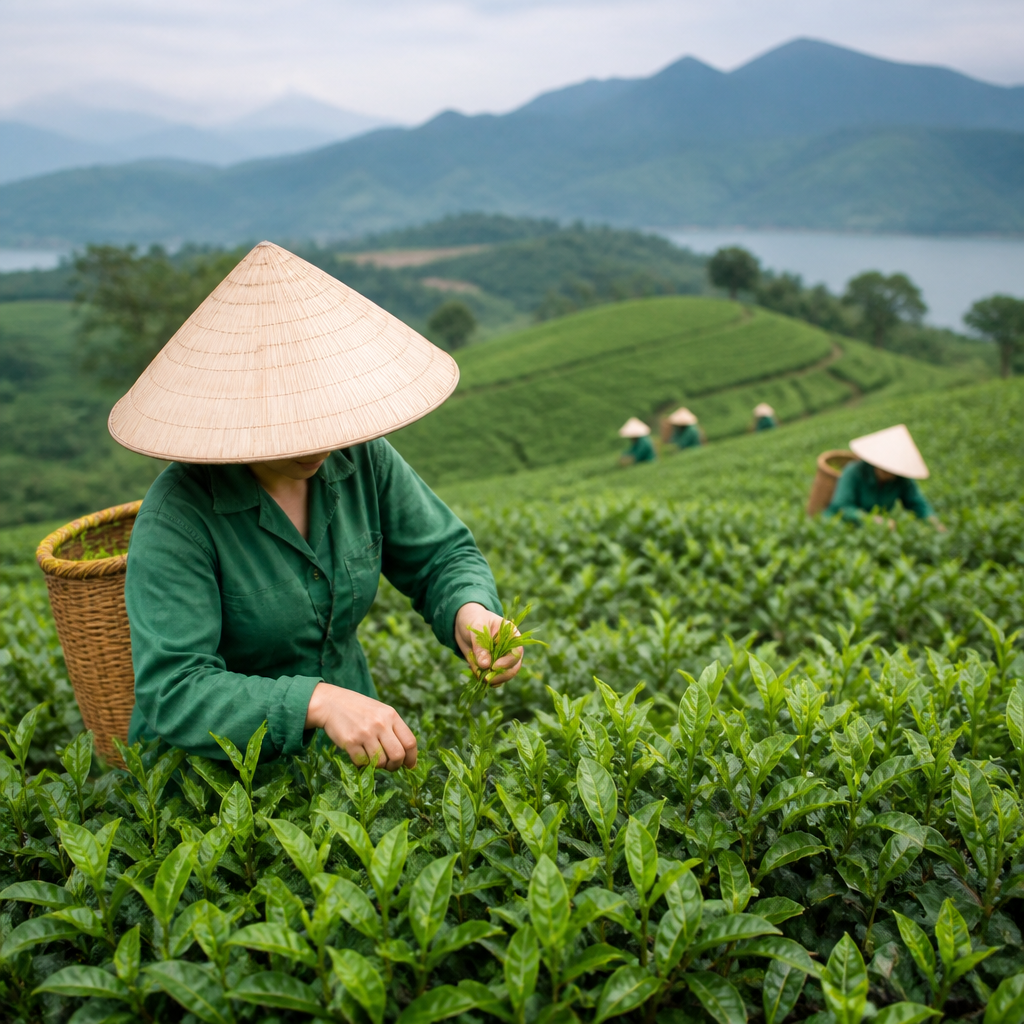
The processing methods of Vietnamese green tea are a fascinating blend of traditional and modern techniques, each contributing uniquely to the tea's final quality and taste. This combination of methods distinguishes Vietnamese green tea in the global market.
Traditional processing techniques often involve meticulous manual steps that have been passed down through generations. These include hand-picking, withering, pan-firing, rolling, and drying. For instance, in the Thai Nguyen region, known for its premium green tea, leaves are carefully hand-picked and then pan-fried at specific temperatures to preserve their natural flavors and nutrients. This method not only enhances the tea's aromatic profile but also maintains its vibrant green color, which is highly valued among tea connoisseurs.
On the other hand, modern processing techniques incorporate advanced machinery and technology to improve efficiency and consistency. These methods can include automated rolling and drying processes that ensure a uniform product. The use of machines helps in maintaining a consistent temperature and humidity level, which is crucial in preserving the tea's quality. For example, some large-scale producers in Vietnam have adopted Japanese steaming techniques to prevent oxidation and lock in the fresh, grassy flavors of the tea leaves.
The influence of these processing methods on the quality and taste of Vietnamese green tea is profound. Traditional methods are known for producing tea with a rich, complex flavor profile that reflects the unique terroir of the region. In contrast, modern methods can produce a cleaner, more uniform taste that appeals to a broader market. The choice of processing technique can significantly affect the tea's aroma, flavor, and even its health benefits, making it a critical factor for Vietnam Green Tea Exporters aiming to cater to diverse consumer preferences.
Specific methods used in Vietnam, such as the "Shan Tuyet" processing, involve a unique combination of both traditional and modern techniques. The leaves are typically harvested from ancient tea trees in the high mountains, then processed using both hand-rolling and mechanical drying to achieve a distinctive flavor that is both robust and smooth.
"The blend of traditional and modern processing techniques allows Vietnamese green tea to cater to both niche markets and mass consumers, ensuring its place as a premium product on the global stage."
In conclusion, the diverse processing methods employed in Vietnam enhance the intrinsic qualities of the tea and provide a competitive edge in the international market. These methods ensure that every cup of Vietnamese green tea delivers a unique and memorable experience to tea enthusiasts worldwide.
Packaging Solutions for Vietnamese Green Tea
In the vibrant world of the green tea industry, packaging plays a crucial role in preserving the quality and freshness of the product. Various types of packaging are employed, each offering unique benefits that cater to different needs and preferences. Among the most prevalent packaging solutions are foil bags, tins, and vacuum-sealed containers.
Foil bags are widely used due to their excellent barrier properties. These bags effectively protect the tea from moisture, light, and air, which are known to degrade the quality of green tea over time. By keeping these elements at bay, foil bags help maintain the tea's natural flavor and aroma, ensuring that consumers enjoy a fresh cup every time.
Tins offer another popular packaging option, combining functionality with aesthetic appeal. Tins are not only durable and reusable, but they also provide a strong barrier against environmental factors. This type of packaging is particularly favored for premium green tea varieties, as it adds a touch of elegance and sophistication, enhancing the overall consumer experience.
Meanwhile, vacuum-sealed containers are the go-to choice for those prioritizing maximum freshness. By removing air from the packaging, these containers significantly extend the shelf life of green tea, preserving its vibrant color and delicate flavors. This method is especially beneficial for exporters aiming to deliver high-quality Vietnamese green tea to international markets.
"The choice of packaging can make or break the consumer's experience with green tea," says a representative from a leading Vietnam Green Tea Exporter.
Each packaging solution offers distinct advantages that contribute to the overall quality and appeal of Vietnamese green tea. By selecting the appropriate packaging, producers can ensure that their tea remains fresh and flavorful, ultimately satisfying the discerning tastes of consumers around the globe.
Quality Standards in Vietnamese Green Tea Production
Ensuring high-quality standards in the production of Vietnamese green tea is crucial for maintaining its reputation and competitiveness on the global market. Both international and local quality standards play a pivotal role in this process, guiding producers to meet rigorous benchmarks that guarantee product excellence.
On the international front, certifications such as the ISO 22000, which focuses on food safety management systems, are commonly pursued by Vietnamese tea producers. This certification not only assures buyers of the safety and quality of the tea but also enhances the credibility of the producers as reliable suppliers. Locally, the Vietnamese Good Agricultural Practices (VietGAP) sets standards for sustainable and safe agricultural production, emphasizing environmental protection and the well-being of workers.
Adhering to these standards is not merely a regulatory requirement but a strategic advantage. By complying with international and local standards, Vietnamese green tea producers can access broader markets and command higher prices. This compliance is particularly important for exporters, as it aligns their products with the expectations of discerning international buyers, who prioritize safety and quality.
- ✅ ISO 22000 Certification: Ensures food safety management, enhancing international market access.
- ✅ VietGAP Standards: Focuses on sustainable practices and worker safety, boosting local credibility.
Several Vietnamese green tea exporters have successfully obtained these certifications, allowing them to stand out in a competitive marketplace. For example, the Phu Da Tea Company, a prominent player in the industry, has achieved both ISO 22000 and VietGAP certifications, showcasing their commitment to quality and sustainable production practices.
"Achieving ISO 22000 and VietGAP certifications has significantly bolstered our market presence and consumer trust," says a representative from Phu Da Tea Company.
In conclusion, the rigorous adherence to quality standards not only ensures the safety and quality of Vietnamese green tea but also strengthens its position as a premium product in the global market. This commitment to excellence is a defining feature of Vietnam Green Tea Exporter's strategy, setting a benchmark for quality that resonates with international buyers.
Buyer Requirements and Expectations
As a prominent Vietnam Green Tea Exporter, understanding the requirements and expectations of international buyers is crucial for success in the competitive global market. Buyers from different regions have specific demands that must be met to ensure continued business relationships and market growth.
- ✅ Common Demands from International Buyers: International buyers frequently demand consistency in product quality, reliable supply chains, and competitive pricing. For instance, buyers in the European Union prioritize organic certifications, while North American markets often require detailed traceability and sustainability reports. These demands highlight the need for exporters to maintain high standards and transparency in their operations.
- ✅ Quality and Flavor Expectations: Buyers expect Vietnamese green tea to exhibit specific quality and flavor profiles that distinguish it from other regional teas. For example, the Thai Nguyen variety is known for its robust, slightly bitter taste, while Shan Tuyet is prized for its delicate sweetness. Meeting these flavor expectations is essential, as it directly affects buyer satisfaction and repeat orders.
- ✅ Importance of Meeting Buyer Needs for Export Success: Addressing buyer requirements is not just about fulfilling a transaction; it's about building a reputation as a reliable supplier. By consistently meeting or exceeding buyer expectations, exporters can secure long-term contracts and expand into new markets. This is particularly important in regions where consumer preferences are rapidly evolving, and competition is intense.
In summary, the ability to understand and meet the specific requirements and expectations of international buyers is a significant factor in the success of any Vietnam Green Tea Exporter. By focusing on quality, flavor, and transparency, exporters can enhance their competitive edge and foster lasting relationships with global partners.