Vietnam Green Coffee Bean Exporter leads the global market with high-quality beans, emphasizing optimal moisture content and precise grading to enhance flavor and freshness.
Vietnamese green coffee beans are distinguished by key attributes including moisture content, screen size, and processing methods. As a major coffee producer, Vietnam holds a vital position in the global coffee industry, especially in the export sector for green coffee beans. These beans, being the raw, unroasted seeds of the coffee plant, are crucial to the coffee supply chain, impacting everything from flavor profiles to market dynamics.
Vietnam's significant role in the coffee industry is highlighted by its status as the world's second-largest coffee producer, just after Brazil. This achievement reflects not only the country's vast agricultural resources but also its strategic emphasis on coffee cultivation and export. Green coffee beans, as the primary export product, undergo meticulous grading and evaluation based on several key attributes. Moisture content, for example, is a crucial factor affecting both the quality and shelf life of the beans. Maintaining ideal moisture content ranges is essential to preserve the beans' integrity during storage and transport. Furthermore, screen size is employed to grade the beans, affecting brewing methods and flavor outcomes. Lastly, defects in coffee beans can significantly alter the final taste, making quality control a vital component of the coffee production process.
Moisture Content in Green Coffee Beans
When it comes to assessing the quality of green coffee beans, the moisture content plays a pivotal role. The standard moisture content range for quality green coffee beans is typically between 10% to 12%. This range is not arbitrary; it is meticulously determined to ensure the beans maintain their optimal quality and longevity.
Moisture content significantly impacts both the quality and shelf life of coffee. Beans with moisture levels outside the standard range can lead to a variety of issues. For instance, beans that are too moist (above 12%) are prone to mold growth and spoilage, which can severely affect the flavor profile and safety of the coffee. On the other hand, beans that are too dry (below 10%) may result in a flat taste and diminished aromatic qualities.
Comparing these standards with international benchmarks, it is evident that the moisture content range adhered to by Vietnamese exporters aligns well with global expectations. Organizations such as the International Coffee Organization (ICO) emphasize similar moisture content guidelines, underscoring the importance of maintaining these levels for quality assurance.
"Maintaining the correct moisture content is crucial for preserving the flavor and aroma of coffee, ensuring it meets both domestic and international quality standards," says a quality control expert from a leading Vietnam Green Coffee Bean Exporter.
By adhering to these moisture content standards, Vietnamese green coffee bean suppliers not only safeguard the quality of their product but also enhance their competitiveness in the global market. This attention to detail ensures that the coffee beans remain fresh and flavorful from the point of export until they reach consumers worldwide.
Screen Size Specifications
The screen size of coffee beans is a critical factor in the grading process, influencing both the quality and marketability of the product. In the context of green coffee beans, screen size refers to the diameter of the holes in the sieve through which the beans are sorted. This measurement is crucial as it helps determine the uniformity and size of the beans, which are key indicators of quality.
In Vietnam, a leading exporter of green coffee beans, common screen sizes range from 13 to 20. These numbers correspond to the diameter in 1/64th of an inch. For instance, a screen size of 18 indicates that the beans will pass through a sieve with holes that are 18/64th of an inch in diameter. The most prevalent sizes for Vietnamese coffee exports are screens 16 and 18, which are often preferred for their balance of size and flavor profile.
Understanding the effects of screen size on brewing and flavor is essential for both producers and consumers. Larger beans, typically those sorted by screens 18 and above, often result in a more consistent roast due to their uniform size. This consistency can lead to a more balanced flavor profile, enhancing the overall coffee experience. On the other hand, smaller beans might roast unevenly, potentially leading to a mix of over-roasted and under-roasted flavors.
Moreover, the screen size can influence the extraction process during brewing. Larger beans, with their denser structure, may require a slightly longer brewing time to fully extract their flavors, while smaller beans may release their flavors more quickly. This variability underscores the importance of selecting the right screen size to match the desired brewing method and flavor profile.
"In the competitive world of coffee trading, the screen size of green coffee beans is not just a number; it’s a marker of quality and an indicator of potential flavor."
For Vietnam Green Coffee Bean Exporters, understanding and utilizing the appropriate screen size specifications is essential to meet international quality standards and consumer expectations. By prioritizing screen size in their grading process, Vietnamese exporters can ensure that their beans not only meet but exceed the demands of the global market.
Defects in Coffee Beans
For any Vietnam Green Coffee Bean Exporter committed to maintaining high-quality standards, understanding the types of defects in green coffee beans is essential. Defects can result from various factors, such as poor agricultural practices, inadequate processing, and improper storage. Common defects include black beans, sour beans, broken beans, and insect-damaged beans, each of which can significantly affect the quality and taste of the coffee.
Black beans, for instance, often result from over-fermentation or poor drying processes, leading to an unpleasant bitter taste. Sour beans, caused by fermentation issues, impart an undesirable sour flavor. Broken beans, which can occur during hulling or handling, may not affect taste significantly but do impact the overall aesthetic and perceived quality of the coffee batch.
The impact of these defects on coffee quality is profound. Not only do they affect the flavor profile, but they also reduce the overall grade of the coffee, potentially lowering its market value. Coffee with a high percentage of defects is often sold at a lower price, as it fails to meet the standards set by international coffee grading systems.
Minimizing these defects requires a comprehensive approach during the processing stages. Key methods include:
- ✅ Selective Harvesting: Picking only ripe cherries to avoid underripe or overripe beans.
- ✅ Proper Fermentation: Ensuring controlled fermentation processes to prevent over-fermentation.
- ✅ Efficient Drying: Using appropriate drying techniques to prevent mold and other moisture-related defects.
- ✅ Regular Quality Checks: Implementing rigorous quality control measures throughout the processing chain.
"Quality control is not just a step in the process; it's an ongoing commitment to excellence," highlights a leading Vietnamese coffee exporter.
By addressing these defects with targeted strategies, Vietnamese green coffee bean exporters can ensure their products meet the high standards expected in the global market, thus enhancing their reputation and competitiveness.
Processing Methods of Vietnamese Green Coffee Beans
Vietnam, as a prominent coffee producer, employs several processing methods to prepare its green coffee beans for export. The three most common methods used are wet processing, dry processing, and honey processing. Each of these methods imparts distinct characteristics to the coffee, influencing its flavor profile and overall quality.
In wet processing, also known as the washed method, the coffee cherries are pulped to remove the outer skin and then fermented to remove the mucilage. This method is known for producing coffee with a clean, bright flavor and higher acidity. Wet processing is favored for high-quality Arabica beans, which are often exported by Vietnam Green Coffee Bean Exporter to meet international standards.
Conversely, dry processing involves spreading the whole cherries out in the sun to dry naturally. This method is less resource-intensive and is traditionally used in regions with limited water supply. The result is a coffee with a heavier body and more complex, fruity flavors. Dry processing is popular for Robusta beans, which constitute a significant portion of Vietnam's coffee exports.
The honey processing method is a hybrid of the wet and dry processes. After pulping, the beans are dried with some of the mucilage still attached, resulting in a coffee that balances the bright acidity of washed coffees with the fuller body of natural coffees. This method is gaining popularity among Vietnamese producers for its unique flavor attributes.
"The choice of processing method is crucial as it significantly affects the final flavor profile of the coffee," says a representative from a leading Vietnamese coffee export firm.
Moreover, innovations in processing techniques are continuously emerging in Vietnam. Advanced technologies and methods, such as controlled fermentation and mechanical drying, are being adopted to enhance consistency and quality. These innovations not only improve the efficiency of processing but also allow for more precise control over flavor development, catering to the diverse preferences of global coffee consumers.
By understanding and utilizing these diverse processing methods, Vietnam Green Coffee Bean Exporter ensures that their products meet the varied tastes and high standards expected in the international market.
Packaging Standards for Export
In exporting green coffee beans, the selection of packaging materials and methods is critical to maintaining the quality and freshness of the beans during transport. Vietnam Green Coffee Bean Exporters utilize a range of packaging solutions designed to meet international standards and preserve product integrity.
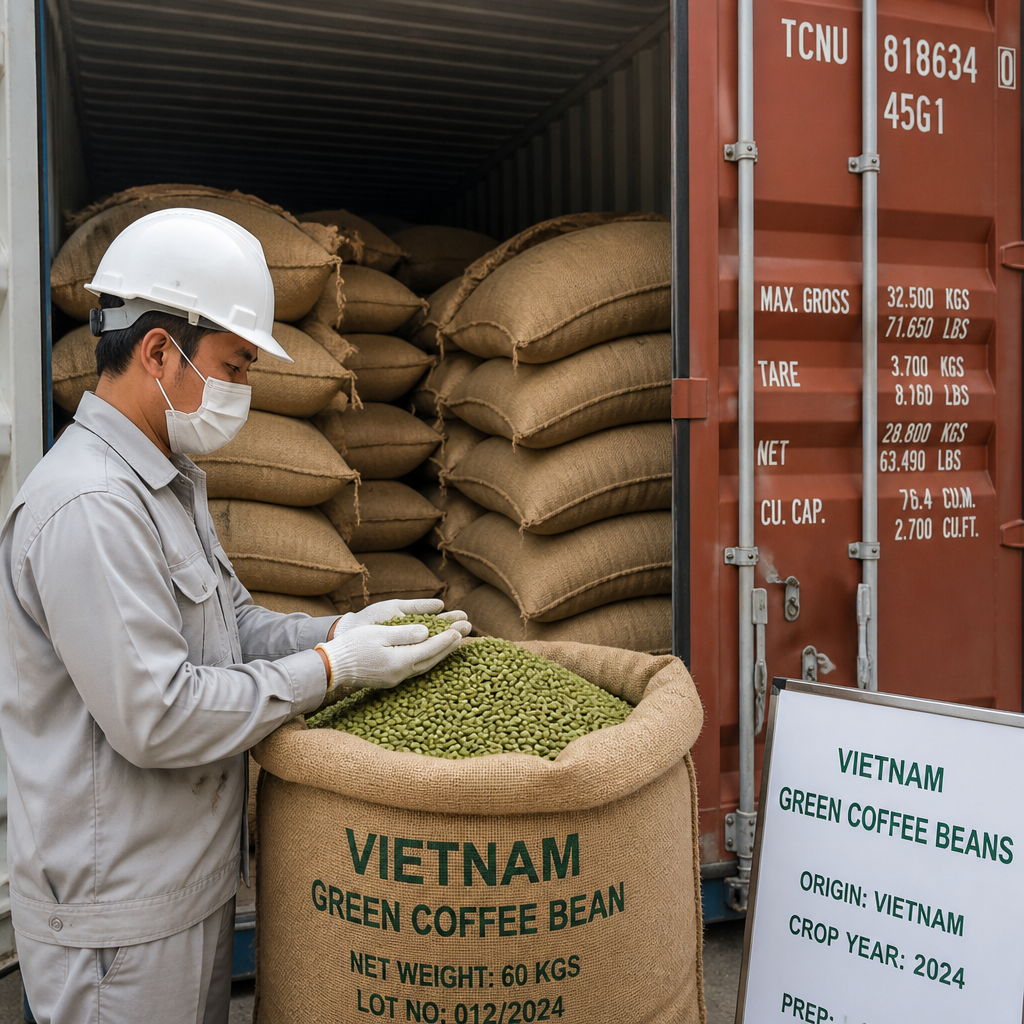
Commonly used packaging materials include jute bags, GrainPro bags, and vacuum-sealed containers. Jute bags are traditional and cost-effective, allowing for adequate air circulation, which is essential for maintaining the beans' quality over long distances. However, they offer limited protection against moisture and pests. To address these limitations, many exporters now opt for GrainPro bags, which are hermetically sealed to prevent moisture ingress and extend the shelf life of the beans. Vacuum-sealed containers provide the highest level of protection by completely removing air, thereby preserving the beans' aroma and flavor until they reach their destination.
The importance of packaging cannot be overstated. Proper packaging not only safeguards the beans from environmental factors but also plays a significant role in maintaining the desired moisture content, which is pivotal for preserving the coffee's quality. By preventing moisture fluctuations, exporters can ensure that the beans remain within the optimal moisture range, thereby reducing the risk of mold and spoilage.
When it comes to packaging sizes and formats, exporters typically offer a range of options to cater to different market needs. Standard packaging sizes for export include 60-kilogram jute bags, which are widely used due to their ease of handling and transportation. For markets requiring smaller quantities, 25-kilogram GrainPro bags are also available, offering a balance between convenience and protection. These varied packaging formats allow exporters to accommodate diverse customer requirements while ensuring the beans' quality is uncompromised.
"The choice of packaging is as critical as the coffee itself. It is the first line of defense in preserving the beans' quality." - Industry Expert
In conclusion, the meticulous selection of packaging materials and methods by Vietnam Green Coffee Bean Exporter underscores the importance of quality preservation in the global coffee trade. By adhering to stringent packaging standards, exporters can ensure that their green coffee beans reach international markets in prime condition, ready to be transformed into the perfect cup of coffee.
Minimum Order Quantity (MOQ) and Container Loading
In the coffee trade, the concept of Minimum Order Quantity (MOQ) is pivotal for both suppliers and buyers. MOQ refers to the smallest amount of product that a supplier is willing to sell. This is crucial in the context of coffee trade as it directly impacts the logistics, pricing, and inventory management for both parties involved. For Vietnamese green coffee bean exporters, understanding and setting an appropriate MOQ is essential to efficiently manage production costs and meet international demand.
Typically, Vietnamese coffee exporters set their MOQ based on several factors, including production capacity, shipping logistics, and market demand. A common MOQ for Vietnamese green coffee beans is around 10 metric tons. This quantity allows exporters to optimize their production and shipping processes, ensuring that the quality of the beans is maintained while also being economically viable for both the exporter and the buyer.
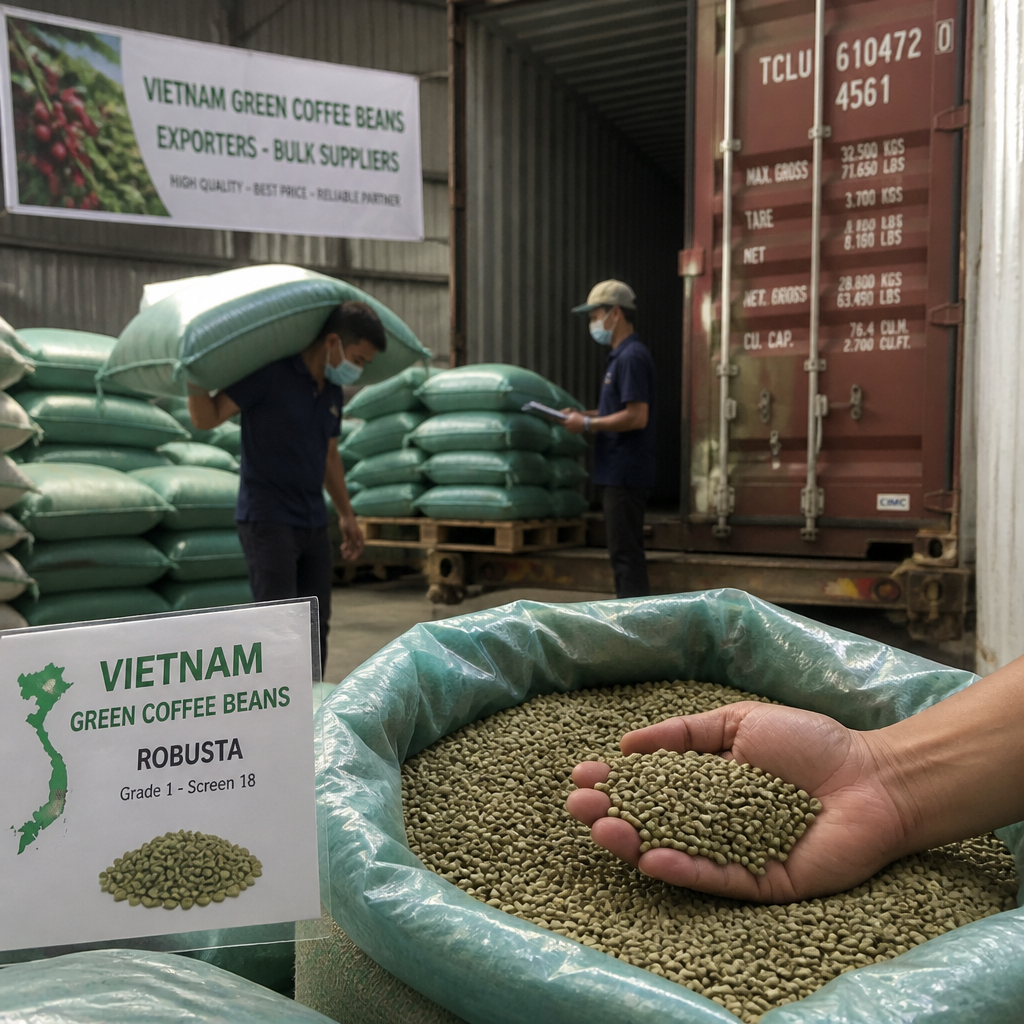
Container loading specifications are another critical aspect of the coffee export process. Standard shipping containers come in two primary sizes: 20-foot and 40-foot containers. Each type has its own loading specifications and capacity, which can significantly affect the overall cost and efficiency of the export process. A 20-foot container typically holds around 18 to 21 metric tons of coffee beans, while a 40-foot container can accommodate approximately 25 to 30 metric tons. The choice between these containers depends on the buyer's order size and the logistical arrangements available.
Optimization of container loading involves not only maximizing the quantity of green coffee beans that can be shipped but also ensuring that the beans are packed in a manner that preserves their quality. This includes using appropriate packaging materials and methods, such as jute bags or GrainPro liners, which help to maintain the beans' moisture content and protect them from external elements during transit.
"Efficient container loading is not just about quantity; it's about quality assurance and cost-effectiveness," says a representative from a leading Vietnam Green Coffee Bean Exporter.
In summary, effectively managing MOQ and container loading specifications is vital for Vietnamese coffee exporters to stay competitive in the global market. By optimizing these areas, exporters can meet international buyer demands while maintaining the quality and integrity of their coffee beans.
Conclusion
As a prominent Vietnam Green Coffee Bean Exporter, Vietnam is renowned for its high-quality coffee beans, characterized by specific attributes such as optimal moisture content, precise screen size, and minimal defects. These attributes not only ensure superior quality but also enhance the flavor profile, making Vietnamese coffee highly sought after in the global market.
Vietnam plays a crucial role in the global coffee market, being the second-largest coffee producer worldwide. This position highlights the country's significant contribution to the coffee industry, providing a diverse range of coffee beans that cater to various consumer preferences and brewing methods. The strategic location and favorable climate conditions further bolster Vietnam's capacity to produce and export vast quantities of coffee, solidifying its status as a key player in the industry.
Looking ahead, the coffee industry is poised for several exciting trends and potential developments. There is a growing interest in sustainable and innovative processing methods, which not only improve the quality of coffee but also reduce environmental impact. Additionally, the increasing demand for specialty coffee and the rise of new consumer markets present ample opportunities for Vietnamese exporters to expand their reach and influence. Embracing these trends will be essential for maintaining Vietnam's competitive edge and continuing its legacy as a leading coffee supplier.
"Vietnam’s coffee industry is not just about quantity; it is about quality and innovation, ensuring its continued growth and relevance in the global market."