Vietnam Fruit Exporter faces fierce global competition, necessitating innovation and strict quality standards to enhance its reputation for fresh tropical fruits.
Vietnam's tropical fruit export industry faces several significant challenges that must be addressed to maintain and expand its position in the global market. One of the primary challenges is the high competition in global markets. Countries like Thailand, the Philippines, and Indonesia are also major exporters of tropical fruits, offering similar products at competitive prices. This intense competition requires Vietnamese exporters to continuously innovate and improve their offerings to stand out.
Another critical aspect is the need for strict quality control and certifications. To compete effectively, Vietnamese exporters must ensure that their fruits meet rigorous quality standards. This includes obtaining certifications such as GlobalG.A.P. and VietG.A.P., which are essential for accessing premium markets. These certifications assure international buyers of the safety and quality of the products, thus enhancing trust and demand.
Compliance with international standards is non-negotiable for Vietnam Fruit Exporters aiming to penetrate and sustain their presence in lucrative markets like the EU, Japan, and the United States. Each of these markets has specific regulatory requirements that must be met, from pesticide residues to packaging standards. Failure to comply can result in shipment rejections, financial losses, and even bans, making it imperative for exporters to stay updated on these regulations.
Furthermore, geographical and logistical challenges pose significant hurdles. The transportation of perishable goods like tropical fruits requires efficient logistics solutions to ensure freshness upon arrival. Vietnam's infrastructure, although improving, still faces issues such as inadequate cold chain facilities and transportation delays. These logistical difficulties can lead to increased costs and reduced competitiveness in the global market.
Overcoming these challenges is essential for Vietnam to boost its export potential and establish a strong reputation as a dependable supplier of fresh tropical fruits on the global stage.
Consequences of Ineffective Export Practices
The landscape of global fruit export is fiercely competitive, and for a Vietnam Fruit Exporter, ineffective export practices can lead to significant setbacks. One of the most immediate consequences is the loss of market share to more agile and compliant competitors. Countries like Thailand and the Philippines, which are also major tropical fruit exporters, have made substantial inroads into markets where Vietnam once held sway. This shift is often due to their adherence to international quality standards and efficient supply chain management.
Moreover, ineffective practices can lead to potential bans or restrictions from key markets. For instance, the European Union and the United States have stringent import regulations that, if not met, can result in temporary or permanent bans. Such actions not only cut off access to lucrative markets but also necessitate costly adjustments to meet compliance, thereby straining resources and delaying market re-entry.
Financial repercussions are also substantial. Rejected shipments due to non-compliance with quality standards or improper documentation can result in direct financial losses. The costs associated with these rejections include not just the value of the lost shipment, but also additional expenses related to storage, disposal, and potential re-export efforts.
Finally, the damage to reputation and brand image can have long-lasting effects. In the global marketplace, reputation is paramount. Incidents of non-compliance or poor quality can lead to a tarnished image, making it challenging to regain trust with international buyers. This reputational damage can extend beyond immediate financial losses, affecting long-term business relationships and reducing the competitiveness of Vietnamese fruits in the global market.
"A single rejected shipment can cost a company not only in immediate financial terms but also in terms of long-term market trust," notes an industry expert.
Therefore, ineffective export practices have diverse impacts, affecting market share, financial outcomes, and brand reputation. Tackling these challenges is vital for preserving Vietnam's status as a top exporter of tropical fruits.
Optimizing Export Potential of Vietnamese Tropical Fruits
In the competitive landscape of global fruit exports, Vietnam Fruit Exporter has recognized the critical need to optimize its strategies to enhance the export potential of its tropical fruits. This involves a multifaceted approach that addresses quality standards, market focus, and logistical efficiency.
Firstly, compliance with international standards such as GlobalG.A.P., VietG.A.P., and HACCP is non-negotiable. These certifications ensure that Vietnamese fruits meet the rigorous safety and quality requirements demanded by international buyers. For instance, GlobalG.A.P. certification is crucial for accessing the European market, which prioritizes food safety and sustainable farming practices. This adherence not only opens doors to high-value markets but also builds trust with consumers globally.
Moreover, the implementation of traceability systems and modern packaging solutions is essential. Traceability systems allow for the tracking of fruit from farm to table, ensuring transparency and accountability. This is particularly important in markets such as Japan and the EU, where consumers are increasingly concerned about the origins and safety of their food. Modern packaging, on the other hand, helps preserve the freshness and quality of fruits during transit, reducing spoilage and waste.
Focusing on key export markets such as China, Japan, South Korea, and the EU is a strategic move. These regions represent significant opportunities due to their high demand for tropical fruits. For example, China remains a dominant importer of Vietnamese dragon fruit, while Japan and South Korea have shown growing interest in other varieties like mango and lychee.
An often overlooked but crucial aspect of optimizing export potential is leveraging government oversight for quality control. The Vietnamese government plays a pivotal role in monitoring and enforcing quality standards, which helps maintain the reputation of Vietnamese fruits on the global stage.
Finally, enhancing logistics with temperature-controlled shipments ensures that fruits are delivered in optimal condition. This is particularly vital for tropical fruits, which are sensitive to temperature fluctuations. By investing in advanced logistics solutions, Vietnam Fruit Exporter can minimize spoilage and extend the shelf life of its products, thus increasing their appeal in distant markets.
"Meeting international standards and utilizing advanced logistics are crucial for maximizing the export potential of Vietnamese tropical fruits."
Through these strategic enhancements, Vietnam Fruit Exporter is poised to strengthen its position in the global market, ensuring that its tropical fruits remain competitive and in high demand worldwide.
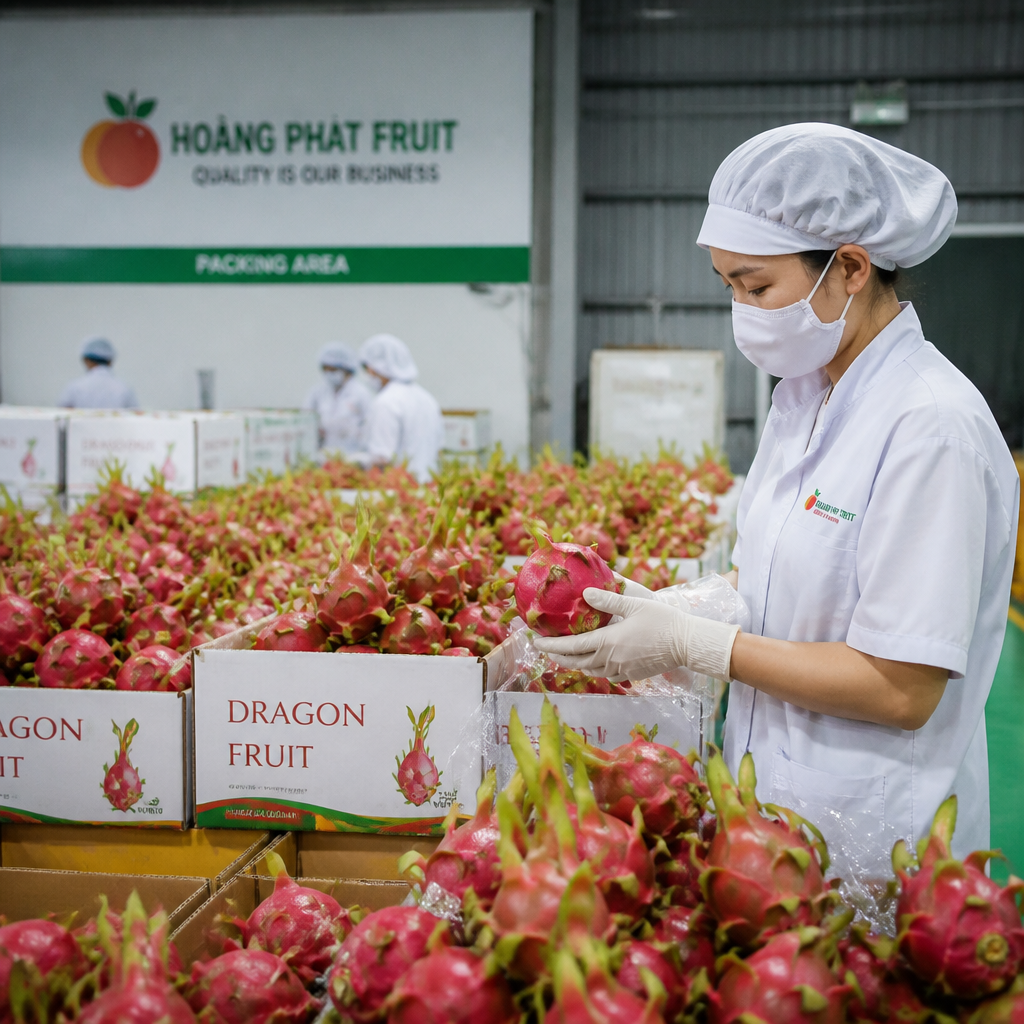
Key Vietnamese Fruits for Export
Vietnam has established itself as a significant player in the global fruit export market, thanks to its diverse range of tropical fruits. The country's fertile regions, particularly the Mekong Delta and Binh Thuan, are the primary sources of these exports. Among the most notable fruits that Vietnam exports are dragon fruit, mango, lychee, longan, banana, durian, and pomelo.
Dragon fruit holds a special place as Vietnam's top export, especially to markets such as China, Japan, South Korea, and the EU. This fruit is not only popular for its unique appearance and taste but also for its health benefits, making it a sought-after commodity in these regions. The demand for dragon fruit in these countries underscores its potential as a lucrative export product.
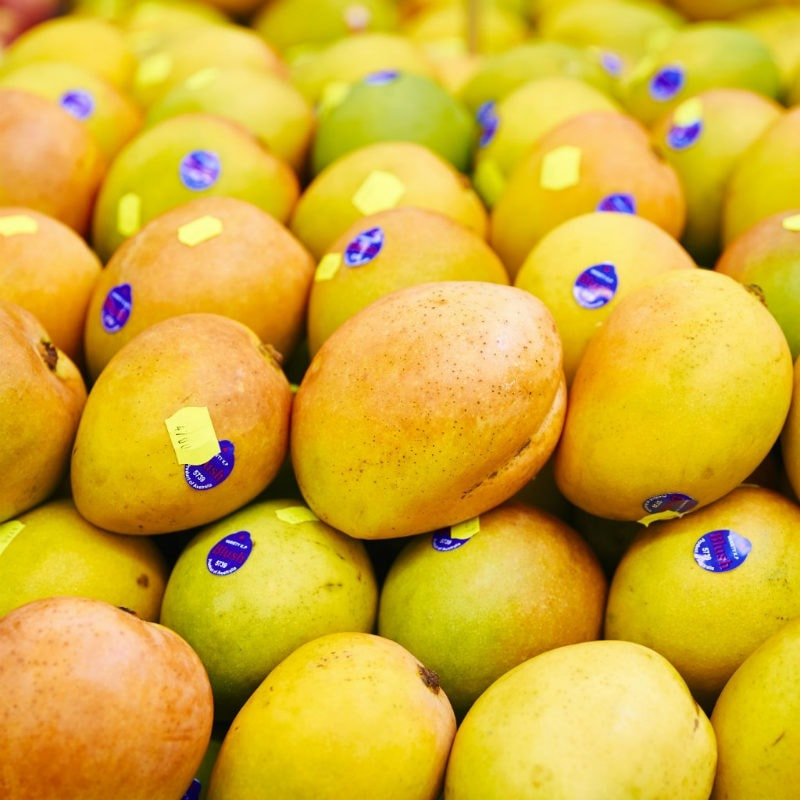
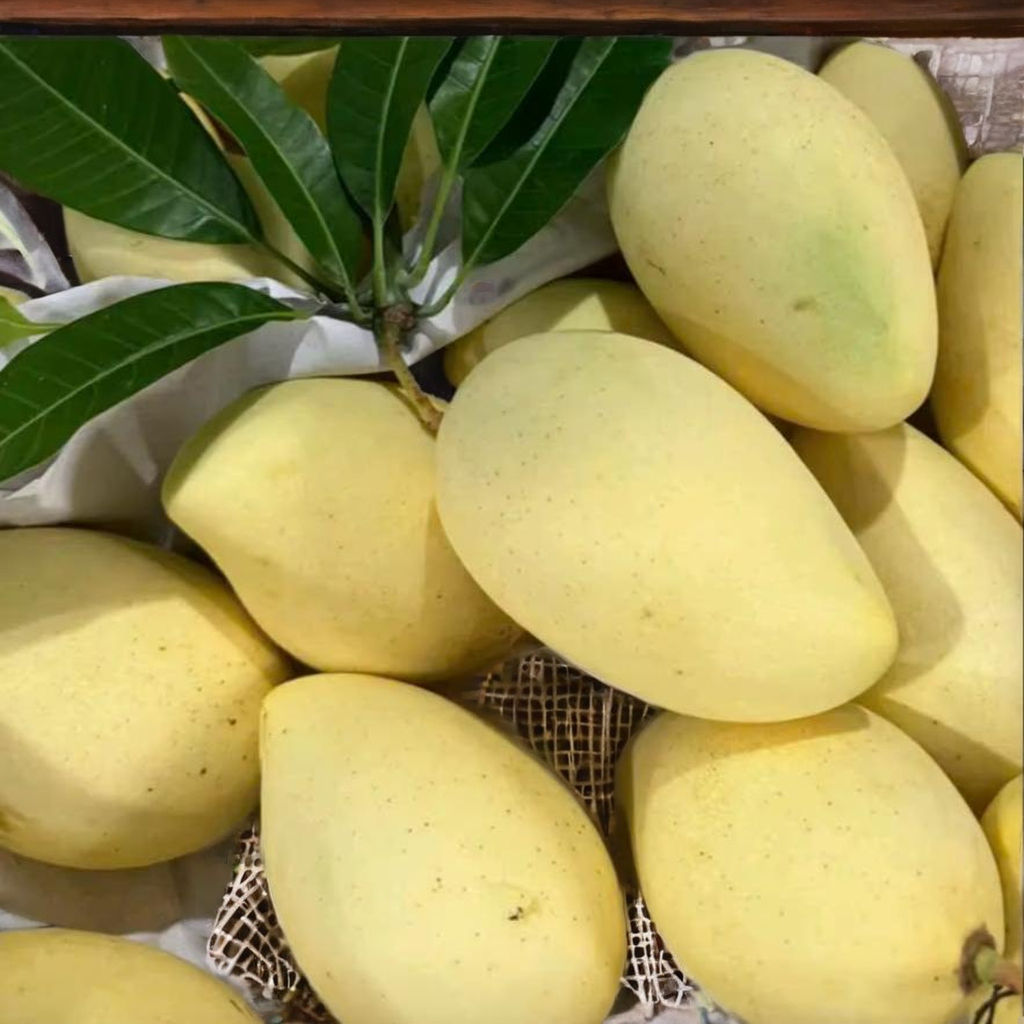
Other fruits like mango and lychee also contribute significantly to Vietnam's export portfolio. Mangoes are favored for their sweet flavor and are predominantly exported to China, where they are highly prized. Lychees, with their distinctive taste and texture, have found a steady market in the EU and North America, where consumers appreciate exotic fruits.
Longan and banana are also key exports, with bananas being particularly popular in the Middle East and Russia. The versatility and year-round availability of bananas make them a staple in many international markets. Meanwhile, longan has gained popularity in China and the United States due to its sweet taste and nutritional value.
Another fruit that has shown promising export potential is the durian. Known as the "king of fruits," durian is particularly popular in China and has been gaining traction in other Asian markets due to its unique flavor and aroma.
Finally, the pomelo, a citrus fruit known for its refreshing taste, is exported mainly to the EU and North America. Its high vitamin C content and refreshing flavor make it a popular choice among health-conscious consumers.
The success of these fruits in international markets highlights Vietnam's capability as a Vietnam Fruit Exporter. By focusing on these key fruits, Vietnam can continue to strengthen its position in the global market, ensuring sustainable growth and economic benefits for its agricultural sector.
Export Standards and Practices
In the fiercely competitive global market, ensuring the quality and safety of Vietnamese tropical fruits is paramount. To address these challenges, Vietnam Fruit Exporter has implemented stringent quality control measures. These measures are critical for maintaining the integrity and freshness of fruits throughout the supply chain, from harvest to delivery. By adhering to rigorous quality checks, exporters can minimize the risk of shipments being rejected due to quality issues, which can lead to significant financial losses and damage to brand reputation.
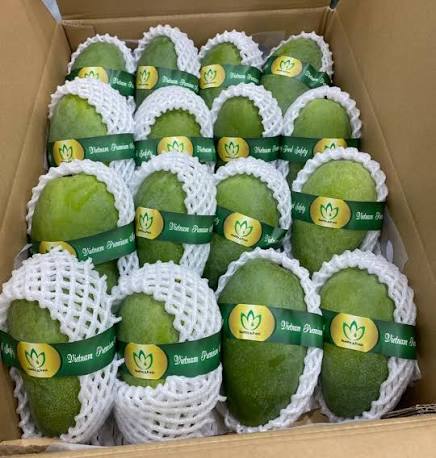
Packaging plays a crucial role in maintaining fruit quality during transportation. Vietnam Fruit Exporter employs advanced packaging standards designed to protect fruits from physical damage and environmental factors. For instance, the use of temperature-controlled packaging solutions helps preserve the freshness of fruits like dragon fruit and mango, which are particularly sensitive to temperature fluctuations. Such innovations not only extend the shelf life of the products but also enhance their appeal in international markets.
Compliance with international certifications is another vital aspect of Vietnam's export strategy. Certifications such as VietGAP and GlobalGAP are essential for meeting the stringent requirements of key markets like the EU, Japan, and South Korea. These certifications ensure that the fruits are produced following good agricultural practices, which cover aspects like food safety, environmental management, and worker welfare. By obtaining these certifications, Vietnam Fruit Exporter not only meets the compliance standards but also enhances its credibility and trustworthiness in the eyes of international buyers.
"Following VietGAP and GlobalGAP standards goes beyond compliance; it showcases our dedication to quality and sustainability," states a representative from Vietnam Fruit Exporter.
Overall, the implementation of these export standards and practices is crucial for Vietnam to maintain its competitive edge in the global fruit market. By focusing on quality control, innovative packaging, and compliance with international certifications, Vietnam Fruit Exporter is well-positioned to meet the demands of discerning international consumers and expand its market reach.
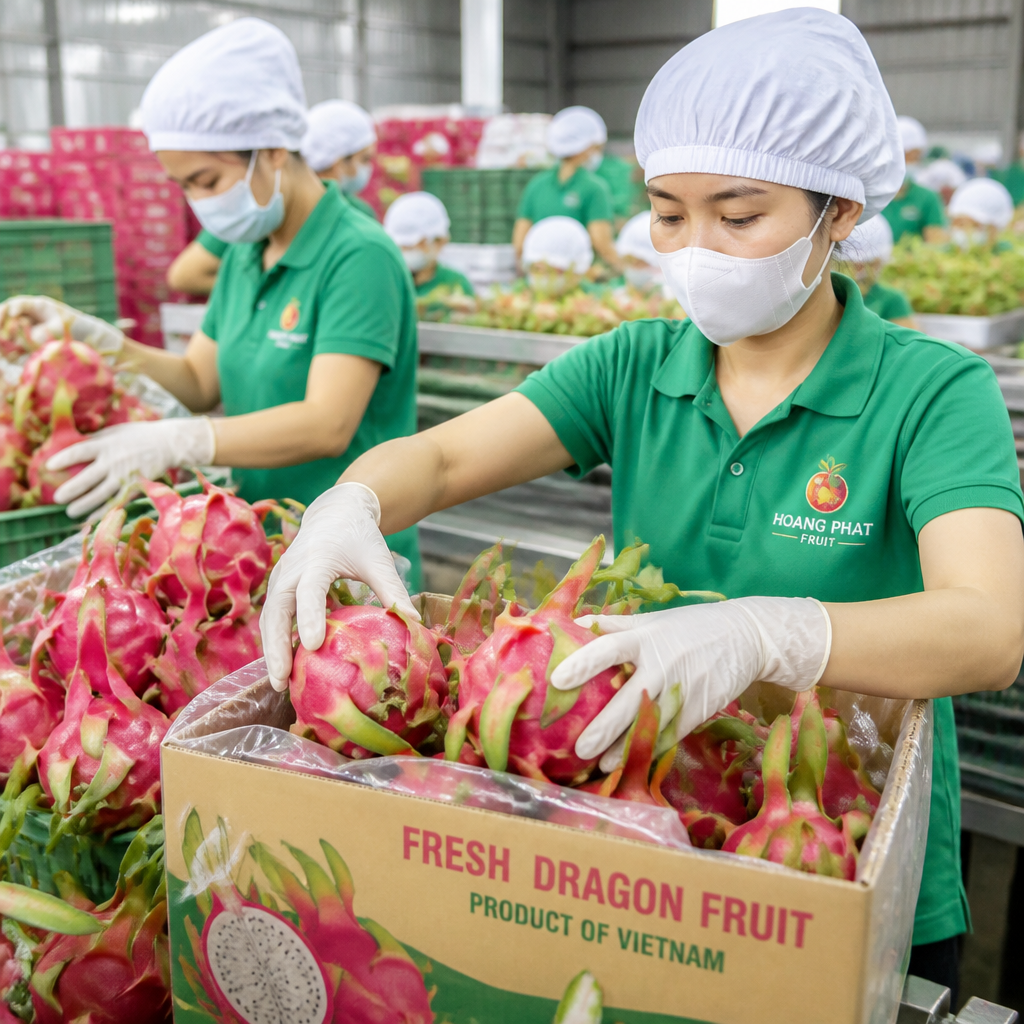
Logistics and Export Volume
Vietnam's fruit export industry has demonstrated remarkable growth and resilience, evidenced by its impressive annual export volume of 1.5 to 2 million tons. This substantial volume underscores the country's capacity to meet global demand, positioning Vietnam as a significant player in the international tropical fruit market. The logistics underpinning this success are both robust and sophisticated, ensuring that fruits reach their destinations in optimal condition.
Contributing over 4 billion USD annually to the economy, the fruit export sector is not only a vital revenue stream but also a testament to the efficiency of Vietnam's logistical strategies. This economic contribution highlights the sector's importance to the national economy and underscores the need for ongoing investment and innovation in logistics and supply chain management.
To maintain the quality and freshness of the fruits during transit, Vietnam utilizes a combination of air and sea freight methods. Both modes are equipped with advanced temperature control systems, which are crucial for preserving the quality of tropical fruits that are often sensitive to temperature fluctuations. The use of temperature-controlled logistics is particularly important for fruits like dragon fruit, mango, and lychee, which are among the top exports.
"Incorporating temperature-controlled freight systems has been essential in minimizing spoilage and preserving the high quality of Vietnamese fruits during export."
This strategic use of logistics not only helps in maintaining fruit quality but also enhances Vietnam's reputation as a reliable supplier of fresh produce. By ensuring that fruits arrive in peak condition, Vietnam strengthens its competitive edge in markets such as China, Japan, South Korea, and the EU.
Overall, the logistics and export volume of Vietnam's fruit industry reflect both the challenges and triumphs of navigating global markets. As the industry continues to evolve, the focus on enhancing logistical capabilities will be crucial in sustaining growth and expanding market reach.
Conclusion and Future Prospects
The future of Vietnam's fruit export industry is ripe with potential, especially as the country looks to expand into new markets. As global demand for tropical fruits continues to rise, Vietnam is well-positioned to capitalize on this trend. The country's diverse range of fruits, from dragon fruit to durian, offers a unique appeal to international consumers. However, tapping into these new markets will require a strategic approach that emphasizes quality and innovation.
Maintaining high standards is crucial for Vietnam Fruit Exporter to remain competitive on the global stage. The adherence to certifications such as GlobalG.A.P. and VietG.A.P. not only ensures compliance with international standards but also builds trust with new market partners. Innovation, particularly in packaging and logistics, will further enhance the quality of Vietnamese fruits during transportation, making them more attractive to overseas buyers.
Looking ahead, there are significant growth opportunities in the global fruit export market. With an annual export volume of 1.5-2 million tons and a contribution of over 4 billion USD per year, the potential for expansion is vast. Emerging markets in regions such as the Middle East and Africa offer promising avenues for growth. Additionally, strengthening ties with existing key markets like China, Japan, South Korea, and the EU can further boost Vietnam's export volumes.
"Vietnam's fruit export industry stands at the threshold of a new era, with opportunities to expand market reach and bolster its reputation as a premier supplier of high-quality tropical fruits."
In conclusion, while challenges remain, the prospects for Vietnam's fruit export industry are bright. By focusing on maintaining high standards and embracing innovation, Vietnam can secure its position as a major player in the global fruit market, ensuring long-term growth and success.