Vietnam Fresh Onion Exporter offers diverse onion varieties, ensuring premium quality and freshness through advanced farming and meticulous handling practices.
Vietnam is renowned for producing a variety of onion types, prominently featuring both red and white onion varieties. Each type brings its own distinct flavors to the culinary table, making them a staple in diverse dishes not only locally but also in international cuisines. Red onions, known for their mild and slightly sweet flavor, are often used raw in salads, sandwiches, and as garnishes due to their appealing color and taste. On the other hand, white onions, with their sharper and more pungent flavor, are preferred for cooking, especially in dishes that require a more intense onion flavor.
These onion varieties are not just diverse in flavor but also in their regional characteristics. The climate and soil conditions across different regions in Vietnam contribute to subtle differences in taste and texture. For instance, onions from the Mekong Delta are often noted for their juiciness and sweetness, a result of the fertile soil and favorable growing conditions. Meanwhile, those grown in the northern regions might have a slightly more robust flavor, catering to different culinary needs. This regional diversity allows Vietnam Fresh Onion Exporters to offer a wide range of options to meet the varied demands of global markets, enhancing Vietnam's reputation as a versatile and reliable supplier of fresh onions.
Size and Quality of Onions
When it comes to the size and quality of onions, several factors come into play, each significantly impacting the marketability and consumer preference for these essential culinary staples. A primary aspect to consider is the variation based on growing region. Vietnam, as a major player in the onion export market, boasts diverse agricultural regions, each contributing unique characteristics to the onions produced. For instance, onions cultivated in the Mekong Delta often exhibit a different size and flavor profile compared to those grown in the Central Highlands due to the distinct soil and climate conditions.
Another crucial factor is the categorization by size for different markets. Onions are typically sorted into various size categories to meet the specific demands of different international markets. Smaller onions, often preferred in Asian cuisines for their delicate flavor, might be categorized separately from larger onions, which are favored in Western markets for their robust taste and versatility in cooking. This categorization not only facilitates targeted marketing strategies but also ensures that the produce meets the culinary preferences of diverse consumer bases.
The impact of farming practices on quality cannot be overstated. Advanced farming techniques, such as crop rotation and the use of organic fertilizers, play a pivotal role in enhancing the quality of onions. These practices help in producing onions that are not only free from chemical residues but also possess superior taste and texture. Furthermore, sustainable farming practices contribute to the long-term health of the soil, ensuring consistent quality in future harvests. As consumers become increasingly conscious of food safety and environmental impact, the emphasis on quality driven by farming practices becomes a significant selling point for exporters like Vietnam Fresh Onion Exporter.
In summary, the size and quality of onions from Vietnam are influenced by regional growing conditions, strategic size categorization for market demands, and the adoption of sustainable farming practices. These factors collectively ensure that Vietnamese onions maintain a competitive edge in the global market, meeting the high standards expected by international consumers.
Maintaining Freshness
Ensuring the freshness of onions is a critical aspect for any Vietnam Fresh Onion Exporter, directly influencing the quality and marketability of the produce. One of the most crucial steps in this process is harvesting at the right time. Onions must be harvested when they have reached the optimum maturity level. Harvesting too early can result in underdeveloped bulbs that lack flavor, while harvesting too late may lead to over-mature onions that are prone to spoilage and have a reduced shelf life.
Post-harvest handling techniques also play a pivotal role in maintaining the quality of onions. These techniques include curing, cleaning, grading, and storing onions in appropriate conditions. Curing is particularly important as it helps to dry the outer layers of the onion, reducing moisture content and thus minimizing the risk of rot during storage and transportation. Proper cleaning and grading ensure that only high-quality onions are selected for export, which is essential for meeting international standards and customer expectations.
These practices significantly impact export quality. High-quality post-harvest handling not only preserves the physical appearance of the onions but also maintains their nutritional value and taste. This is essential for exporters targeting competitive markets where consumers expect fresh and flavorful produce. Furthermore, well-maintained onions have a longer shelf life, which is crucial when shipping to distant markets where transit times can be extended.
"The timing of harvest and the meticulous handling of onions post-harvest are key determinants in the success of Vietnam's onion exports."
In conclusion, for a Vietnam Fresh Onion Exporter, mastering the art of maintaining freshness through timely harvesting and proficient post-harvest handling is not just about preserving the product; it is about enhancing its value and ensuring it meets the high standards expected in international markets.
Packaging Techniques
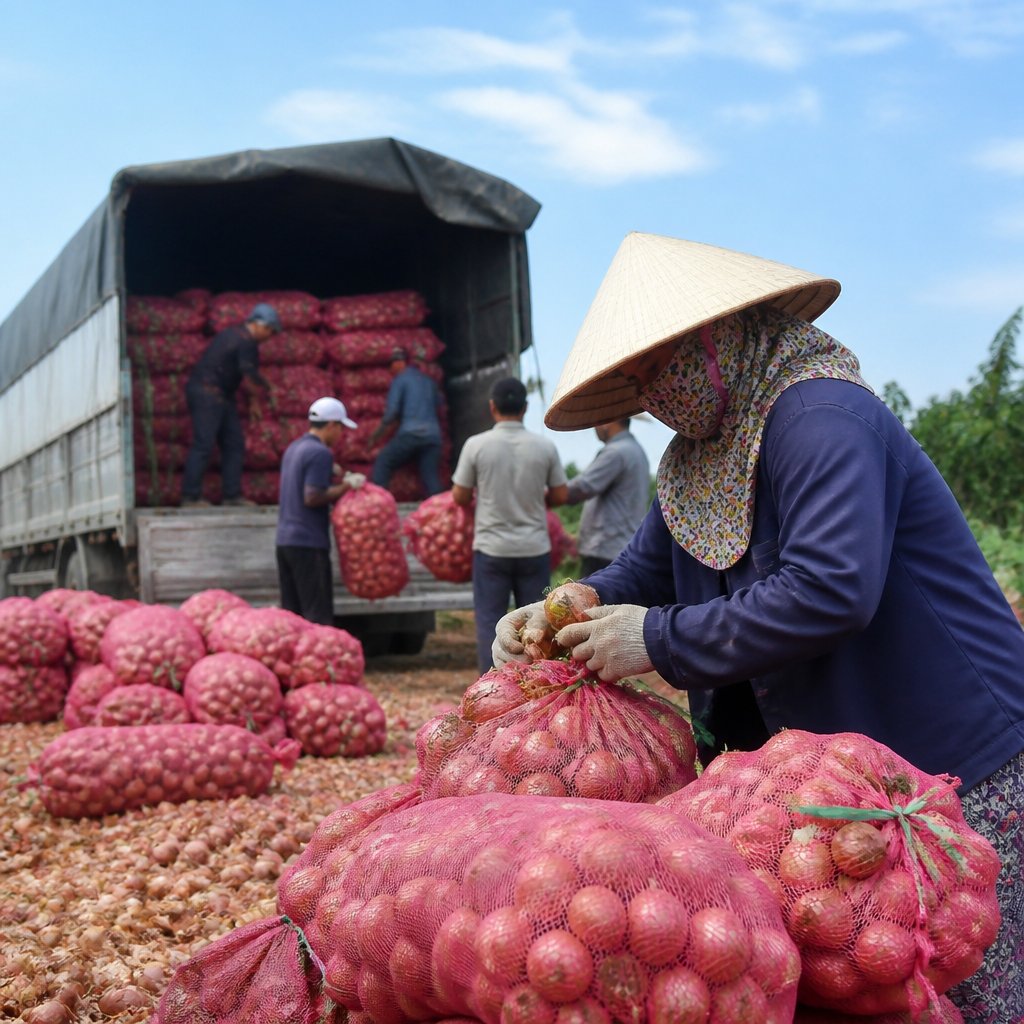
In the realm of exporting fresh onions, the choice of packaging plays a pivotal role in maintaining the quality and freshness of the produce. The Vietnam Fresh Onion Exporter employs strategic packaging methods to ensure that onions reach their destinations in optimal condition. Two primary packaging options are utilized: mesh bags and cartons.
Mesh bags are favored for their ability to provide excellent ventilation, which is crucial in preventing moisture build-up. This ventilation is essential as it helps regulate the humidity levels around the onions, thereby reducing the risk of spoilage during transit. The use of mesh bags allows air to circulate freely, which is particularly important given that onions are prone to rot if exposed to excess moisture.
On the other hand, cartons offer a more protective packaging solution, shielding the onions from physical damage during handling and transportation. While they may not provide the same level of ventilation as mesh bags, cartons can be designed with ventilation holes to facilitate airflow. This combination of protection and ventilation makes cartons a versatile choice, especially for longer shipping routes where the produce might be subject to varying environmental conditions.
Proper ventilation in packaging is vital. Without adequate airflow, onions are susceptible to mold and decay, which can compromise entire shipments. By utilizing packaging that prioritizes ventilation, the Vietnam Fresh Onion Exporter ensures that their onions remain fresh and free from spoilage, ultimately preserving the quality that is expected by international markets.
"Effective packaging is not just about containment; it's about creating an environment that preserves the quality of the produce."
In conclusion, the strategic use of mesh bags and cartons, combined with a focus on ventilation, plays a critical role in preventing spoilage during transit. This approach not only safeguards the onions but also enhances the reputation of the Vietnam Fresh Onion Exporter as a reliable supplier in the global market.
Storage Requirements
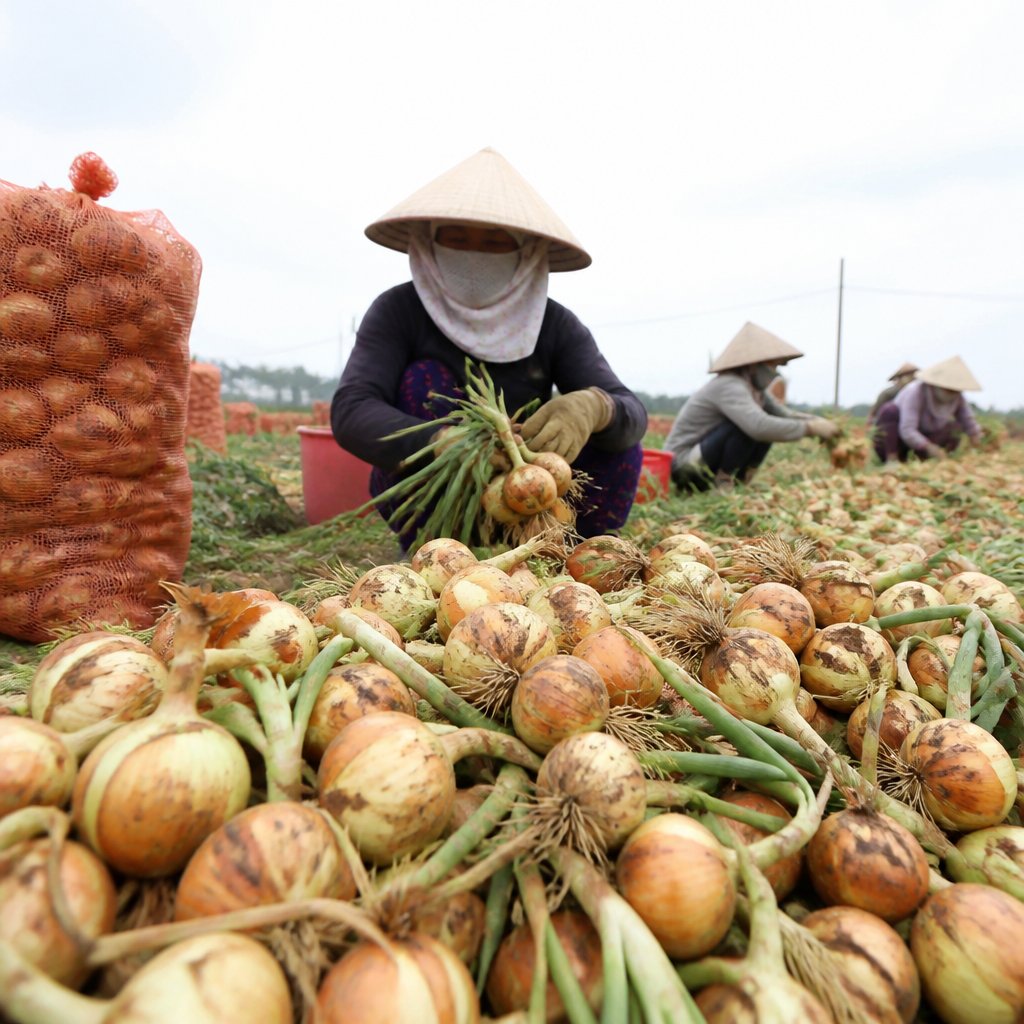
For any Vietnam Fresh Onion Exporter, ensuring optimal storage conditions is crucial to maintaining the quality and longevity of onions. The ideal environment for storing onions is one that is cool, dry, and well-ventilated. These conditions not only help in preserving the onions' freshness but also prevent spoilage and loss of quality during storage.
Temperature plays a significant role in onion storage. Onions should be kept in a cool environment, ideally between 32°F and 40°F (0°C to 4°C), to slow down the metabolic processes and delay sprouting. High temperatures can accelerate decay and lead to a higher incidence of spoilage. Equally important is the need for a dry environment, as excessive moisture can promote mold growth and rot. Therefore, maintaining low humidity levels is essential.
Ventilation is another critical factor. Proper airflow helps in dissipating the natural gases released by onions, which, if accumulated, can hasten spoilage. It also aids in keeping the onions dry, reducing the risk of moisture-related issues.
"Effective storage management can extend the shelf life of onions by several weeks, ensuring they remain fresh and market-ready."
To achieve these storage conditions, several strategies can be employed:
- ✅ Use of Ventilated Containers: Storing onions in mesh bags or perforated crates allows for better airflow compared to sealed containers.
- ✅ Temperature Control Systems: Installing temperature control systems in storage facilities can help maintain the ideal temperature range consistently.
- ✅ Regular Monitoring: Frequent checks on temperature and humidity levels ensure that conditions remain within the desired range, allowing for quick adjustments if necessary.
By implementing these strategies, suppliers can significantly enhance the quality of their onions, ensuring they meet the high standards expected in international markets. This not only boosts the reputation of the exporter but also contributes to the overall success of the supply chain from Vietnam to global destinations.
Cold-Chain Requirements for Export
Ensuring the freshness of onions during export is crucial, and this is where the cold chain comes into play. The need for a cold chain largely depends on the destination of the shipment. For instance, onions exported to countries with warmer climates or longer transit times require more stringent cold-chain logistics to maintain their quality. This is particularly important for markets in Southeast Asia and the Middle East, where temperatures can soar, potentially compromising the freshness of the onions.
The cold chain plays a crucial role in maintaining freshness until consumption. By keeping onions at a consistent low temperature, the cold chain helps to slow down the metabolic processes that lead to spoilage. This ensures that the onions remain crisp and flavorful when they reach the consumer's table, which is a key selling point for any Vietnam Fresh Onion Exporter.
Technological advancements in cold-chain logistics have made it possible to transport perishable goods like onions more efficiently than ever before. Technologies such as refrigerated containers, temperature-controlled warehouses, and real-time monitoring systems are integral to this process. For example, the use of GPS-enabled temperature tracking allows exporters to ensure that onions are kept at optimal temperatures throughout the journey. This not only reduces waste but also enhances the reliability of the supply chain.
"The implementation of advanced cold-chain technologies is a game-changer for the onion export industry, ensuring that products reach consumers in peak condition," said a logistics expert from a leading Vietnamese export company.
By leveraging such technologies, exporters can meet the high standards expected by international markets, thereby improving their competitiveness. In summary, the cold chain is indispensable for the export of fresh onions, ensuring that they maintain their quality from the farm in Vietnam to tables around the world.
Export Logistics and Compliance
For any Vietnam Fresh Onion Exporter, navigating the complex web of export logistics and compliance is crucial to ensure smooth international trade. Understanding the specific export regulations of the target markets is essential. Each country has its own set of import rules, and being well-versed in these can prevent costly delays and rejections at customs.
One critical aspect of exporting fresh onions is obtaining the necessary phytosanitary certificates. These certificates are a testament to the onions' compliance with the importing country's plant health standards, ensuring that the produce is free from pests and diseases. For instance, the European Union has stringent phytosanitary requirements that must be met before any agricultural product can enter its markets. Failure to secure the appropriate certificates can lead to shipments being held or rejected, impacting both the supplier's reputation and financial bottom line.
Furthermore, adhering to international standards is both a regulatory requirement and a competitive edge. Adhering to standards such as the GlobalGAP for agricultural practices or ISO certifications for quality management can enhance the credibility of the exporter. These standards reassure buyers of the product's quality and safety, fostering trust and potentially opening doors to more lucrative markets.
"Compliance with international standards is not merely about meeting regulations; it's about building trust and ensuring long-term business success."
In conclusion, mastering export logistics and compliance is a multifaceted endeavor that requires constant attention to regulatory changes and proactive management of certification processes. For a Vietnam Fresh Onion Exporter, aligning with these protocols not only facilitates smoother trade operations but also positions them as reliable partners in the global market.