Vietnam Fresh Chili Exporter delivers vibrant and high-quality chilies that cater to global culinary demands, ensuring freshness from farm to table.
The Vietnamese fresh chili market holds a pivotal position in the global food industry, recognized for its distinct characteristics and the increasing demand for freshness and quality. As a significant player in the international arena, Vietnam has carved out a prominent niche by producing chilies that are famed for their vibrant colors, varied sizes, and unique heat levels. These attributes entice culinary aficionados and cater to diverse consumer preferences worldwide, establishing Vietnam as a crucial supplier in the international chili market.
Vietnamese chilies, celebrated for their fiery heat and vivid red hue, are a staple in numerous international dishes, enhancing flavors and adding a spicy kick. The market's demand for these chilies is significantly influenced by their freshness and quality, which are essential for maintaining their sensory attributes. This demand underscores the importance of efficient supply chains and stringent quality controls to preserve the chilies' freshness from farm to table. Such measures ensure that the chilies retain their appeal and meet the high standards expected by global buyers.
Globally, the appetite for fresh and high-quality produce continues to rise, with consumers increasingly prioritizing these factors over others. This trend is particularly evident in the fresh chili market, where the quality of the product can significantly impact its marketability and consumer satisfaction. Consequently, Vietnamese chili exporters are keenly focused on meeting these demands, ensuring that their products not only reach international markets but also maintain the high standards expected by global buyers.
The Appeal of Vietnamese Fresh Chili Varieties
Vietnam's rich agricultural landscape offers a diverse range of fresh chili varieties that captivate international buyers with their unique characteristics. Each variety boasts distinct features that cater to different culinary preferences and market demands. From the fiery heat of the Bird's Eye chili to the milder, aromatic notes of the Cayenne, Vietnamese chilies are celebrated for their flavor profiles that enhance a wide array of dishes.
Size and color play a crucial role in consumer preference when it comes to selecting chilies. Larger chilies tend to be favored for stuffing or grilling, while smaller ones are ideal for sauces and garnishes. The vibrant red hue of ripe chilies often indicates a higher level of capsaicin, the compound responsible for their heat, which is a key factor for many spice enthusiasts. The visual appeal of these chilies also makes them a popular choice in fresh produce markets worldwide.
Heat level is another distinguishing factor that sets Vietnamese chilies apart. The Scoville scale, which measures the spiciness of peppers, often highlights the intense heat levels of varieties like the Bird's Eye chili. This particular variety, known locally as "Ớt Hiểm," can reach up to 100,000 Scoville Heat Units (SHU), making it a preferred choice for those seeking an intense spice experience. On the other hand, milder varieties like the Banana chili offer a more subdued heat, appealing to a broader audience.
Ultimately, the diverse chili varieties from Vietnam cater to the varying taste and heat preferences of global consumers while showcasing the country's agricultural prowess. The unique features of these chilies, along with their visual and sensory appeal, solidify Vietnam's position as a leading fresh chili exporter in the international market.
Ensuring Quality Through Packaging and Cold-Chain Logistics
In the competitive world of global exports, the Vietnam Fresh Chili Exporter has recognized the critical role of proper packaging in preserving the quality of fresh chilies. Packaging is not merely a container; it serves as a protective barrier against physical damage and environmental factors that could compromise the chili's freshness and flavor. By employing advanced packaging materials that are both durable and breathable, exporters can maintain the vibrant color and heat level that consumers expect from Vietnamese chilies.
Another cornerstone of quality assurance in chili exports is the implementation of cold-chain logistics. This system ensures that chilies are kept at optimal temperatures from the moment they are harvested until they reach the consumer. Maintaining a consistent cold temperature is crucial in preventing spoilage and extending shelf life, allowing international buyers to receive chilies that are as fresh as the day they were picked. The cold chain logistics process involves refrigerated transport and storage facilities, which are indispensable for maintaining the integrity of the product during long-haul shipments.
Technological advancements have further revolutionized how packaging and logistics are handled in the chili export industry. Innovations such as smart packaging—which can monitor and report environmental conditions—provide real-time data to exporters, enabling them to make informed decisions to protect their shipments. Additionally, the use of GPS tracking and IoT devices in logistics ensures that the entire supply chain is transparent and efficient, reducing the risk of delays and spoilage.
"The integration of technology into packaging and logistics not only safeguards the product but also enhances the overall efficiency of the export process," says a leading expert in the field.
By investing in these advanced techniques, the Vietnam Fresh Chili Exporter is not only meeting but exceeding international standards for quality and freshness, reinforcing its reputation as a reliable supplier for international buyers.
Navigating Export Requirements and Phytosanitary Standards
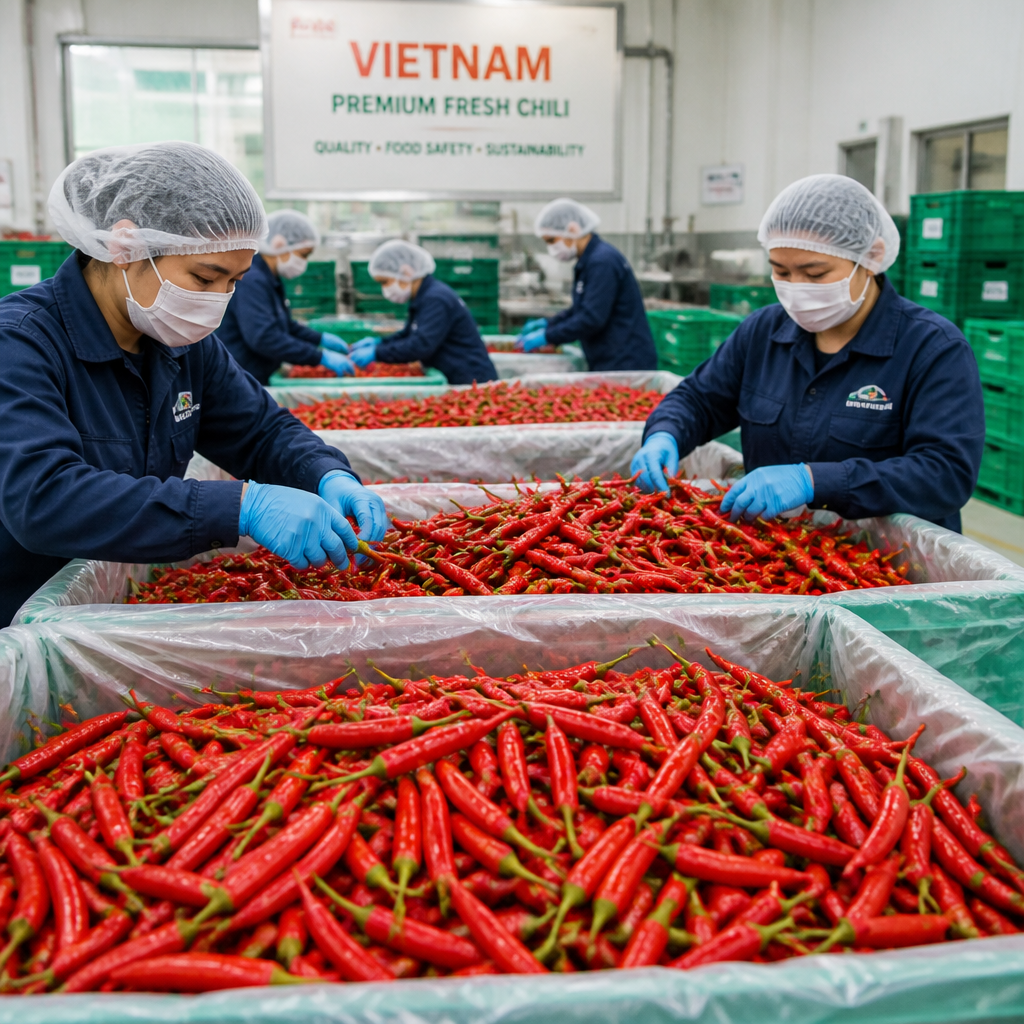
For Vietnam Fresh Chili Exporters, navigating the complex web of export requirements and phytosanitary standards is a critical aspect of accessing international markets. The importance of meeting these standards cannot be overstated, as they ensure that the exported chilies are safe, high-quality, and compliant with the regulations of importing countries.
Phytosanitary considerations are paramount when exporting fresh produce like chilies. These standards are designed to prevent the introduction and spread of pests and diseases across borders. For Vietnamese chili exporters, adhering to these standards involves rigorous inspections and certifications. The Plant Protection Department of Vietnam plays a crucial role in ensuring that exports meet the necessary phytosanitary requirements, which include pest risk analysis and compliance with specific country regulations.
Compliance with international export standards is another significant hurdle. Exporters must align with standards such as the International Plant Protection Convention (IPPC) and the World Trade Organization's (WTO) Sanitary and Phytosanitary (SPS) Agreement. These frameworks require exporters to maintain high levels of transparency and to use scientifically justified measures to ensure food safety and plant health.
However, meeting these requirements is not without its challenges. Exporters often face difficulties in understanding and implementing the diverse regulations of different countries. For example, the European Union and the United States have stringent pesticide residue limits, which require Vietnamese exporters to adopt advanced agricultural practices and technologies. Additionally, the cost of compliance can be substantial, particularly for small and medium-sized enterprises (SMEs) that may lack the resources to invest in necessary infrastructure and training.
"Vietnamese exporters must navigate a complex landscape of regulations to ensure their chilies meet international standards, a process that requires both diligence and innovation."
To overcome these challenges, Vietnam Fresh Chili Exporters are increasingly investing in capacity building and infrastructure improvements. Collaborative efforts with international partners and government support are also essential in enhancing their ability to meet export requirements. By doing so, they not only ensure compliance but also enhance the reputation of Vietnamese chilies on the global stage, paving the way for expanded market access and increased economic benefits.
The Growing Desire for Vietnamese Fresh Chilies
The global appetite for Vietnamese fresh chilies is on a remarkable upswing, driven by a combination of factors that underscore their appeal. As culinary cultures increasingly embrace the vibrant flavors and fiery heat of chilies, Vietnam has emerged as a key player in meeting this demand. The country's unique chili varieties, characterized by their distinct size, color, and heat levels, have captured the interest of international markets.
One of the primary drivers of this growing demand is the rising popularity of Asian cuisine worldwide. As dishes like pho and banh mi gain traction in global culinary circles, the demand for authentic ingredients, including Vietnamese chilies, has surged. This trend is evident in markets across North America, Europe, and the Middle East, where consumers are seeking out the genuine flavors that these chilies provide.
Moreover, the potential for expanding export markets is vast. Currently, Vietnam exports fresh chilies to over 20 countries, including major markets such as China, South Korea, and Japan. However, there is significant untapped potential in regions like Europe and North America, where consumers are increasingly adventurous in their culinary pursuits. By strategically targeting these markets, Vietnam can significantly enhance its export footprint.
The economic benefits of this burgeoning demand are substantial, particularly for Vietnamese farmers and exporters. As demand increases, farmers can command higher prices for their produce, leading to improved livelihoods and economic stability in rural areas. Exporters, on the other hand, stand to gain from increased trade volumes and the potential for establishing long-term relationships with international buyers.
"Vietnamese fresh chilies are not just a staple in local cuisine; they are a burgeoning export commodity with immense potential," says a representative from the Vietnam Fresh Chili Exporter.
In essence, the increasing global demand for Vietnamese chilies offers a significant opportunity for the country's agricultural sector. By leveraging this trend, Vietnam can enhance its economy and reinforce its status as a leading supplier of high-quality fresh chilies worldwide.
Steps to Boost Vietnamese Chili Exports
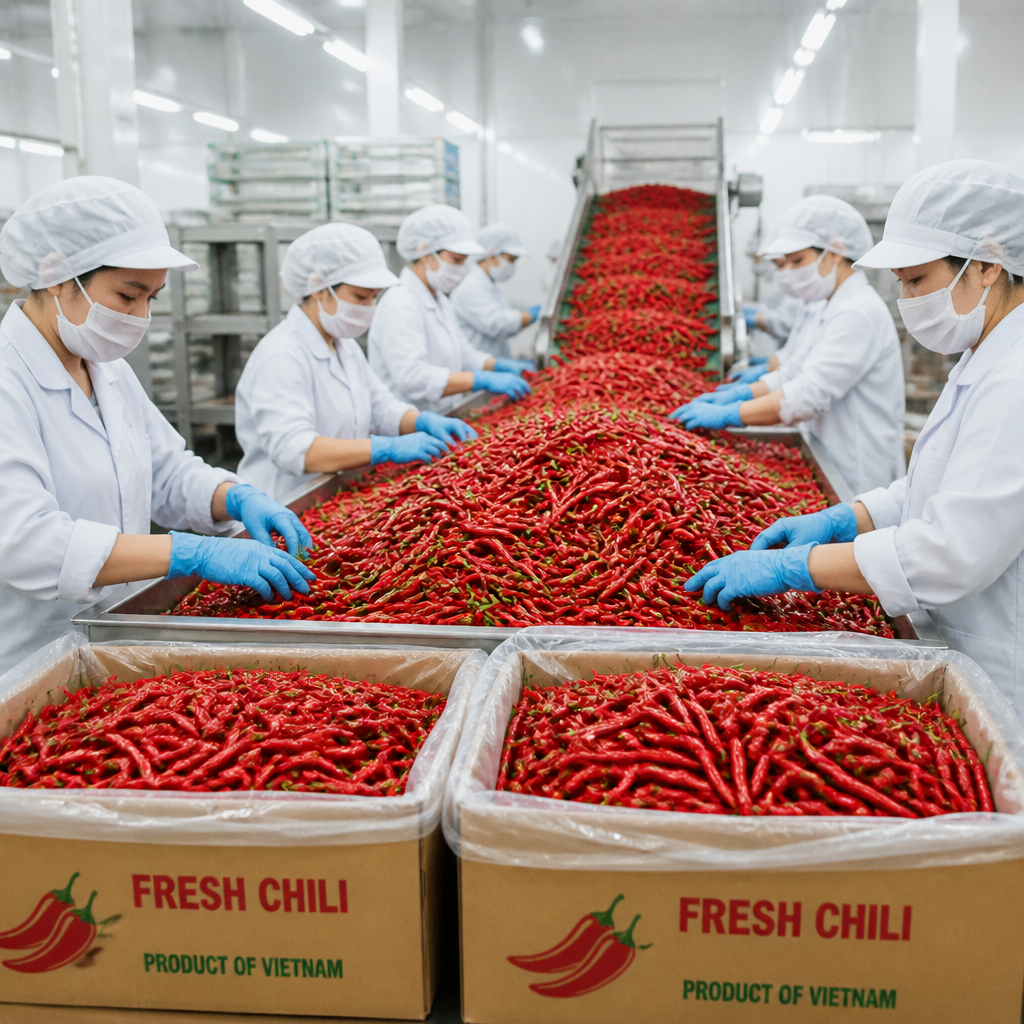
To enhance the global reach of Vietnamese fresh chilis, strategic improvements in packaging and logistics are crucial. These enhancements not only ensure the preservation of quality but also increase the efficiency of the supply chain. By adopting cutting-edge packaging technologies, Vietnam Fresh Chili Exporter can maintain the freshness and integrity of the product during transit, which is vital for international shipments. For instance, vacuum-sealed packaging and modified atmosphere packaging are techniques that can significantly extend the shelf life of chilis while preserving their vibrant color and heat level.
Another pivotal aspect is the emphasis on research and development (R&D) in chili cultivation. Investing in R&D can lead to the development of new chili varieties that are more resilient to pests and diseases, have higher yields, and possess unique flavors that cater to diverse international tastes. This innovation in cultivation practices not only enhances the product's appeal but also ensures a sustainable supply of high-quality chilis. For example, developing a chili variety with a longer shelf life can be particularly beneficial for exporters aiming to penetrate distant markets.
Collaboration with international partners is also essential to amplify export potential. By forming strategic alliances with foreign distributors and retailers, Vietnamese chili exporters can gain valuable insights into consumer preferences and market trends. This collaboration can also facilitate access to advanced agricultural technologies and practices from countries with established chili markets, further boosting the competitiveness of Vietnamese chilis on the global stage.
"Collaboration with international partners opens up avenues for technological exchange and market expansion, essential for sustaining the growth of Vietnamese chili exports."
To sum up, by concentrating on improving packaging and logistics, investing in R&D, and fostering international partnerships, Vietnam can significantly boost its chili exports. These measures are crucial not only for meeting the growing global demand but also for securing a competitive edge in the international market.
Call to Action: Supporting the Vietnamese Chili Industry
The Vietnamese chili industry stands at a crucial juncture, poised for growth but requiring concerted efforts from various stakeholders to realize its full potential. To begin with, encouraging investment in chili production and export is essential. Investors can play a pivotal role in scaling up operations, improving infrastructure, and adopting cutting-edge agricultural technologies. This not only enhances productivity but also ensures that Vietnamese chilies meet the high standards expected in international markets.
In tandem, government initiatives are vital to bolster the efforts of chili exporters. The Vietnamese government has already implemented several measures to support this sector, such as offering subsidies, facilitating access to international markets, and providing training programs for farmers. These initiatives aim to streamline export processes and reduce the barriers faced by exporters, thereby making the industry more competitive globally.
Consumers also have a significant role to play in promoting sustainable chili farming. By opting for chilies produced through environmentally friendly practices, consumers can drive demand for sustainably grown products. This not only benefits the environment but also supports farmers who adopt sustainable farming methods, ensuring the industry's long-term viability.
- 💡 Investment Opportunities: Financial backing can lead to improvements in production facilities and adoption of modern farming techniques.
- ⚡ Government Support: Initiatives such as subsidies and export facilitation help reduce operational challenges for exporters.
- ✅ Consumer Influence: Choosing sustainably produced chilies encourages eco-friendly farming practices.
By focusing on these areas, stakeholders can collectively contribute to the growth and sustainability of the Vietnamese chili industry, ensuring its place as a key player in the global market. The time to act is now, and with coordinated efforts, the potential for success is immense.