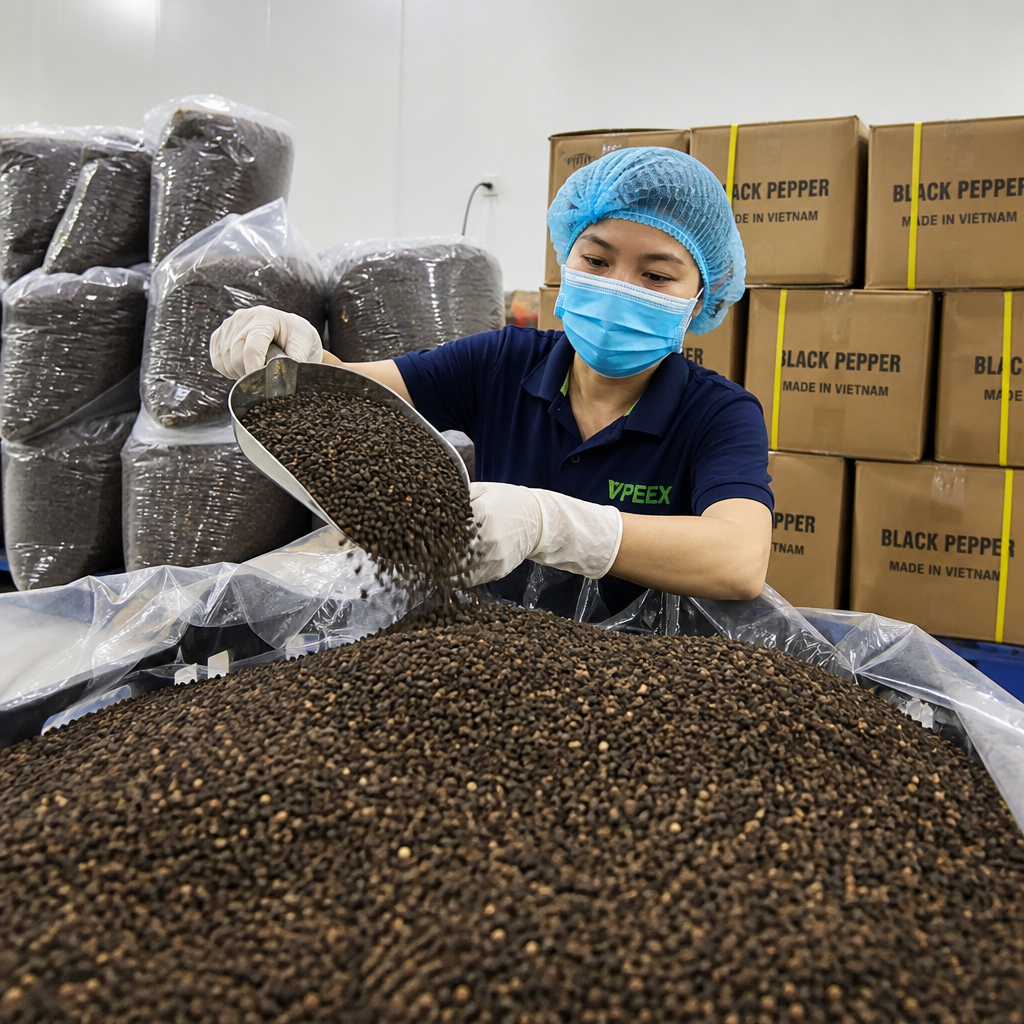
Vietnam Dried Pepper Exporter offers high-quality dried pepper with optimal moisture control and advanced sorting technologies, ensuring flavor and consistency for global markets.
Vietnam has long been recognized as a leading producer of various types of pepper, including black, white, and green pepper, each offering unique flavors and applications in culinary arts. However, the production of dried pepper in Vietnam is fraught with challenges that affect both its quality and marketability. Addressing these challenges is crucial for Vietnam to maintain its status as a top exporter of dried pepper globally.
One of the most pressing challenges is the management of moisture content in dried pepper. The ideal moisture level for dried pepper should be between 12-13%. This specific range is essential as it helps in preserving the pepper's flavor and preventing mold growth, which could severely impact the product's quality and shelf life. Achieving this precise moisture level requires vigilant monitoring and control during the drying process, a task complicated by the varying climates and drying facilities across Vietnam. The country's diverse weather patterns, ranging from tropical monsoons to dry seasons, can significantly affect the drying process, making it difficult to maintain consistent moisture levels.
Another significant challenge is the color variations found in pepper, which range from black to white. These color differences are not merely aesthetic; they indicate different stages of ripeness and processing methods, which can influence the flavor and heat level of the pepper. The heat of pepper is gauged using Scoville Heat Units (SHU), and maintaining a consistent heat level is crucial for meeting consumer expectations and industry standards. Variations in color and heat level can result in inconsistencies in product quality, posing a disadvantage in the competitive global market. For instance, black pepper is typically harvested when the berries are still green and then dried, while white pepper involves removing the outer layer before drying, resulting in a different flavor profile and heat intensity.
The size sorting and processing methods also present challenges. Peppercorns need to be sorted by size to ensure uniformity in processing and packaging. However, traditional methods of sorting can be labor-intensive and may not always achieve the desired level of precision. This lack of uniformity can impact the appearance and quality of the final product, potentially affecting its marketability. Advanced sorting technologies, such as optical sorters, can help address this issue by providing more accurate and efficient sorting solutions.
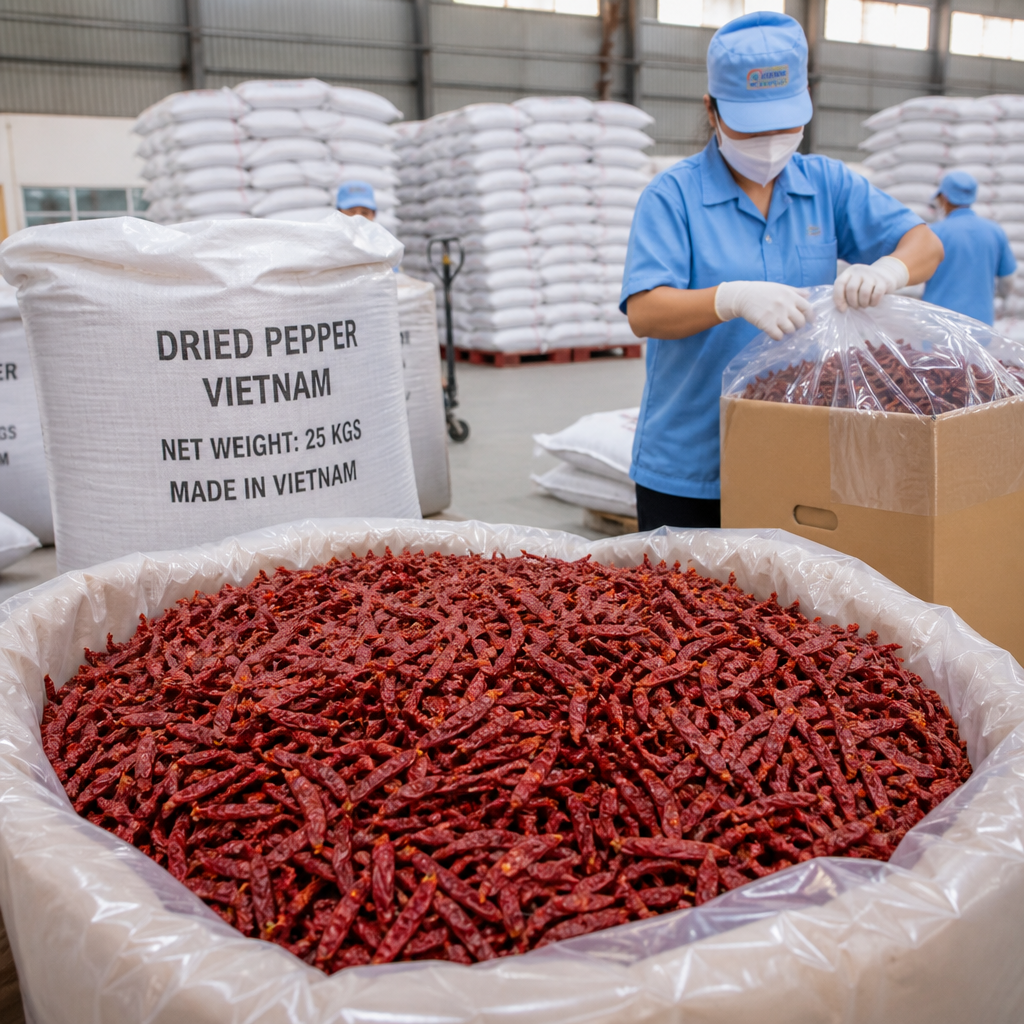
Additionally, bulk packaging is necessary to protect dried pepper from moisture and contamination during storage and transport. However, not all packaging solutions are created equal, and finding the right materials and techniques to effectively prevent moisture ingress and contamination is a constant challenge. Effective bulk packaging is essential to maintain the integrity and quality of the pepper, ensuring it reaches international markets in optimal condition. This involves using materials that are not only moisture-resistant but also environmentally friendly, aligning with global sustainability trends.
These challenges underscore the intricacies of dried pepper production in Vietnam. Overcoming these obstacles is vital for Vietnam to sustain its position as a premier supplier of high-quality dried pepper in the global market.
The Ideal Future for Dried Pepper Industry
The dried pepper industry is on the cusp of a transformative era, aiming to elevate quality and expand its global footprint. Central to this vision is the enhancement of quality preservation through optimal moisture control. Maintaining the moisture content between 12-13% is imperative, as it directly affects the pepper's flavor and shelf life. Advanced technologies that monitor and regulate moisture levels can prevent spoilage and preserve the pepper's natural aroma and potency. These technologies include automated drying systems equipped with sensors that provide real-time data, allowing producers to make timely adjustments during the drying process.
Consistency in quality is another cornerstone of the industry's future. By standardizing color and heat levels, producers can ensure a uniform product that meets consumer expectations worldwide. The Scoville Heat Units (SHU) serve as a benchmark for heat levels, and achieving a consistent SHU across batches will enhance brand reliability and consumer trust. This can be achieved through precise control over harvesting and processing methods, ensuring that each batch of pepper meets the desired specifications.
Processing methods are also set to evolve with a focus on improving size uniformity. Efficient sorting technologies can segregate peppercorns by size more accurately, ensuring a uniform product that is visually appealing and easier to package. This uniformity not only enhances aesthetic appeal but also facilitates better cooking experiences for consumers. Automated sorting machines that use optical sensors can detect and sort peppercorns based on size, color, and even defects, ensuring a higher quality product.
In terms of packaging, the industry is moving towards advanced solutions that guarantee a long shelf life. Innovations in packaging materials that offer superior protection against moisture and contamination are crucial. These advancements will allow Vietnam dried pepper exporters to maintain product integrity during long shipping times, reaching international markets with products as fresh as when they left the processing facilities. Biodegradable and recyclable packaging options are also being explored to meet the growing demand for sustainable products.
The global market reach is expected to expand significantly, with increased export volumes as a key objective. As demand for high-quality spices grows worldwide, tapping into new markets and increasing export capacities will be vital. Enhanced logistics and strategic partnerships can facilitate this expansion, ensuring that Vietnamese pepper becomes a staple in kitchens around the globe. This involves developing efficient supply chain networks and establishing distribution channels in key markets such as Europe, North America, and Asia.
Moreover, adhering to international safety standards is imperative for the industry's future. Compliance with these standards guarantees consumer safety and facilitates entry into markets with strict import regulations. By achieving these certifications, such as ISO 22000 and HACCP, Vietnam can establish itself as a leader in the global spice market, recognized for its commitment to quality and safety.
"The future of the dried pepper industry lies in innovation and adherence to quality standards, ensuring that our products remain competitive on the global stage."
Strategies to Achieve Industry Advancements
To advance the Vietnam dried pepper industry towards greater prosperity, a series of strategic initiatives are essential. These strategies include technological innovations, collaborations, and sustainable practices designed to improve product quality and expand market reach.
Implementing Moisture Monitoring Technologies
Preserving the quality of dried pepper hinges on maintaining the optimal moisture content, generally between 12-13%. State-of-the-art moisture monitoring technologies offer real-time data, allowing producers to make timely adjustments during the drying process. This approach not only ensures consistent quality but also reduces the risk of spoilage, thereby extending the product's shelf life. Technologies like hygrometers and moisture analyzers can be integrated into drying systems to continuously monitor moisture levels and automatically adjust drying parameters.
Utilizing Advanced Sorting and Processing Equipment
Incorporating cutting-edge sorting and processing equipment can significantly improve the uniformity of pepper size and quality. Such equipment can efficiently separate pepper by size and color, ensuring a standardized product that meets international quality standards. This advancement is particularly important for Vietnam dried pepper exporters aiming to penetrate more demanding markets. Optical sorting machines, for example, use cameras and lasers to detect and remove defective peppercorns, ensuring only the highest quality product reaches the market.
Developing Innovative Packaging Materials
Packaging is crucial for preserving the quality and prolonging the shelf life of dried pepper. Innovations in moisture-resistant and eco-friendly packaging materials can prevent contamination and maintain product freshness. This approach not only attracts eco-conscious consumers but also aligns with global sustainability trends, boosting the marketability of Vietnamese dried pepper. Ongoing research into biodegradable films and compostable packaging solutions aims to minimize environmental impact while preserving product quality.
Investing in Research for Quality Improvement
Research and development are fundamental to advancing the quality of dried pepper. By investing in R&D, producers can explore new methods to enhance flavor profiles, increase heat levels, or even develop pest-resistant pepper varieties. Such innovations can differentiate Vietnamese products in the global market, providing a competitive edge. Collaborative research projects with universities and agricultural research institutions can lead to breakthroughs in pepper cultivation and processing techniques.
Collaborating with International Trade Partners
Forming strategic alliances with international trade partners can open new avenues for market expansion and knowledge exchange. These collaborations can facilitate access to advanced technologies and best practices from around the world, helping Vietnamese exporters to refine their production processes and meet international quality standards. Participation in international trade fairs and exhibitions can also help establish connections with potential buyers and partners, expanding market reach.
Adopting Industry Best Practices for Sustainability
Sustainability is increasingly becoming a critical factor in global trade. Adopting industry best practices, such as reducing water usage, minimizing waste, and promoting fair trade, can enhance the reputation of Vietnamese dried pepper exporters. This commitment to sustainability not only ensures long-term viability but also attracts environmentally conscious buyers, thereby expanding market opportunities. Implementing sustainable farming practices, such as organic cultivation and integrated pest management, can further boost the appeal of Vietnamese pepper in the global market.
"By integrating these strategic advancements, Vietnam's dried pepper industry can not only enhance its product quality but also solidify its position as a leading exporter in the global market."