
Vietnam Dried Mushroom Exporter offers a diverse selection of high-quality dried mushrooms like Shiitake and Wood Ear, meeting global demand with competitive pricing and nutritional benefits.
Dried mushrooms like shiitake, wood ear, and button mushrooms differ significantly in moisture content, size, and appearance. These variations not only influence their culinary applications but also impact their nutritional value, making them a versatile ingredient in global cuisines. Shiitake mushrooms, for example, are renowned for their rich umami flavor and are often used in Asian dishes, while wood ear mushrooms are prized for their crunchy texture and are a staple in many traditional recipes. Button mushrooms, on the other hand, are widely used in Western cuisine due to their mild taste and versatility.
Dried mushrooms are not only valued for their culinary applications but also for their nutritional benefits. They are rich in nutrients, providing health advantages such as immune system support and essential vitamins and minerals. This nutritional value is a key factor in their increasing global demand. Market research indicates that the global dried mushroom market is poised for significant growth, fueled by a rising awareness of healthy eating and the popularity of plant-based diets.
In the context of global trade, Vietnam has emerged as a key player, with its dried mushroom exports gaining traction due to competitive pricing and high-quality standards. The role of Vietnam as a prominent dried mushroom exporter is underscored by its ability to meet the stringent quality demands of international markets while providing a diverse range of products. As the demand for dried mushrooms continues to rise, Vietnam's contribution to the global market is expected to grow, reinforcing its status as a vital supplier in this thriving industry.
Varieties of Dried Mushrooms
Vietnam, as a prominent Vietnam Dried Mushroom Exporter, offers a diverse array of dried mushrooms, each with its own unique characteristics and culinary applications. Among the most commonly exported varieties are Shiitake, Wood Ear, and Button Mushrooms, each contributing distinct flavors and textures to dishes around the world.
- Shiitake Mushrooms: Known for their rich, umami flavor, Shiitake mushrooms are a staple in many Asian cuisines. When dried, their flavor intensifies, making them a popular choice for broths and sauces. Shiitake mushrooms are also valued for their potential health benefits, including immune-boosting properties.
- Wood Ear Mushrooms: These mushrooms are prized for their unique texture rather than flavor. They are often used in soups and salads for their crunchy consistency. In Vietnam, Wood Ear mushrooms are a traditional ingredient in many local dishes, adding both texture and nutritional value.
- Button Mushrooms: Although more commonly found fresh, dried Button mushrooms are used for their mild flavor and versatility. They can be rehydrated and used in a variety of dishes, from stews to pasta sauces.
In addition to these common types, Vietnam is home to several regional varieties that are less known internationally but hold significant culinary potential. These include the Enoki and King Oyster mushrooms, which are increasingly gaining attention for their unique taste profiles and health benefits. The diversity of Vietnam's mushroom offerings not only highlights the country's rich biodiversity but also its potential to expand in the global dried mushroom market.
Moisture Content Standards
In the export of dried mushrooms, maintaining the appropriate moisture content is crucial for ensuring product quality and longevity. The standard moisture content for export is typically set at around 12%. This specific level is critical because it helps to preserve the mushrooms' texture and flavor while significantly extending their shelf life.
Moisture content plays a crucial role in determining the shelf life and quality of dried mushrooms. Excessive moisture can lead to mold and bacterial growth, compromising quality and posing health risks. On the other hand, insufficient moisture can make mushrooms too brittle and diminish their nutritional value.
To ensure compliance with these standards, various methods to measure and control moisture levels are employed. Common techniques include the use of moisture meters and infrared moisture analyzers, which provide precise readings. These tools are essential in the production process to regularly check and adjust the moisture levels, ensuring that the mushrooms meet export requirements.
"Maintaining a moisture content of 12% is not just a guideline but a necessity for any Vietnam Dried Mushroom Exporter aiming to deliver high-quality products to the international market."
By adhering to these moisture content standards, exporters from Vietnam can ensure that their dried mushrooms remain competitive on the global stage, offering consumers a product that is both safe and of superior quality.
Size and Appearance
When it comes to exporting dried mushrooms from Vietnam, size and appearance play crucial roles in determining their market value. Buyers often have specific preferences regarding these attributes, which can significantly influence their purchasing decisions.
In terms of typical sizes for export, dried mushrooms are generally categorized by diameter and thickness. For instance, Shiitake mushrooms, one of Vietnam's popular export varieties, are often sorted into sizes ranging from 3 to 10 cm in diameter. This standardization helps in meeting the diverse demands of international buyers who may require specific sizes for different culinary applications.
The aesthetic qualities that buyers look for include uniformity in shape and size, as well as a consistent color. A visually appealing product is more likely to attract buyers, as it suggests a higher quality and better processing standards. Mushrooms with fewer blemishes, a natural earthy color, and minimal breakage are often preferred, as these qualities enhance the visual appeal and perceived freshness of the product.
"The impact of size and appearance on market value cannot be overstated," says a representative from a leading Vietnam dried mushroom exporter. "Buyers are willing to pay a premium for mushrooms that not only meet their size requirements but also present well."
Indeed, the impact of size and appearance on market value is significant. Products that meet or exceed buyer expectations in these areas can command higher prices in the global market. This is particularly true in regions where presentation is a key factor, such as in gourmet food industries or high-end restaurants. Thus, Vietnamese exporters must pay close attention to these details to maximize their competitive advantage in the international market.
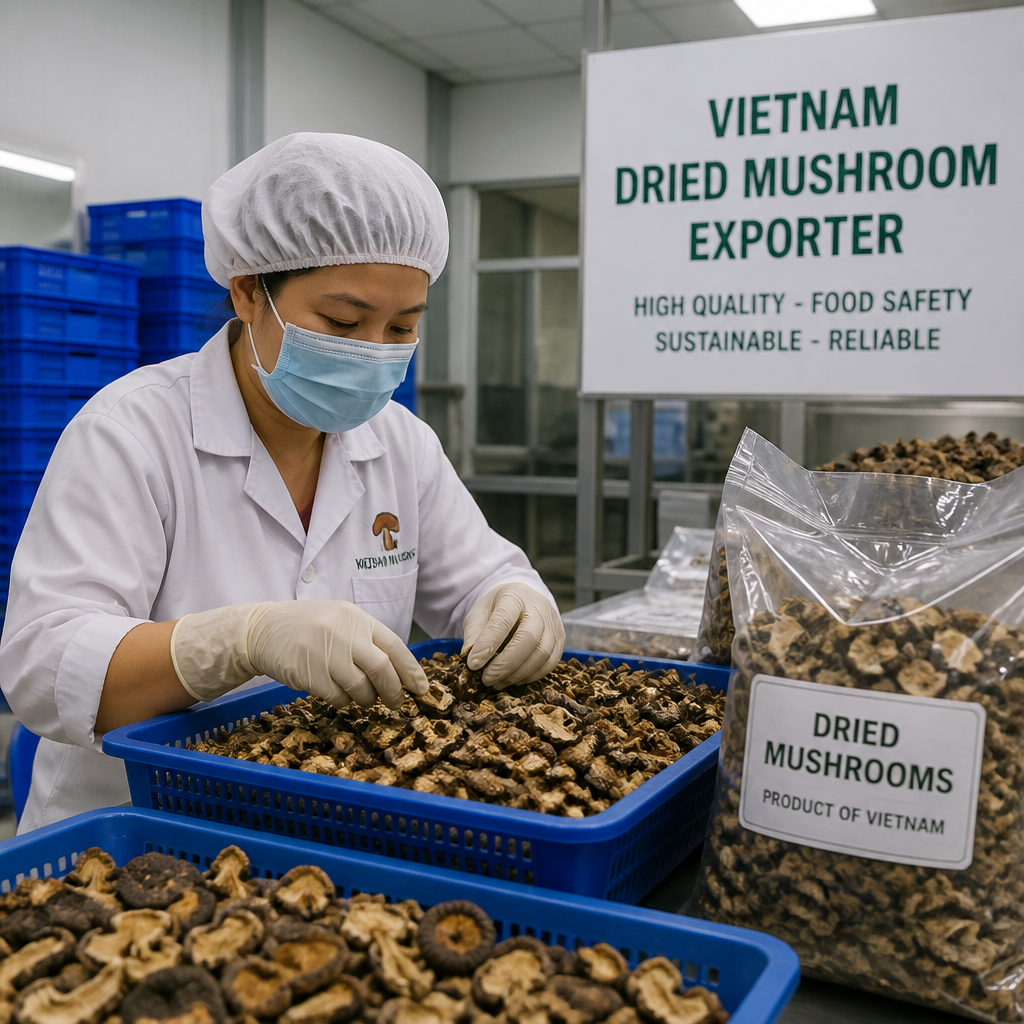
Processing Methods
In the realm of dried mushroom production, maintaining quality and safety is paramount. Various techniques are employed to ensure that the mushrooms not only meet international standards but also retain their nutritional value. One of the critical aspects of processing is the choice of drying method.
- ✅ Air Drying: This traditional method involves exposing mushrooms to natural air flow, often enhanced by fans, to remove moisture. While cost-effective, it requires careful monitoring to prevent contamination and maintain quality. Air drying is favored for its simplicity and the ability to retain much of the mushroom's original flavor.
- 💡 Freeze Drying: A more modern technique, freeze drying involves freezing the mushrooms and then reducing the surrounding pressure to allow the frozen water to sublimate directly from solid to gas. This method is known for preserving the nutritional content and extending the shelf life of the product. It is particularly beneficial for maintaining the delicate texture and flavor of mushrooms like Shiitake.
The choice of drying method significantly impacts the nutritional profile of dried mushrooms. Freeze drying, for instance, is renowned for preserving up to 97% of the original nutrients, making it a preferred method for health-conscious consumers. On the other hand, air drying, while slightly less effective in nutrient retention, is appreciated for its natural processing and cost-effectiveness.
"Freeze drying can preserve up to 97% of the original nutrients, offering a superior choice for those prioritizing nutritional value."
These processing methods not only influence the quality and safety of the final product but also dictate its market value and consumer appeal. As a leading Vietnam Dried Mushroom Exporter, leveraging these advanced techniques ensures that Vietnamese dried mushrooms continue to meet the growing global demand while upholding high standards of quality and nutrition.
Packaging Options
The packaging of dried mushrooms is a crucial aspect that ensures the quality and longevity of the product during its journey from the exporter to the consumer. Adhering to export packaging standards is essential for Vietnam Dried Mushroom Exporters to maintain product integrity and meet international trade requirements.
Firstly, the packaging must comply with international standards that often require materials to be food-grade certified. This ensures that the packaging does not contaminate the mushrooms and keeps them safe for consumption. The packaging should also be robust enough to withstand the rigors of transportation, which can involve long distances and varying environmental conditions.
Various types of materials are utilized in the packaging of dried mushrooms. Common choices include vacuum-sealed bags, which are excellent for removing air and preventing oxidation, and resealable pouches, which offer convenience for the end-user. Both options are typically made from a combination of plastic and aluminum foil, providing a barrier against moisture and light, which are detrimental to the product's quality.
Packaging plays a vital role in preserving the quality and extending the shelf life of dried mushrooms. Effective packaging protects against environmental factors that cause spoilage. For example, vacuum-sealing can extend shelf life by up to 12 months under optimal conditions, preserving both flavor and nutritional content. This is essential for exporters aiming to maintain product quality over time.
In summary, the choice of packaging materials and adherence to standards not only ensures compliance with international trade regulations but also plays a pivotal role in maintaining the quality and safety of dried mushrooms. By investing in high-quality packaging solutions, Vietnam Dried Mushroom Exporters can enhance their product's appeal and reliability in the global market.
Shelf Life and Storage Conditions
The shelf life of dried mushrooms, a critical factor for any Vietnam Dried Mushroom Exporter, varies significantly depending on storage conditions. Under optimal conditions, dried mushrooms can last from six months to one year. However, this duration can be affected by several factors, including moisture content and storage environment.
To maximize shelf life, it is essential to adhere to best storage practices. Dried mushrooms should be stored in a cool, dark, and dry place. Exposure to light, heat, and humidity can accelerate deterioration, reducing both the quality and shelf life of the product. Using airtight containers is recommended to prevent moisture absorption, which is a common cause of spoilage.
Several factors can influence the shelf life of dried mushrooms:
- ⚡ Moisture Content: Maintaining the standard moisture content is crucial. Excess moisture can lead to mold growth and spoilage.
- ⚡ Temperature: Higher temperatures can degrade the mushrooms' flavor and nutritional value over time.
- ⚡ Light Exposure: Direct sunlight or fluorescent lighting can cause discoloration and loss of nutrients.
- ⚡ Packaging: The quality of packaging materials plays a vital role in preservation. High-quality, airtight packaging can significantly extend shelf life.
By understanding these factors and implementing proper storage techniques, both suppliers and consumers can ensure the longevity and quality of dried mushrooms, making them a reliable choice for culinary and nutritional applications worldwide.
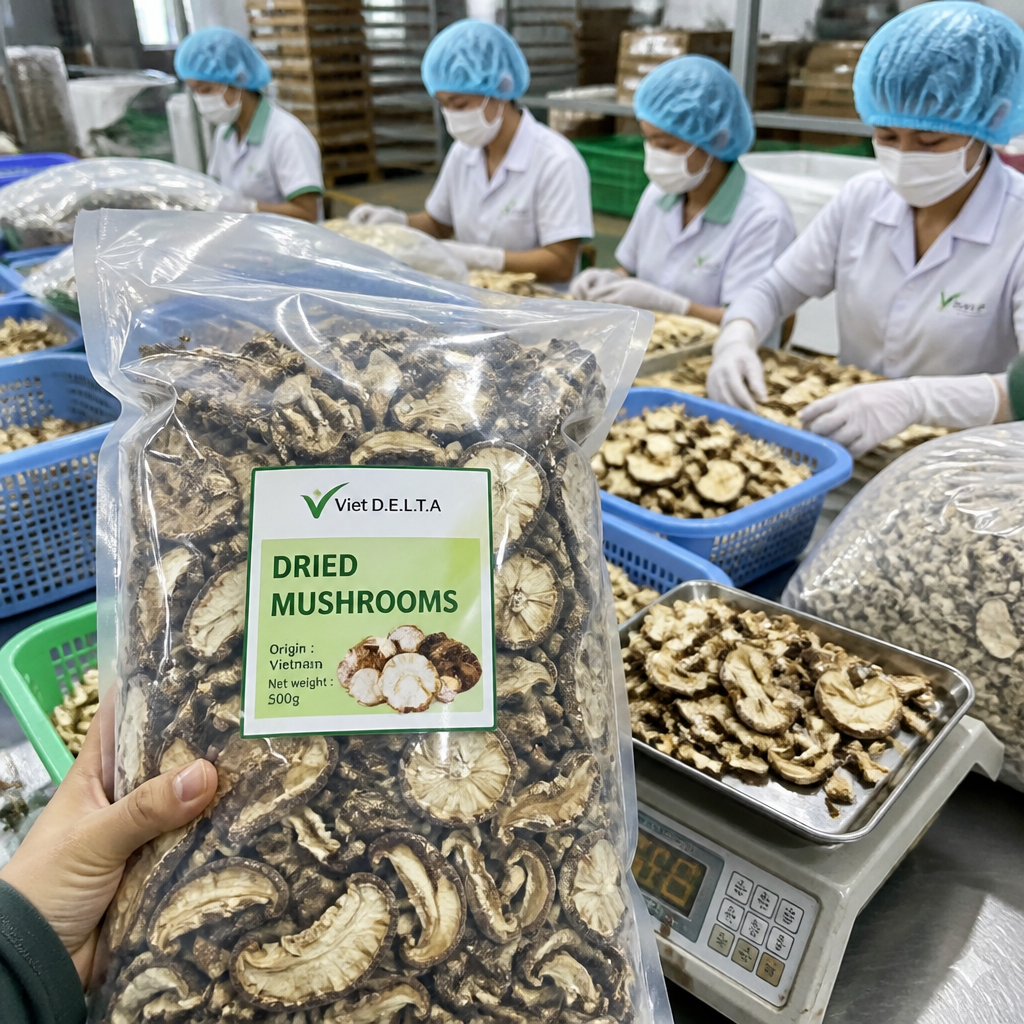
Bulk Order Possibilities
For businesses and culinary establishments looking to source dried mushrooms from Vietnam, bulk purchasing offers a range of significant advantages. One of the primary benefits is cost-effectiveness. By ordering in large quantities, buyers can often negotiate better pricing per unit, reducing overall costs. This is particularly beneficial for restaurants, food manufacturers, and retailers who require a steady supply of mushrooms to meet customer demand.
Typical arrangements for bulk orders involve contracts that specify the quantity, delivery schedule, and pricing terms. Many suppliers, such as Vietnam Dried Mushroom Exporter, offer flexible arrangements to cater to the specific needs of their clients. These contracts not only provide financial benefits but also ensure a reliable supply chain, which is crucial in maintaining business operations without interruption.
When considering logistics and other considerations for large orders, several factors come into play. Shipping logistics are paramount; it is essential to choose a reliable freight service that guarantees timely and safe delivery. The geographical location of Vietnam offers strategic advantages in terms of shipping routes, particularly to other Asian countries, Europe, and North America. Buyers must also consider storage solutions, as bulk quantities require adequate facilities to maintain the quality and shelf life of the mushrooms.
Furthermore, understanding the import regulations of the destination country is crucial to avoid any legal complications. Proper documentation, including certificates of origin and quality assurance, is often required to facilitate smooth customs clearance. By addressing these logistical considerations, businesses can maximize the benefits of bulk purchasing and ensure a seamless supply of high-quality dried mushrooms.
Conclusion
In summary, the Vietnamese dried mushroom export industry is characterized by a diverse range of mushroom varieties, including Shiitake, Wood Ear, and Button Mushrooms, each offering unique culinary and nutritional benefits. The industry adheres to strict moisture content standards to ensure product quality and longevity, employing advanced processing methods such as air drying and freeze drying to maintain nutritional value. Packaging options are designed to preserve freshness and extend shelf life, while bulk order possibilities offer logistical advantages to large-scale buyers.
Looking ahead, the dried mushroom market is poised for significant growth, driven by increasing global demand for plant-based and nutritious food options. The trend towards healthy eating and sustainable food sources is expected to fuel the expansion of this market, with dried mushrooms being a versatile and sought-after ingredient in various cuisines worldwide.
Vietnam, as a leading dried mushroom exporter, is in a prime position to capitalize on these trends. The country's favorable climate and agricultural expertise provide a strong foundation for expanding its export capabilities. By continuing to innovate in processing and packaging, and by meeting international quality standards, Vietnam can enhance its competitive edge and capture a larger share of the global market. This potential for growth not only promises economic benefits but also reinforces Vietnam's reputation as a reliable supplier in the global food industry.







