Vietnam Dried Chili Exporter offers a rich variety of high-quality dried chili peppers, including Bird’s Eye and Jalapeño, catering to the global demand for diverse culinary flavors.
Dried chili peppers are an essential ingredient in many cuisines worldwide, offering a diverse spectrum of flavors and heat levels to meet various culinary requirements. These peppers come in numerous types, each distinguished by its size, color, and intensity of heat. In the global spice market, Vietnam emerges as a prominent exporter of dried chili peppers, providing a rich variety that fulfills the demands of international markets.
Vietnam is particularly noted for exporting several popular varieties of dried chili peppers. Among the most sought-after are the Bird’s Eye Chili and the Jalapeño. The Bird’s Eye Chili is renowned for its small size and intense heat, making it a favorite in many Southeast Asian dishes. Conversely, Jalapeños, known for their milder heat, are prized for their versatility and are widely used in both fresh and dried forms across various global cuisines. The ability of Vietnam to supply these varieties in bulk underscores its significant role in the international spice trade.
The increasing global demand for various chili peppers is fueled by changing consumer tastes and a heightened interest in ethnic cuisines. Recent market analyses indicate a surge in demand for spicy food products, necessitating a diverse range of chili types, from extremely hot to more moderate varieties. Vietnam's ability to export a wide array of dried chili peppers allows it to capitalize on this trend, providing high-quality and competitively priced options to international buyers.
Variety of Dried Chili Peppers
Dried chili peppers come in an array of varieties, each offering unique characteristics that cater to different culinary applications. Vietnam, as a major exporter, provides a wide selection of these peppers, including the Habanero, Cayenne, and Pasilla. The Habanero is known for its fiery heat and fruity undertones, making it a popular choice in hot sauces and salsas. Cayenne peppers, with their moderate heat and vibrant red color, are often used in powdered form to spice up dishes. Pasilla peppers, on the other hand, are milder and have a rich, smoky flavor, commonly used in Mexican cuisine.
The global demand for these diverse chili types is driven by the increasing popularity of spicy foods and the expansion of international cuisines. Consumers are becoming more adventurous with their taste preferences, seeking out new and exciting flavors. This trend has sparked a growing interest in ethnic foods, where chili peppers are essential for creating authentic flavors. Consequently, the demand for a variety of chili peppers, from intensely hot to mildly spicy, continues to rise, offering opportunities for exporters like Vietnam to broaden their market reach.
Physical Characteristics of Dried Chili Peppers
Understanding the physical characteristics of dried chili peppers is crucial for those involved in their trade or culinary use. These characteristics, including size, shape, color variations, and moisture content, are key determinants of their quality and suitability for various applications.
- 💡 Sizes and Shapes of Dried Peppers: Dried chili peppers exhibit a range of sizes and shapes, from small, round types to elongated, slender varieties. For instance, the Bird’s Eye Chili is typically small and pointed, whereas the Ancho Chili is larger and heart-shaped. These physical differences are more than just aesthetic; they impact the drying process, packaging, and culinary uses. Smaller peppers tend to dry more quickly and evenly, while larger ones may require more time and careful handling.
- 🎨 Color Variations in Dried Chili Peppers: The color of dried chili peppers can vary widely, from bright reds and deep browns to vibrant yellows. These color variations indicate not only the type of chili but also its maturity and drying process. A deep red color, for example, often signifies a mature chili that has been dried properly, enhancing its flavor and heat. Color is also a crucial indicator of freshness and quality, which is why it is closely monitored by exporters like Vietnam Dried Chili Exporter.
- 💧 Moisture Content Specifics: The moisture content of dried chili peppers is a critical factor affecting their shelf life and quality. Ideally, dried peppers should have a moisture content of less than 10%. This low moisture level ensures that the peppers are less susceptible to mold and spoilage, making them suitable for long-term storage and international shipping. Maintaining this moisture level requires precise drying techniques and constant quality checks, ensuring that the peppers remain flavorful and safe for consumption.
By focusing on these physical characteristics, suppliers like Vietnam Dried Chili Exporter can ensure they provide high-quality dried chili peppers that meet the demands of global markets. These features not only enhance the peppers' culinary value but also their marketability, making them a valuable commodity in the international spice trade.
Heat Intensity of Dried Chili Peppers
The heat intensity of dried chili peppers is a critical factor that determines their appeal in various markets. This intensity is measured using the Scoville Heat Units (SHU) scale, which quantifies the concentration of capsaicinoids, the compounds responsible for the spicy sensation. The SHU scale provides a standardized method to gauge the pungency of chili peppers, ranging from mild varieties to those that pack a fiery punch.
Among the popular hot varieties, the Vietnamese Bird’s Eye Chili, known locally as "ớt chỉ thiên," stands out with an impressive heat level, typically ranging between 50,000 to 100,000 SHU. This makes it a preferred choice for those seeking intense heat. Another notable variety is the Thai chili, which shares a similar SHU range, making it a versatile ingredient in spicy dishes worldwide. For those seeking a milder option, the Paprika Pepper offers a heat level of 100 to 500 SHU, providing a subtle warmth ideal for enhancing flavors without overwhelming the palate.
Consumer preferences for heat intensity differ widely across regions and culinary traditions. In countries like India and Thailand, where spicy food is central to the cuisine, there is a strong demand for chili peppers with higher SHU ratings. In contrast, Western consumers often prefer milder varieties that enhance flavor without overwhelming heat. This diversity in consumer preferences shapes the export strategies of Vietnam Dried Chili Exporters, who must cater to a global market with diverse tastes.
Understanding these preferences and the SHU scale allows exporters to tailor their offerings, ensuring that they meet the specific needs of different markets. This adaptability not only enhances customer satisfaction but also strengthens Vietnam's position as a leading supplier of dried chili peppers worldwide.
Processing Methods for Quality and Safety
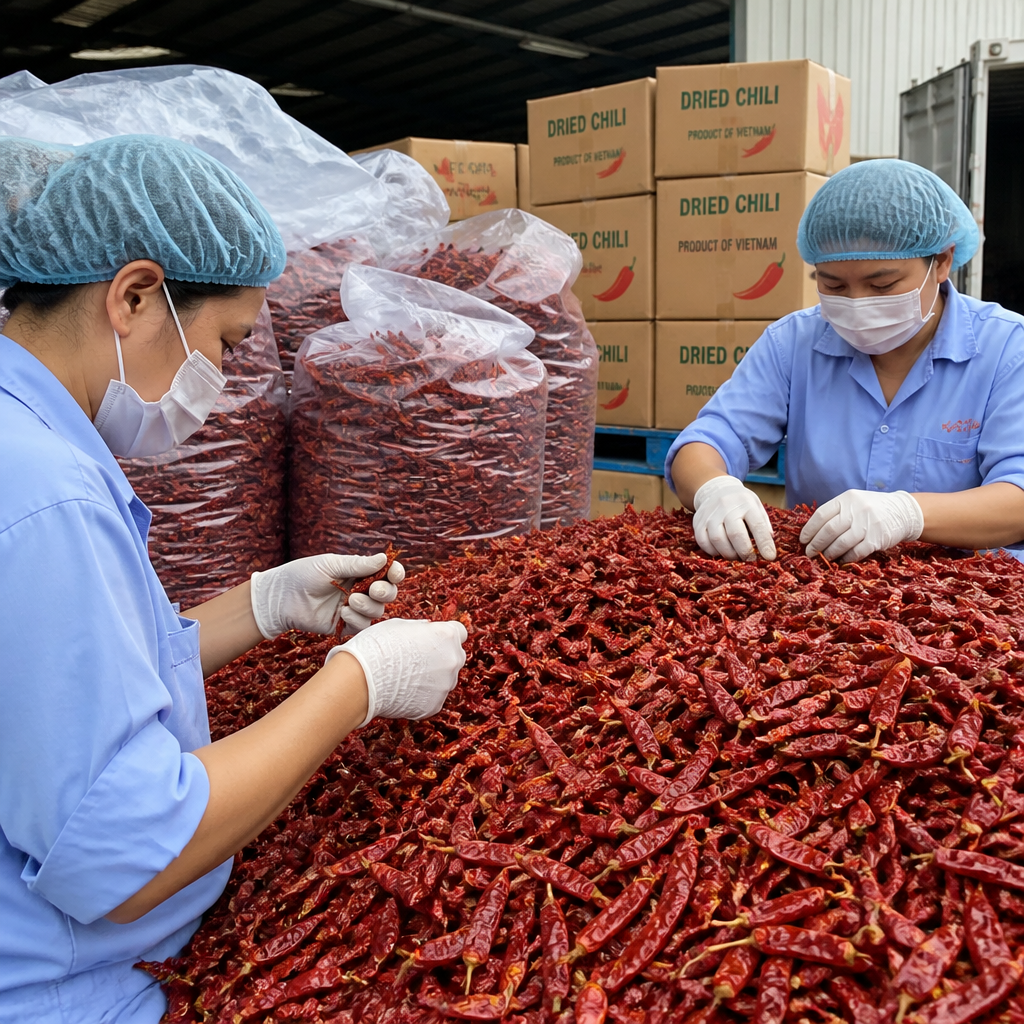
The processing of chili peppers into their dried form involves a series of meticulously executed steps to ensure both quality and safety, critical factors for any Vietnam Dried Chili Exporter. The process begins with the selection of fresh, ripe chili peppers. These are then thoroughly cleaned to remove any dirt or contaminants, a crucial preliminary step that sets the stage for the entire drying process.
- Selection and Cleaning: Fresh chilies are selected based on ripeness and color uniformity. They are then washed to remove any surface impurities.
- Drying Process: The cleaned chilies are subjected to drying, which can be executed through sun drying, air drying, or mechanical drying. Each method has its own advantages, with mechanical drying offering greater control over temperature and humidity, thus ensuring a more consistent product.
- Cooling and Packaging: Once dried, the chilies are allowed to cool before being packed. This step is essential to prevent moisture accumulation, which could compromise the quality and safety of the product.
Throughout the drying process, quality control measures are strictly implemented. These measures include regular monitoring of temperature and humidity levels during drying to ensure that the peppers do not lose their essential oils or become overly brittle. Additionally, visual inspections are conducted to detect any discoloration or physical damage, ensuring that only premium quality dried chilies are selected for export.
Adhering to safety standards is another pivotal aspect of the processing method. In Vietnam, many exporters comply with international safety standards such as HACCP (Hazard Analysis and Critical Control Points) to identify and manage food safety risks. This compliance not only enhances the safety of the dried chili peppers but also boosts consumer confidence in the product's integrity.
"By implementing rigorous quality control and adhering to international safety standards, Vietnam's dried chili exporters ensure a product that meets the high expectations of global markets."
The meticulous attention to processing methods not only ensures that the dried chili peppers maintain their flavor and nutritional value but also reinforces Vietnam's reputation as a reliable supplier in the global spice market. This combination of quality assurance and safety compliance is what makes Vietnamese dried chilies a preferred choice for international buyers.
Packaging Standards for International Shipping
When it comes to exporting dried chili peppers, the choice of packaging is crucial to ensure the product's quality and compliance with international shipping regulations. As a leading Vietnam Dried Chili Exporter, understanding and implementing the right packaging standards is essential for maintaining product integrity during transit.
There are several types of packaging used for exporting dried chili peppers, each designed to address specific needs. Common packaging options include vacuum-sealed bags, which are excellent for preserving freshness and preventing moisture ingress, and laminated pouches that offer durability and protection against physical damage. These packaging types are specifically chosen to maintain the chili peppers' quality from the point of packing to the consumer's hands.
Moisture-proof and durable packaging is of paramount importance in the export of dried chili peppers. Moisture can significantly degrade the quality of dried chilis by affecting their texture and flavor. Therefore, using moisture-proof materials like polyethylene or polypropylene is essential to prevent such degradation. Additionally, durable packaging ensures that the products withstand the rigors of international shipping, including handling and environmental conditions, which can be quite harsh.
Adhering to international shipping regulations is another crucial aspect for exporters. These regulations often specify the materials that can be used, labeling requirements, and packaging dimensions. For example, the International Plant Protection Convention (IPPC) guidelines must be followed to prevent the spread of pests and diseases, a concern in agricultural exports. Compliance with these standards not only facilitates smoother customs clearance but also bolsters the exporter's reputation as a reliable supplier.
"Compliance with international shipping regulations not only ensures legal shipping but also strengthens the trust between exporters and global buyers."
In summary, the choice of packaging, focus on moisture-proof and durable materials, and strict adherence to international regulations are crucial factors in the successful export of dried chili peppers. These elements collectively ensure that the product arrives in optimal condition, satisfying global demand and upholding the reputation of Vietnamese suppliers in the international market.
Bulk Supply Capabilities
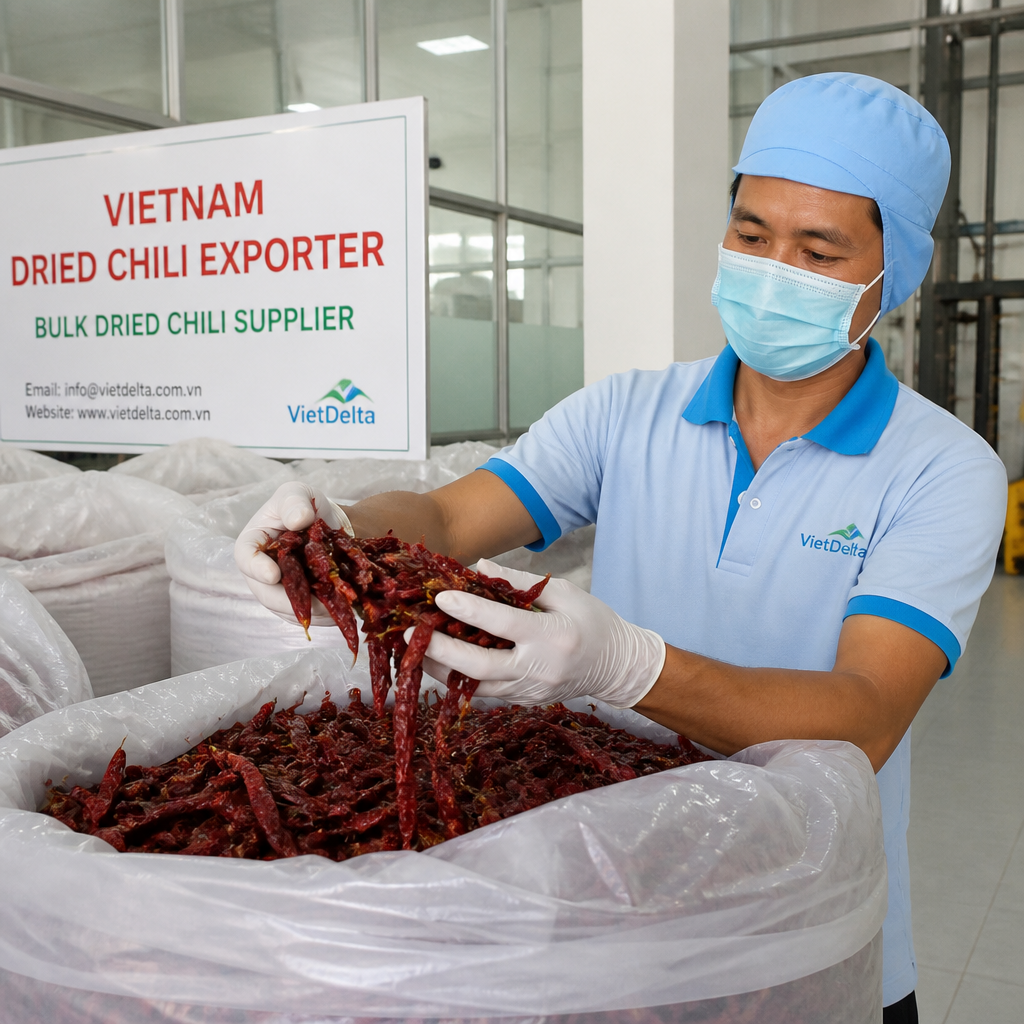
As a leading Vietnam Dried Chili Exporter, Vietnamese suppliers have demonstrated a remarkable capacity to handle bulk orders, catering to the growing global demand for dried chili peppers. With the ability to process and export significant volumes, these suppliers are well-equipped to meet large-scale requirements from international markets. This capability is underpinned by a robust infrastructure that includes state-of-the-art processing facilities and a well-coordinated supply chain.
In terms of logistics, bulk exports involve a comprehensive system that ensures timely and efficient delivery of products. Vietnamese suppliers often utilize a combination of sea and air freight to optimize shipping times and costs. The use of advanced tracking technologies and partnerships with reliable logistics providers further enhances the efficiency of the export process, ensuring that bulk orders reach their destinations without delay.
Managing bulk supply, however, comes with its own set of challenges. One significant challenge is maintaining consistent quality across large quantities, which requires meticulous quality control measures at every stage of the supply chain. To address this, Vietnamese suppliers implement rigorous quality assurance protocols, including regular inspections and adherence to international standards.
Another challenge is the fluctuation in demand and supply chain disruptions, which can impact the availability of raw materials. To mitigate this, suppliers have adopted strategies such as diversifying their sourcing options and maintaining buffer stock to ensure uninterrupted supply. These proactive measures not only help in managing risks but also enhance the reliability of Vietnamese suppliers in the global market.
"Vietnamese suppliers' ability to handle bulk orders efficiently makes them a preferred choice for international buyers seeking reliable and high-quality dried chili peppers."
Overall, the bulk supply capabilities of Vietnamese dried chili exporters are a testament to their commitment to quality, reliability, and customer satisfaction. By overcoming logistical challenges and implementing effective supply chain management strategies, they continue to strengthen their position as key players in the global spice market.
Benefits of Choosing Vietnamese Dried Chili Peppers
When it comes to selecting dried chili peppers for your culinary or commercial needs, Vietnam stands out as a premier exporter, offering a range of benefits that cater to global demands. Here’s why choosing Vietnamese dried chili peppers is a wise decision:
- ⚡ Competitive Pricing and Quality: Vietnam is known for its ability to provide high-quality dried chili peppers at competitive prices. This balance is achieved through efficient agricultural practices and cost-effective processing methods. The competitive pricing makes it an attractive option for international buyers looking to maximize value without compromising on quality.
- 💡 Rich Flavor Profile: Vietnamese dried chili peppers are celebrated for their rich and complex flavor profiles, which are highly sought after in global markets. These peppers offer a unique blend of heat and sweetness, enhancing a variety of dishes. Their distinct taste has made them a favorite among chefs and food manufacturers worldwide, ensuring a consistent demand.
- ✅ Sustainability Practices: Vietnam places a strong emphasis on sustainable cultivation and processing practices. Farmers and producers are increasingly adopting eco-friendly methods to reduce environmental impact. This commitment to sustainability not only meets the growing consumer demand for environmentally responsible products but also ensures the long-term viability of chili production in the region.
In summary, choosing Vietnamese dried chili peppers means benefiting from competitive pricing, enjoying a rich flavor profile, and supporting sustainable agricultural practices. These factors collectively make Vietnam a leading choice for those seeking high-quality dried chili products in the international market.