Vietnam Curry Powder Exporter offers high-quality spice blends tailored for global markets, ensuring authenticity and customization to meet diverse culinary needs.
The landscape of curry powder consumption is as diverse as the spice itself, attracting a wide array of audiences with varying interests and needs. At the forefront are culinary enthusiasts and home cooks who seek to recreate authentic dishes from the comfort of their kitchens. This group is often drawn to the rich aroma and vibrant color that curry powder imparts, making it a staple in their spice cabinets. They appreciate the convenience and versatility that curry powder offers, allowing them to experiment with different recipes and cuisines.
Another significant audience includes professional chefs and restaurateurs who rely on high-quality curry powder to enhance their culinary creations. For these professionals, the consistency and flavor profile of the spice blend are crucial, as they strive to deliver memorable dining experiences that keep patrons returning. Many chefs prefer sourcing their curry powder from reputable suppliers to ensure the authenticity and integrity of their dishes.
In the realm of product development, food product developers and manufacturers play a pivotal role in integrating curry powder into a variety of food products. They are tasked with innovating new applications and ensuring that the spice blend complements other ingredients seamlessly. This audience values the ability to customize spice blends to meet specific product requirements and consumer preferences, which can be a key differentiator in the competitive food industry.
Finally, exporters and importers focusing on spice blends constitute a vital segment of the audience for curry powder. These stakeholders are instrumental in distributing the spice across global markets, where demand continues to rise. They must navigate complex logistics and compliance requirements to ensure that the curry powder reaches its destination while maintaining quality and safety standards. By understanding the diverse needs of these audiences, Vietnam Curry Powder Exporter can effectively cater to the growing demand for this versatile spice.
Understanding the Needs and Preferences
In the competitive landscape of spice exportation, particularly for a Vietnam Curry Powder Exporter, understanding the diverse culinary needs and preferences of the target market is crucial. The global demand for spices is not just about flavor; it's about authenticity, customization, and compliance with international standards.
Firstly, the diversity in culinary needs cannot be overstated. Consumers today are more adventurous and informed, seeking out spice blends that cater to a wide range of cuisines. This has led to an increased demand for curry powders that can provide authentic flavor profiles specific to different regional tastes. For example, a curry powder that suits Indian cuisine might differ significantly from one designed for Thai dishes, both in terms of spice composition and intensity. This specificity is vital for meeting consumer expectations and ensuring satisfaction.
Moreover, there is a significant demand for authentic flavor profiles that reflect traditional recipes. This authenticity is not only about taste but also about cultural representation. Consumers often associate authentic flavors with quality and are willing to pay a premium for products that promise a genuine culinary experience. For a Vietnam Curry Powder Exporter, this means maintaining the integrity of traditional Vietnamese spice blends while also adapting to the palates of international markets.
Customization is another critical aspect, especially for branding. In today's market, where brand identity is paramount, offering customizable spice blends allows businesses to differentiate themselves. Customization can involve adjusting spice levels, altering ingredient ratios, or even developing entirely new blends to align with a brand's unique image and target audience. This flexibility in product offerings can significantly enhance a company's market position and appeal to a broader range of customers.
"Compliance with international standards is not just a regulatory requirement; it's a mark of trust and quality."
Finally, compliance with international standards is fundamental for any exporter. Adhering to certifications such as ISO and HACCP not only ensures that the products are safe and of high quality but also builds trust with international buyers. This compliance is crucial for entering and sustaining presence in global markets, where consumers are increasingly concerned about food safety and quality assurance.
Ultimately, understanding and addressing these diverse needs and preferences is crucial for a Vietnam Curry Powder Exporter. By concentrating on authentic flavors, providing customization options, and ensuring adherence to international standards, exporters can more effectively meet global market expectations and strengthen their competitive position.
Exploring Curry Powder Formulations
The formulation of curry powder is a complex art that involves a delicate balance of spices to create unique flavor profiles. At the heart of most curry powder blends are four cornerstone ingredients: turmeric, coriander, cumin, and chili. These spices not only provide the foundational flavors but also contribute to the vibrant color and aroma that curry is renowned for.
However, the world of curry powder is far from monolithic. There is a rich variety of spice blends tailored to different cuisines around the globe. For instance, a curry powder meant for Indian cuisine might emphasize the earthy notes of cumin and coriander, while a Thai curry powder could highlight the heat of chili and the citrusy undertones of lemongrass. This diversity allows Vietnam Curry Powder Exporters to cater to a wide array of international tastes, making their products versatile and appealing to a global market.
Moreover, the flavor profiles of these spice blends are often tailored to suit regional tastes. This customization is crucial, as it allows manufacturers to meet the specific preferences of different markets, enhancing the authenticity and appeal of the product. For example, a curry powder designed for the Japanese market might be milder and sweeter compared to one intended for the Middle Eastern palate, which may favor a more robust and spicier blend.
An often-overlooked aspect of curry powder formulation is the mesh size of the ground spices. The mesh size determines the texture of the powder and influences the rate at which flavors are released during cooking. A finer mesh size can result in a smoother texture and faster flavor release, which is ideal for quick-cooking dishes. Conversely, a coarser grind might be preferred for slow-cooked recipes, where a gradual infusion of flavors is desired.
In essence, the craft of formulating curry powder highlights the skill and expertise of spice manufacturers. By mastering the manipulation of ingredients, spice blends, flavor profiles, and mesh sizes, Vietnam Curry Powder Exporters can create products that exceed the varied expectations of a global culinary audience.
Packaging and Certifications in Curry Powder Production
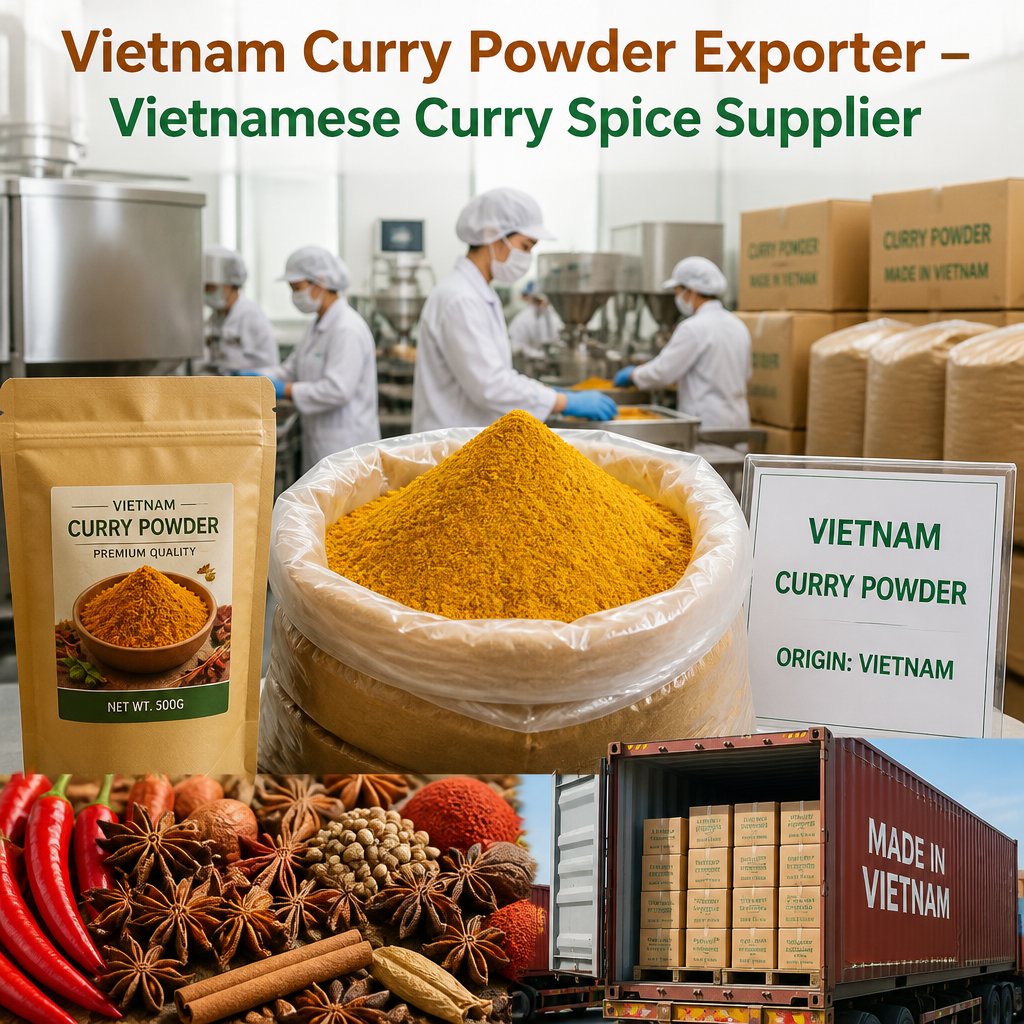
In the realm of curry powder production, the choice of packaging plays a critical role in both preserving the product's freshness and enhancing its marketability. Various packaging options are available to meet these needs, ranging from vacuum-sealed bags that ensure maximum freshness to aesthetically designed jars that serve as a branding tool. For instance, vacuum-sealed bags are excellent for maintaining the aroma and flavor of the curry powder by minimizing exposure to air and moisture. On the other hand, glass jars or tin containers offer a premium look that appeals to consumers seeking high-end products, thus serving a dual purpose of preservation and branding.
Beyond packaging, certifications are a cornerstone in the export market for curry powder, especially for a Vietnam Curry Powder Exporter aiming to reach international markets. Certifications such as ISO (International Organization for Standardization) and HACCP (Hazard Analysis and Critical Control Points) are not just industry buzzwords; they are essential credentials that assure buyers of the product’s compliance with global safety and quality standards.
"ISO and HACCP certifications are indispensable for curry powder exporters to penetrate and sustain in international markets."
These certifications are vital as they demonstrate a commitment to high-quality production processes and adherence to stringent safety guidelines. ISO standards, for example, provide a framework for ensuring that products meet customer and regulatory requirements consistently. Meanwhile, HACCP focuses on identifying and managing potential hazards in food production, thereby ensuring the safety of the curry powder from production to consumption.
Ensuring compliance with these standards not only facilitates smoother entry into international markets but also builds trust with consumers and partners. For exporters, this compliance is a testament to the reliability and quality of their products, making it a significant competitive advantage in the global spice market.
OEM and Private-Label Production Opportunities
In the competitive landscape of spice manufacturing, Vietnam Curry Powder Exporter offers significant opportunities for businesses through OEM (Original Equipment Manufacturer) and private-label production. This avenue not only allows companies to customize and brand their products but also provides a strategic advantage in meeting specific market demands.
Customization and branding options are at the forefront of OEM and private-label production. Businesses can tailor their curry powder blends to align with their brand identity, ensuring that their products stand out on the shelves. This level of customization is invaluable for companies looking to establish a unique market presence, as it allows them to create a product that resonates with their target audience.
The advantages of OEM and private-label production extend beyond customization. One of the key benefits is the flexibility in product offerings and formulations. Companies can experiment with different spice combinations and formulations to cater to diverse culinary preferences. Whether it's a mild blend for Western palates or a spicier mix for Asian cuisines, the flexibility provided by OEM production means businesses can quickly adapt to changing consumer tastes.
Moreover, OEM and private-label production allow businesses to meet specific client specifications. This is particularly important for food product developers and manufacturers who need to comply with stringent quality and safety standards. By working closely with a Vietnam Curry Powder Exporter, businesses can ensure their products not only meet but exceed these specifications, thereby enhancing their reputation and customer satisfaction.
"The ability to customize spice blends and label them according to brand specifications offers companies a unique competitive edge in the global market."
Overall, OEM and private-label production offer a significant opportunity for businesses to stand out in the spice industry. By utilizing customization, flexibility, and the capacity to meet specific client requirements, companies can improve their product offerings and secure a more robust market presence.
Stimulating Interest in Curry Powder
The global appetite for spicy foods is on the rise, creating an ideal environment for the promotion of curry powder exports. This trend is not just a fleeting culinary craze but a growing preference that spans continents. For example, countries like India and Thailand have long embraced spicy dishes, and now Western countries are increasingly incorporating heat into their menus. This shift presents a lucrative opportunity for Vietnam curry powder exporters to tap into new markets.
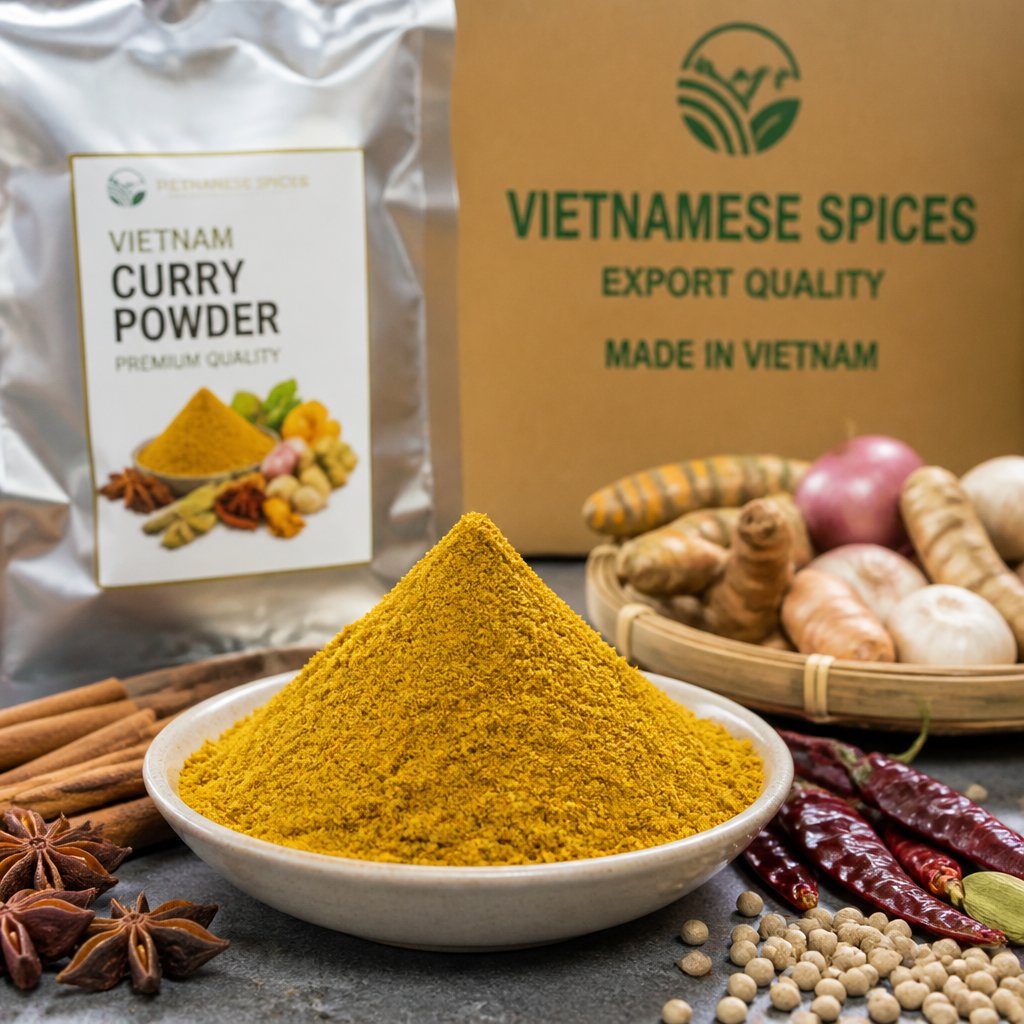
Furthermore, the health benefits associated with curry ingredients add another layer of appeal. Turmeric, a staple in many curry powders, is renowned for its anti-inflammatory properties and potential to improve heart health. Similarly, cumin is known for aiding digestion, while coriander offers anti-oxidative benefits. These health advantages make curry powder an attractive option for health-conscious consumers, further broadening its market potential.
Innovation in spice blends also opens doors for creativity and differentiation in the market. The opportunity to create unique blends that cater to specific regional tastes or dietary needs allows suppliers to stand out. For instance, a blend emphasizing more turmeric could appeal to those seeking anti-inflammatory benefits, while a milder blend might attract those who prefer a subtler flavor profile.
Finally, culinary experimentation is a significant trend that cannot be overlooked. Chefs and home cooks alike are increasingly eager to explore new flavors and ingredients, making curry powder a versatile addition to any pantry. This trend encourages Vietnam curry powder exporters to offer diverse and customizable options, ensuring that their products can be adapted to various culinary applications, from traditional curries to innovative fusion dishes.
"The increasing demand for spicy foods, coupled with the health advantages of curry ingredients, provides an ideal environment for expanding the curry powder market."
Next Steps for Engaging with Curry Powder Suppliers
For businesses looking to collaborate with Vietnam curry powder exporters, a strategic approach is essential. The following steps will guide you in effectively engaging with suppliers to ensure a successful partnership.
-
Research Potential Suppliers and Their Offerings
Begin by identifying reputable suppliers who specialize in curry powder exports. Companies like Vietspice and Saigon Spices are key players in the market, known for their diverse spice blends. Analyze their product catalogs to understand the variety and uniqueness of their offerings. This research phase is crucial to ensure that the supplier's products align with your business needs and market demands.
-
Evaluate Certifications and Compliance Records
Ensuring that your potential suppliers meet international safety and quality standards is non-negotiable. Look for certifications such as ISO 22000 and HACCP, which demonstrate a commitment to quality and safety in food production. A supplier's compliance record can significantly impact your brand's reputation, so thorough evaluation is essential.
-
Consider Customization Needs and Options
Customization is a powerful tool for branding and product differentiation. Evaluate whether the suppliers offer options for private-label production or OEM services, allowing you to tailor products to your specific requirements. This might include adjusting spice blends to suit regional taste preferences or creating bespoke packaging solutions that enhance brand visibility.
-
Establish Partnerships for Product Development
Long-term success in the spice market often hinges on innovation. Establishing partnerships with suppliers can facilitate collaborative product development, leading to unique offerings that stand out in the market. Engage with suppliers who are open to joint ventures and can contribute to developing new spice blends that cater to emerging culinary trends.
"Choosing the right supplier is not just about the product; it's about building a partnership that fosters innovation and growth."
By following these steps, businesses can effectively engage with Vietnam curry powder exporters, ensuring a robust supply chain and the potential for market expansion.