
Vietnam Corn Exporter faces challenges in meeting international standards, impacting quality and trust for global buyers. Discover how transparency can enhance market competitiveness.
The Vietnamese corn supply chain is confronted with a myriad of challenges that significantly impede its potential to emerge as a major player in the international market. A primary issue stems from the scant detailed information available regarding the specific grain specifications of Vietnamese corn. This lack of transparency poses a considerable challenge for international buyers, making it difficult to assess the quality and suitability of the corn for various applications, particularly in animal feed production where specific standards are critical.
One of the significant challenges is the absence of established moisture content standards. Moisture content is a crucial factor that influences the shelf life and quality of corn. Without established standards, buyers are left uncertain about whether the corn meets the necessary requirements for safe storage and transportation, which can lead to spoilage and financial losses. Moisture content typically needs to be around 14% to ensure that the corn remains viable for long-term storage and use.
Concerns surrounding purity levels further complicate the situation. The purity of corn directly impacts its nutritional value and safety when used in animal feed. Uncertainty about the purity levels of Vietnamese corn raises questions about its reliability and effectiveness, potentially deterring international buyers who prioritize quality. Ensuring high purity levels is essential to maintain the nutritional integrity and safety of the corn, especially when used in sensitive applications like animal feed.
Furthermore, the absence of specific exporter data creates a gap in trust and accountability. International buyers often rely on detailed exporter profiles to make informed purchasing decisions. Without such information from Vietnamese exporters, establishing long-term business relationships becomes challenging, reducing Vietnam's competitiveness in the global corn market. Detailed exporter data is crucial for building credibility and trust with international buyers, facilitating smoother transactions.
There is also a noticeable gap in knowledge about the applications of Vietnamese corn for feed. Understanding how Vietnamese corn can be utilized effectively in animal feed is crucial for maximizing its value. Without this knowledge, potential buyers may overlook Vietnamese corn in favor of more familiar and well-documented alternatives. This gap in knowledge can lead to missed opportunities in tapping into the lucrative animal feed market.
The lack of clear standards and information in the Vietnamese corn supply chain presents significant challenges for its integration into the global market.
Impacts of Insufficient Corn Information
The lack of comprehensive information on Vietnamese corn presents significant challenges across various sectors, particularly in animal feed production. Without clear specifications, the quality of animal feed can be compromised, leading to potential nutritional deficiencies in livestock. The absence of critical data such as moisture content and purity levels means that feed producers may inadvertently use substandard corn, which could affect the health and productivity of animals. This can result in decreased growth rates and increased susceptibility to diseases in livestock.
The competitiveness of Vietnamese corn in the global market is severely impacted by this lack of transparency. Buyers often hesitate to engage with suppliers who cannot provide detailed product information, as it raises concerns about the reliability and quality of the corn. This uncertainty can lead to a preference for suppliers from other countries with more transparent practices, thus affecting Vietnam's position as a potential corn exporter. Transparency is a key factor in building trust and ensuring successful international trade relationships.
Export opportunities are further hindered as international buyers demand adherence to specific standards. Without the ability to verify that Vietnamese corn meets these standards, potential deals may fall through. This not only limits market expansion but also affects the country's economic growth in the agricultural sector. Meeting international standards is crucial for gaining access to lucrative export markets and ensuring sustainable growth.
Another consequence of insufficient corn information is the increased operational costs for buyers. When buyers cannot ascertain the quality of the corn beforehand, they may need to conduct additional quality checks and tests, incurring extra expenses. These costs could have been avoided if comprehensive data were readily available. The additional burden of quality checks can deter buyers and push them towards more reliable sources.
The risk of not meeting international standards is a critical barrier for Vietnamese corn exporters aiming to penetrate global markets.
The inability to meet international standards due to incomplete corn specifications further exacerbates the issue. International buyers often have stringent requirements, and any failure to comply can lead to rejection of shipments, financial losses, and damage to the reputation of Vietnamese corn exporters. Ensuring compliance with international standards is essential for maintaining a positive reputation and securing long-term export contracts.
Understanding Corn Grain Specifications
In the competitive landscape of international corn trade, having clear and precise grain specifications is not just beneficial but essential. These specifications are the cornerstone for ensuring quality, consistency, and compliance with international standards, which in turn affects market competitiveness and export opportunities. For Vietnam Corn Exporters, understanding and implementing these specifications is crucial to gain a foothold in the global market.
One of the primary aspects of corn grain specifications is the moisture content. Moisture content plays a pivotal role in determining the quality and shelf life of corn. High moisture levels can lead to mold growth and spoilage, which not only degrade the quality but also pose health risks when used in animal feed. The industry standard for moisture content in corn is typically around 14%, and deviations from this benchmark can significantly impact the usability and safety of the corn.
Another critical factor is the purity level of the corn. Purity levels dictate how the corn can be used, especially in specific applications like animal feed or food processing. Impurities such as foreign materials, broken kernels, and other grains can affect the nutritional value and safety of the corn. Therefore, maintaining a high purity level is essential for ensuring the corn meets the intended use and international trading standards.
Benchmarking against international standards is a practice that cannot be overlooked. Countries like the United States and Brazil have established rigorous standards for corn quality, which serve as benchmarks for other corn-exporting nations. For instance, the U.S. has a comprehensive grading system that evaluates factors such as test weight, broken corn, and foreign material (BCFM), and moisture content. By aligning with these standards, Vietnam can enhance its credibility and competitiveness in the global market.
Achieving international benchmarks is not just a goal; it's a necessity for Vietnam Corn Exporters to thrive in the global market.
To put this into perspective, let's consider the example of Argentina, a major player in the corn export market. Argentina adheres to strict quality standards, which has allowed it to maintain a strong presence in international markets. By following similar practices, Vietnam can potentially improve its export capabilities and market reputation. Learning from established exporters can provide valuable insights into effective quality management practices.
In summary, understanding and implementing detailed corn grain specifications are vital for Vietnam Corn Exporters. By focusing on moisture content, purity levels, and international benchmarking, Vietnam can overcome current challenges and position itself as a reliable bulk corn supplier for international buyers.
Applications of Vietnamese Corn for Feed
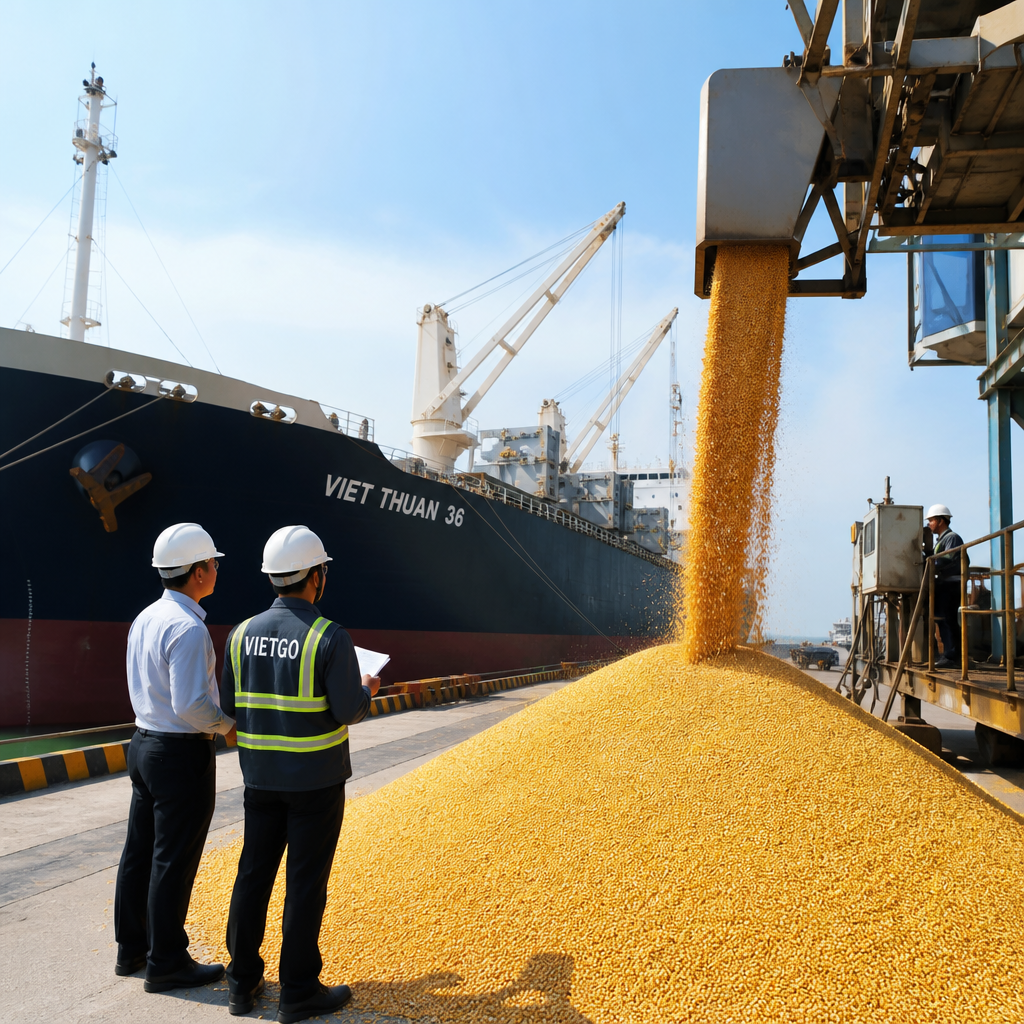
In the realm of animal husbandry, corn holds a pivotal role as a staple ingredient in feed. Its significance in animal feed is underscored by its high-energy content, which is crucial for the growth and maintenance of livestock. Corn provides a rich source of carbohydrates, which are essential for energy metabolism in animals. Additionally, it contains a moderate amount of protein and essential nutrients such as fiber, vitamins, and minerals, contributing to the overall health and productivity of livestock.
Using high-quality corn in feed formulations enhances the nutritional profile of the diet provided to animals. This not only supports better growth rates but also improves feed conversion ratios, which is a measure of an animal's efficiency in converting feed mass into increased body mass. For instance, studies have shown that livestock fed with premium-grade corn exhibit higher weight gain and improved health markers compared to those fed with inferior quality corn.
Several case studies highlight successful applications of Vietnamese corn in feed. For example, a study conducted by the Vietnam National University of Agriculture demonstrated that incorporating locally sourced, high-quality corn into pig feed resulted in a 15% increase in average daily gain. This improvement is attributed to the superior energy content and digestibility of the corn used.
The use of high-quality Vietnamese corn in animal feed has shown to significantly enhance livestock productivity, as evidenced by increased growth rates and improved health outcomes.
However, challenges arise when corn specifications are not properly defined or adhered to. Without clear standards on moisture content and purity levels, the efficacy of corn in feed can be compromised. Moisture content, for instance, affects the storage and longevity of corn, while impurities can lead to health issues in animals. Such challenges can negate the potential benefits of using corn in feed, leading to suboptimal livestock performance.
Addressing these challenges by adhering to strict specifications can lead to potential improvements in livestock productivity. By ensuring that corn used in feed meets high standards of quality, farmers can optimize feed efficiency and animal growth, ultimately enhancing the sustainability and profitability of livestock operations. As a prominent Vietnam Corn Exporter, it is crucial to focus on these aspects to maintain competitiveness and ensure the success of Vietnamese corn in the global market.
Packaging and Export Options
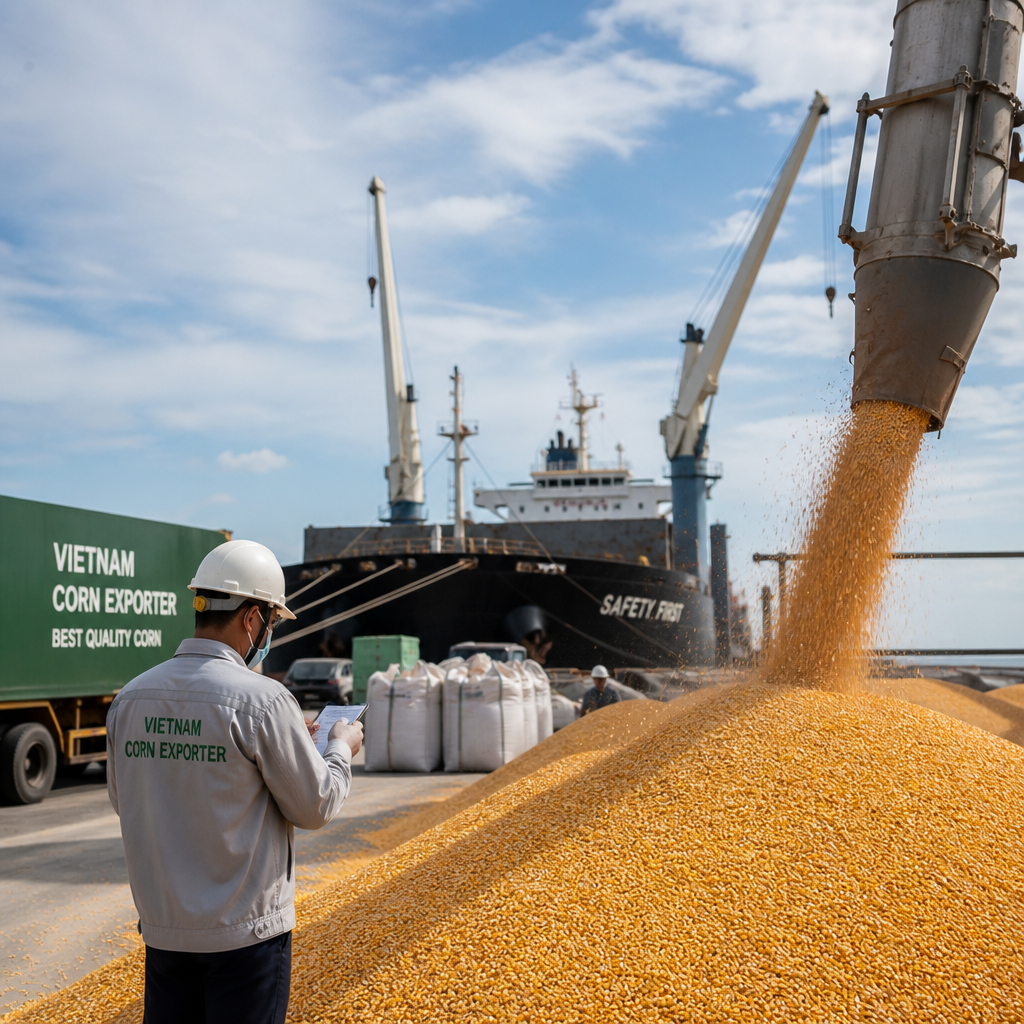
When it comes to exporting corn from Vietnam, understanding the available packaging and export options is crucial for both suppliers and international buyers. The current packaging options primarily involve bulk shipments, which are the most cost-effective method for transporting large quantities of corn. Typically, corn is packaged in bulk containers of 20 or 40 feet, depending on the buyer's requirements and the volume of the order. These containers are designed to maintain the quality of the corn by protecting it from external elements during transit.
The standard export processes for bulk shipments from Vietnam involve several key steps. First, the corn is carefully loaded into containers at the supplier's facility. Following this, the containers are transported to the port where they undergo inspection and documentation processes. Once cleared, the containers are loaded onto ships for international transport. This process, while efficient, requires careful coordination to ensure timely delivery and compliance with international shipping regulations.
One of the challenges faced by Vietnam Corn Exporter is the issue of minimum order quantities (MOQ). Many international buyers require flexibility in order sizes, but suppliers often set MOQs to ensure profitability and manage logistics efficiently. This can be a barrier for smaller buyers or those looking to test the market with smaller shipments before committing to larger orders.
| Aspect | Vietnam Practices | Global Practices |
|---|---|---|
| Packaging | Bulk containers | Bulk, sacks, and vacuum-sealed options |
| Export Process | Standard port inspections | Advanced logistic tracking systems |
| MOQ | Higher due to cost efficiency | Varies, often more flexible |
Compared to global export practices, Vietnam's approach is primarily focused on bulk shipments, which can limit flexibility. Globally, there is a trend towards offering a wider range of packaging options, such as sacks or vacuum-sealed packages, which cater to different buyer needs and help preserve product quality. Additionally, advanced logistic tracking systems are increasingly used worldwide to enhance transparency and efficiency in the export process.
To enhance the efficiency of export handling, several recommendations can be made. First, adopting more flexible packaging options could attract a broader range of buyers. Secondly, implementing advanced tracking systems could improve logistics management and provide real-time updates to buyers, thereby increasing trust and satisfaction. Lastly, considering adjustments to MOQ policies could open up new markets and opportunities for Vietnamese corn exporters.
The key to success in the global corn export market lies in adaptability and innovation in packaging and logistics.
Developing Solutions for Corn Supply Issues
As Vietnam seeks to establish itself as a prominent Vietnam Corn Exporter, addressing the challenges in corn supply is crucial. The path to resolving these issues involves several strategic steps aimed at enhancing transparency, quality, and innovation in the corn industry.
- 💡 Need for Transparent Specification Documentation: To improve trust and reliability in the international market, it's essential to develop comprehensive and transparent documentation of corn specifications. This includes detailed information on moisture content, purity levels, and other critical parameters that are currently lacking. By aligning with international standards, Vietnam can better meet the expectations of global buyers.
- ✅ Implementing Quality Control Measures: Establishing rigorous quality control measures is vital to ensure that the corn supply meets both domestic and international standards. This could involve regular testing and certification processes that verify the quality and safety of the corn produced.
- 🤝 Collaboration with International Experts: Partnering with international experts and organizations can provide valuable insights and best practices for improving corn quality and production processes. Such collaborations can also facilitate knowledge transfer and help Vietnamese producers stay competitive on the global stage.
- 📊 Developing a Centralized Information Database: Creating a centralized database that consolidates all relevant data on corn production, specifications, and quality metrics can significantly enhance transparency and accessibility. This database would serve as a reliable resource for exporters, buyers, and researchers, ensuring that all stakeholders have access to the same information.
- 🌱 Encouraging Research and Development in Corn Cultivation: Investing in research and development is crucial for advancing corn cultivation techniques and improving crop yields. This includes exploring new agricultural technologies, pest management strategies, and sustainable farming practices that can boost productivity and quality.
By implementing these solutions, Vietnam can strengthen its position as a leading supplier in the global corn market. These efforts will not only address current supply issues but also pave the way for sustainable growth and increased competitiveness in the future.







