Discover the essence of Vietnam's coffee industry, where it stands as the second-largest coffee exporter, specializing in premium Robusta and Arabica beans.
Vietnam has firmly established itself as the second-largest coffee exporter in the world, a remarkable achievement that highlights its significant role in the global coffee industry. Beyond this impressive ranking, Vietnam is also the leading supplier of Robusta coffee, a variety that is celebrated for its bold flavor and high caffeine content. This dominance in the Robusta market is not just a matter of volume; it reflects Vietnam's strategic cultivation practices and its ability to meet the demands of international markets.
The country's robust growth in international coffee markets highlights its adaptability and resilience in the face of evolving global trends. Vietnam's coffee exports have consistently risen, fueled by strong demand from major coffee-consuming nations. This upward trajectory not only enhances Vietnam's economic stature but also establishes it as a pivotal force in the global coffee industry. As appreciation for Vietnamese coffee's unique qualities grows, the country is poised to strengthen its position on the world stage.
The Historical Journey of Vietnamese Coffee Cultivation
The 19th-century introduction of coffee to Vietnam initiated a transformative journey, ultimately establishing the country as a global coffee powerhouse. French colonists played a crucial role in introducing coffee plants, initially cultivating them in northern regions. This foundation led to the development of a thriving coffee culture that evolved over the years.
As coffee cultivation spread, so did the development of a unique coffee culture that is now an integral part of Vietnamese life. The traditional Vietnamese coffee, known for its strong flavor and the iconic preparation method with a phin filter, became a symbol of hospitality and social interaction. Over time, coffee shops flourished, becoming popular gathering spots and contributing to the cultural fabric of the nation.
Major milestones in Vietnam's coffee production include the expansion of coffee plantations in the Central Highlands during the 20th century, which significantly boosted production capabilities. By the late 1980s, Vietnam had established itself as a key player in the global coffee market. The government's economic reforms, known as Đổi Mới, further accelerated growth, transforming Vietnam into the second-largest coffee exporter worldwide. This remarkable journey from a colonial introduction to a dominant global presence underscores the resilience and adaptability of Vietnamese agriculture.
Vietnam's Economic Powerhouse: Current Market Significance
As a major contributor to the national GDP, Vietnam's coffee industry underscores its economic significance. As the second-largest coffee exporter globally, Vietnam has established a strong presence in the international market, with coffee exports playing a crucial role in the nation's economic framework. This sector not only strengthens the economy but also supports the livelihoods of millions of Vietnamese farmers.
Vietnam's major export markets include Germany, Italy, and the USA, which are among the top consumers of Vietnamese coffee. These countries appreciate the unique qualities of Vietnamese coffee, particularly the robust flavor profile of Robusta beans. The consistent demand from these markets highlights Vietnam's strategic importance in the global coffee trade.
The Vietnam Coffee and Cocoa Association (VICOFA) plays a crucial role in promoting and supporting the coffee industry. VICOFA's efforts in advocating for quality improvements and sustainable practices have been instrumental in maintaining Vietnam's competitive edge. By fostering international collaborations and ensuring compliance with global standards, VICOFA helps Vietnamese coffee maintain its standing in key international markets.
Diverse Vietnamese Coffee Types and Regions
Vietnam's coffee landscape is as varied as its geography, offering a rich tapestry of flavors and characteristics that captivate coffee enthusiasts worldwide. At the heart of this diversity is the predominance of Robusta coffee, which accounts for a staggering 90% of the country's total production. This variety is celebrated for its bold flavor and high caffeine content, making it a staple in espresso blends and instant coffee products.
Meanwhile, in the cooler climes of Da Lat and Lam Dong, Arabica beans flourish. These regions provide the perfect conditions for cultivating Arabica, known for its aromatic complexity and smoother taste profile. The unique microclimates of these areas contribute to the distinctive flavor characteristics of Vietnamese Arabica, setting it apart from other global varieties.
The interplay of these diverse coffee types and their regional characteristics not only highlights Vietnam's role as a leading coffee exporter but also underscores the country's potential to cater to a wide range of palates. This diversity is a significant draw for international buyers and coffee connoisseurs alike, enhancing Vietnam's reputation as a premier coffee supplier.
Robusta: The Core of Vietnam’s Coffee Identity
Robusta coffee is integral to Vietnam's coffee identity, known for its bold flavor and high caffeine content. This variety is a favorite among those who enjoy a strong, invigorating brew. Its intense characteristics make it particularly suitable for espresso and instant coffee, providing a robust taste experience.
One of the key attributes that make Robusta stand out is its low acidity combined with a full body. This unique profile not only enhances the richness of the coffee but also makes it a versatile choice for various coffee preparations. The full-bodied nature of Robusta ensures a satisfying and lingering aftertaste, which is highly prized in the coffee world.
"Robusta's distinctive attributes make it an indispensable component of Vietnam's coffee landscape, catering to both traditional and modern coffee preferences."
For those looking to explore the depths of Vietnam's coffee culture, understanding the significance of Robusta is essential. Its prominence in both domestic and international markets underscores its role as a cornerstone of Vietnam's coffee exports, solidifying the country's position as a leading Vietnam Cashew Exporter in the global arena.
Exploring Vietnam's Major Coffee-Growing Regions
The Central Highlands of Vietnam, comprising Dak Lak, Lam Dong, and Gia Lai, stand as the heart of the nation's coffee production. This region is not only crucial due to its vast coffee plantations but also because of its unique geographic and climatic conditions that foster the growth of high-quality coffee beans.
With its rich volcanic soil and ideal altitude, the Central Highlands provides the perfect environment for cultivating both Robusta and Arabica coffee varieties. Dak Lak is renowned for its Robusta beans, which thrive in the lower altitudes and warmer temperatures, producing coffee with a bold flavor and high caffeine content. In contrast, Lam Dong, particularly around Da Lat, is celebrated for its Arabica beans. Grown at higher altitudes with cooler climates, these beans offer a milder taste with nuanced flavors, appealing to specialty coffee markets.
The differences between these regions highlight Vietnam's diverse coffee landscape. While Robusta dominates the nation’s coffee identity, Arabica's increasing prominence in areas like Lam Dong showcases the country's potential in specialty coffee production. This diversity not only enriches Vietnam's coffee portfolio but also positions it as a versatile player in the global coffee industry.
Vietnam's Coffee Export Process: A Guide for Buyers
Understanding the export process is crucial for buyers interested in sourcing coffee from Vietnam, a leading player in the global market. A key consideration is the Minimum Order Quantities (MOQs), which can vary depending on the supplier and type of coffee. Generally, MOQs are set to ensure economic viability in shipping and handling, making them a critical factor for buyers to negotiate effectively.
Certifications play a pivotal role in ensuring the quality and sustainability of Vietnamese coffee. Notable certifications such as the Rainforest Alliance, UTZ, and Fairtrade are commonly sought after by international buyers. These certifications not only affirm ethical and sustainable practices but also enhance the marketability of the coffee in premium markets.
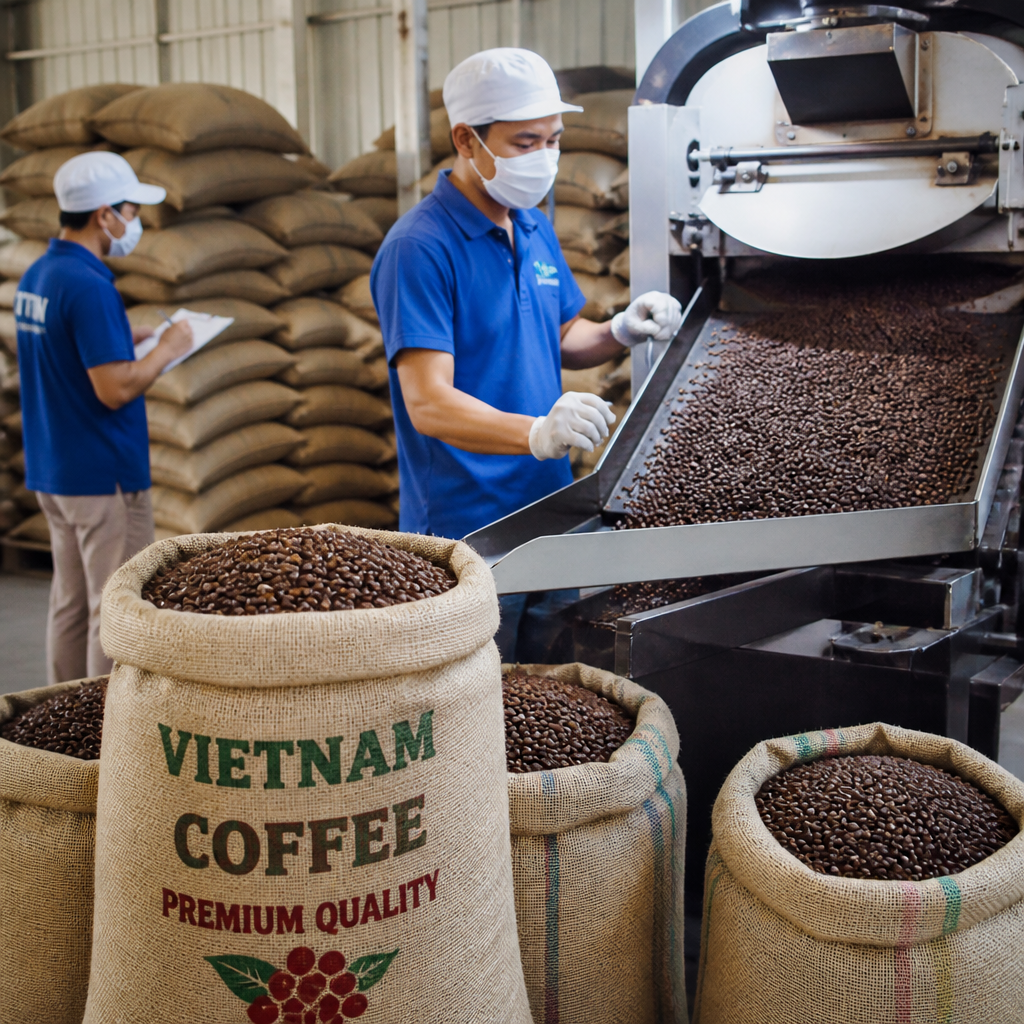
The role of modern processing equipment cannot be overstated. Advanced machinery ensures that the coffee meets international standards of quality and consistency. This technological investment is crucial for maintaining the competitive edge of Vietnamese coffee in the global arena. By employing state-of-the-art equipment, Vietnam can efficiently process large volumes while preserving the unique flavor profiles that its coffee is renowned for.
For buyers, understanding these elements—MOQs, certifications, and processing technology—can significantly influence purchasing decisions and foster successful partnerships with Vietnamese suppliers.
Understanding the Vietnamese Coffee Supply Chain
The Vietnamese coffee supply chain is a complex network that plays a crucial role in the country's position as a leading coffee exporter. At the heart of this chain are the smallholder farmers and local collectors who form the backbone of coffee production. These farmers, often working on small plots of land, are responsible for cultivating and harvesting the coffee beans that make Vietnam a powerhouse in the global market. Their involvement is pivotal, as they ensure the steady supply of raw coffee beans needed for processing and export.
Once harvested, the beans are transported to processing units specifically designed for export purposes. These facilities are equipped with modern technology to process the beans, ensuring they meet international quality standards. This step is vital for maintaining the reputation of Vietnamese coffee on the global stage, as it directly impacts the flavor and quality of the final product.
To further streamline the supply chain and enhance trust with international buyers, platforms like ViRFQ are utilized for supplier verification. These platforms provide a transparent and efficient way to verify the credibility of suppliers, ensuring that buyers receive high-quality coffee from reputable sources. This verification process is a critical component in maintaining the integrity of the supply chain and fostering long-term relationships with global partners.
Ensuring Quality and Compliance in Coffee Exports
In the competitive arena of premium coffee markets, certifications play a pivotal role in establishing trust and ensuring quality. Certifications such as the Rainforest Alliance, UTZ, and Fairtrade are not just badges of honor but vital components that open doors to discerning markets that demand sustainability and ethical sourcing. These certifications assure buyers of the environmental and social responsibility of their coffee suppliers, which is increasingly becoming a non-negotiable aspect of international trade.
Additionally, pre-shipment inspections conducted by reputable entities like SGS or Vinacontrol are essential to maintaining quality standards. These inspections provide a rigorous check on the coffee's quality before it leaves Vietnamese shores, ensuring that the product meets the specific requirements of the destination market. This step is crucial for maintaining the integrity of the supply chain and delivering consistent quality.
Compliance with the European Union's EUDR regulations is another critical aspect that Vietnamese coffee exporters must navigate. These regulations, which focus on deforestation-free supply chains, require exporters to provide proof that their products do not contribute to illegal deforestation. By adhering to these stringent requirements, Vietnam not only safeguards its export markets but also positions itself as a responsible global coffee supplier.
"Vietnam's commitment to quality and compliance is a testament to its position as a leading coffee exporter, ensuring that its premium beans meet the highest international standards."
Navigating Export Regulations and Logistics
Successfully exporting Vietnamese coffee requires understanding key logistical and regulatory considerations. For international buyers, knowing the standard Minimum Order Quantities (MOQs) for green coffee is crucial. Typically, these MOQs range from 10 to 20 metric tons, ensuring that transactions are economically viable for both suppliers and buyers.
Logistics play a pivotal role in the export process. Buyers must consider shipping options, costs, and timelines to optimize their supply chain. Vietnam's strategic location and well-developed port infrastructure, such as the Cat Lai Port in Ho Chi Minh City, facilitate efficient international shipping, making it easier for buyers to receive their orders promptly.
Another critical aspect is ensuring compliance through due diligence statements and the use of GPS farm coordinates. These tools verify the origin of the coffee, ensuring traceability and adherence to ethical sourcing practices. This level of transparency not only builds trust with buyers but also aligns with global standards for sustainability and ethical trade.
Challenges and Opportunities in Vietnam’s Coffee Sector
Vietnam's coffee sector faces a complex landscape of challenges and opportunities that require strategic navigation. One of the most pressing issues is price volatility, driven by fluctuations in global markets and compounded by the impacts of climate change. These factors can significantly affect the income stability of coffee farmers, making it crucial for stakeholders to develop resilient strategies.
On the opportunity side, there is a burgeoning interest in specialty coffee markets. As consumer preferences shift towards unique and high-quality coffee experiences, Vietnam has the potential to capitalize on its diverse coffee varieties, particularly Arabica from regions like Da Lat and Lam Dong. This trend opens new avenues for Vietnamese producers to differentiate their offerings and tap into premium segments.
Moreover, the growth potential in value-added products presents a significant opportunity for Vietnam's coffee sector. By investing in processing technologies and innovation, Vietnam can enhance the value chain, offering products like instant coffee and ready-to-drink beverages that meet evolving consumer demands worldwide. This strategic focus not only promises higher returns but also strengthens Vietnam's position as a leading coffee exporter.
Addressing Climate and Price Challenges
In recent years, climate change has emerged as a significant threat to coffee production in Vietnam, impacting both yield and quality. Unpredictable weather patterns, such as increased temperatures and irregular rainfall, have disrupted the traditional growing seasons, leading to potential declines in output. For instance, the Central Highlands, a crucial coffee-growing region, has experienced notable shifts in climate, affecting the delicate balance required for optimal coffee cultivation.
To combat these challenges, Vietnamese coffee producers are adopting innovative strategies to mitigate price volatility and ensure sustainable farming practices. One effective approach is the diversification of crops, which not only stabilizes income but also enriches soil health, making it more resilient to climate shifts. Additionally, farmers are increasingly employing technology-driven solutions, such as precision agriculture tools, to optimize resource use and enhance productivity.
Furthermore, innovations in farming practices, including the implementation of shade-grown coffee techniques, are gaining traction. This method not only protects coffee plants from excessive heat but also promotes biodiversity, contributing to a more sustainable ecosystem. These efforts are crucial for maintaining Vietnam’s position as a leading coffee exporter and supplier, ensuring that the industry remains robust in the face of environmental and economic challenges.
Rise of Specialty and Value-Added Vietnamese Coffees
Vietnam is increasingly gaining recognition for its specialty Arabica coffees, a trend driven by the growing global demand for high-quality, unique coffee experiences. While Vietnam has long been synonymous with robust Robusta production, regions like Da Lat and Lam Dong are now celebrated for their distinctive Arabica beans. These areas offer a combination of ideal altitude and climate, resulting in beans with unique flavor profiles that appeal to discerning coffee enthusiasts worldwide.
The shift towards specialty Arabica presents significant opportunities in value-added products. From single-origin coffees to innovative blends and flavored options, Vietnamese producers are exploring new ways to enhance their offerings. This diversification not only caters to evolving consumer preferences but also adds economic value, allowing producers to command premium prices in the international market.
Moreover, Vietnam's coffee industry is leveraging its competitive edge to strengthen its position on the global stage. The country's strategic investments in quality improvement and marketing are paying off, as Vietnamese specialty coffees carve out a niche in competitive markets such as the United States and Europe. This evolution is not just about meeting demand but also about solidifying Vietnam's reputation as a versatile and dynamic coffee exporter.
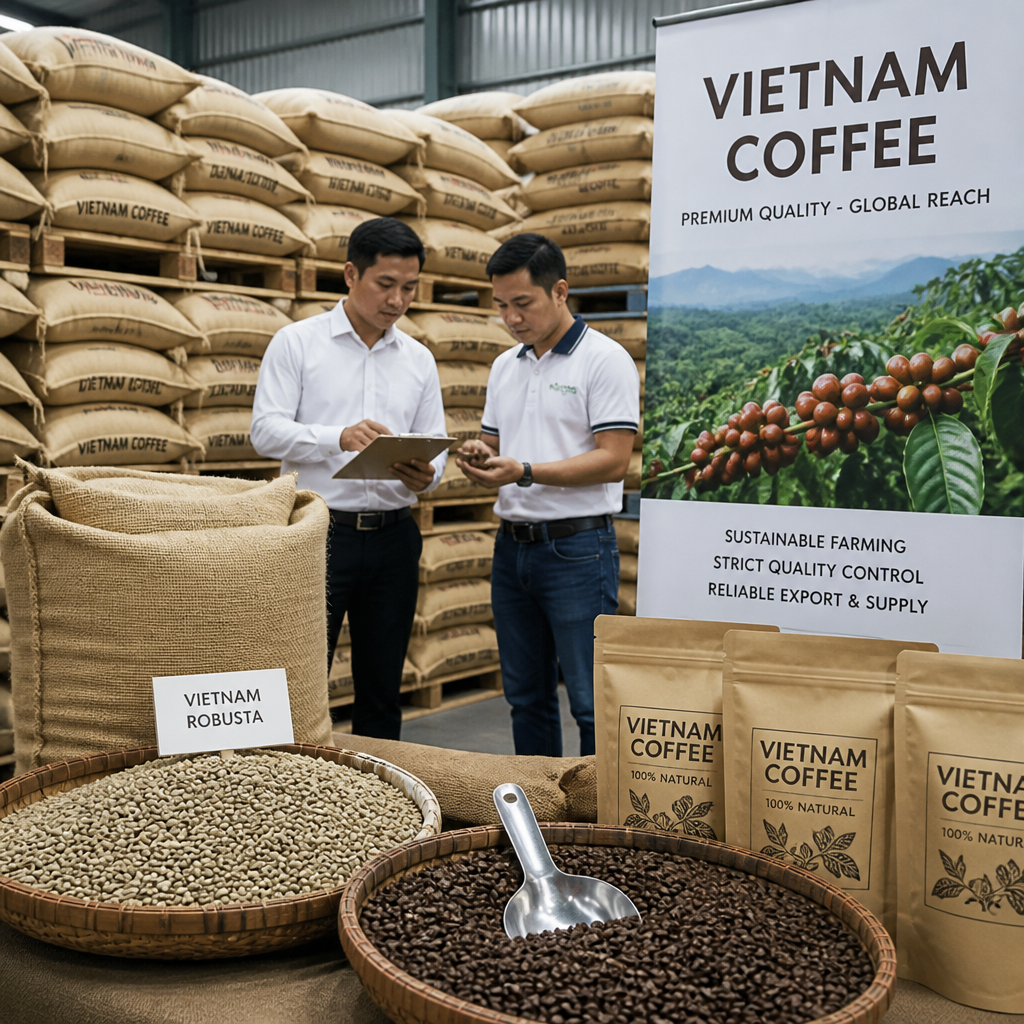
Sustainability and Future Trends in Vietnam's Coffee Export
To meet global demands for environmentally friendly products, Vietnam's coffee export industry is increasingly adopting sustainable farming practices. This transition not only reduces the ecological footprint but also improves economic viability for farmers. Techniques like shade-grown coffee and integrated pest management are becoming more popular, enhancing soil health and biodiversity.
Another significant trend is the emphasis on direct sourcing and traceability. By establishing direct relationships with farmers, exporters ensure transparency and build trust with international buyers. This approach also guarantees that coffee is ethically sourced, meeting the growing consumer demand for responsible production. Technological advancements, such as blockchain, are being utilized to improve traceability, ensuring that every bean's journey from farm to cup is documented.
"The future of Vietnam's coffee exports is poised for transformation, driven by sustainability and technological integration," says a leading industry expert.
Looking forward, predictions for Vietnam's coffee exports suggest a continued rise in specialty and value-added products. With global coffee consumption trends leaning towards premium and ethically sourced options, Vietnam is well-positioned to capitalize on these opportunities. As the industry evolves, Vietnam's role as a major coffee exporter is expected to strengthen, solidifying its status in the global market.
Adopting Sustainable Farming Practices
In the pursuit of sustainable agriculture, Vietnam's coffee industry is increasingly embracing eco-friendly farming methods, which promise both environmental benefits and economic viability. These practices not only help in preserving the biodiversity of coffee-growing regions but also enhance soil health and reduce carbon footprints. Economically, sustainable farming can lead to reduced costs in the long run by minimizing the need for chemical inputs and improving crop resilience.
Several case studies highlight the success of these sustainable practices. For instance, the adoption of agroforestry techniques in the Central Highlands has shown promising results. By integrating coffee plants with native trees, farmers have managed to create a more resilient ecosystem that supports biodiversity and improves coffee yield. Such practices have been documented to increase productivity by up to 20% while simultaneously conserving water resources.
Moreover, there is significant support from international organizations in promoting sustainable farming in Vietnam. Organizations like the Rainforest Alliance and UTZ are actively involved in providing certifications and training programs to local farmers. These initiatives aim to educate farmers on sustainable practices, ensuring that they meet international standards and gain access to premium markets. This support not only empowers local farmers but also aligns Vietnam's coffee industry with global sustainability trends.
The Importance of Direct Sourcing and Traceability
In the competitive landscape of global coffee exports, building trust with international buyers is paramount. Direct sourcing and traceability not only enhance the transparency of the supply chain but also ensure that buyers receive high-quality and ethically sourced coffee. By adopting these practices, Vietnamese coffee exporters can significantly strengthen their reputation and reliability in the market.
Ensuring quality and ethical sourcing is a critical aspect of the coffee industry. Direct sourcing allows exporters to establish closer relationships with farmers, ensuring that the coffee beans are produced under fair labor conditions and sustainable practices. This approach aligns with the growing demand for ethically sourced products, particularly in premium markets.
Moreover, technological advancements in traceability have revolutionized how coffee is tracked from farm to cup. Innovations such as blockchain technology provide an immutable record of the coffee's journey, offering buyers detailed insights into the origin and quality of their purchase. This level of transparency is increasingly demanded by consumers who are keen on understanding the provenance of their coffee.
The Changing Landscape of Vietnam's Coffee Export Industry
The global coffee consumption landscape is evolving at a rapid pace, with significant implications for Vietnam, the world's second-largest coffee exporter. The increasing demand for diverse coffee experiences is reshaping consumer preferences worldwide. Notably, the rise in popularity of specialty coffees and cold brews in Western markets is driving a shift towards higher quality and more varied flavor profiles. This trend presents both challenges and opportunities for Vietnamese coffee exporters, who are traditionally known for their robusta beans.
International trade policies also play a pivotal role in shaping Vietnam's coffee export industry. Recent adjustments in tariffs and trade agreements, such as the EU-Vietnam Free Trade Agreement (EVFTA), have opened new markets and reduced barriers for Vietnamese coffee. However, these policies also require compliance with stringent quality and sustainability standards, pushing local producers to innovate and adapt.
Vietnamese coffee brands are evolving in response to these global trends and policies. Companies like Trung Nguyen and Vinacafe have expanded their product lines and marketing strategies to appeal to international tastes, emphasizing quality and sustainability. This evolution is not just about meeting foreign demand but also about enhancing Vietnam's reputation as a premium coffee supplier on the global stage.
Frequently Asked Questions About Vietnam's Coffee Export
As Vietnam continues to solidify its position as a leading coffee exporter, international buyers often have several questions. Here are some of the most common inquiries and clarifications:
- What are the minimum order quantities (MOQs) for Vietnamese coffee? Buyers typically need to meet a standard MOQ, which can vary depending on the supplier and specific coffee type. Understanding these requirements is crucial for efficient procurement.
- How does the export process work? The export process involves several steps, including securing key certifications like Rainforest Alliance, UTZ, and Fairtrade, which ensure that the coffee meets international standards. Additionally, modern processing equipment plays a significant role in maintaining quality.
- What certifications are necessary for quality assurance? Certifications are vital for accessing premium markets. Pre-shipment inspections by organizations such as SGS or Vinacontrol are common practices to ensure compliance with international regulations, including the EU's EUDR regulations.
These questions highlight the importance of understanding Vietnam's coffee export landscape, ensuring that buyers can navigate the complexities with confidence and secure high-quality products.