
Vietnam Coffee Exporter is a key player in the global market, offering diverse coffee varieties like robusta and arabica, ensuring high quality and reliable supply for buyers.
In the realm of global coffee exports, Vietnam stands as a formidable force, ranking as the second-largest coffee exporter in the world. This remarkable achievement is not merely a reflection of volume but also of the unique positioning Vietnam holds in the global market. The country's coffee industry is distinguished by its ability to cater to diverse consumer preferences, offering a wide array of coffee products that span from traditional robusta to more niche varieties.
Vietnam's strategic advantage in the coffee sector is amplified by its diverse product offerings. The bold and robust flavors of Vietnamese robusta contrast with the smoother, aromatic profiles of arabica, creating a coffee portfolio that is both varied and extensive. This diversity caters to the tastes of global consumers and positions Vietnam as a versatile supplier capable of meeting different market demands. Such a range of offerings highlights Vietnam's adaptability and responsiveness to global coffee trends, ensuring the nation remains a key player in the international coffee landscape.
Diverse Product Varieties and Quality Standards
Vietnam's coffee industry stands out on the global stage not just for its sheer volume but for the remarkable diversity it offers in terms of coffee varieties. The two primary types of coffee beans produced and exported by Vietnam are Arabica and Robusta. Each of these varieties brings unique flavors and characteristics to the table, catering to a wide spectrum of consumer preferences worldwide.
The Arabica beans, known for their smooth and slightly acidic taste, are typically grown in the high-altitude regions of Vietnam. These beans are highly sought after in premium coffee markets due to their complex flavor profiles. On the other hand, Robusta beans, which thrive in the lowland areas, are celebrated for their strong, bold flavor and higher caffeine content, making them a favorite for espresso blends and instant coffee production.
Vietnam's commitment to quality is exemplified by its adherence to specific standards tailored to its coffee production. The country has developed benchmarks to ensure that the coffee produced meets both domestic and international expectations. These standards encompass various criteria from cultivation practices to post-harvest processing, guaranteeing that the coffee beans are of the highest quality.
Moreover, Vietnam's coffee industry is not isolated; it aligns itself with international quality benchmarks. This adherence ensures that Vietnamese coffee not only competes effectively on the global market but also satisfies the stringent quality requirements of international buyers. By aligning with standards such as the ISO and HACCP, Vietnam ensures that its coffee products are safe, reliable, and of superior quality.
"Vietnam's dedication to maintaining high quality standards in coffee production is a testament to its commitment to being a reliable supplier for global buyers."
This rigorous approach to quality assurance positions Vietnam as a trustworthy partner for coffee importers worldwide, reinforcing its reputation as a leading coffee exporter. As Vietnam continues to innovate and refine its coffee production processes, it remains a key player in meeting the diverse needs of coffee enthusiasts around the globe.
Packaging and Presentation for Global Markets
In the competitive arena of coffee exports, Vietnam Coffee Exporter understands that packaging is not merely a protective shell but a vital component of brand identity and market appeal. Innovative packaging solutions have become a hallmark of the Vietnamese coffee industry, playing a significant role in setting products apart in the global market.
Packaging is crucial in exports for several reasons. Firstly, it ensures the freshness and quality of coffee during long transit times to international markets. For example, vacuum-sealed packages are commonly used to preserve the aroma and flavor of coffee beans, ensuring that they reach the consumer in optimal condition. Secondly, packaging serves as a marketing tool that communicates brand values and attracts potential buyers. Eye-catching designs and informative labels can significantly influence purchasing decisions, particularly in retail environments.
Vietnamese coffee exporters employ a variety of packaging types to cater to diverse market needs. These include:
- 💡 Vacuum Sealed Bags: These are essential for maintaining the coffee's freshness and are particularly popular for premium coffee lines.
- 💡 Stand-Up Pouches: Often used for retail, these pouches are designed with resealable zippers, making them convenient for consumers and effective in preserving product quality.
- 💡 Eco-Friendly Packaging: As sustainability becomes a global priority, many exporters are transitioning to biodegradable materials, aligning with consumer preferences for environmentally responsible products.
One notable example is the use of biodegradable materials by leading Vietnamese brands, which not only reduces environmental impact but also enhances brand image in eco-conscious markets. This trend reflects a broader shift in consumer expectations and the need for exporters to adapt to these changes.
"Innovative packaging solutions are not just about aesthetics; they are crucial for maintaining product quality and meeting consumer expectations," says a spokesperson from Vietnam Coffee Exporter.
By embracing these innovative packaging strategies, Vietnam Coffee Exporter is well-positioned to meet the demands of global buyers, ensuring that Vietnamese coffee remains a preferred choice in international markets.
Understanding Minimum Order Quantities (MOQ)
The concept of Minimum Order Quantities (MOQ) is pivotal in the realm of international trade, especially for industries such as coffee export. MOQ refers to the smallest amount of product that a supplier is willing to sell at one time. This threshold is not arbitrary; it plays a crucial role in determining production and logistics efficiency, ensuring that both the supplier and buyer can engage in a transaction that is economically viable.
For Vietnamese coffee exporters, MOQ requirements can vary depending on the type of coffee and the specific supplier. Typically, for coffee, MOQs might range from a few hundred kilograms to several tons. This is largely due to the economies of scale in production and shipping. By setting a MOQ, suppliers like those from Vietnam can streamline their operations, reduce per-unit costs, and ultimately offer competitive pricing to international buyers.
The impact of MOQ on international buyers is significant. For large-scale buyers, such as multinational coffee chains or distributors, meeting the MOQ is often not a challenge. However, smaller businesses or new market entrants might find these requirements daunting. They need to carefully assess their capacity to store and sell the product to ensure that the investment aligns with their business strategy.
"MOQ requirements ensure that both suppliers and buyers engage in economically viable transactions, balancing production efficiency with market demand."
Understanding these dynamics is essential for any international buyer looking to engage with a Vietnam Coffee Exporter. By recognizing the importance and implications of MOQ, buyers can better navigate their purchasing decisions, ensuring they align with both their business goals and the operational realities of their suppliers.
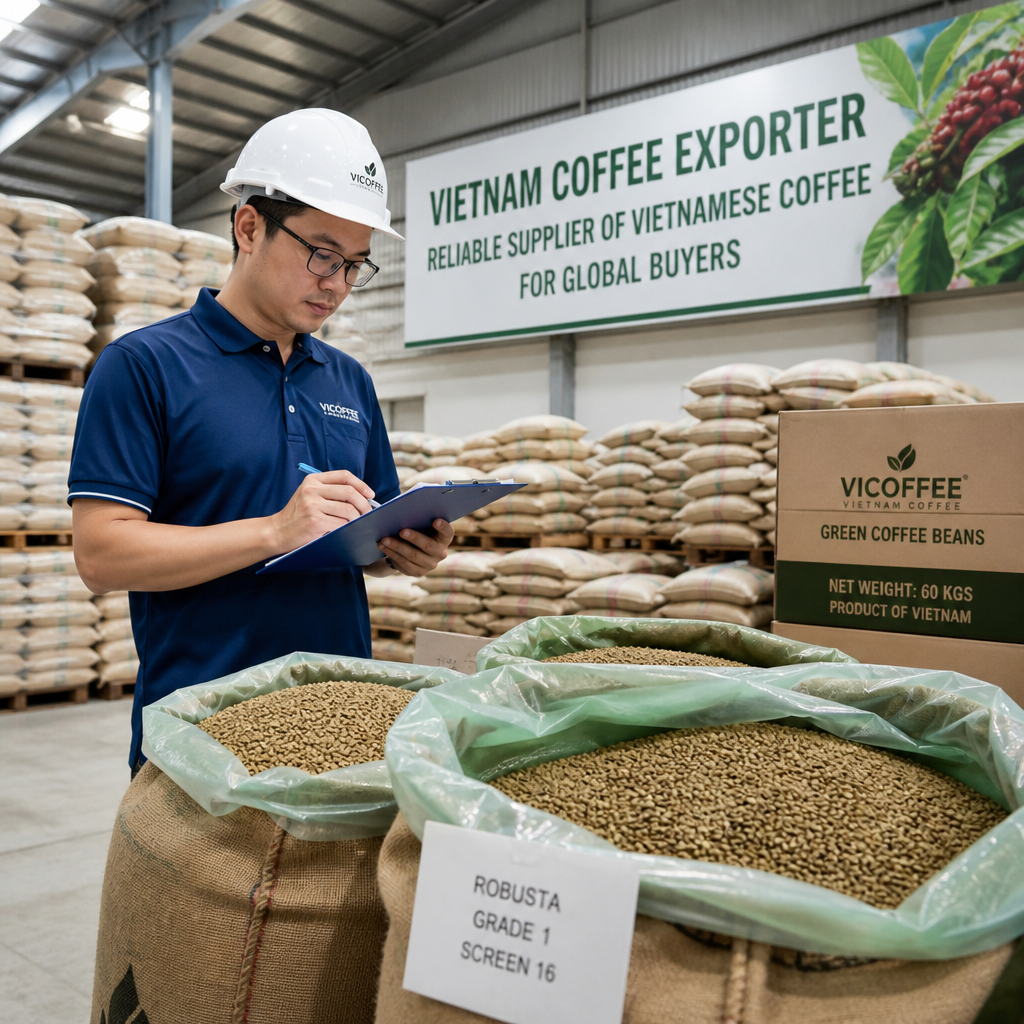
Supply Capacity: Meeting Global Demand
Vietnam's coffee industry stands as a testament to the nation's robust supply capabilities, adeptly meeting the demands of a global market. As the second-largest coffee exporter worldwide, Vietnam's capacity to produce and supply coffee on a large scale is unparalleled. This capability is underpinned by a well-established infrastructure that supports high-volume production and efficient distribution channels.
The scalability of Vietnam's coffee supply chains is a critical factor in its success. The country has developed an extensive network of farms and processing facilities that can be rapidly scaled up to meet increasing demands. This flexibility is crucial in a global market that is often unpredictable and subject to sudden changes in consumer preferences. Vietnam's ability to adjust its supply chain operations ensures that it remains a reliable partner for international buyers.
Several examples underscore Vietnam's prowess in large-scale coffee exports. In recent years, the nation has successfully fulfilled substantial orders from major coffee-consuming countries. For instance, Vietnam has consistently provided large shipments to the United States and Germany, two of the world's largest coffee importers. These successful transactions highlight Vietnam's logistical capabilities and the reliability of its supply chain operations.
"Vietnam's coffee export capacity is a cornerstone of its economic strength, consistently meeting the demands of international markets with efficiency and reliability."
Such achievements are not only a testament to the country's production capacity but also to its strategic planning and execution. By maintaining a focus on scalability and supply chain efficiency, Vietnam Coffee Exporter continues to solidify its position as a key player in the global coffee industry. This ensures that buyers worldwide can depend on a steady and reliable supply of high-quality Vietnamese coffee.
Export Processes: Navigating the Global Coffee Trade
For those involved in the Vietnam Coffee Exporter market, understanding the complexities of the coffee export process is essential. This journey involves several well-defined steps, each requiring careful attention to detail to ensure smooth transactions with global buyers.
- Harvesting and Processing: The process begins with the harvesting of coffee cherries, primarily Robusta and Arabica varieties. These cherries are then processed to extract the coffee beans, which are dried and prepared for export.
- Quality Control: Before exporting, quality checks are conducted to ensure the beans meet both Vietnamese standards and international benchmarks. This step is critical for maintaining Vietnam's reputation as a reliable coffee supplier.
- Packaging: Once quality is assured, the coffee is packaged. Innovative packaging solutions are employed to preserve freshness and appeal to international markets.
- Documentation and Compliance: Exporting coffee requires adherence to various regulations. Essential documentation includes the Certificate of Origin, Phytosanitary Certificate, and quality certificates, all of which confirm the coffee's compliance with international standards.
- Logistics and Shipping: The final step involves coordinating with logistics providers to ensure timely and secure delivery to the destination country.
Each of these steps is accompanied by its own set of challenges. Navigating the complex web of international regulations can be daunting. For instance, ensuring compliance with the European Union's stringent import standards can be particularly challenging for exporters. Additionally, logistical hurdles such as fluctuating shipping costs and potential delays due to geopolitical factors add layers of complexity to the process.
"Navigating the global coffee trade requires not only understanding the steps involved but also anticipating and mitigating the challenges that may arise."
Despite these challenges, Vietnam's position as the second-largest coffee exporter globally underscores its capability to effectively manage these processes. By mastering the export process, Vietnam Coffee Exporter continues to thrive in the competitive global market, offering high-quality coffee to buyers worldwide.
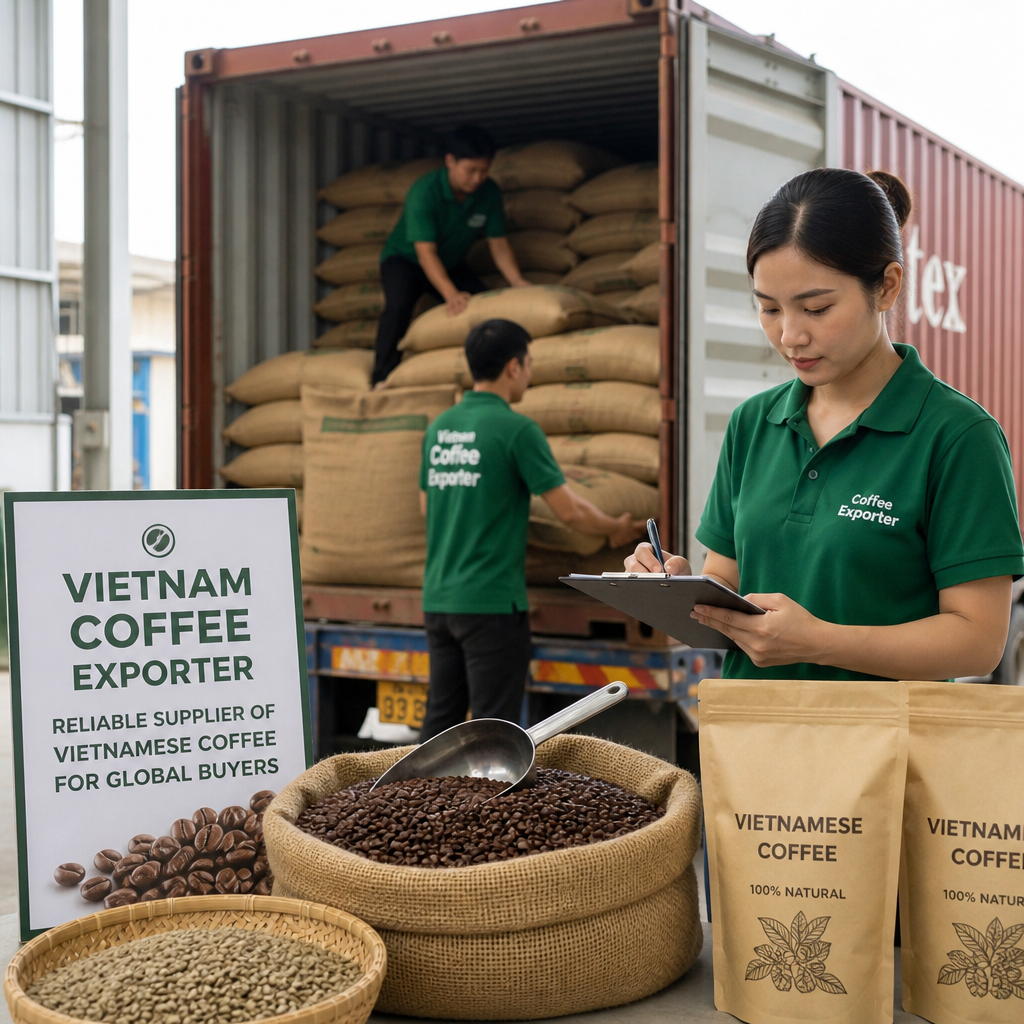
Buyer Requirements: Ensuring Successful Transactions
For global buyers engaging with the Vietnam Coffee Exporter, understanding and meeting specific buyer requirements is crucial to ensuring successful transactions. These requirements often include quality standards, pricing agreements, and delivery timelines, all of which play a significant role in the buyer-supplier dynamic.
- ✅ Quality Assurance: Buyers expect adherence to both local and international quality standards, such as ISO certifications, which assure the consistency and safety of the coffee products.
- ⚡ Competitive Pricing: Effective negotiations on pricing terms are essential, considering factors like market demand and supply chain costs.
- 💡 Timely Delivery: Ensuring that shipments are delivered within agreed timelines is vital for maintaining trust and reliability.
The importance of communication with suppliers cannot be overstated. Clear and consistent communication helps in navigating the complexities of international trade, addressing potential issues proactively, and fostering a collaborative relationship. For instance, regular updates on shipment status and any changes in order specifications can prevent misunderstandings and delays.
"Effective communication is the backbone of any successful buyer-supplier relationship," says a spokesperson from the Vietnam Coffee Exporter.
Case studies further illustrate the importance of these factors. A notable example involves a European coffee retailer who partnered with a Vietnamese supplier. By establishing a robust communication channel and setting clear expectations regarding quality and delivery, the retailer was able to expand its product line successfully, resulting in a 25% increase in sales over one year. Such examples highlight how meeting buyer requirements and maintaining open communication can lead to mutually beneficial outcomes.
Ultimately, understanding and addressing buyer requirements, along with maintaining effective communication, are crucial for successful transactions in the global coffee trade. These elements not only facilitate smooth operations but also foster long-term partnerships capable of withstanding market fluctuations.
Call to Action: Engaging with Vietnamese Coffee Suppliers
As the global coffee market continues to evolve, exploring Vietnamese coffee options presents a compelling opportunity for buyers worldwide. Vietnam, renowned as the second-largest coffee exporter globally, offers a diverse range of coffee products, including both Arabica and Robusta varieties, meeting specific quality standards that adhere to international benchmarks. This unique positioning makes Vietnam a strategic choice for those looking to diversify their coffee supply.
For those interested in delving deeper into the offerings of Vietnamese coffee, reaching out to local exporters is a crucial step. By contacting Vietnamese exporters, buyers can obtain detailed information about the product varieties available, quality certifications, and the specific benefits that come with choosing Vietnamese suppliers. This direct communication not only facilitates a better understanding of the product but also helps in establishing a reliable supply chain.
Choosing Vietnamese coffee suppliers comes with a host of benefits:
- ⚡ Competitive Pricing: Vietnam's large-scale production capabilities allow for competitive pricing, making it an attractive option for buyers looking to optimize costs.
- 🌍 Global Reach: With a robust export process, Vietnamese suppliers are well-equipped to meet the demands of international markets, ensuring timely and efficient delivery.
- 📈 Scalability: The scalability of Vietnam's coffee supply chains ensures that they can meet increasing demand without compromising on quality.
Engaging with Vietnamese coffee suppliers not only provides access to a diverse and high-quality product range but also enhances your position in the competitive global coffee market. As you consider your next steps, remember that Vietnam Coffee Exporter is a reliable partner, ready to support your business needs with efficiency and expertise.







